Ad hoc FAO/WHO Expert Meeting on water quality in agrifood systems and food safety | Food safety and quality | Food and Agriculture Organization of the United Nations https://t.co/odSYjNsShw via @FAO
New faculty position in #Marine Sciences open in my School @uniofeastanglia
This is a great opportunity to deepen linkages between C cycle and ecosystem services/fish sciences, incl. understanding ecosystem shifts & #tippingpoints under #climatechange
https://t.co/CJ8pJSQXuk
Time is running out! There is less than two weeks left to enter our 2025 Schools Geology Challenge. All you need is a team and a passion for geoscience, find out how to enter here: https://t.co/0kbVeJjKQJ.
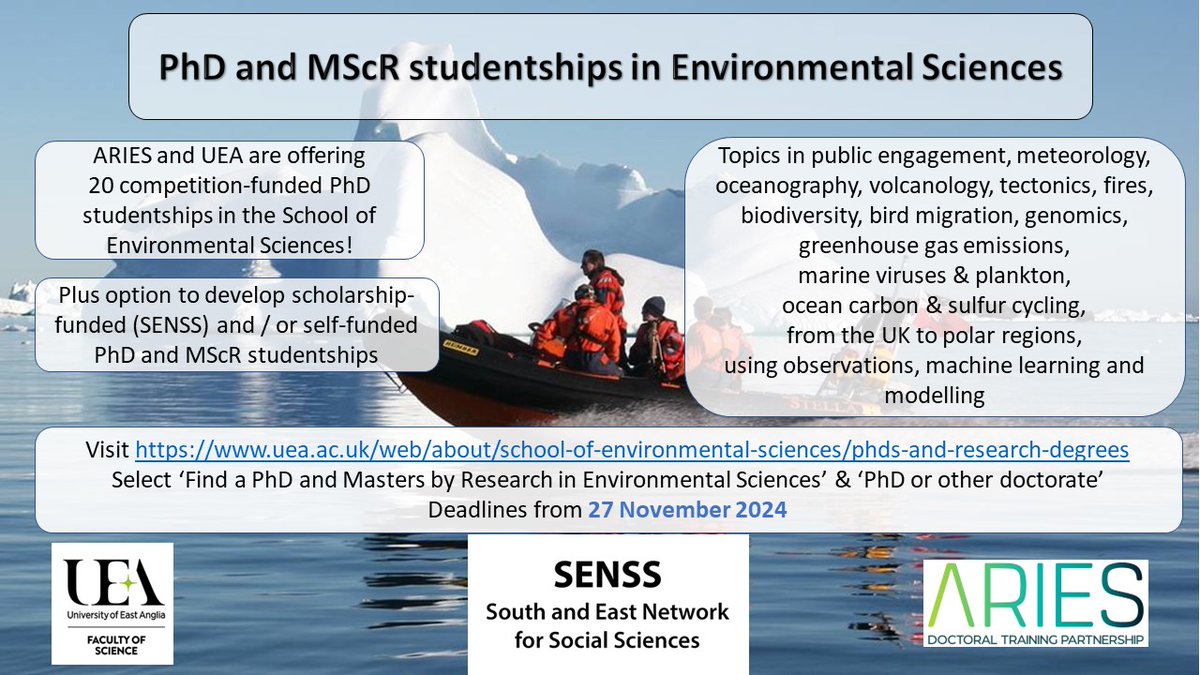
Applications are now open for 20 competition-funded PhD studentships in UEA’s School of Environmental Sciences! 🌳 ⛅️ 🌊
Plus student-led, scholarship-funded applications in the environmental social sciences.
https://t.co/nQ1tZHBLgJ
Deadlines from 27 November 2024.
#uea#PhD
Day 3 of the ARIES DTP Summer School at the Marine Station in Plymouth and we are enjoying a well earned paella on the balcony in front of the harbour. An impressive group of postgraduate researchers!
Much of East Anglia is covered by mid-Pleistocene glacial deposits such as the chalky boulder clay. In our new J Hydrol paper we show how lithology affects pore water isotope and hydrochemical profiles with emphasis on agriculture nitrate. See
https://t.co/OElQBDz4CC @ueaenv
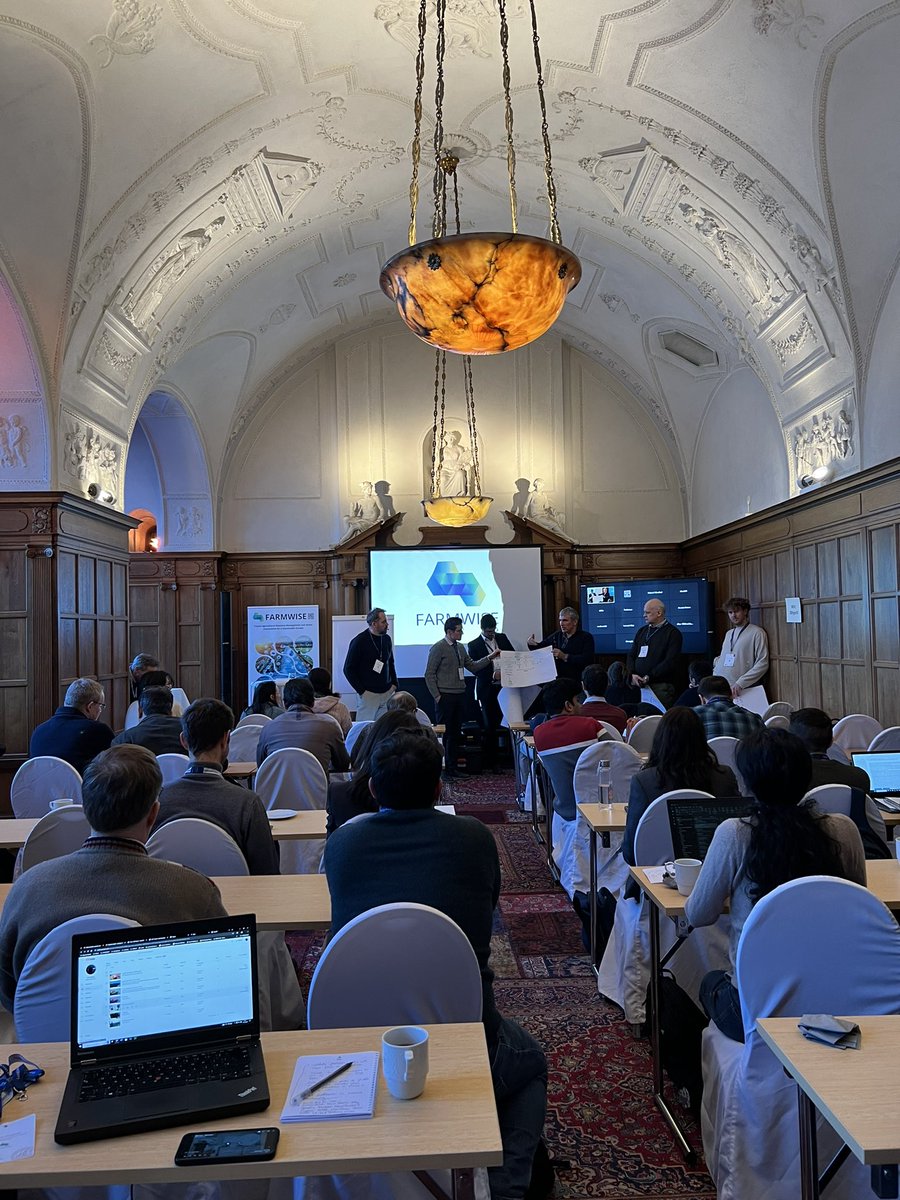
Great to get started on the EU FARMWISE project investigating climate impacts on water resources for European agriculture including a UK case study in the Wensum catchment. The kick off meeting is at the grand Hypoteket building in Lund, Sweden. Impressive lamp shades @ueaenv
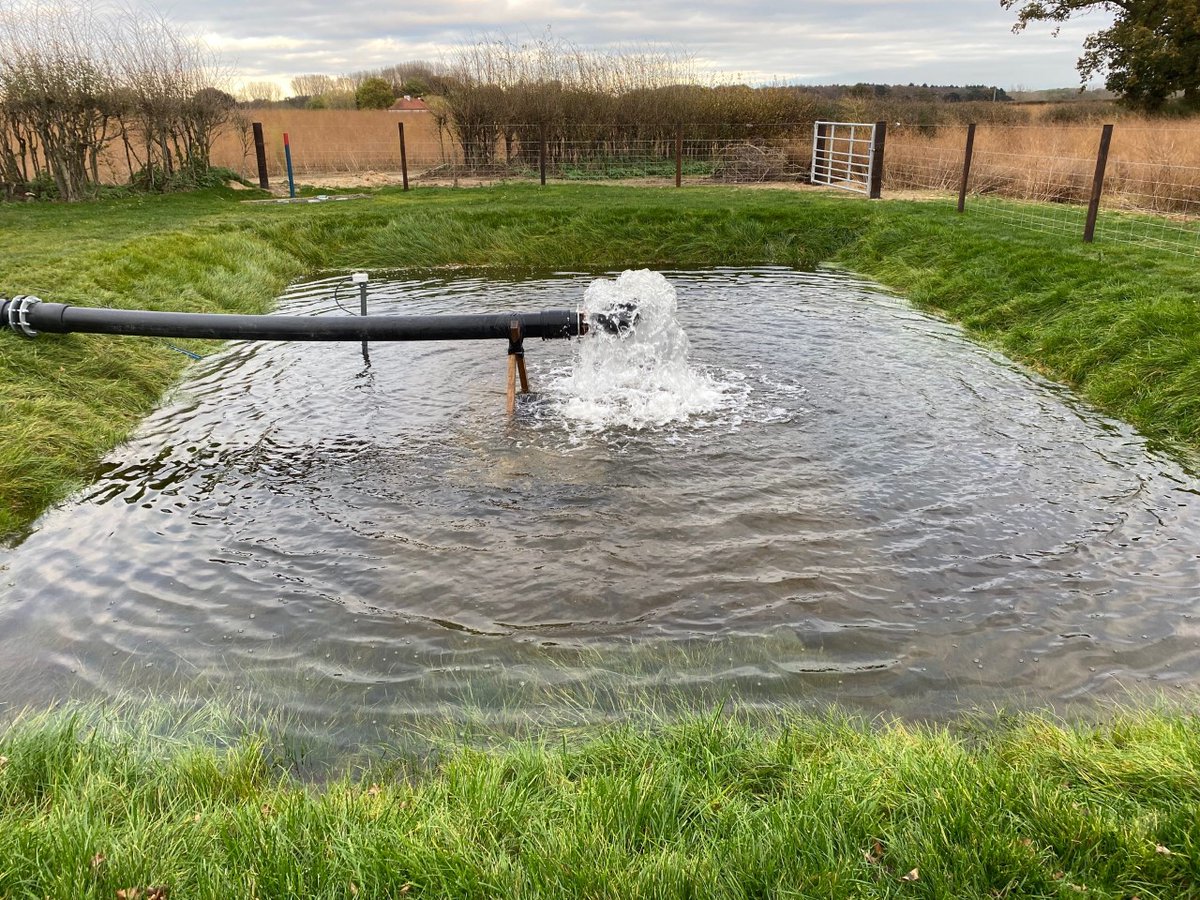
Here is our recent paper demonstrating the storage of water underground in the Suffolk Crag (sand & gravel) aquifer for later abstraction for irrigation water use. Managed aquifer recharge (#MAR) for the sustainable development of water resources.
https://t.co/Dl1DVQSlJH
@ueaenv
Our new paper on the denitrification potential of clay loam soils using the dual-isotopes of nitrate measured in field drainage in the River Wensum catchment headwaters @ueaenv See article link:
https://t.co/fgljA3M6lo
New publication exploring water quality nutrient credits: "Export Coefficient Modelling of Nutrient Neutrality to Protect Aquatic Habitats in the River Wensum Catchment, UK" https://t.co/EFjY5v24BX #mdpienvironments via @Environ_MDPI
Startling fact: the Earth has lost enough groundwater by abstraction to tilt its axis of rotation. Net water lost from aquifers between 1993-2010 is estimated to be >2 trillion tons, causing the geographic North Pole to shift at 4.36 cm per year. Go to: https://t.co/DLNqPWdvrR
We have a PhD studentship on investigating coastal stability using optical fibres. The project starts this October and the candidate will be part of the ARIES DTP. Application deadline 19th May. Details are here and happy to chat about this opportunity: https://t.co/HeIG1BEB0b
Good to see the Interreg 2 Seas FRESH4Cs project featured in Defra's recent integrated Plan for Water. See the video from 1:34 - 1:54 with the SoS at the King's Fleet pumping station, Felixstowe, Suffolk @ueaenv@uearesearch @Vlakwa
Today, we’ve set out our #PlanforWater to achieve cleaner, more plentiful water for people and nature. 💧
Commitments cover:
🏗️ increased investment in infrastructure
🚫 stronger regulation
🏞️ tougher enforcement for polluters
Read more: https://t.co/KPf2les9Wo
Rainfall trends over the Amazon Basin (1981-2020):
- Northern and western portions have been facing more rainfall (blue)
- Southern portions, the opposite (red).
One of the consequences are record-breaking floods along the Amazon River in the last decade.
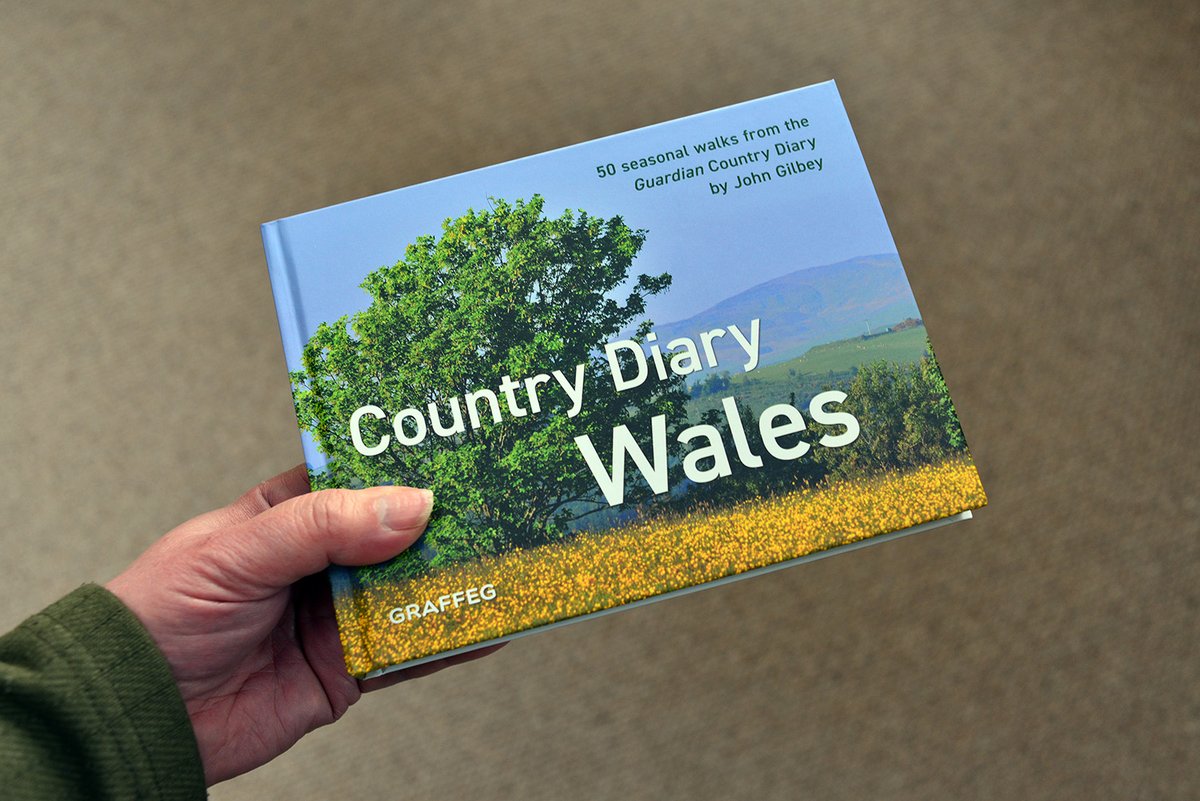
When I left @uniofeastanglia in 1979 I told myself I'd write a book. Well, 44 years later I finally have: an illustrated collection of my Guardian Country Diary columns. Thanks to @ueaenv for providing the background for my environment writing. Published by @graffeg_books
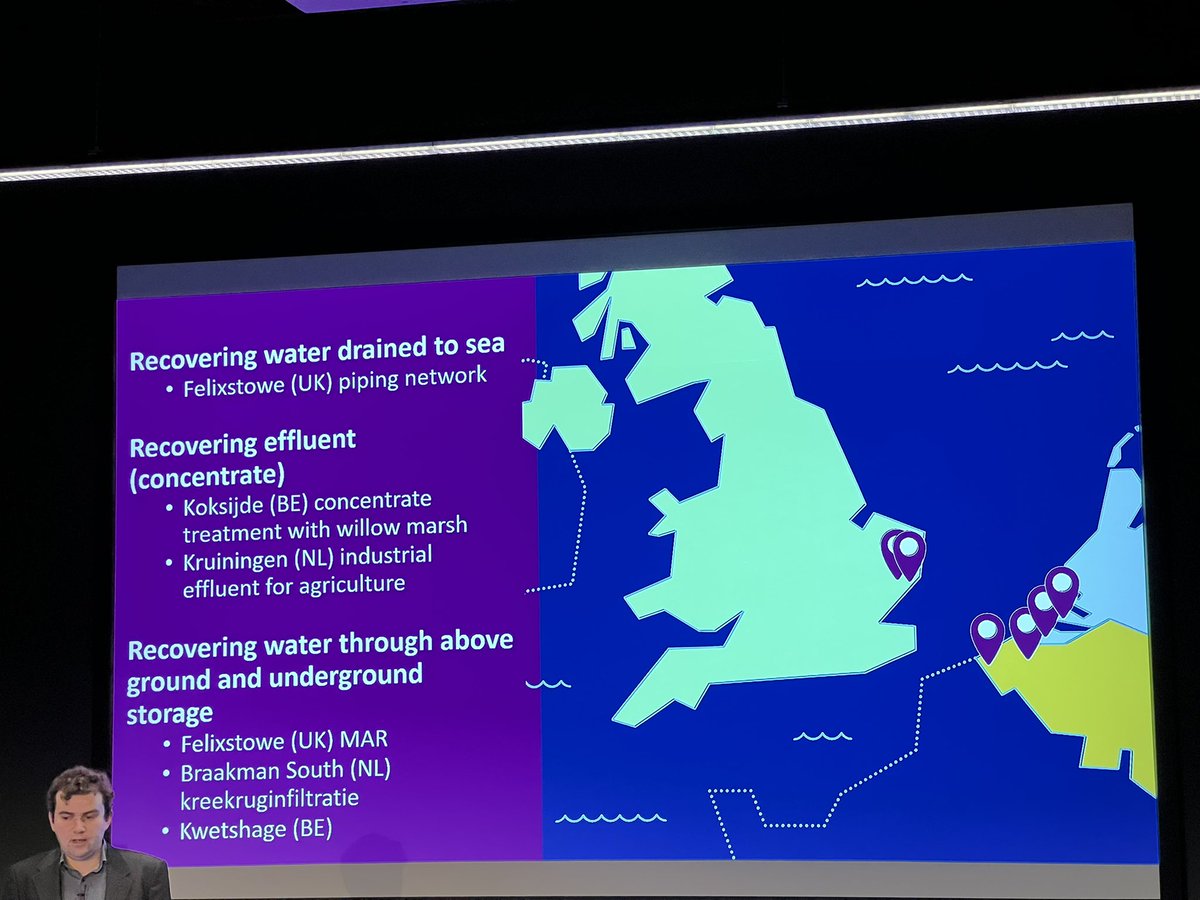
Start of the day for the FRESH4Cs final conference in Ipswich to learn from the 6 projects demonstrating sustainable freshwater resource solutions in lowland coastal areas in the UK, Belgium and The Netherlands @ueaenv@UEAResearch @Vlakwa