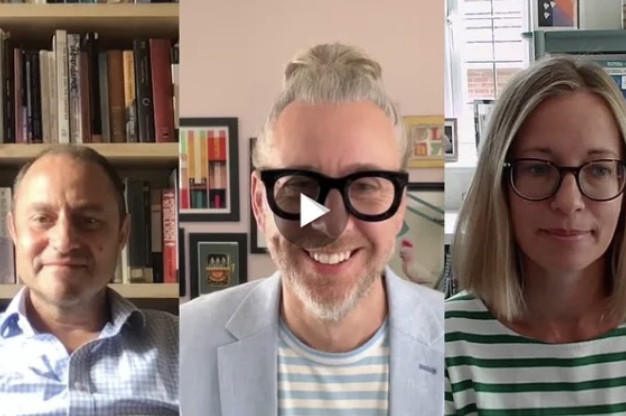
We loved listening to @ProfSamWass on @BBCr4today this morning sharing why books are the perfect form of connection for very young children.
That's why our #ReadingRights campaign highlights the importance of early shared reading.
Listen from 2h25m🎧
https://t.co/dF5hBvZn0T
@ProfSamWass will be presenting at our #iHVLeadership2025 Conference on 'Research on the use of digital technologies in babies'. Come prepared to learn and be fascinated by the growing body of evidence in this area!
Join us on 3 Dec! https://t.co/EkvemB6Y4X
#HealthVisiting
⭐Just home from @childcareedexpo#SEND conference
🧠 @ProfSamWass kicked off with a powerful keynote on how childhood is evolving
🎤 #SEND Speakers brought insight, inspiration & fresh perspectives
💐 The day ended with a surprise bouquet—so thoughtful 🤗 #ThankYou
Next up at #KidsConf we are joined by @Booktrust's Lizzie Catford and @UEL_News' Professor Sam Wass (@ProfSamWass) to dive into the science of early years reading and why sharing books goes way beyond literacy ✏️📣
🏆 Take Action on Distraction has officially been crowned Professional Book of the Year at the Nursery World Awards! 🎉
A big win for anyone passionate about focus, fidgets, and helping little learners thrive. 💡📚
Congratulations to @ProfSamWass & @GemmaGoldenberg!
#NurseryWorldAwards #EarlyYears #TakeActionOnDistraction
Neuroscientist @ProfSamWass explains why reading the same much-loved stories again and again is essential for children.
Read here: https://t.co/ylwDhX1OjP
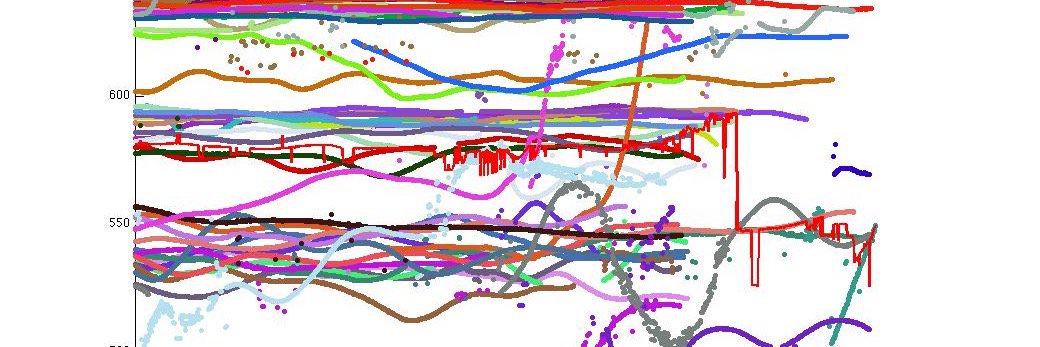
In our latest study, we tracked over 1,000 hours of natural, day-long recordings from infants aged 4–21 months, using wearable devices to measure both their vocalisations and their physiological arousal (heart rate). Read the full article here https://t.co/r6S2sseG9C
Back to school means back to classrooms full of sound. At ISEY, we’re leading research on how noise impacts children’s focus, language, and learning, shaping better environments so every child can thrive.
https://t.co/DQFvaFyROw
#BackToSchool#ChildDevelopment#EducationResearch
When we read to babies, we create rhythms they latch onto, supporting speech and language development.
The science is amazing.
It's why our #ReadingRights report with @frankcottrell_b calls for shared reading to be available to every child:
https://t.co/ZPEeYWgnux @ProfSamWass
Honoured to welcome Princess Noor bint Asem as the very first visitor to our new ISEY testing facilities in Stratford.
We’re partnering with her on Moments Conscious Education training in Jordan, workshops kick off later this year! https://t.co/y2ETs2qLMh
#ISEY#Education
Want to know what it really means to support attention and focus in the early years? @ProfSamWass was a guest on Early Years Impact podcast, talking about the science behind how young children's brains actually work. Hint: it's not demanding silence or stillness.
🤩FANTASTIC NEWS🤩
We are thrilled to announce that Take Action on Distraction by @ProfSamWass & @GemmaGoldenberg has been shortlisted in the Nursery World Awards in the Professional Book category!👏
https://t.co/URj6ekgF4A @NurseryWorld
We loved joining @ProfSamWass and Waterstones @UKLaureate@frankcottrell_b at @ISEY_uel to discover what happens to babies' brains when they're read to.
Discover the neuroscience behind shared reading - and how it enables children to flourish and thrive:
https://t.co/2XndEnrOID
At our recent CEN meeting, hosted by @ProfSamWass and @GemmaGoldenberg, a fantastic group of researchers, practitioners, and policy leads came together to explore how attention develops in babies and young children.
Research from @ProfSamWass of @ISEY_uel is cited in this powerful piece on the urgent need for accessible reading by Children’s Laureate @frankcottrell_b. Proud to help shape the national conversation on literacy, equity and child development. #UELYearofHealth
Read more: https://t.co/gM5RGytCYQ
So with TV the pacing is pre-set- they can’t dial it up or down depending on familiarity or mood. But with books, they’re more in control. And there is less perceptual information (sights and sounds for their brain has to process) but more cognitions (internally generated ideas).