Check out NMC Prep real‑style MCQs, timed mock exams, and instant feedback for Ghana NMC licensing prep.
An online platform to practice Ghana NMC exam questions by track and course, with mock exams and explanations.
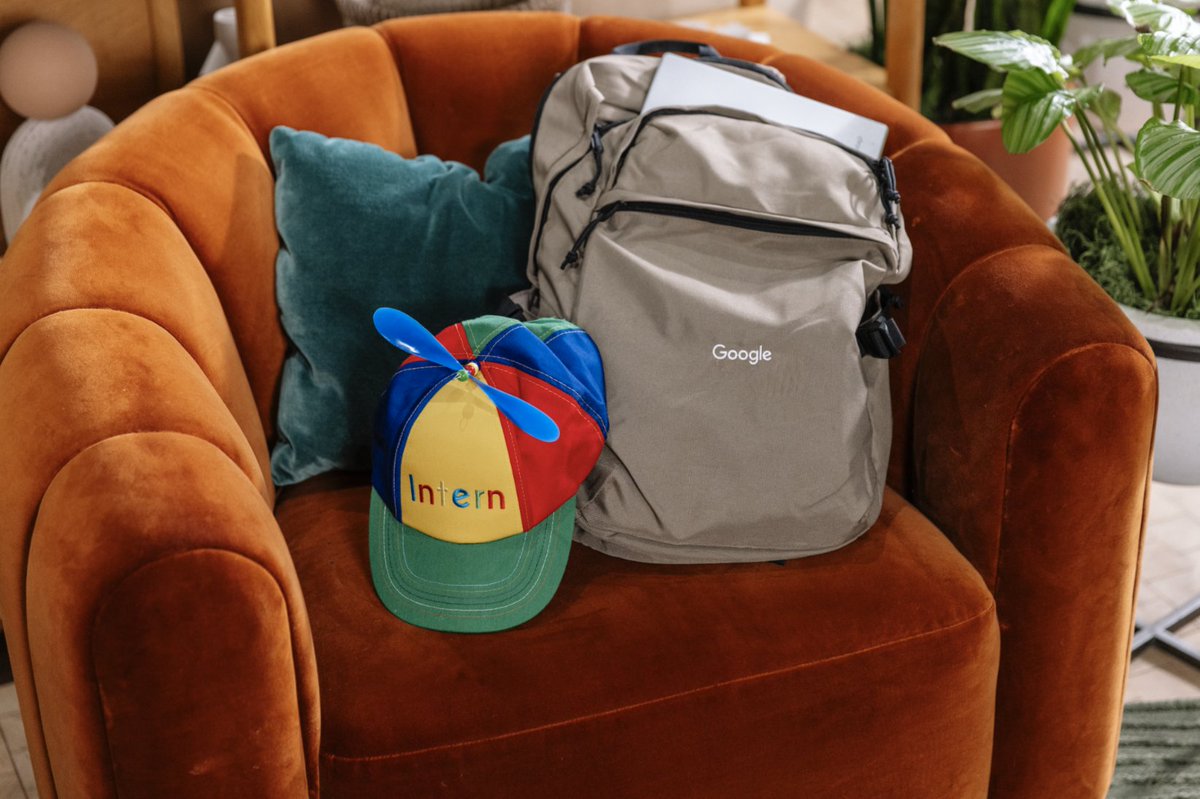
Applications for our 2027 Software Engineering Internships are now live on Google's Careers site! Before you apply, head to our new Student Hub for resume tips, interview prep resources, and everything you need to know about the internship experience ➡️ https://t.co/skMtp51Mpk
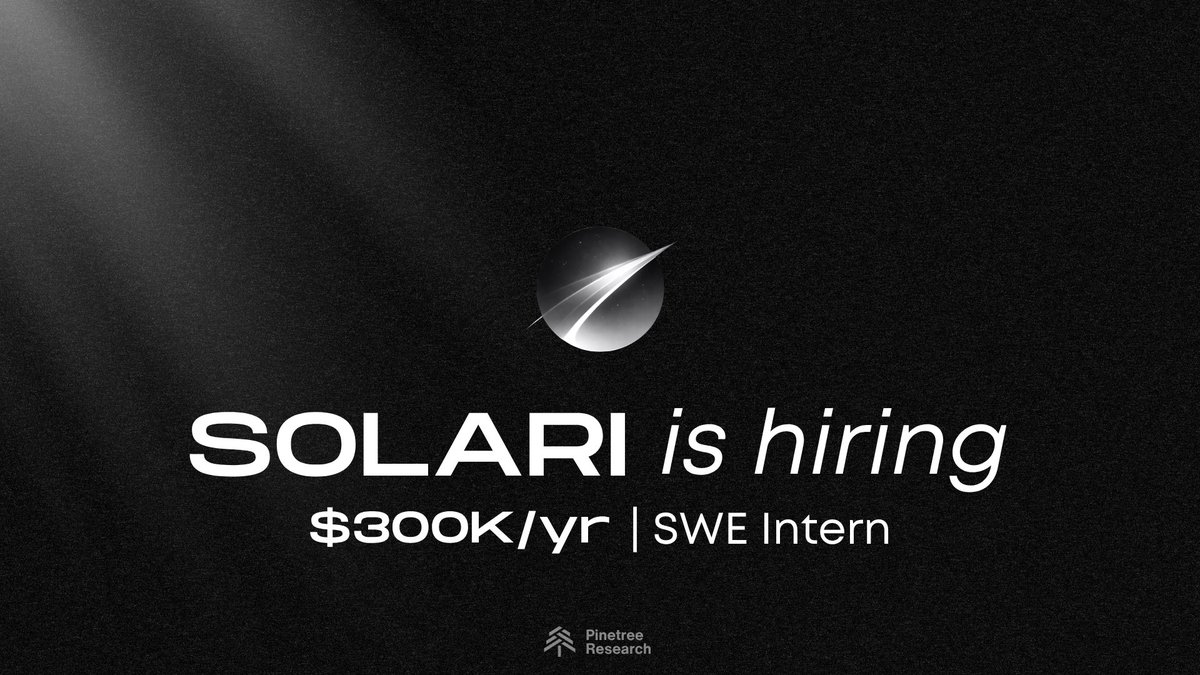
I'm hiring a SWE intern for Pinetree Research, and the salary is $300K
Before you ask: 300K annualized. And no, we don't want your resume, coverletter, or grades
Here's how to apply:
1. Fork the Solari repo: https://t.co/TxbSy4v2XQ
2. Build a real use case with Solari (browsers, sandboxes, and/or desktops)
3. Publish it on a public Github account
4. Share it in a post on LinkedIn or X
Tag @harrychow_ and @getsolari
Use AI to build it. Seriously, we insist. We don’t care how you ship, we care that you can ship something great, and if you can ship if faster with AI, even better. (@im_roy_lee)
What happens next:
- We review every build that tags us
- If we like what you made, we schedule an interview
- If you're the right fit, we'll hire you on the spot
Know someone who can take on the challenge? Tag them below
For questions about Solari or the role, comment below or DM 🚀
May the best dev win
One week ago at 1am I sat the KCNA exam.
Passed. ✅
Kubernetes has a habit of making you feel like you finally get it, then handing you five new layers you didn't know existed.
Thanks to @Andela for the push 🙏
https://t.co/pgz3lVhcks
Also built myself a practice tool while prepping: https://t.co/0Uo16c46aB
Custom question mixes across 8 modules, adjustable weighting per topic, optional timer, answer reveals, no data leaves the browser. Built it to drill my own weak spots, sharing in case it helps anyone else
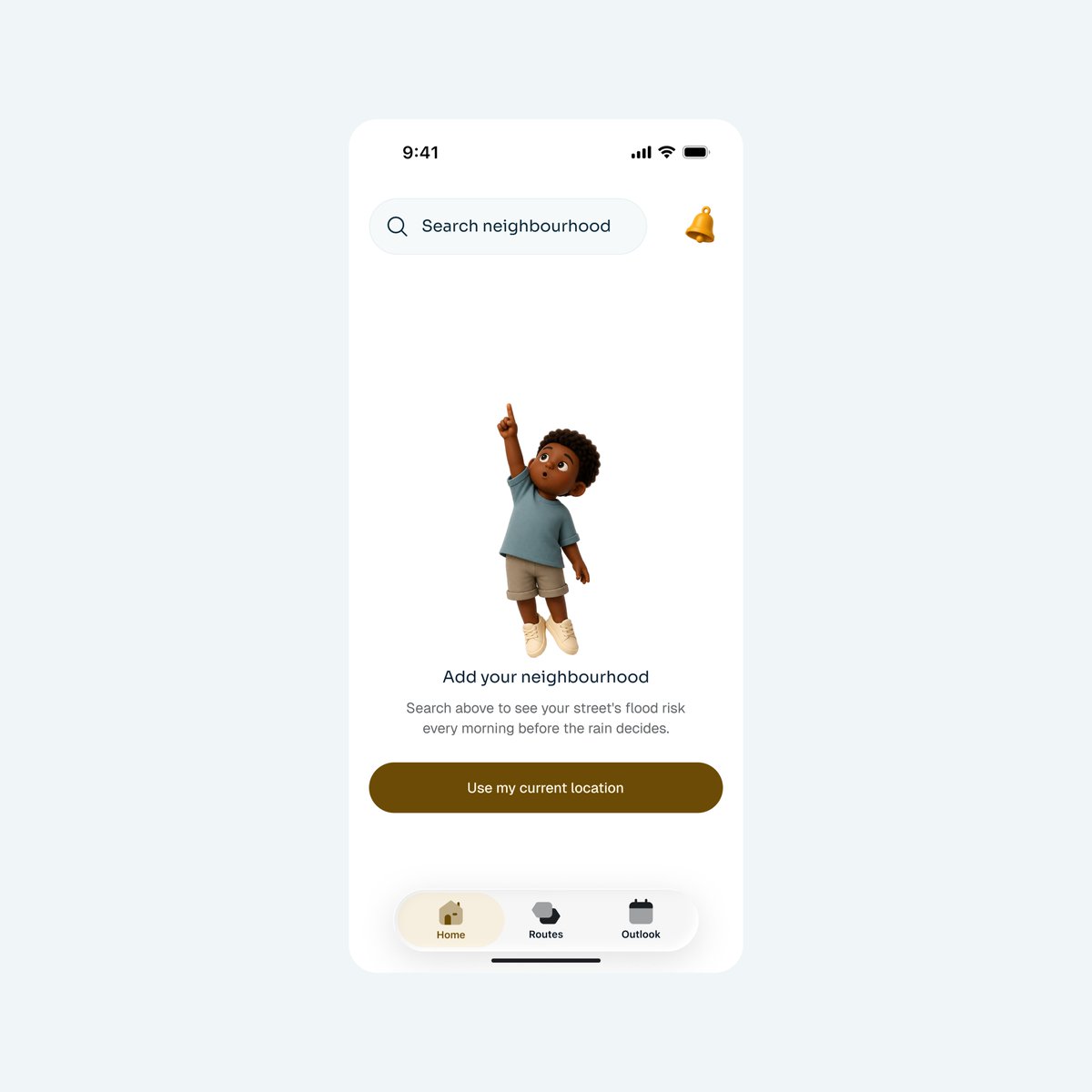
Homescreen Empty State Screen(The Ark):
The screen is designed to guide users in adding their location so they can receive updates on the risk of flooding in their neighbourhood.
Web scraping will never be the same.
(100% open-source visual search at scale)
PixelRAG is a retrieval system that skips HTML parsing completely.
Instead of scraping a page into text and embedding chunks, it screenshots the page and retrieves the image. A vision-language model reads the answer straight off the pixels.
Why that matters: parsing is where web RAG quietly loses information.
- A single HTML-to-text parser can drop 40%+ of a page.
- Tables, charts, and layout get flattened or thrown out.
- Swapping parsers alone can move accuracy ~10 points on the same docs.
PixelRAG indexes the page a person actually sees. The team built a visual index of all of Wikipedia, 30M+ screenshots, and it still beats the strongest text RAG baseline by 18.1% on text-only QA.
The repo also ships a Claude Code plugin that gives Claude eyes.
It lets Claude screenshot any URL and read the rendered page instead of scraping the DOM. So you can hand it a live page, an arXiv paper, or your local site and ask what it actually looks like.
One setup script. No MCP server, no backend.
How the pipeline works:
- Renders each document (web, PDF, image) to image tiles.
- Embeds them with Qwen3-VL-Embedding, LoRA fine-tuned on screenshots.
- Builds a FAISS index and serves a search API.
A stronger reader model lifts accuracy with no re-indexing, since the index is just pixels.
Everything is open-source under Apache-2.0.
GitHub repo: https://t.co/qun9TjAdmw
Talking about RAG, I recently wrote an article on a new approach that makes retrieval much more efficient by cutting corpus size by 40x, reducing tokens per query by 3x, and improving vector search relevance by 2.3x.
The article is quoted below.