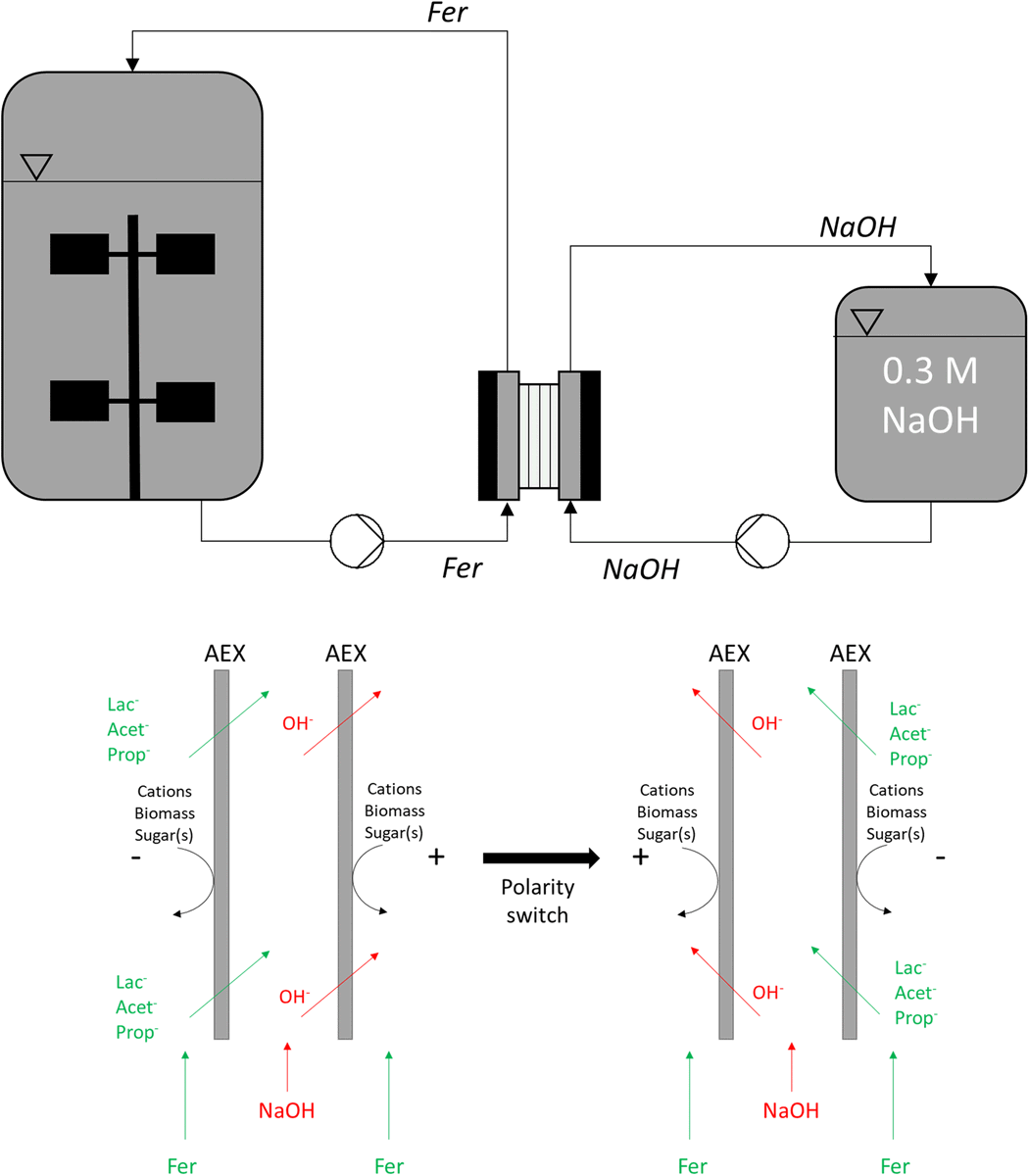
Just published a great collaboration in the Biochem Project between @VTTFinland and Technical University of Hamburg. Producing short and medium chain carboxylates with comprehensive coculture selection and in-situ product removal by electrodialysis
https://t.co/4ecsKM1AvM
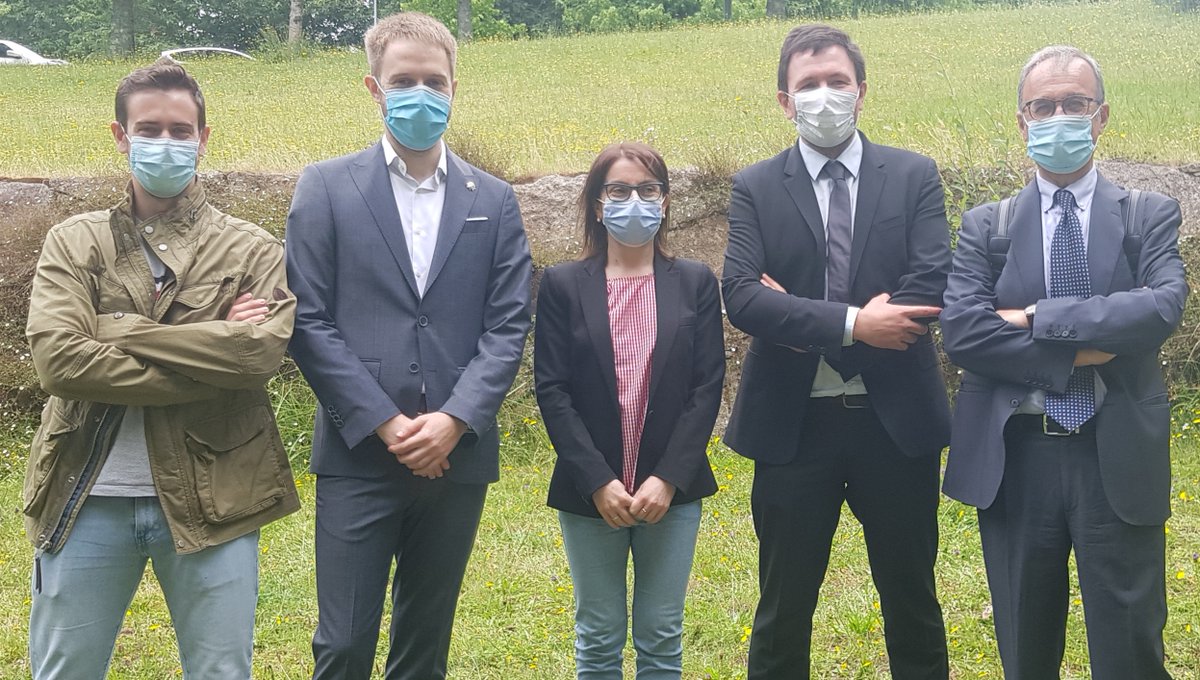
The thesis of Riccardo Bevilacqua, fully integrated in @ProjectBiochem featured today in the @UniversidadeUSC journal
This thesis shows how experimental work guided by mathematical models can reach further in bioprocess development.
#CircularEconomy#WellDoneRiccardo
Reseña no xornal da @UniversidadeUSC sobre o traballo desenvolvido polo noso compañeiro Riccardo Bevilacqua @EnxQuim_USC@cretus_usc@ProjectBiochem: Transformando residuos ricos en proteínas en produtos químicos https://t.co/akfaCBLZ7y
Ludwig Selder et al. showed how in-situ product removal can be a key for high propionate productivity in a co-culture transformation (glucose + xylose -> lactate -> propionate + acetate)
The very promising lactate platform!!
https://t.co/F2egAHwdl5
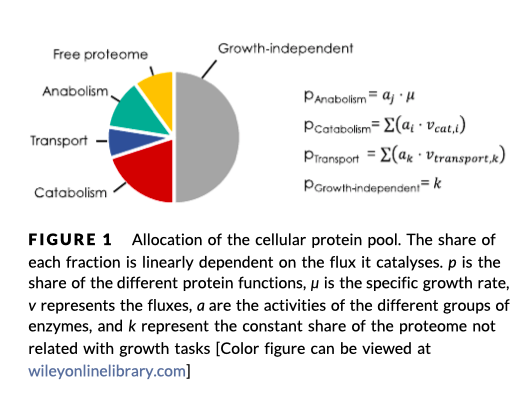
Cells can harbour a limited amount of enzymes. How these enzymes are allocated explains the shift from lactic acid to butyric and acetic acid in glucose fermentation. @AlberteRegueira provided a model in a collaboration with @tudelft researchers
https://t.co/iafhmBQAe4
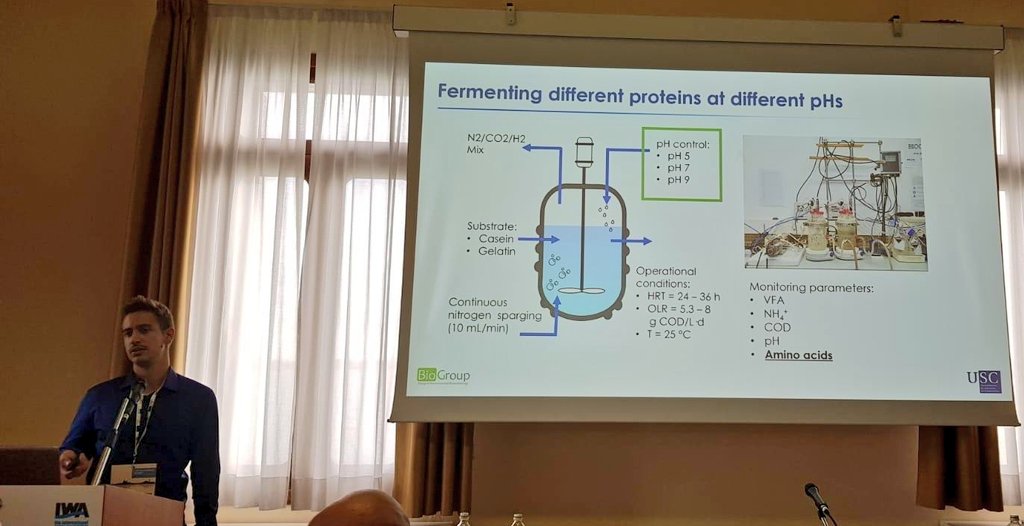
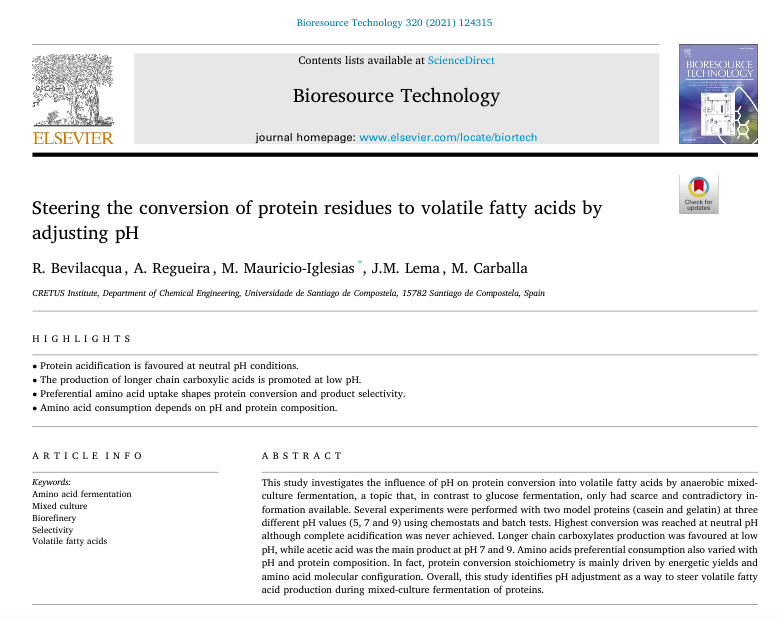
The main design variable to manipulate the selectivity of acidogenic fermentation is pH. In this just accepted paper, Riccardo Bevilaqua et al. show how pH affect protein conversion into VFA, which is itself dependent of the protein amino acids. Not easy!
https://t.co/ntyTZepf7F
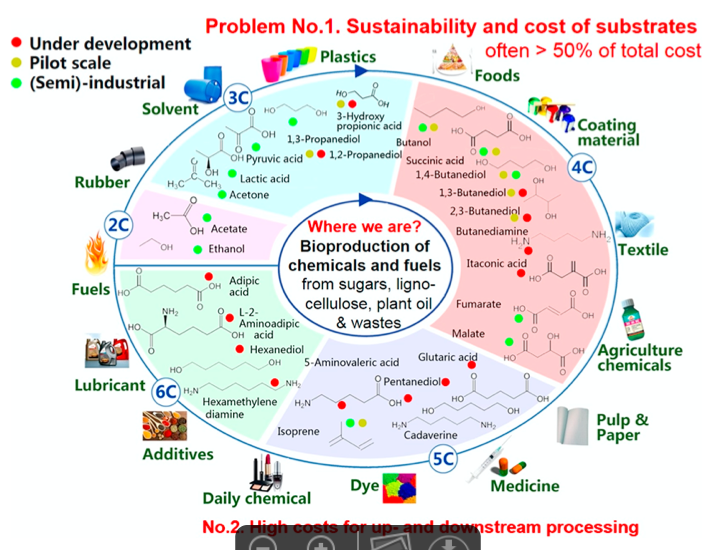
An-Ping Zeng gave in this review:
"New bioproduction systems for chemicals and fuels: Needs and new development" a whole perspective on the requirements of new biorefineries to avoid costly substrates and move to a real circular economy
https://t.co/tO0bsj3jyf
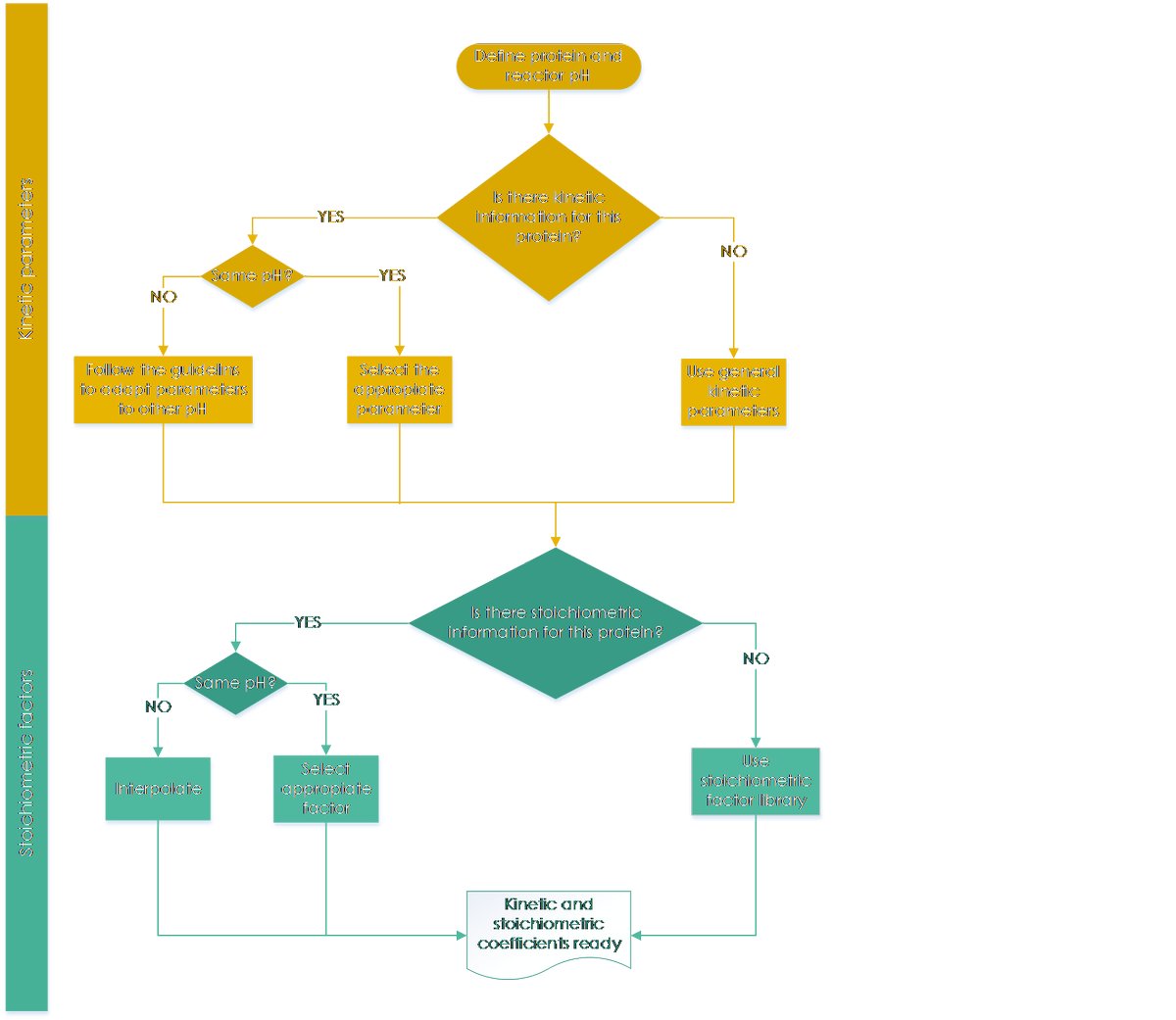
How to model protein fermentation into VFA? Stoichiometry and kinetics are not easy to predict. @AlberteRegueira et al. provide a comprehensive model reconciling experimental data and metabolic models. Ultimately, a tool to design fermentation processes
https://t.co/mxTIqSvu6G
Cadastre-se para o seminário "#Economiacircular vs indústria de #conservas de peixe 🐟 e marisco 🦞"
📆 nesta quarta-feira, 18 de novembro
��️às 14h00 de #Portugal
👉https://t.co/sBTPu64nqe @poctep @feup_porto
Proteins are a frequently overlooked substrate in anaerobic fermentation. In this BIOCHEM paper, #RiccardoBevilacqua and coauthors shows how the individual amino acids making up the proteins are converted through acidification into each VFA.
https://t.co/evC6EzXtan
@ProjectBiochem is coming to an end soon. It has been a very fruitful project with many results contributing to the development of bioprocesses for converting residues into volatile fatty acids. And many more to come!
This week we will be reviewing some of the published results
June 2020 has been an exciting month for BIOCHEM project. Read our newest experimental results about how to convert proteins into volatile fatty acids, the first step of the carboxylate platform.
@AlberteRegueira modelling cofermentation of protein and carbohydrates, and combining altogether to make a simulator of anaerobic fermentation. Or a design tool.
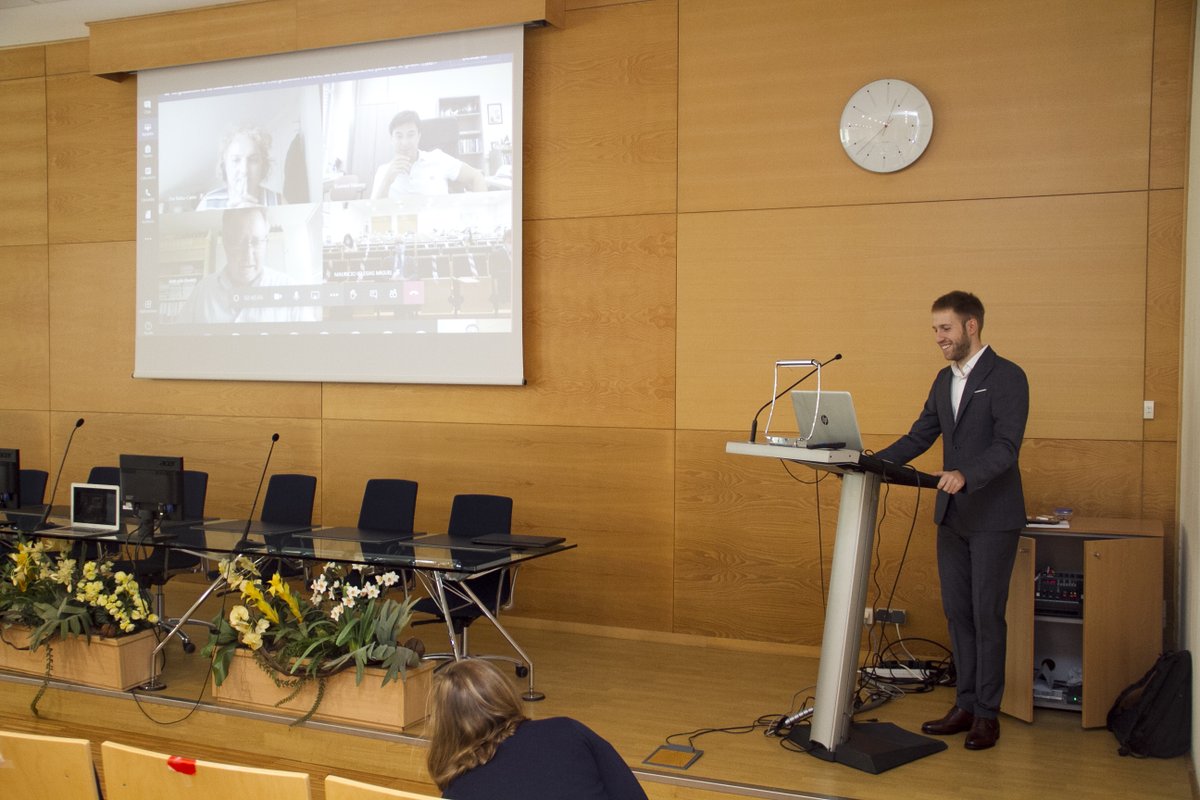
In this second picture, the BIOCHEM members from USC, full of joy after the defense (smiling behind the masks)
A BIOCHEM thesis was just celebrated! @AlberteRegueira defended his thesis entitled "Mechanistic understanding of mixed-culture fermentations by metabolic modelling". Part of the thesis corresponds to BIOCHEM modelling activities: prediction of VFA from protein fermentation,...
Producing propionic acid and other VFAs from residues is often limited by product inhibition. Biochem members Ludwig Selder, An-Ping Zeng and co from @TUHamburg show how to boost productivity by in-situ product removal with electrodialysis membranes.
https://t.co/c44Fbq1dxr
We will be showing @ProjectBiochem latest results on the model-assisted development of biorefineries in the Symposium “Challenges of the biological conversion of residues into platform chemicals”, tbh in Santiago de Compostela on 28 May 2020
Abstract deadline: March 13
@AlberteRegueira @Biogrup @cretus_usc This figure in the paper shows the dominant VFA wrt glucose/gelatine content in the substrate and pH summarises the @ProjectBiochem approach. Use models together with experiments to target the design conditions, instead of trial and error.
A new @ProjectBiochem paper just published by @AlberteRegueira and the team at @Biogrup and @cretus_usc
Take a look to our model of VFA production in cofermentation
https://t.co/3j353uO2GC
We just had our project meeting at #TUHH facilities. The take home message is clear: engineer altogether the substrate, the microbial community and the downstream to obtain bioproducts from residual streams. @cretus_usc@VTTFinland#TUHH
A key point in @ProjectBiochem is to utilize all the functions of open mixed cultures to convert waste into chemicals. @AlberteRegueira showed how to model these fermentations at #FOSBE2019@IFAC_Biosystems