Why is a soft landing on the Moon so difficult? 🚀
Nearly sixty years after the Soviet Union’s Luna 9 mission made history as the first soft landing on the Moon, a lunar landing remains elusive for many countries. Russia’s Luna-25 mission failed earlier this week, in the same year that the Japanese Hakuto mission crash-landed. In 2019, Chandrayaan-2’s crash was preceded by Israel’s Beresheet facing a similar fate.
But why is it so difficult?
To begin with, the Moon has an extremely thin atmosphere. This means that spacecraft cannot rely on atmospheric friction to slow down considerably ahead of a landing. This means that they will have to rely heavily on their propulsion systems to make a safe landing. Also, there is no GPS on the Moon, unlike here on Earth. This means that onboard computers will have to make quick calculations and manoeuvres to land at a safe location without guidance from a massive network of satellites.
Why is ISRO aiming for the southern pole?
All of the spacecraft that have landed on the Moon previously have landed in the equatorial region, either a few degrees of latitude north or a few degrees south of the lunar equator. NASA’s Surveyor 7 is the mission that went farthest from the equator in history, landing as far away as 50 degrees south of the equator.
It is not without reason that so many missions land near the equator. The terrain and temperature there are more welcoming, making the long and sustained operations of instruments easier. Also, the surface there is relatively smooth with very few steep slopes, hills and craters.
Due to the difficult environment, the polar regions of the Moon have largely remained unexplored. But if the data from many previous orbiter missions is anything to go by, there regions could be very interesting to explore. Chandrayaan-1 observed some evidence of the presence of ice molecules in the deep craters in the region.
Also, the freezing cold temperatures of the region mean that things trapped there would remain frozen for a long time. Essentially, that part of the Moon could act as a “time capsule.” This could help scientists discover clues about the early history of the solar system, including how the Earth and the Moon formed.
#Chandrayaan3 #Chandrayaan3Landing
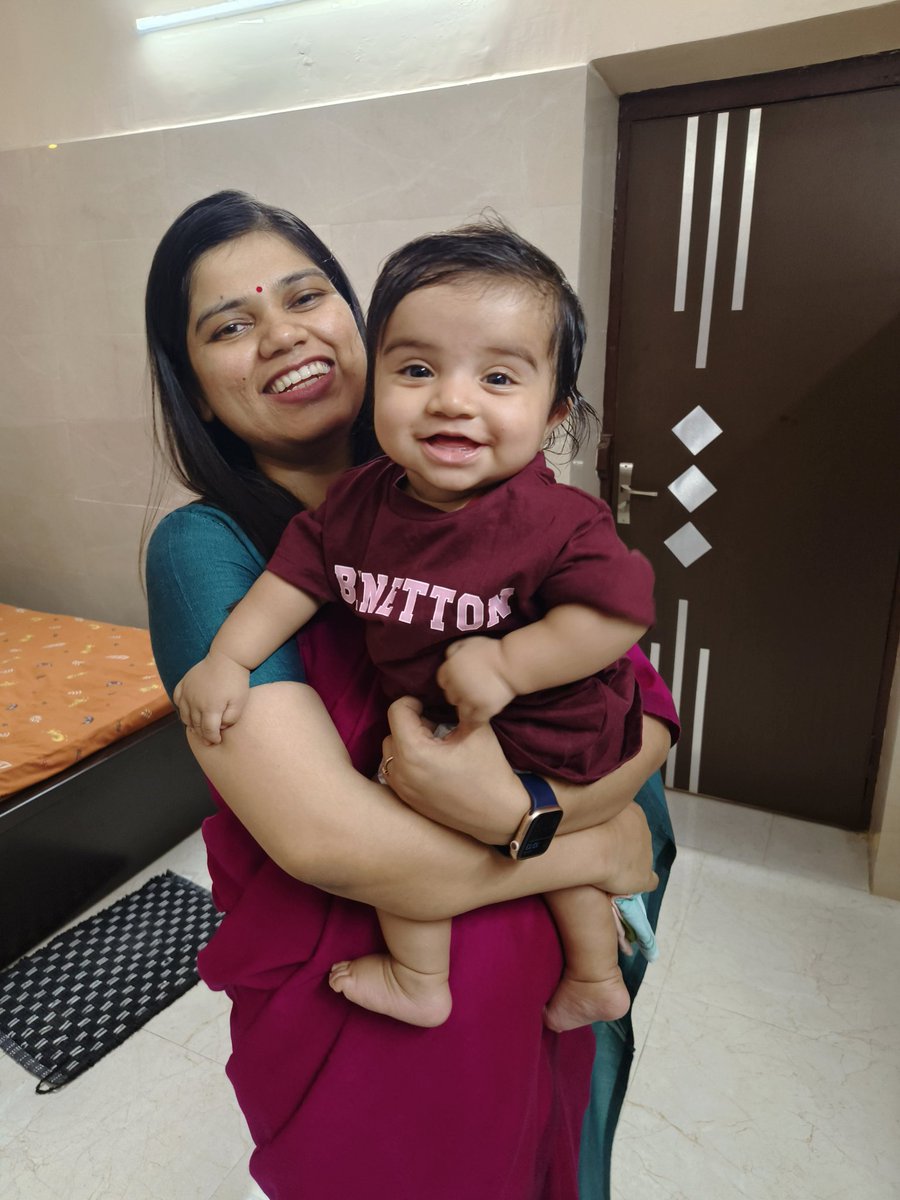
My wife is an IAS officer presently posted in Darbhanga Dist.She takes care of home, performs public service & fulfills the responsibility of raising our Kid.All this requires tremendous mental & physical strength.Respect to all working mothers.May the Force be with all of you🙏
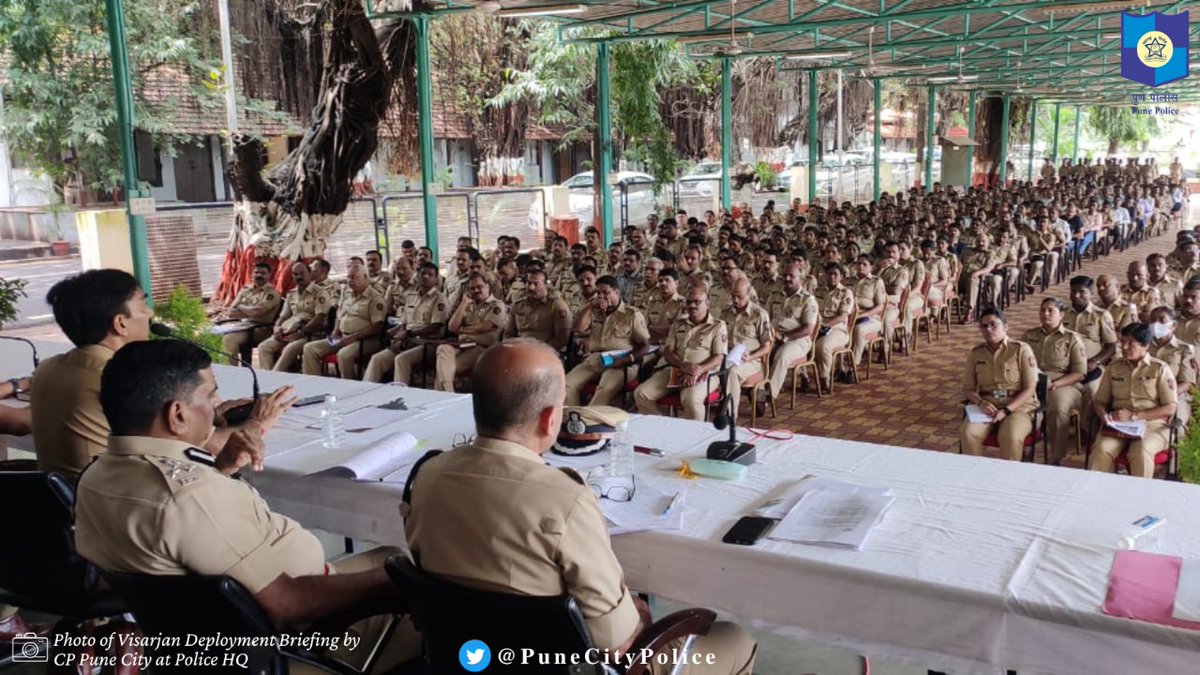
#Pune, गणपती विसर्जन सुरळीत पार पाडण्यासाठी आम्ही कोणतीही कसर ठेवणार नाही
असा आहे आमचा बंदोबस्त:
✅ 8000 कर्मचारी
✅ 1200 CCTV
✅ SRPF & होमगार्डच्या अतिरिक्त कंपन्या
✅ स्वयंसेवक
Request Citizens to ensure Traffic Restrictions are followed. Tracking page'll be shared shortly
तुझ्या दर्शना आतुरली पुण्यनगरी
जनसुरक्षेसाठी सज्ज हा पहारेकरी!
As my Team and I stand amidst passing warkaris chanting ‘Dnynoba’ ‘Tukaram’ and ‘Vitthal, Vitthal’, we feel relieved to see months of preparations culminate into today!
जय हरी विठ्ठल
दहावीच्या विद्यार्थ्यांचे हार्दिक अभिनंदन.. जे जे शेजारचे, नातेवाईक तुमचे percentage विचारत असतील, त्यांना त्यांच्या त्यांच्या marksheet घे��न घरी बोलवा. दूध का दूध और पानी का पानी हो जाएगा. #दहावी #boardresult2022