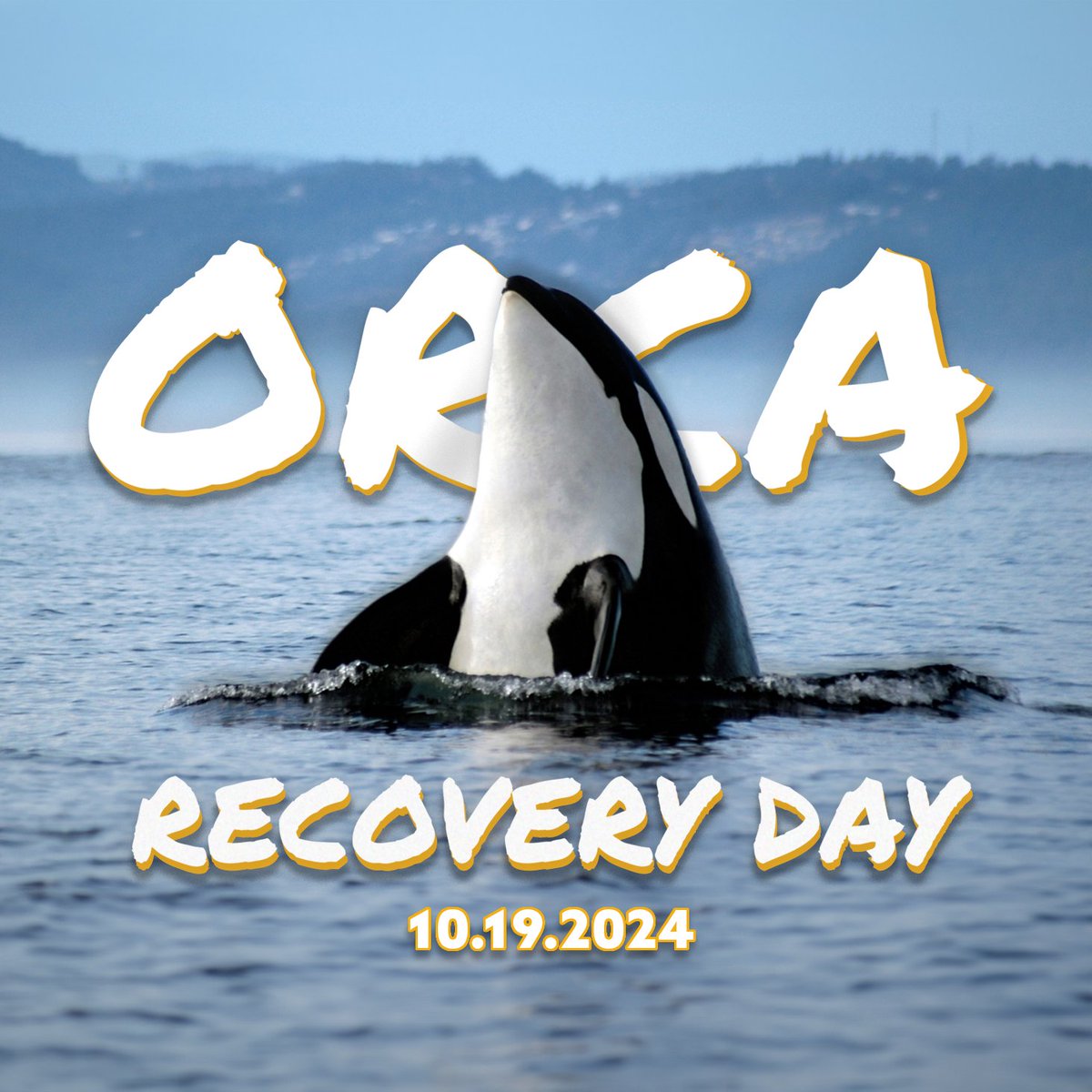
Orca Recovery Day is October 19! Leave a legacy of stewardship and help the Southern Resident Orcas. Find a habitat restoration event near you by visiting: https://t.co/X7JJUsSb5B
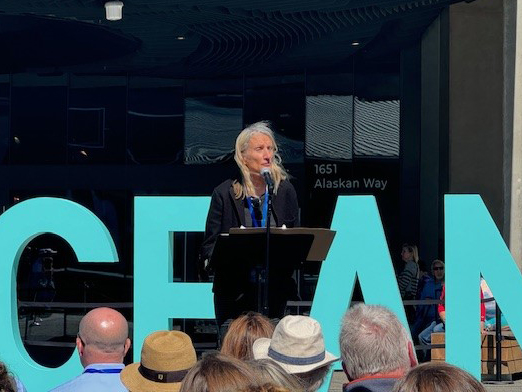
It was wonderful to attend the grand opening of @SeattleAquarium's new Ocean Pavilion last week with Tara Galuska, the state’s orca recovery coordinator. We heard Martha Kongsgaard, former Puget Sound Partnership Leadership Council member, and @GovInslee speak at the event.
We're hiring a Puget Sound Recovery Strategist! This position represents the agency externally, influencing partners at various levels and gathering input on priorities, policies, and programs for regional ecosystem recovery. https://t.co/fmUzGfAAJU
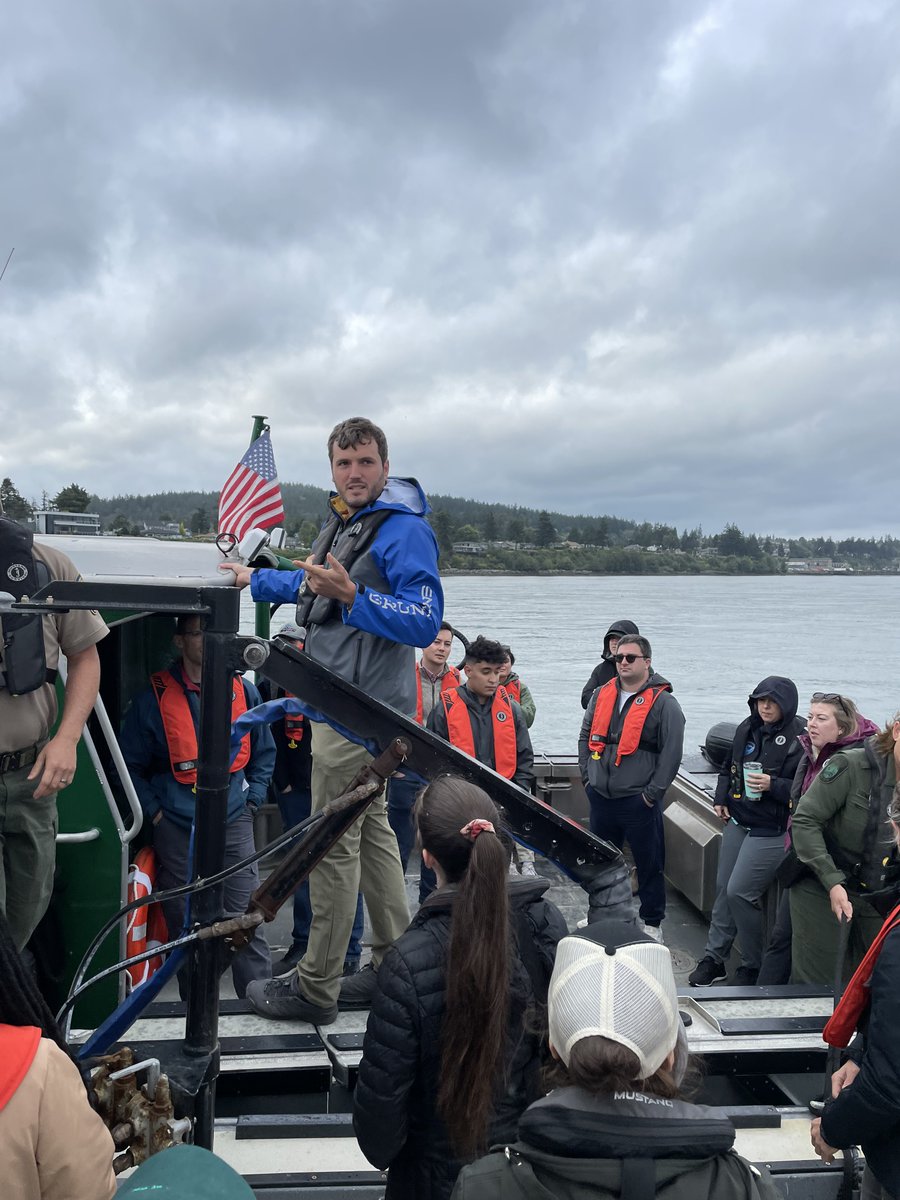
Ahren Stroming, special assistant for federal affairs at the Partnership, talks about the Partnership’s Nearshore Credits Program with congressional staffers and other partners during a tour. Read more about the Nearshore Credits Program here: https://t.co/HpDPNHlthQ
Fidalgo Bay Day, a free, fun event hosted by the Skagit Marine Resources Committee and friends, will take place at Fidalgo Bay Resort on August 24. The event celebrates our local estuaries’ beauty, history, and wonderful marine life. More info here: https://t.co/7374uOkmjL
Making Waves, our magazine, has stories about the people working to protect and recover Puget Sound. Read the most recent issue here: https://t.co/p1LX2iiFzy. Sign up to receive the next issue in your inbox: https://t.co/LJpEMP9WiP or a printed copy here: https://t.co/fBm6DXkARk
BREAKING: my bill to reauthorize @NWStraits passed through Committee today!
Northwest Straits does critical work to protect and preserve the natural habitats and diverse ecosystems in the region—and I'll keep pushing to get this bill across the finish line.
More great news from D.C.—the Senate appropriations bill includes $57 million for the Puget Sound Geographic Program, which would be an increase over this year's funding. So thankful for the leadership and determination of @PattyMurray and our entire congressional delegation.
.@waDNR, @SquaxinIsland, and @restorationfund are working together to protect and restore the Squaxin Island kelp bed, which has declined by 97 percent since 2013. The Squaxin Island kelp bed is the last remaining major kelp bed in South Puget Sound. https://t.co/FroPgQt5Tx
Great story in @EverettHerald about the new stormwater treatment facility in @WA_Marysville. The facility, partially funded by @EcologyWA, will treat 110 million gallons of runoff per year, preventing pollutants from entering Ebey Slough & Puget Sound. https://t.co/eeoFbD0zRV
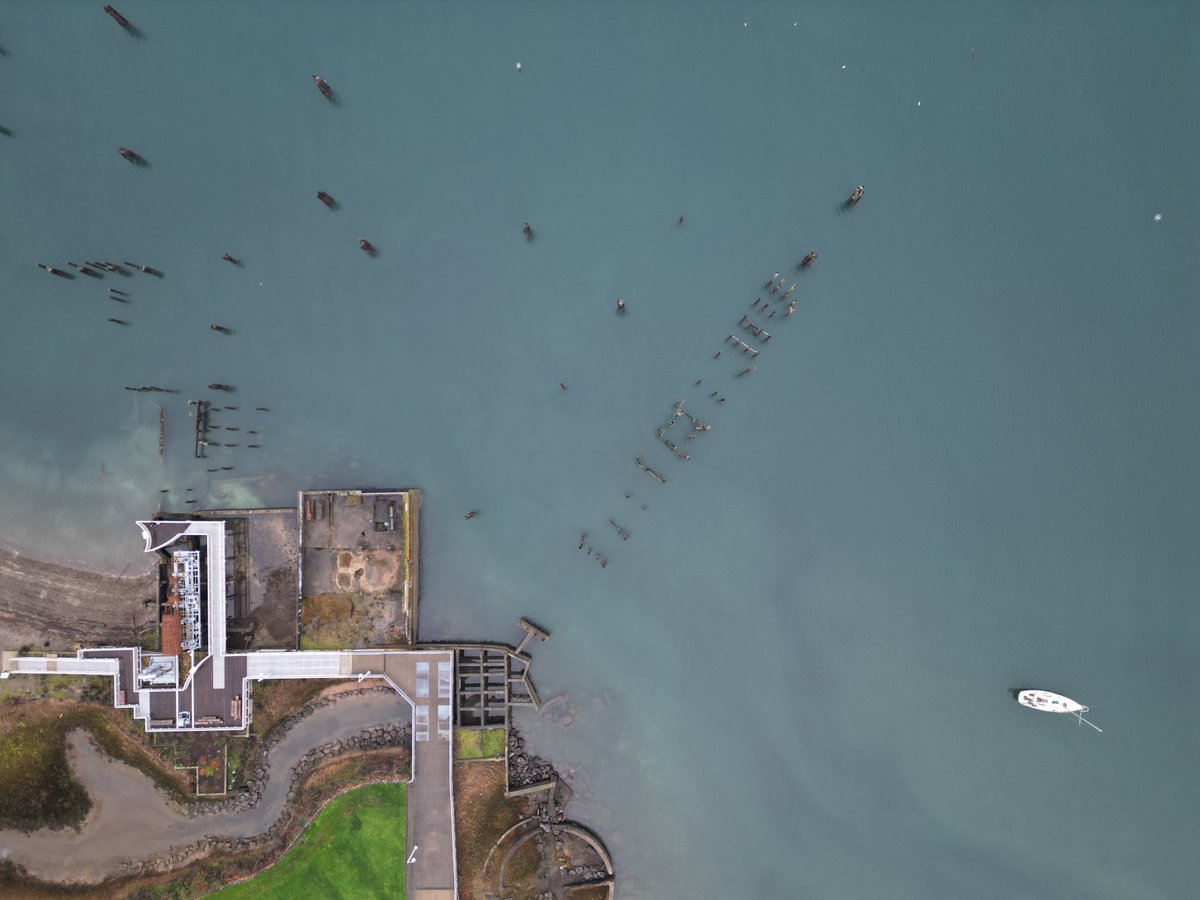
Nearshore habitat in Puget Sound supports forage fish, salmon, and—further up the food chain—Southern Resident killer whales. A new regulatory tool helps slow the loss of nearshore habitat in Puget Sound. Read more in the new issue of Making Waves: https://t.co/HpDPNHkVsi
Great news from D.C.—the House appropriations bill includes $54 million for the Puget Sound Geographic Program, $850k per estuary for the National Estuary Program, and $2.5M for competitive grants. Huge thanks to @RepDerekKilmer for his dedication to Puget Sound recovery.
You can join Juneteenth celebrations throughout the region, in Seattle (https://t.co/KxvvgynFEc), Tacoma (https://t.co/M1JcYale7Y), Snohomish (https://t.co/jxFZ4PE2ni), Bellingham (https://t.co/k26c7MYoAt) and elsewhere.
On June 19, 1865, more than two years after the Emancipation Proclamation, enslaved Americans in Galveston, Texas, finally heard that they were free. Juneteenth marks our country’s second independence day. Learn more about Juneteenth here: https://t.co/apZwXMN2Lg
Juneteenth is also a day to reflect on the history of slavery in our country and its continuing effects on Black Americans. It’s a day to recognize that we, as a country, still have a long way to go in putting into practice the principles of equality and justice.
Chinook salmon (also called king salmon) are the largest of Pacific salmon—some can reach more than 4 ft. in length and 100+ lbs. They return to the streams they were born in to spawn & they die after spawning. Chinook salmon are the primary prey for the Southern Resident orcas.
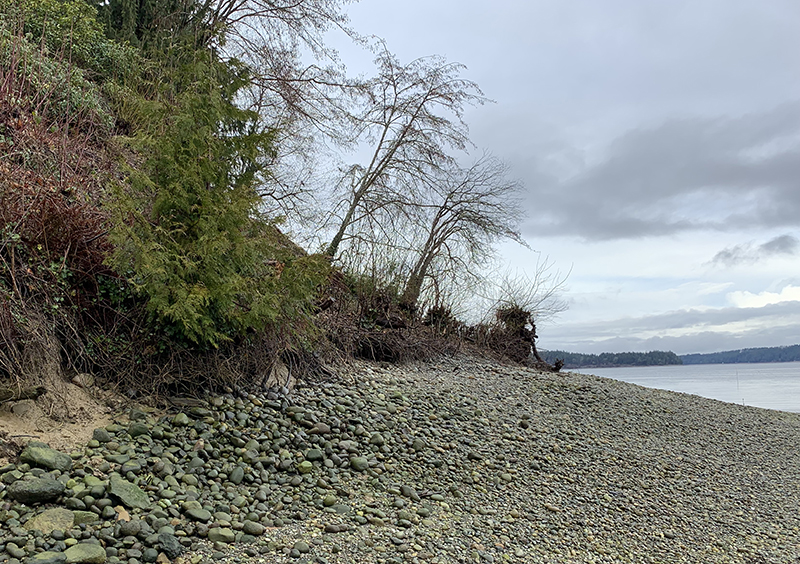
Shore Friendly is a voluntary program that helps private landowners of marine shorelines in Puget Sound reduce shoreline armoring and restore key shoreline habitat around the Sound. Read more in the new issue of Making Waves: https://t.co/BpWM1sSiQw
.@NWStraits' Impact Report 2023 celebrates their work and achievements over the past year. The report features stories of communities, Tribes, scientists, and organizations pulling together for the good of Puget Sound. Read more in Making Waves: https://t.co/gBUR7sIq7R
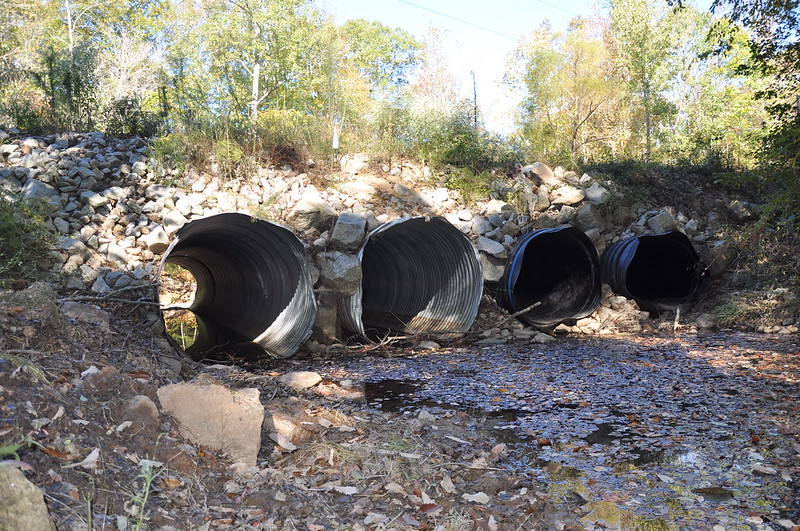
How do culverts affect salmon and other fish species? Culverts are big pipes that allow water from streams to pass under roads. Although culverts allow water to move, they're often too small or too high for salmon and other fish to move through them upstream or downstream.
To help prepare for the impacts of climate change, we're updating Washington’s Climate Resilience Strategy.
Get involved and submit your comments on our drafted proposal now through July 11!
Learn more here: https://t.co/9AhBSd7oyR