A new study offers insight into how the brain determines which information enters conscious awareness and which remains outside it. #PsychScience
https://t.co/zYCG2zmvTq
Managing commitments can be a lifelong challenge. Beth Anne Hosek shares tips for balancing commitments through self-regulation skills: https://t.co/vQAQOyUgAX
Scams are now one of the most common crimes in the world. In the most recent issue of PSPI, real-life accounts are used to illustrate how pervasive and indiscriminate fraud can be. @sdukehan
https://t.co/byqE6yqNnQ
Nuclear war is one of the world’s greatest existential threats, so why isn’t there more psychological research on it? @DrAbanoubRiad
https://t.co/czaRxRyXM8
@BrianNosek, a psychology professor at @UVA & executive director of @OSFramework shares how evidence from the SCORE program contradicts the 2025 “Restoring Gold Standard Science” executive order, and his vision for a more trustworthy scientific landscape.
https://t.co/3iumtsyIWr
Congratulations to the 2026 APS Emerging Scholar Research Award recipients 🎉 Nicolette Molina, Hodaya Levy-Schulman, and Nyx Ng!
https://t.co/gxi7tGOkFP
Congratulations to the 2026 APSSC Rise Research Award recipients 🎉 Perez Lionnel Kemeni Kambiet, @ParnianRafei, and Woojung Son! #APS26BCN
https://t.co/gxi7tGOSvn
The latest PSPI issue examines the political psychology of economic inequality and highlights the cognitive processes that sustain high levels of inequality across nations.
https://t.co/KCA78KvOX4
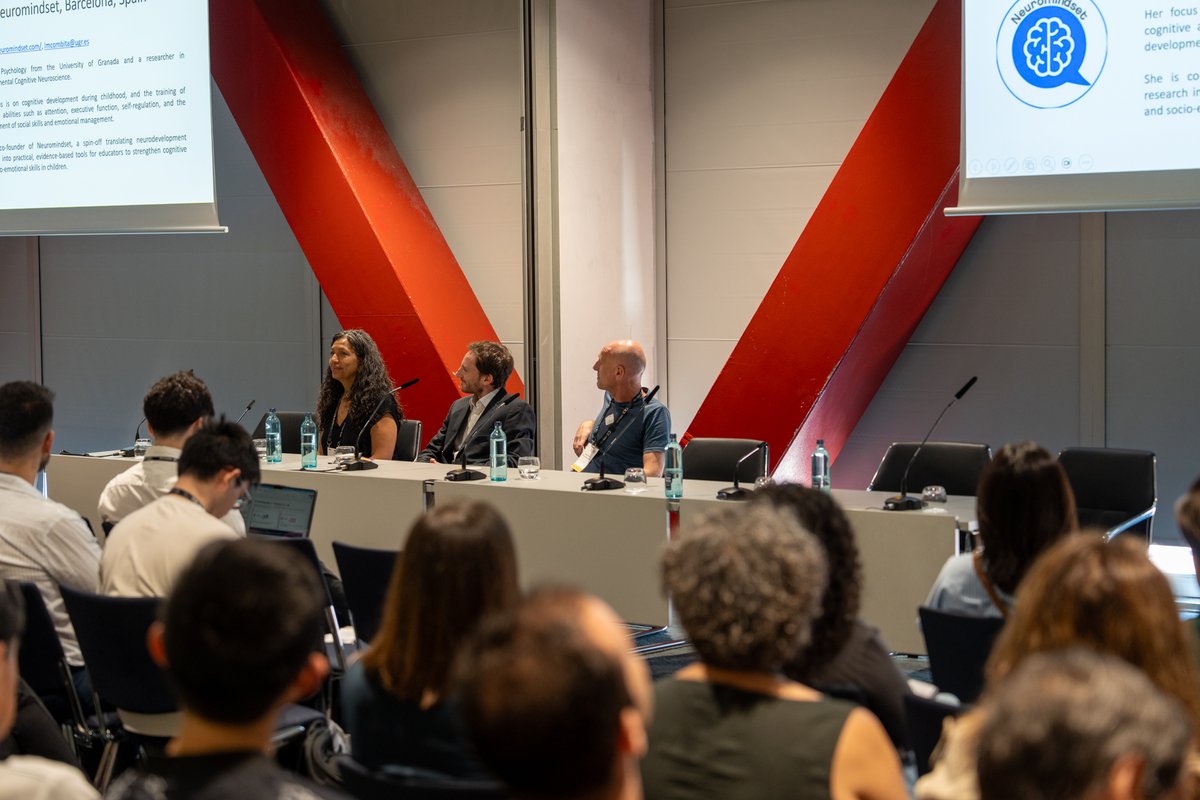
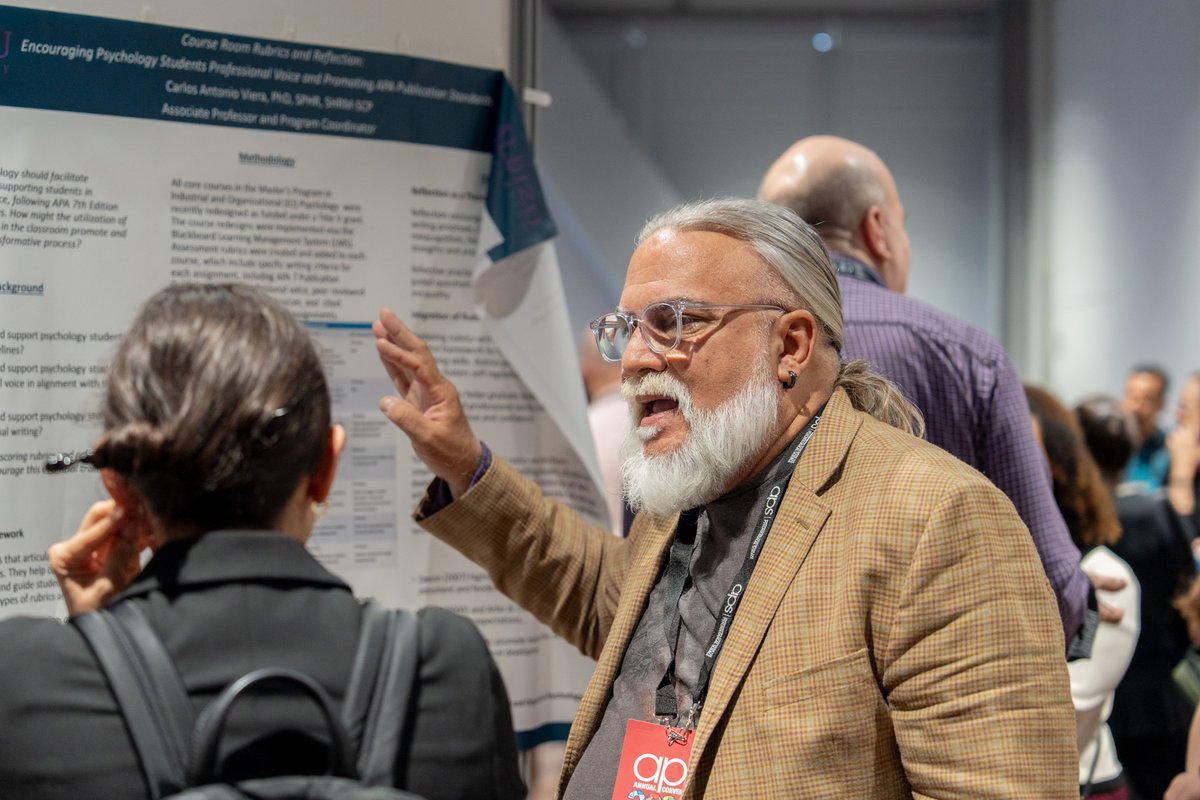
🧠 Avui arrenca l’APS Annual Convention 2026 al @CCIB_Forum. Del 28 al 30 de maig, el congrés internacional de ciència psicològica reunirà sessions plenàries, workshops, ponències, pòsters, flash talks, activitats de networking i sessions de desenvolupament professional per a investigadors i estudiants.
Enguany, el programa també incorpora sis Integrative Science Symposia (ISS) dedicats a explorar qüestions científiques complexes des de múltiples disciplines, amb temàtiques vinculades a la intel·ligència artificial, la salut mental, el desenvolupament cerebral, la cognició, el llenguatge, la cultura i les amenaces a la democràcia.
@PsychScience
-
@Fira_Barcelona
Meet @esfinn, Assistant Professor of Psychological & Brain Sciences @Dartmouth. Finn is a 2026 APS Spence Award recipient whose research focuses on individual variability in brain activity and behavior.
https://t.co/6Uv0W9vIx2
It may not be as simple as children of lower SES just being of lower ability than children of higher SES—they may have qualitatively different ways of approaching the tasks.
https://t.co/b0rKzfso3I
Generative AI and LLMs are rapidly transforming research, and psychological scientists are figuring out how to use them responsibly. Associate Editor @itskongmeng shares nine guides for using AI and big data: https://t.co/HyD8s5XD2C
Researchers explore how dampening, defined as minimizing positive emotions, can relate to depression symptoms in a new study. @liesbethbgrt#ClinicalScience
https://t.co/2RUf3hJ7HD
I'll be speaking at @PsychScience in a symposium on "Safeguarding Democracy: Polarization, Populism, and Post-Truth"
This symposium examines these dynamics and considers how democracies can build lasting resilience in the face of evolving authoritarian tactics.
Join us Saturday, May 30 (2:00 PM – 3:50 PM) https://t.co/aDaBE5um5Z
🚨 Early-career scientists & engineers: New career opportunities will drop on May 11. Responsibilities include portfolio analysis, merit review support, research engagement & data-driven insights into NSF investments. Stay tuned to the NSF Careers page. https://t.co/w3kOpKqREK