Symposium exploring how the medieval past is curated across both professional and popular society.
Visit our website to find out more and to book your place.
Welcome, weary twitter travelers, to the twitter account for The Public Curatorship of the Medieval Past symposium, a one day event which will explore how the medieval past is collected and communicated publicly.
Follow our page to keep updated with all developments and info!
With the symposium wrapped up, we would like to give a huge thank-you to all of our speakers and to all those who attended both in person and online! A wonderful day full of fruitful discussion
For those of you who missed it, watch a full replay here: https://t.co/SgZbtQn5Sr
Further to our previous tweet announcing the livestreaming of the symposium, here is the all important video link to enable you to find it! The link will also be available on our website shortly
https://t.co/SgZbtQmy2T
Afternoon all! We are glad to make the announcement that we will now be livestreaming the symposium on YouTube, meaning those of you unable to attend in person can still watch along. Find our channel here: https://t.co/P84UIVfrrF
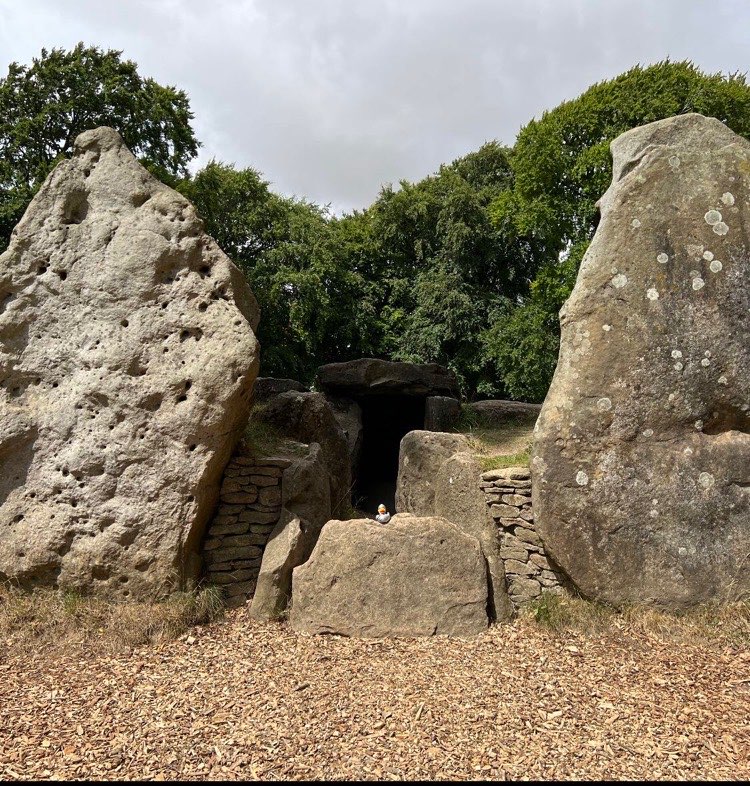
Though a Neolithic long barrow, the site draws its name from the Germanic legendary figure Wayland the Smith, known from such tales as Völundarkviða. Local tradition has it that if a horse is left at the barrow with a gold coin, the horse will magically be reshod 2/2
As it is now the week of the symposium, here is the last instalment in the thrilling adventures of Sir Quackalot's tour of Britain. For his final stop, old Quackalot has chosen Wayland's Smithy (top marks if you can spot him) 1/2
It is now the week of the symposium, and we truly cannot wait to welcome all those attending to Lincoln. If you have not yet got your ticket, do so now via the link on our website. We are also currently working on hopefully livestreaming the event, so watch this space...
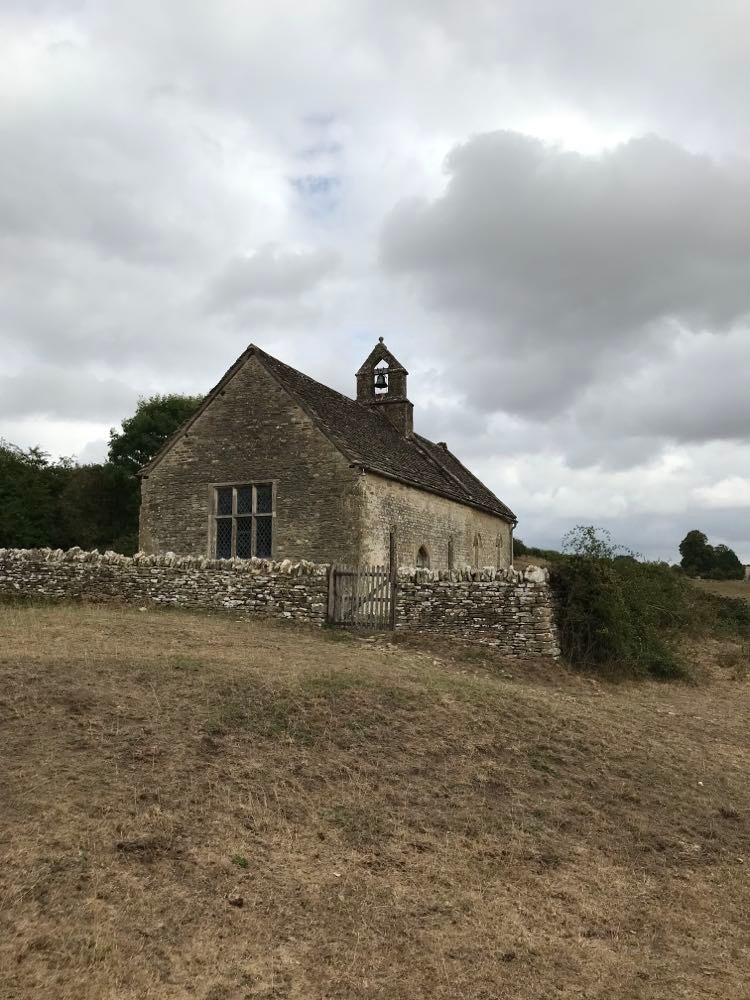
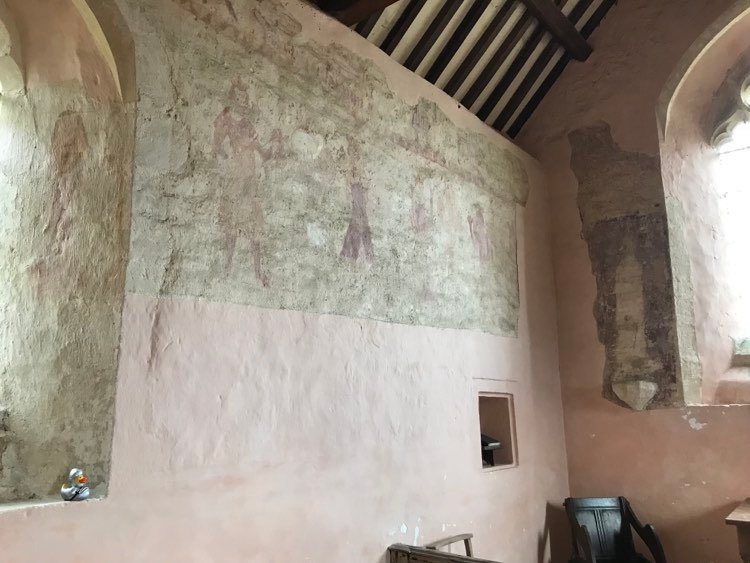
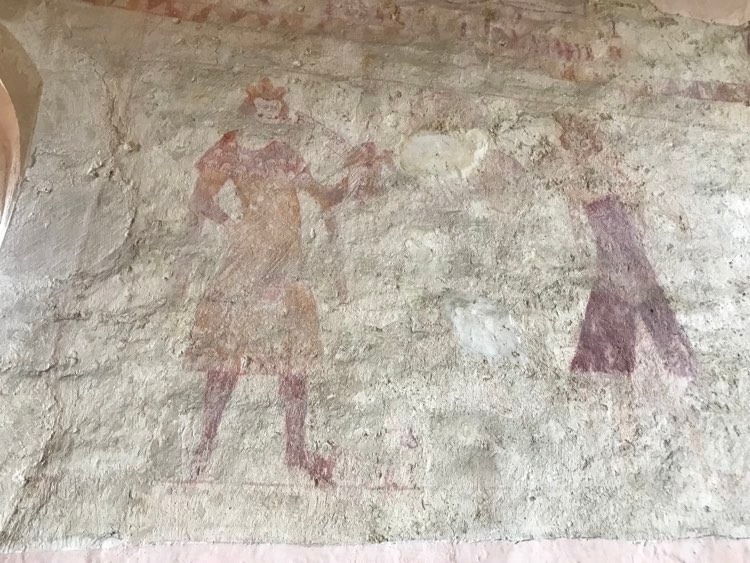
In this penultimate week before the symposium, Sir Quackalot has taken some time to reflect in St. Oswald's Church in the deserted medieval village of Widford, Oxfordshire. First built in the 13th C, its walls are still adorned with the remains of a series of 14th C paintings
Attention all in the Twittersphere! It is now only a tantalising 14 days until our symposium kicks off at the University of Lincoln! Join us to hear a series of fascinating talks and discussions lead by @RobEHoughton,@Francheskyia,@willwyeth, @CarenzaLewis, and Jeppe Christensen
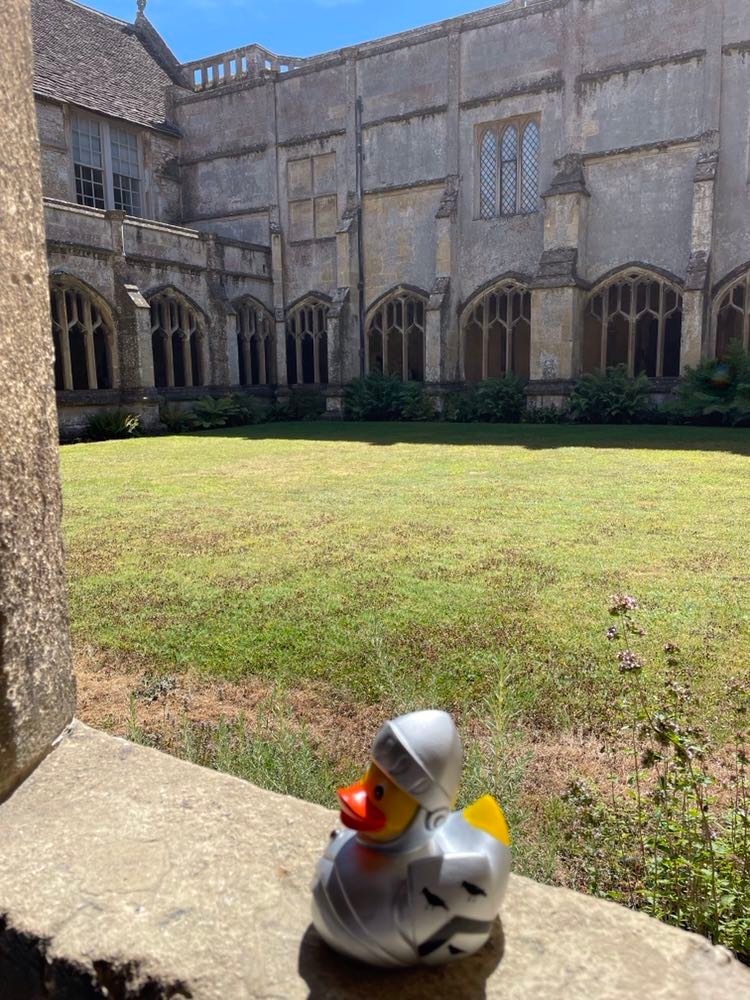
This week, Sir Quackalot has sought out the beautiful @LacockNT Abbey, Wiltshire. Founded by Ela, Countess of Salisbury, in 1232, the Abbey subsequently became a Tudor stately home. Today it's perhaps best known for it's use as a set in Harry Potter and the Philosopher's stone
@highmedieval Thank-you so much, Olivia! Sorry to hear that you wont be able to make it to the event. We certainly are intending to upload a recording of the day's events online and we will make sure to update you as and when this happens.
Having taken a week's sabbatical, Sir Quackalot is back on the trail visiting Dartmouth Castle. First constructed in 1388 to defend the thriving port town from French raids during the Hundred Years War, the castle had been in use right up to the Second World War
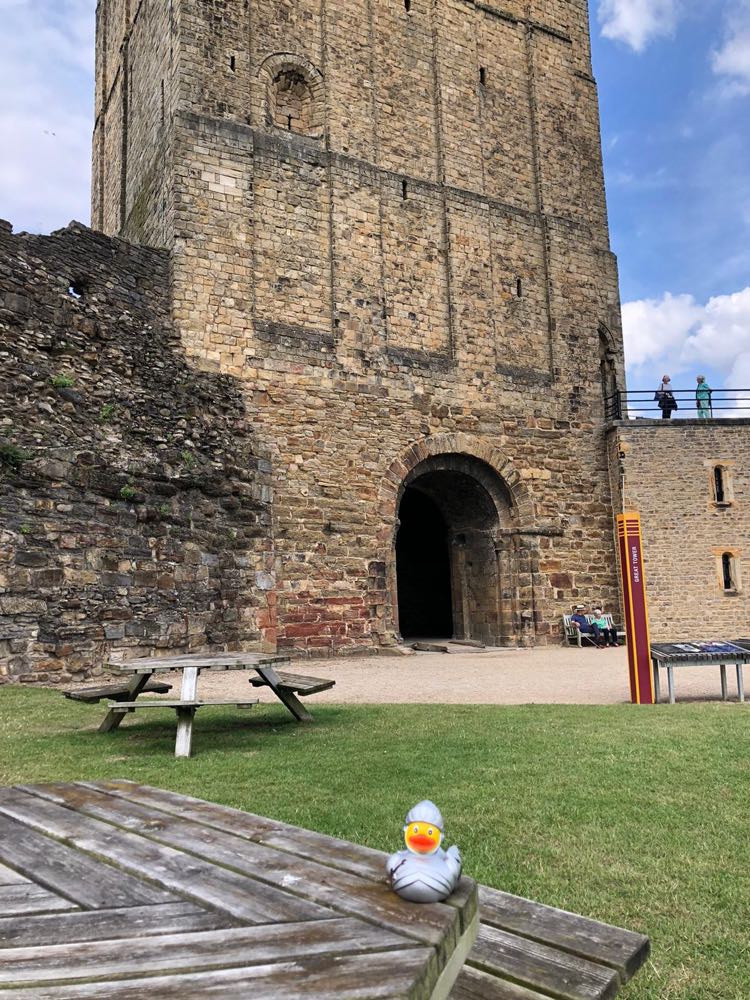
Ceaseless in his quest to feast his eyes on the numerous medieval sites around the UK, Sir Quackalot has ventured north to Richmond Castle in the Yorkshire Dales. Founded in the 1070's by Count Alan Rufus ‘the Red’, it stands as a fine example of early Norman architecture
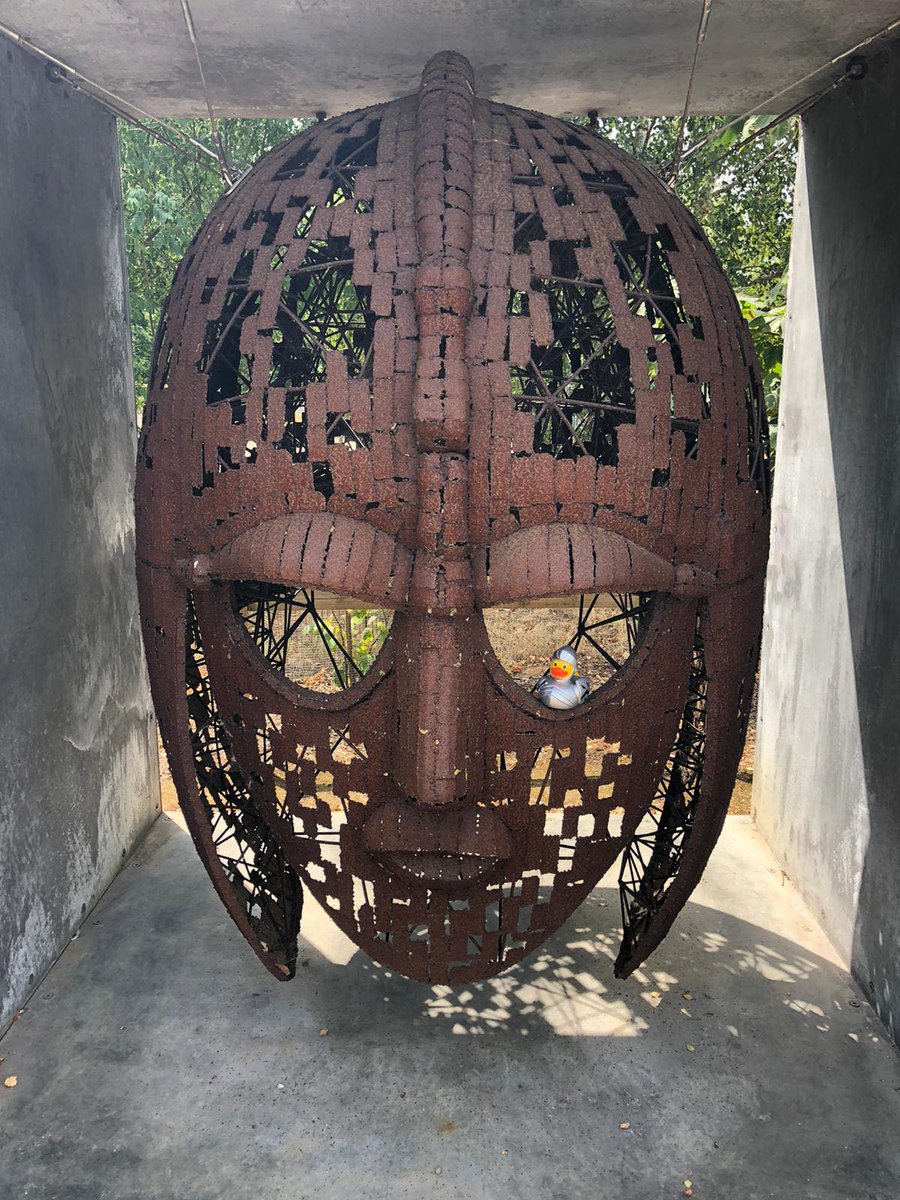
Another week, another medieval site for Sir Quackalot. This time he's resting his little webbed feet at the famous Sutton Hoo burial ground, popularly believed to be the resting place of Rædwald, king of East Anglia in the early 7th century
Next up on the tour of Sir Quackalot, we have Oxburgh Hall, the grand and opulent home of the Bedingfeld family built in 1482 now managed by the National Trust. Here Sir Quackalot strikes a most regal pose before the magnificent gatehouse of the estate.
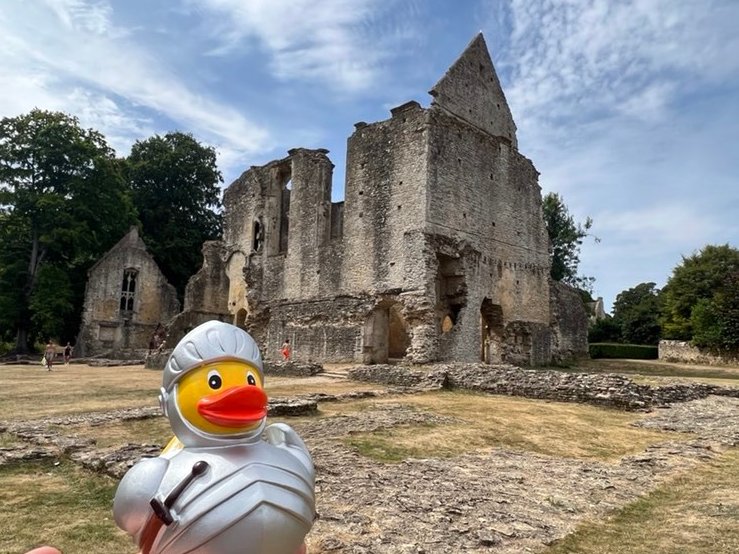
The ruins seen today are of the manor house built by the 7th baron William Lovell in the 15th Century, however the history of the site spans at least into the early medieval English period. On the banks of the Windrush river, it is now a popular wild swimming spot! 2/2
Hello all! To keep you all thoroughly entertained in the run up to the symposium, we are going to be bringing you some snaps of our trusty mascot (name suggestions welcome) at various medieval sites across the country. First up: Minster Lovell ruins 1/2