@atrupar This speech and the new campus might just inspire future generations of young Americans to develop a badly needed stubborn optimism for their democracy.
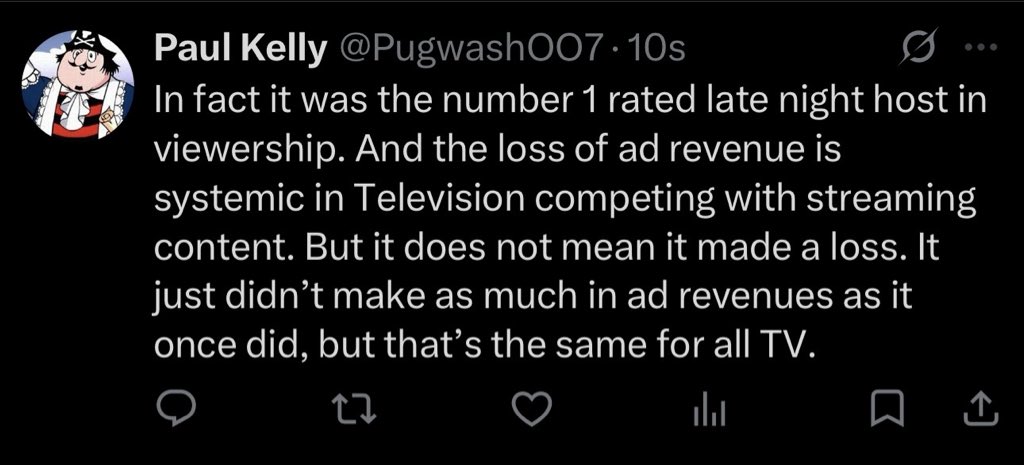
@StacyAllenPower@ML3democrats In fact it was the number 1 rated late night host in viewership. And the loss of ad revenue is systemic in Television competing with streaming content. But it does not mean it made a loss. It just didn’t make as much in ad revenues as it once did, but that’s the same for all TV.
@LoveIntegrity9 Any police officer resorting to kicking the head of an individual while that individual is lying on the ground (in this case after being tasered) should be stood down immediately and bundled out of the job with extreme prejudice.
@Anthony_Klan Disgraceful. We can’t allow this type of disproportional violence from authorities and thuggery to take ahold in our democracy as it has elsewhere. Thank you for reporting and keeping focus on the scourge of state sanctioned brutality.
Essentially the NSW govt had acted beyond its constitutional powers in its attempts to curtail rights of legitimate protest. Governments and their police hierarchy should heed this judgement and restrain their own conduct in response to the voices of peaceful protesters.
Last weeks decision of the NSW Court of Appeal in Jarrett v State of New South Wales offered a correction to unsettling images of Police over-reaching their powers at protests supported by govt sanctions.
The Act restricted the freedom of political communication in an unlawful way. It was not a legitimate purpose to seek to preserve social cohesion by discouraging all forms of public assembly.
The court made these observations to explain the principles underpinning the constitutional protection of public assemblies when assessing the burden on freedom of political communication imposed by the govt by legislative means.
“Speech is often provocative and challenging. It may strike at prejudices and preconceptions and have profound unsettling effects as it presses for acceptance of an idea.”
The court said:
“Political expression may be erudite, respectful and sophisticated, but it may also be confronting, upsetting and provocative. Protests can involve appeals to emotion rather than reason.”