Recently, we derived an analytical expression for the geometric #quantum#complexity of quantum fields on cosmological backgrounds. This formula provides a new tool for analyzing the complexity of primordial quantum inhomogeneities in the #Universe. https://t.co/fxhTAURAn5
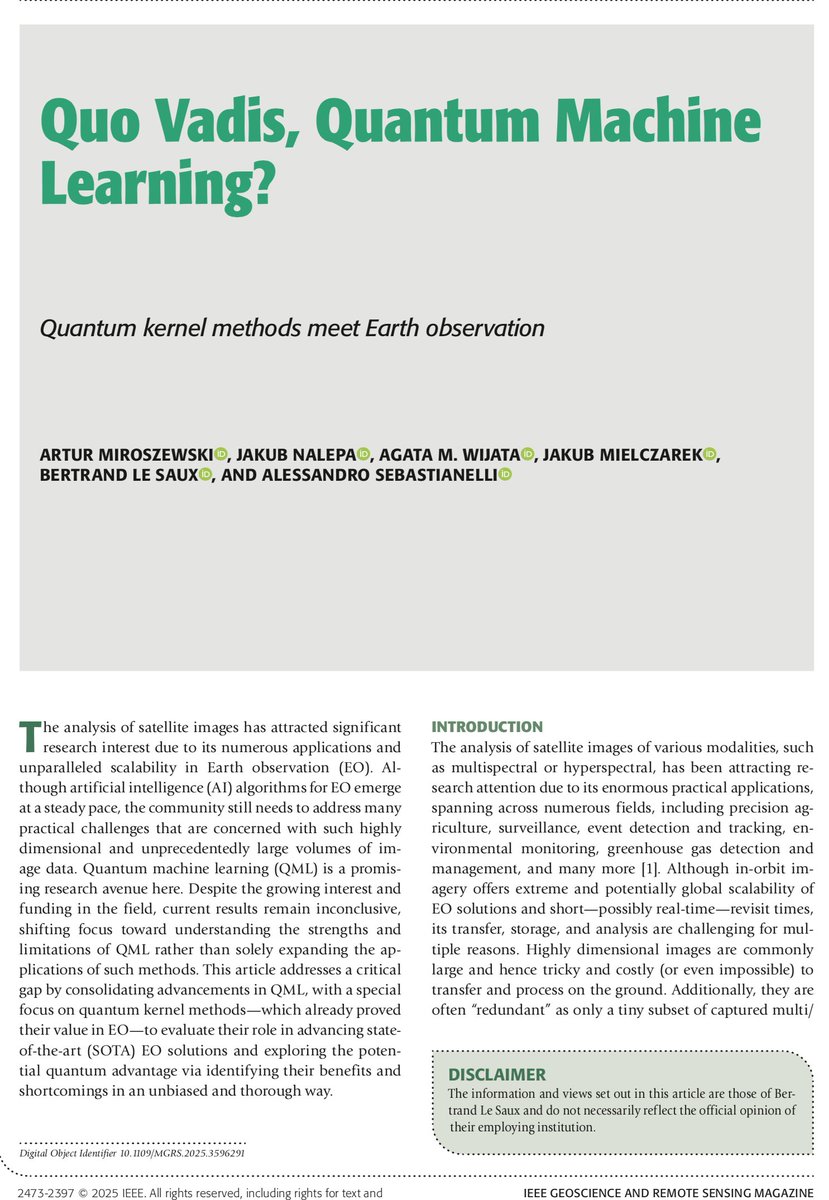
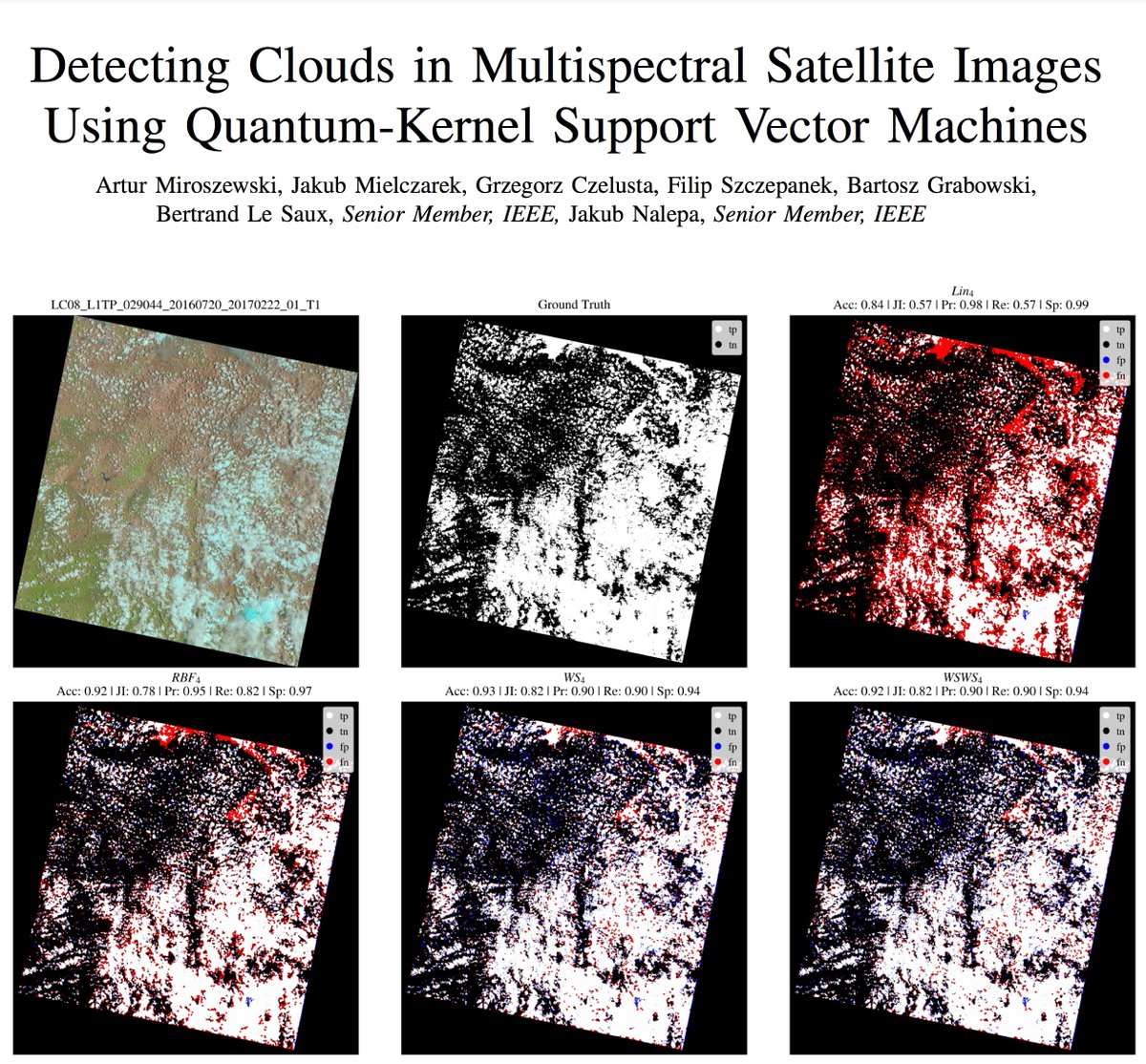
Our recently published review paper on Quantum Machine Learning, with an emphasis on its application to satellite data analysis. #QML#Quantum https://t.co/uBOsODibAV
Spin networks play a fundamental role in loop #quantum#gravity, representing the quantum states of space. In our new preprint, we propose generalizing spin networks to open quantum systems. #LQG#QuantumGravity https://t.co/U4nGzadNjf
In our new article, we introduced a tensor network representation for a class of geometric states in loop #quantum#gravity. This opens new prospects for understanding the relationship between loop quantum gravity and holographic duality. #LQG https://t.co/wUL3b6IHdw
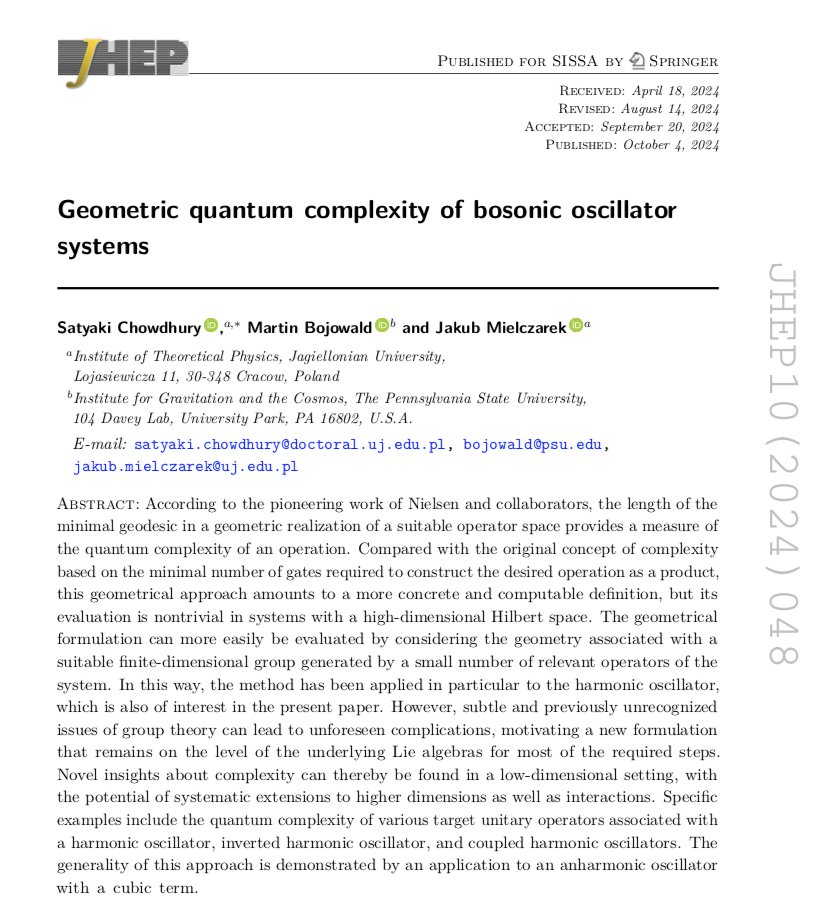
Our article on geometric #quantum#complexity has been published in the Journal of High Energy Physics (JHEP). We are currently working on applying these results to understand the complexity of quantum gravitational systems. https://t.co/9CaReSohfx
Sharing our recent results on geometric quantum complexity. The newly developed methods have enabled us to calculate the complexity of scalar fluctuations in the de Sitter universe. The findings confirm that complexity grows on scales beyond the horizon. https://t.co/QKu1bvnQAL
It is quite surprising but in our new article, we have demonstrated that Planck-scale effects may result in a sizable accumulation of quantum squeezing of light over astronomical distances. #QuantumAstronomy#QuantumGravity https://t.co/SIQOrqVSex
We are happy to announce that our recent article on #quantum analysis of #satellite data has just been published in the IEEE Journal of Selected Topics in Applied Earth Observations and Remote Sensing. The article is accessible through Open Access: https://t.co/fjodYluIHG
I'm sharing my thoughts on the issue of the computability of reality and how we try to study it through quantum simulations of physics at the Planck scale. https://t.co/kU0cbMYOQH #quantum#cosmos#computing#QuantumGravity#LQG
Happy to share our new article on the geometric approach to quantum complexity. I'm delighted to have collaborated with my brilliant Ph.D. student, Satyaki, and Martin Bojowald, on the project. https://t.co/VFuf5CzptP #quantum#complexity#geometry
One of our two contributions to the International Geoscience and Remote Sensing Symposium @igarss 2023 is available at https://t.co/K3BgEL1naE . This piece of research explores an optimization procedure for #quantum kernels tailored specifically for satellite data analysis.
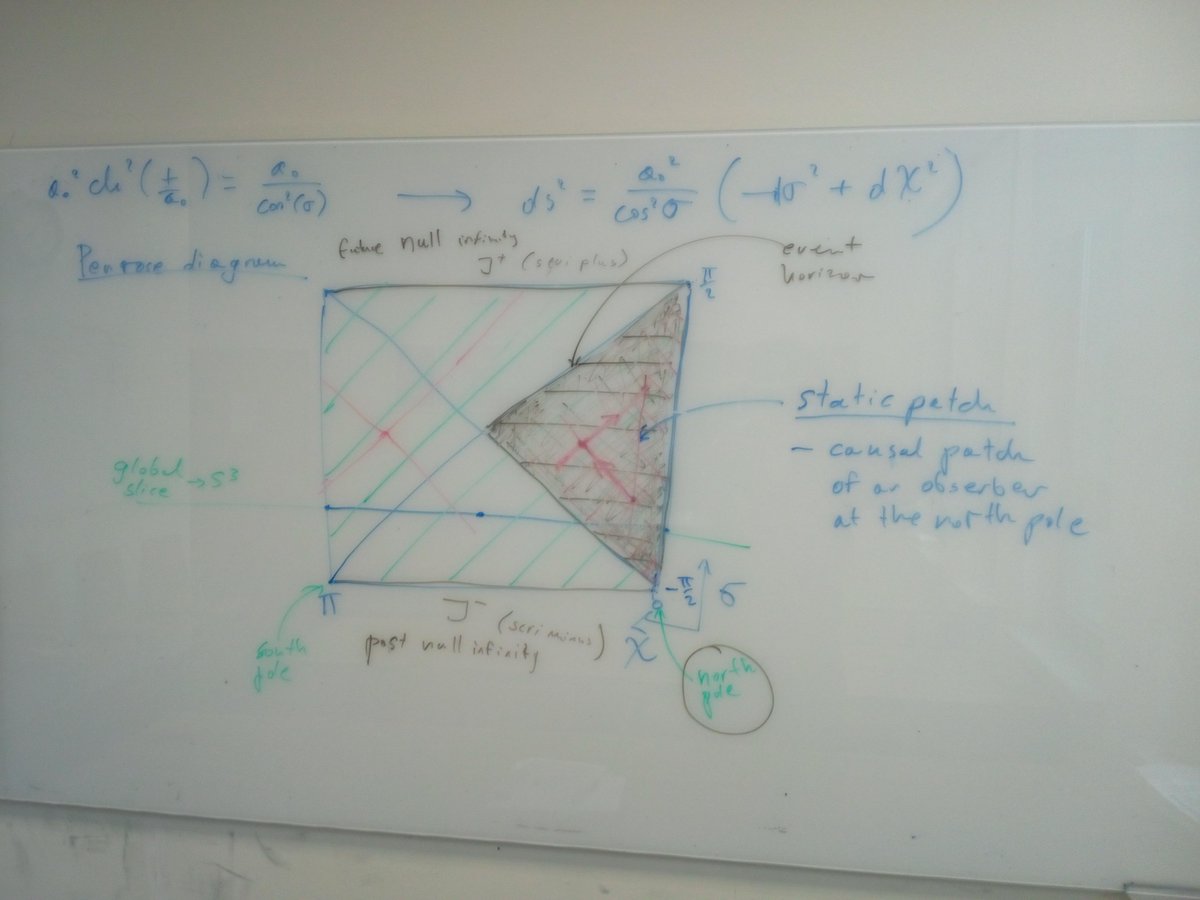
Every event horizon has a specific nonzero temperature. Today, I explained to my #quantum#gravity course students how it works for de Sitter's cosmological horizon. The Penrose diagrams are invaluable in the teaching process.
Experience the ease of simulating quantum spacetime by playing with our Python & PennyLane codes (used in our recent preprint "Quantum circuits for the Ising spin networks" (arXiv:2304.03559)) shared on GitHub: https://t.co/VJ4i7wIie4 #LQG#Quantum#QuantumGravity
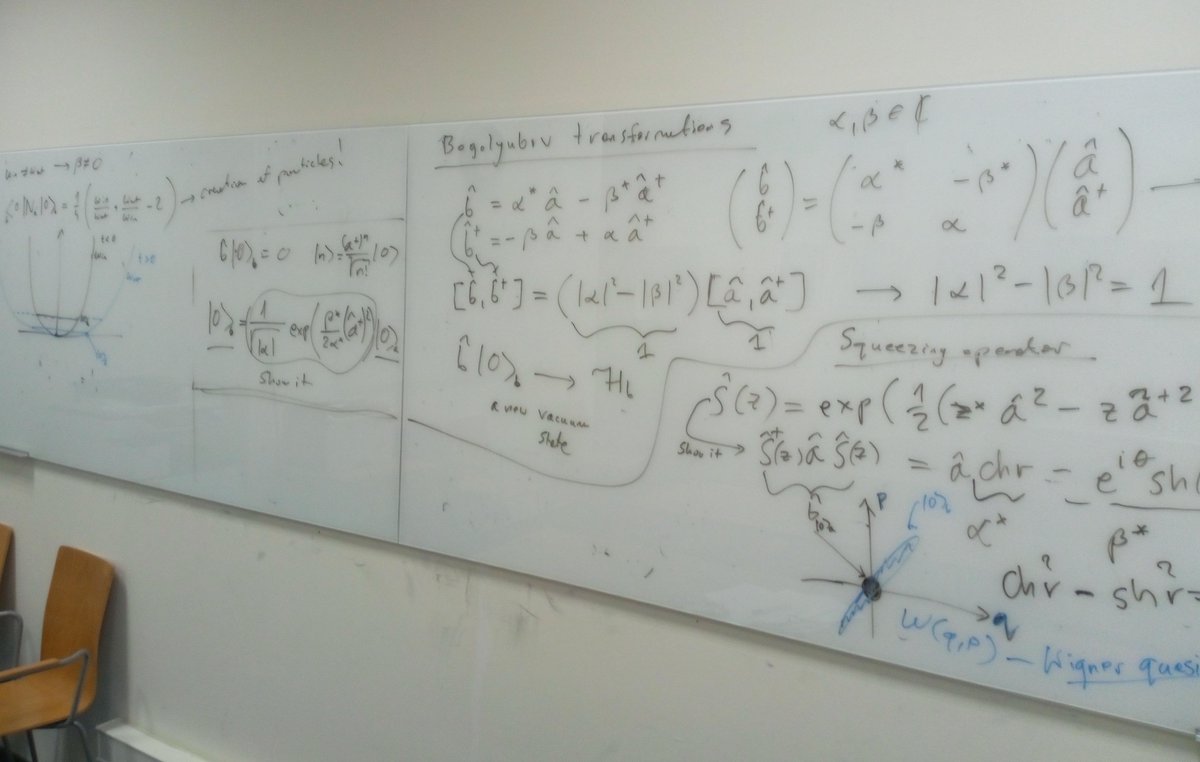
It gives me great pleasure to teach about Bogolyubov transformation and quantum particle creation. I cover this topic at the beginning of the discussion of quantum field theory on the curved spacetimes as a part of my Introduction to #Quantum#Gravity course. #QuantumGravity
Our next step toward large-scale quantum simulations of quantum spacetime, which may bring us an understanding of the possible emergence of classical spacetime from the quantum degrees of freedom (atoms of space). https://t.co/kqf3X2Adph #Quantum#Gravity#QuantumGravity#LQG
On today's arXiv, you can find the first results from our @esa co-funded project on applying quantum machine learning to satellite data analysis, conducted in collaboration with @labs_kp and #ESAPhilab. https://t.co/modY9Ai4iY #quantum#space
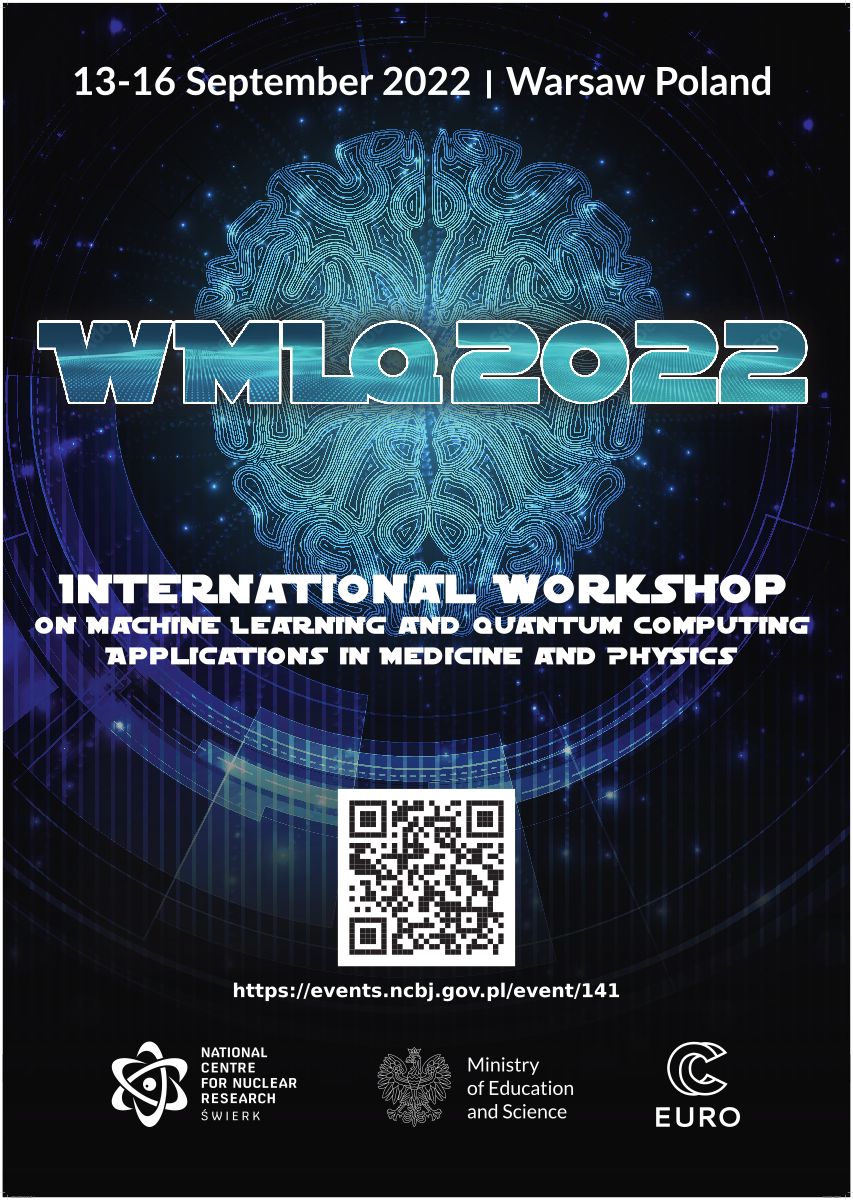
Let us recommend the interdisciplinary workshop WMLQ 2022 which will start tomorrow in Warsaw. @QuantCosm will be represented by Artur Miroszewski (PostDoc) and Grzegorz Czelusta (Ph.D. student), who will give their talks on the first day of the workshop. #Quantum#ML