Most researchers are aware of the fact that #transcription doesn’t always correlate to #translation.
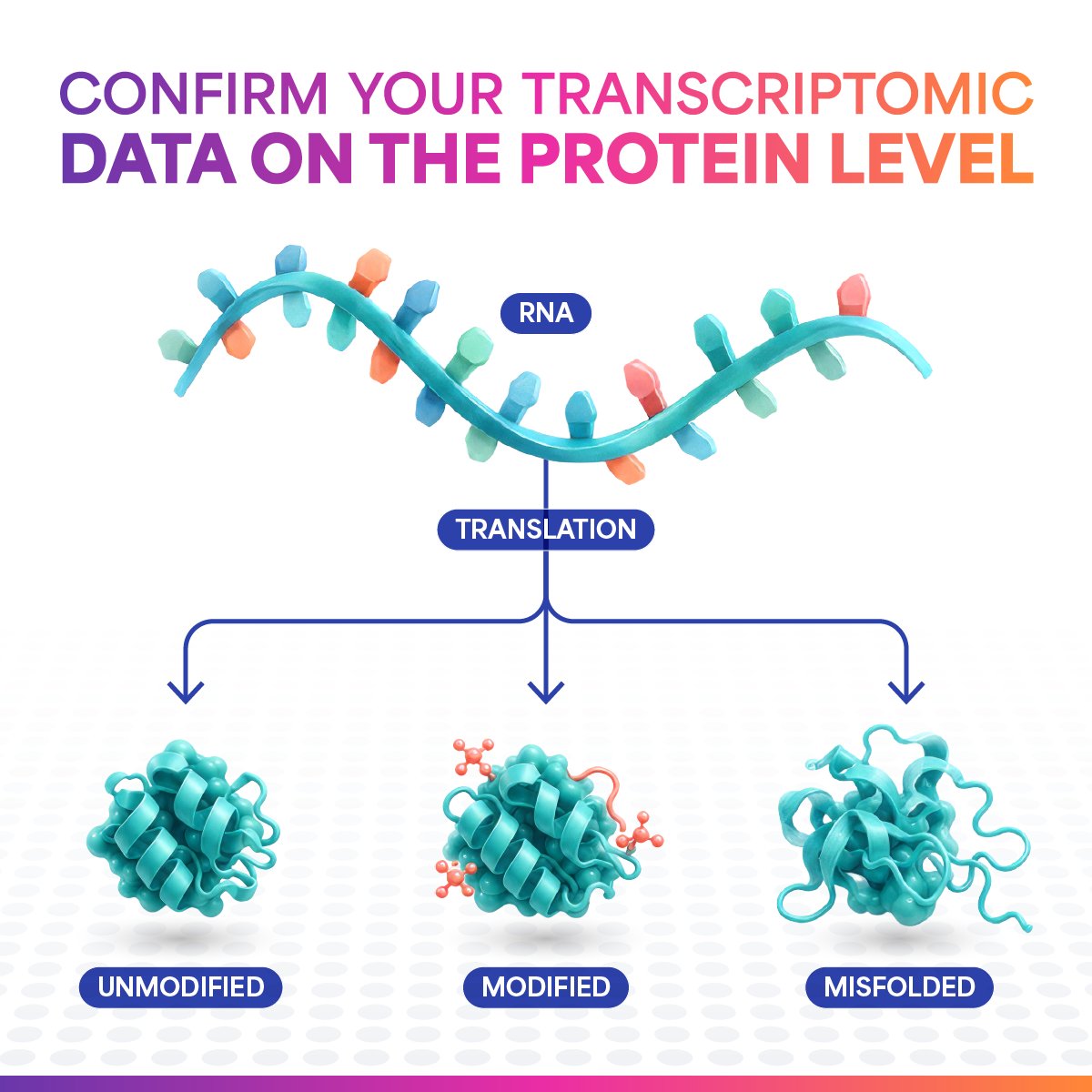
While #mRNA carries the instructions for protein synthesis, multiple steps influence which proteins are produced and how they function.
mRNA splice variants can lead to multiple isoforms of the same protein. These proteins themselves exist as multiple different #proteoforms, each with their own unique post translational modifications.
For researchers looking to connect #transcriptomic findings to biological protein-level evidence, investigating whether an expected protein is present, which form it takes, and what modifications it carries can help researchers build a more complete picture of the proteins they are studying.
Predicting a protein change and confirming it are two different steps. Is your RNA transcript actually expressed?
#QSI #SingleMoleculeProteinSequencing #Proteomics #Multiomics
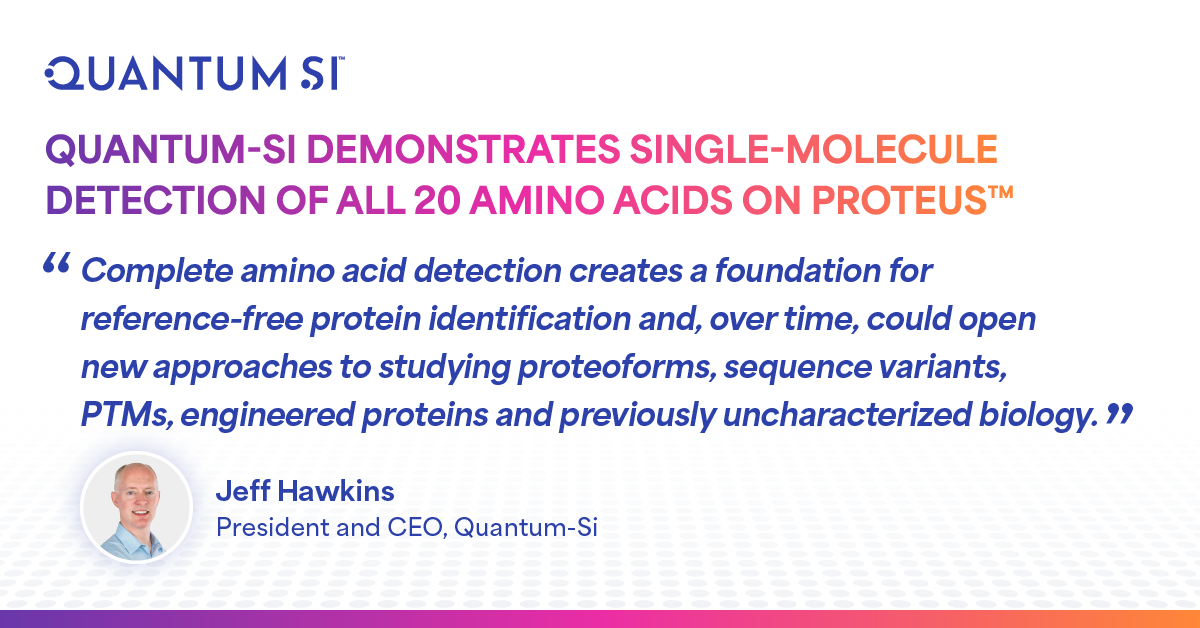
Quantum-Si has been working relentlessly toward detecting all 20 amino acids, and today we're excited to announce that all 20 have been demonstrated on Proteus™.
Read the full press release here:
https://t.co/PmpxYCxYLP
#Proteomics#SingleMoleculeProteinSequencing#AminoAcids #Proteus $QSI
What are #proteins and why are they important?
Immune response, muscle movement, energy creation, the list is endless. Proteins provide structure, function, and regulation by carrying messages, transporting molecules, and drive chemical reactions that keep us alive.
Proteins are built from chains of amino acids and that order determines how a protein folds, interacts with other molecules, and what it can do.
The relationship between sequence, structure, and function is critical. Changes in a proteins sequence or folding can affect how it works. Certain changes can disrupt cellular processes and contribute to disease.
Studying proteins helps researchers investigate how our bodies work, what changes in disease, and where treatments might make a difference.
Welcome to Back to Basics, our series exploring proteins and the field of #proteomics.
#SingleMoleculeProteinSequencing $QSI
@Quantum-Si is an official sponsor of the newly reorganized Proteoform Alliance, formerly the @TopDownProteome Consortium, in their expanded mission to unlock the full potential of #proteoformBiology.
Read the Press Release: https://t.co/wtW29YXGQ4
In case you missed it, our presentation at World HUPO is recorded and up on the website now. The latest data on Proteus™ is now released demonstrating sequencing performance including scale, signal quality, accuracy and more.
Watch the recording here: https://t.co/93MirFuiDJ
#QSI #ProteinSequencing #HUPO26 #Proteomics #Multiomics #HUPO2026 #SingleMolecule #Proteus
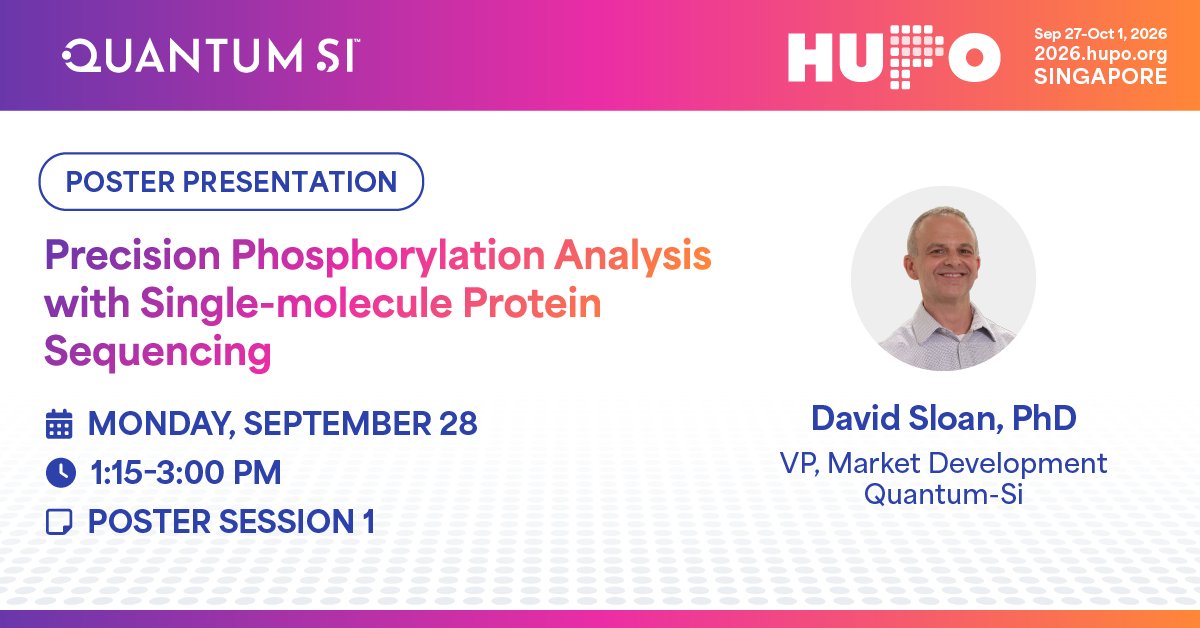
World HUPO is getting closer and we are excited to present how single-molecule protein sequencing can detect #phosphorylation. Reduce the number of steps and specialized equipment it takes to get information on your #PTMs.
Stop by booth 130 or our poster on Monday, September 28 to see the data.
#QSI #ProteinSequencing #WorldHUPO #HUPO26 #Proteomics #Multiomics
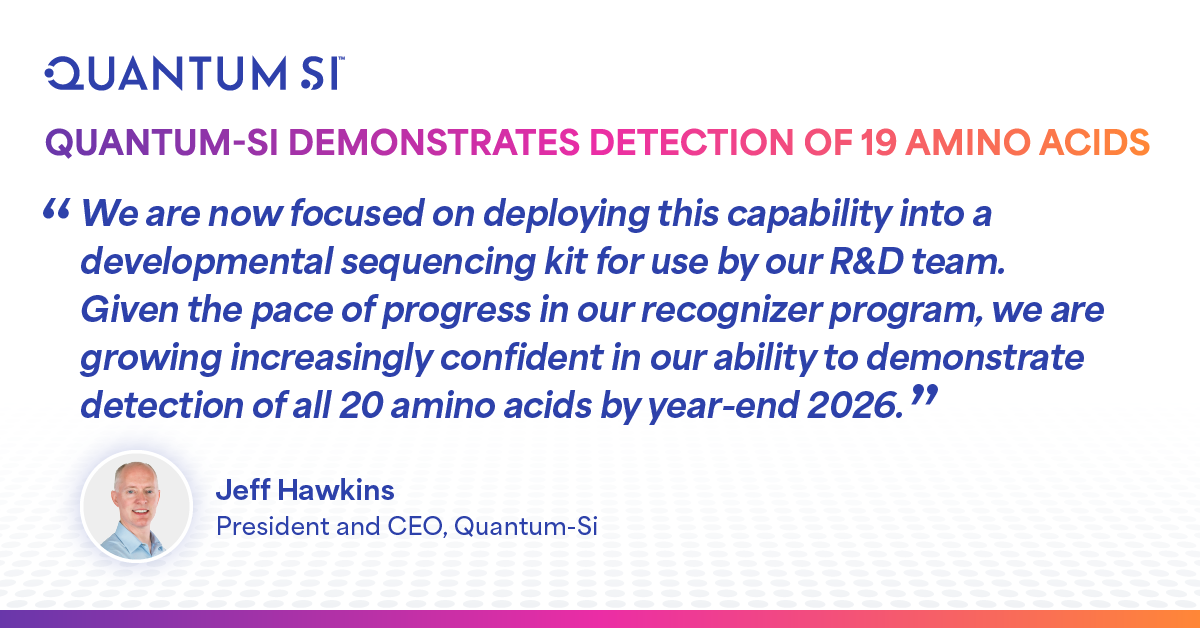
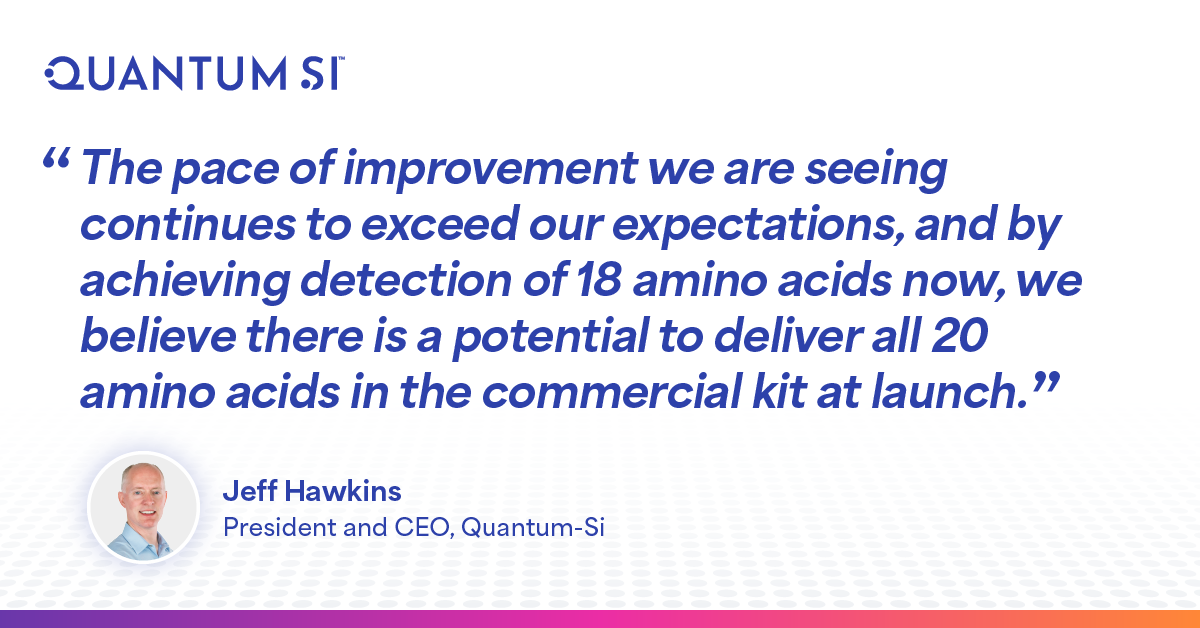
Another milestone achieved on Proteus™. Quantum-Si has demonstrated sequencing with detection of 18 amino acids using a developmental kit run on integrated Proteus instruments.
Read the full PR here: https://t.co/baPadrWaU7
$QSI #Proteus#Proteomcis#SingleMolecule
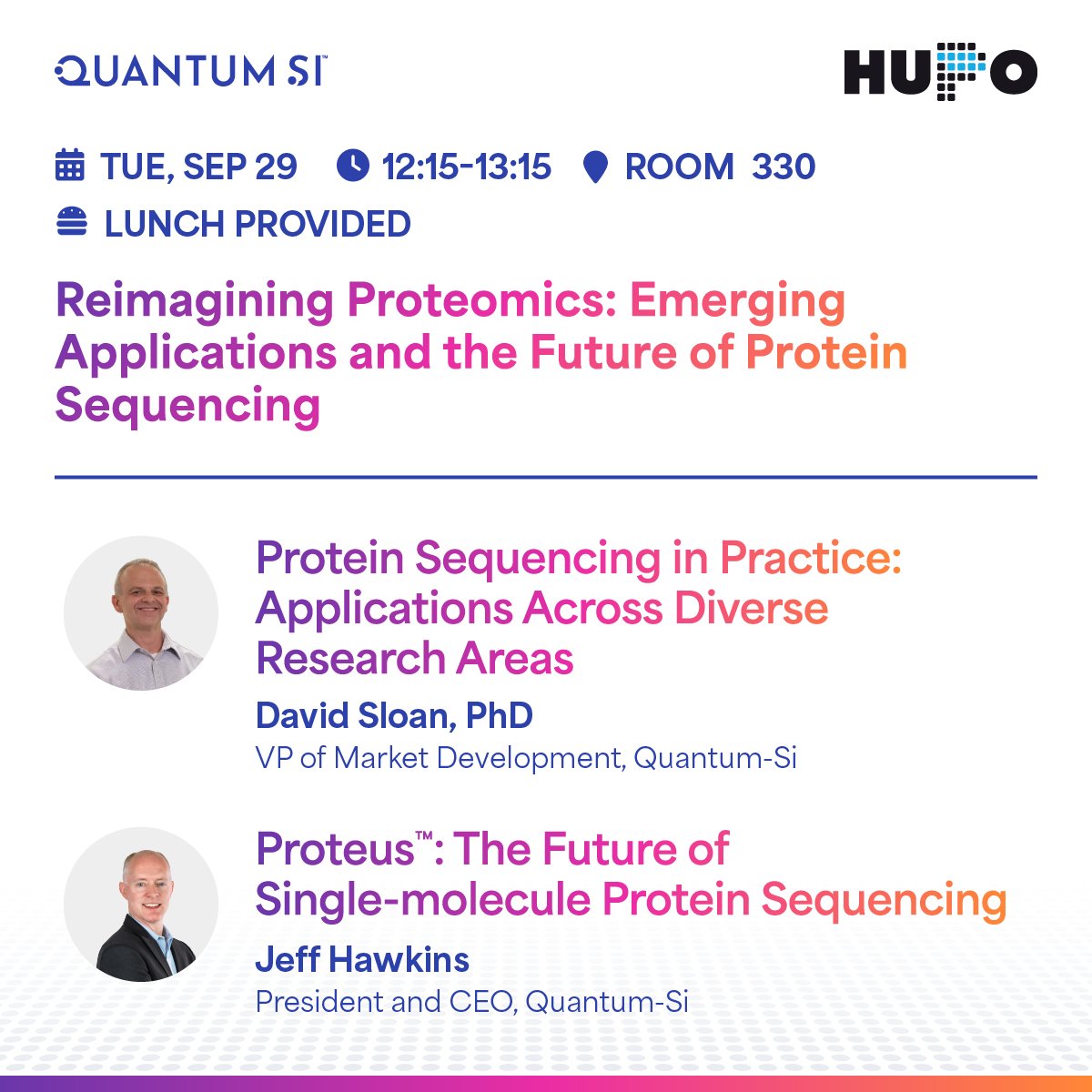
Quantum-Si is reimagining what's possible with #proteomics. Join us for a special lunchtime session at World HUPO as we reveal advancements in single-molecule protein sequencing.
Hear directly from CEO, @Jeff_Hawkins_MI, and VP of Market Development, David Sloan, PhD, as they share where the field is headed and what it could do for your research.
#QSI #WorldHUPO #HUPO2026 #SingleMolecule #ProteinSequencing
Detecting a variant is only half the story.
In many areas of biology and medicine, identifying that a protein variant exists is just the beginning.
The next challenge is determining exactly which variant is present.
In this study, researchers explored the use of next-generation protein sequencing on the Quantum-Si Platinum® platform to directly identify clinically relevant #hemoglobin #variants from patient samples by observing variant-specific amino acid substitutions.
Using single-molecule protein sequencing, the team was able to distinguish between multiple candidate hemoglobin variants and identify specific variants that could not be unambiguously resolved through conventional screening methods alone. Independent LC-HR-MS analysis confirmed the findings.
While this work focused on hemoglobinopathies, it highlights a broader theme in biology: direct protein-level information can provide critical insights when multiple candidates appear similar through traditional approaches.
Read the full poster: https://t.co/01xVl5iiTR
#QSI #Proteomics #ProteinSequencing #ProteinVariants #ProteinCharacterization #SingleMolecule $QSI
Join Quantum-Si's CEO, @Jeff_Hawkins_MI, on September 15 for a fireside chat at the H.C. Wainwright 28th Annual Global Investment Conference. Jeff Hawkins and CFO, @JeffKeyes_QSI, will be taking one-on-one meetings throughout the day.
PR: https://t.co/Ol6iFfgU2d
#QSI#HCW2026
Quantum-Si earnings call is set for August 13. @Jeff_Hawkins_MI, President and Chief Executive Officer, and @JeffKeyes_QSI, Chief Financial Officer, will report financial results for the second quarter of 2026.
Read the full PR here: https://t.co/ND7CgUYDbG
$QSI #Proteomics #SingleMolecule
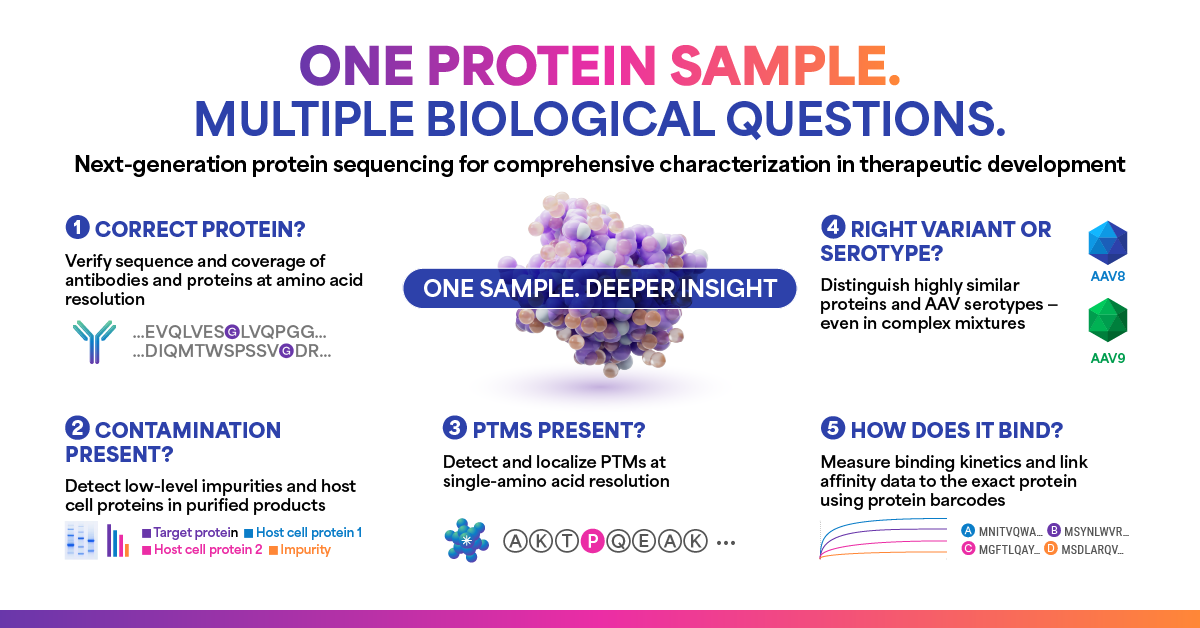
What if one protein assay could answer multiple questions at once?
Developing modern biologics often requires a collection of specialized analytical tools.
One workflow may be used to verify protein identity. Another to assess purity. Another to characterize binding interactions. Yet another to distinguish closely related variants.
In this work, researchers explored how next-generation protein sequencing on the Quantum-Si Platinum® Pro platform can support multiple aspects of protein characterization, including antibody sequencing, impurity detection, AAV mixture resolution, and single-molecule binding analysis.
The study demonstrated sequencing of PD-L1 and trastuzumab variable regions, detection of low-level AAV contamination, identification of purification impurities, and characterization of nanobody binding interactions across a broad affinity range.
As biologics continue to grow in complexity, researchers increasingly need approaches that help connect protein identity, composition, and function.
Read the full poster: https://t.co/bI03wjtlLr
#QSI #ProteinID #PDL1 #ProteinVariant #Proteomics #Multiomics #SingleMolecule
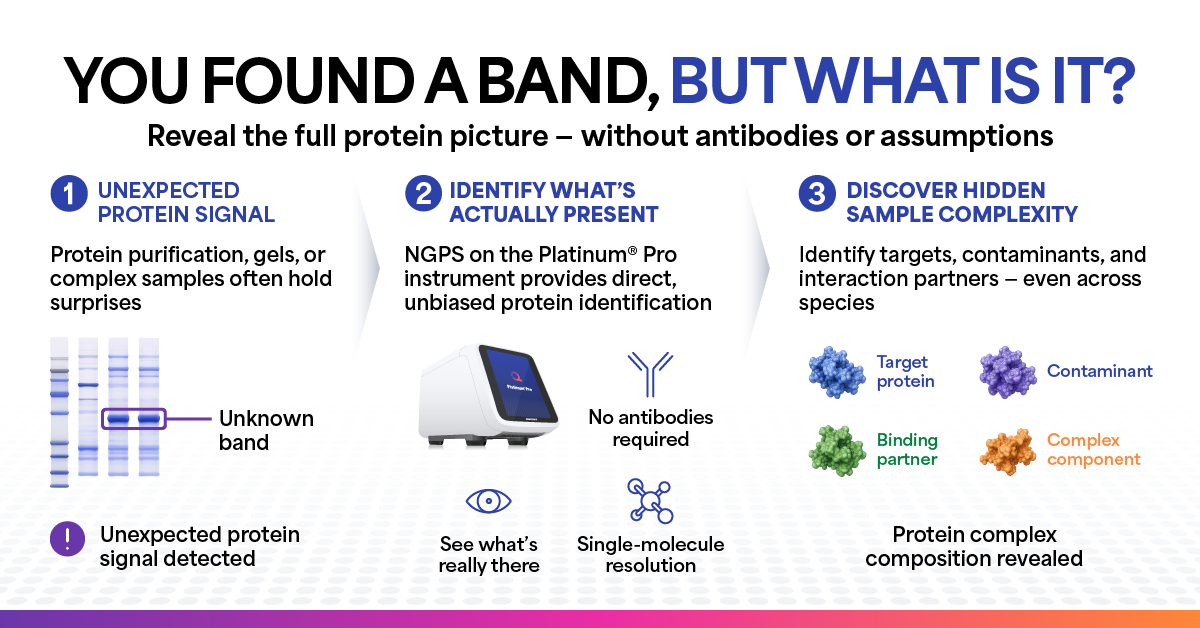
What if the most important protein in your experiment wasn't the one you set out to study?
Protein analysis often starts with a hypothesis: a target protein, a specific antibody, or an expected interaction.
But biology isn't always that cooperative.
Unexpected contaminants, unknown protein bands, and complex protein assemblies can all influence experimental outcomes—and can be difficult to fully characterize using traditional approaches.
In this study, researchers used next-generation protein sequencing on the Quantum-Si Platinum® Pro platform to directly identify proteins, assess purification quality, investigate unknown gel bands, and analyze the composition of multi-protein complexes.
The work highlights how direct protein-level analysis can help researchers move beyond confirmation of expected targets toward a deeper understanding of everything that may be present within a sample.
Sometimes the most valuable discovery isn't the protein you were looking for—it's the one you didn't know was there.
Read the full poster: https://t.co/EjwxtuGJlq
#QSI #Unknownbands #ProteinID #Westernblot #SDSPage #ProteinCharacterization
The @USNRL's work on rapid pathogen detection has been peer reviewed and published in ACS Omega. Learn more about Quantum-Si's single-molecule protein sequencing platform and read the full paper here: https://t.co/X53OrSneh5
#QSI#PathogenDetection#ToxinDetection #ProteinIdentification #SingleMolecule
The genome doesn't tell the whole story.
Two cells can carry the same DNA, produce the same protein, and yet behave very differently.
Why?
Because proteins are constantly being modified after they are made.
These post-translational modifications (#PTMs) help regulate signaling pathways, protein activity, cellular aging, and countless other biological processes. Yet many of these changes can be remarkably difficult to detect and characterize.
In this study, researchers used next-generation protein sequencing on the Quantum-Si Platinum® platform to investigate multiple classes of PTMs, including #phosphorylation, #citrullination, #deamidation, and amino acid stereochemical variants.
The work highlights how direct protein-level analysis can reveal biologically important changes that may not be apparent from DNA sequence alone.
As researchers continue to explore increasingly complex questions in cancer biology, aging, and disease mechanisms, understanding protein state, not simply protein identity, will become increasingly important.
Read the full poster: https://t.co/TisV7UX9e8
What if a protein could teach us how to drug itself?
Many of today's most effective oncology therapies work by turning a protein's normal biology against the cancer cell.
But identifying the specific regions of a protein that can produce these therapeutic effects remains a major challenge in drug discovery.
In this work, researchers combined deep mutational scanning with protein-level characterization to identify dominant protein variants that reveal actionable biology within DNA damage response pathways.
Using #nextgenproteinsequencing on the @Quantum_Si Platinum® platform, the team investigated how specific protein variants can be identified, tracked, and characterized as part of a Mutational Target Mapping (MTM) workflow.
By mapping how individual variants alter protein function, the researchers uncovered residues, interfaces, and mechanisms that may help guide future therapeutic development.
It's an exciting example of how protein-level insights can help researchers move beyond simply identifying targets toward understanding how those targets can be strategically manipulated.
Read the full poster: https://t.co/Xa3fI4xhur
#proteinvariants #mutationaltargetmapping #QSI #Platinum