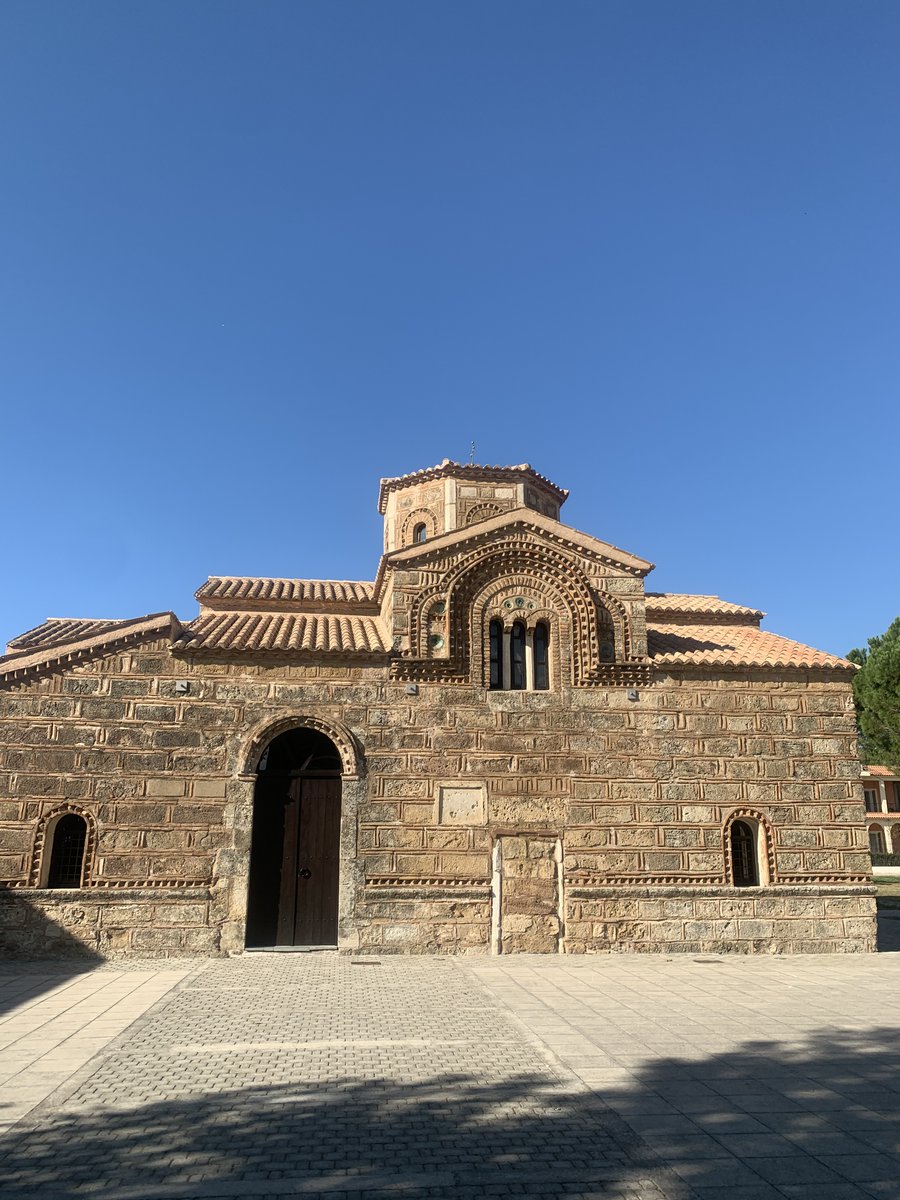
Here I am discussing my article just published in Colloquium: ‘Were there house-churches in early Christian times?’. This one must have taken me a couple of millennia to write 😆 https://t.co/HOXwsTPvaq
Byzantine writers spoke of a need to crush or pummel the heart. I try to explain what they meant by this enthusiasm for self-punishment in a paper for the AEMA conference this week: https://t.co/gljBqaWQrw
I’ve had something else in the oven related to bread, a text called ‘Perish the thought: fermentation and rot in the medieval imagination’. It’s an open-access publication, thanks to the largesse of Melbourne University
https://t.co/H4R3jPo5u7
About 40 years ago I noticed a phrase that I suspected was unique to Byzantium. I dreamed of gathering all the instances of this trope, trace its origins and explore its theological meaning. Now I finally got to satisfy my curiosity.
https://t.co/8bW2u2brbP
I am not so sure. Here are another 50 sonnets added to The Australian anti-war memorial
https://t.co/gPi55xowXX
agonizing about the links between protest and violence
I honour the people who refused to fight in wars that we should never have joined. But wars don’t always give you much choice. My speculations in The Australian anti-war memorial
https://t.co/gPi55xp4Nv
newly augmented with tales of art vandalism and a critique of decolonization
Today is the sixth anniversary of the death of our beloved Polixeni Papapetrou. Her immortal imagination and the love of her memory inspired me to write these Eclogues to Polixeni:
https://t.co/k5fyNCkPGl
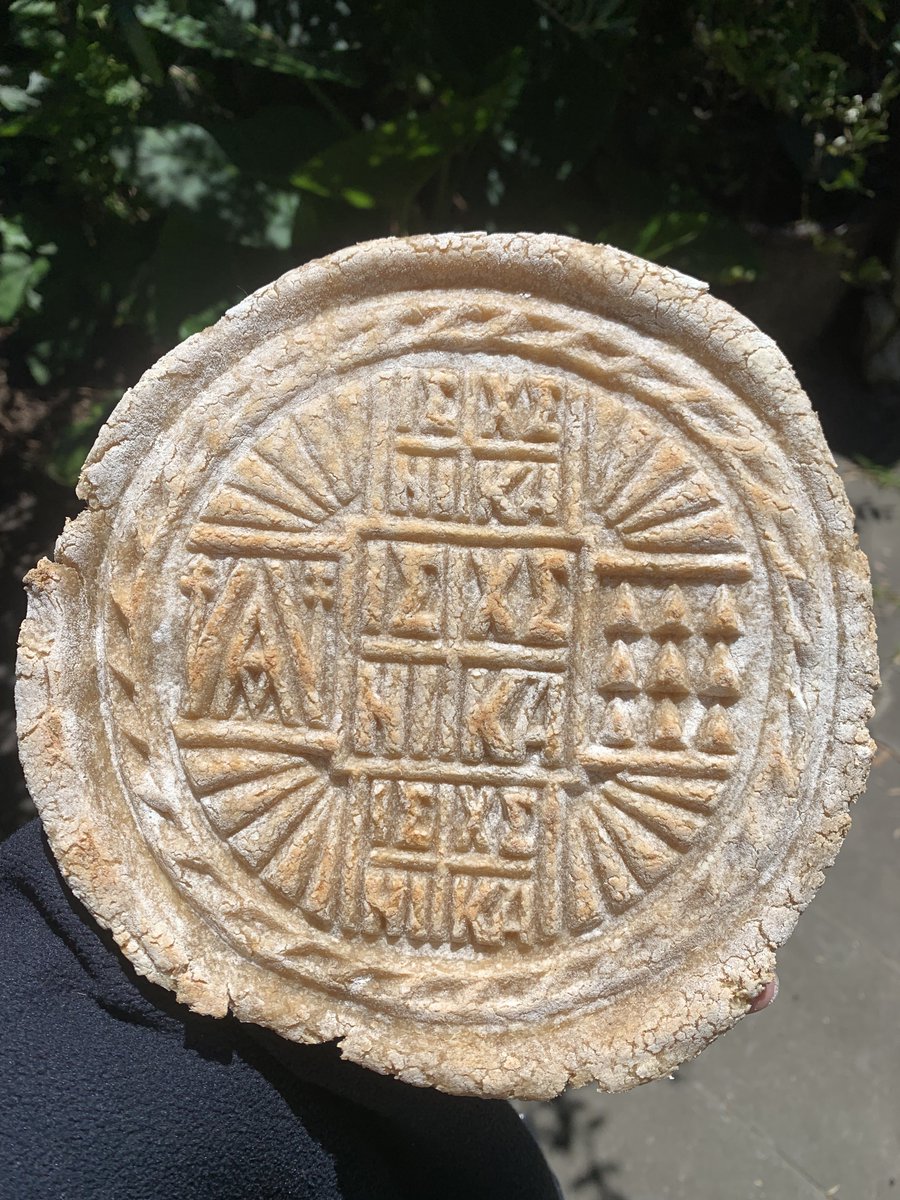
A eucharist of sourdough or wafer? What a thousand-year-old religious quarrel tells us about fermentation - by Robert Nelson (Melbourne) @R0Bsez@ConversationEDU https://t.co/YQhWpEP5oj