We have a PhD studentship available at Brunel University London to investigate lamin A mutations, relevant in laminopathies, in inducing alterations to the nuclear envelope. @Bruneluni@BrunelPhDs@Joeybadger https://t.co/TkNT6HYKJT
A funded PhD project has become available at Brunel University London, Department of Life Sciences with the deadline of 7 June 2023. Please follow the link below for more information about admission and to apply:
https://t.co/PBuGe0xgId
The Department of Life Sciences (@LifeBrunel) at Brunel University London (@Bruneluni) is now a proud winner of Athena Swan Silver award (@AdvanceHE) for achievements in the area of gender equality within the Department. #AthenaSwan | #GenderEquality
Happy to share with you our latest #systematicreview led by @diromiza. We found that evidence on gene-diet interactions on CVD is limited and lacks correction for multiple testing, replication, and sample size consideration.
https://t.co/RrjWZJKr5W
Study of 90 obese volunteers on calorie restriction got extra benefit from time restriction eating and 40 percent wanted to continue after the 14 week trial period. “To shed the pounds don’t eat after 3pm”
https://t.co/E1hB3bw2aX
Our latest mendelian randomisation analysis on causal effects of alcohol consumption is published in Nutrients. @Nutrients_MDPI https://t.co/iG0Cx3qFaI
Patients with high urinary sodium should be cautioned on the potential increased impact of alcohol consumption on blood pressure. @Healthcare_MDPI@aifbw@FDrenos
https://t.co/DVhWC3ZyTu
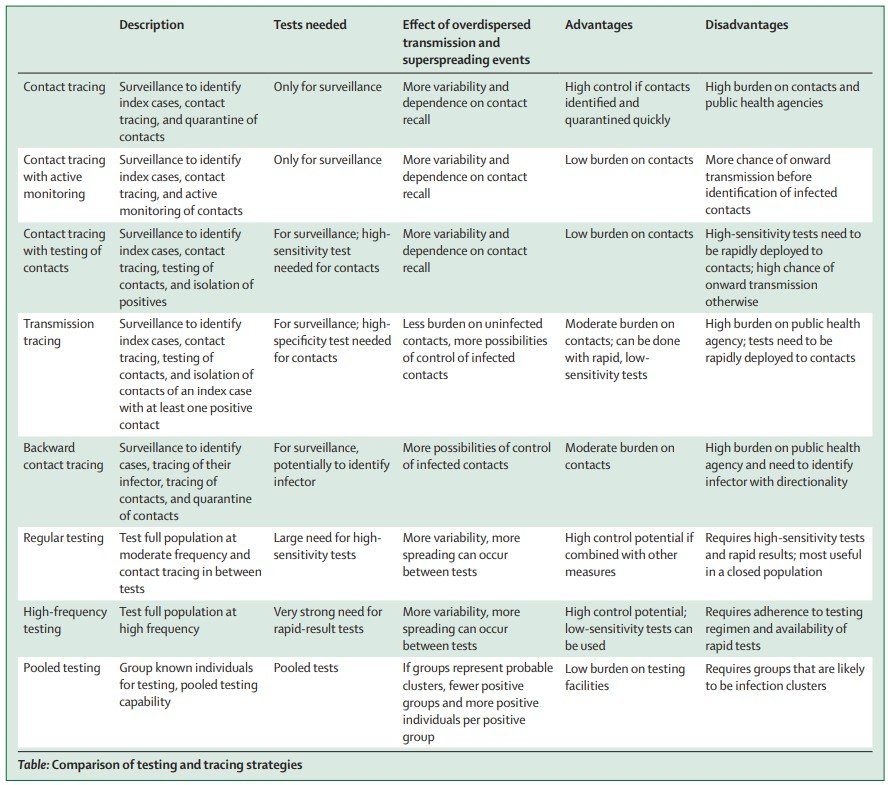
Editor's Pick—How do different contact tracing & testing methods work? What resources are needed for each? How do features of #COVID19 transmission influence their effectiveness?
Read the Personal View by @LeeKShaffer et al. in @LancetMicrobe. https://t.co/ruHV0RW6aY
Are you interested to apply machine learning approaches to identify genetic and clinical risk factors for cancer and cardiovascular diseases? then have a look at our fantastic position for a postdoctoral scientist. https://t.co/yyZR2MEvWX
We need to know more about the new strain of SARS-CoV-2 mentioned by Matt Hancock before drawing any alarming conclusions. Mutations are common in viruses. Previous mutations have not had a great impact on the infectivity of the virus or the seriousness of the illness it causes.