This slide flips the usual narrative.
Per capita, Madagascar has less than half the forest area of the USA — around 4,030 m² per person vs 9,110 m². @originpositive#naturepositive
Madagascar earns much less than USA—how can it protect vital forests. That’s structural bias. Deforestation isn’t moral failure; it’s human economic gravity.
Forests must earn more standing than cut—through value at origin.@OriginPositive#Raisetrade#Naturepositive
Trade is mutually beneficial for origin and destination countries. Protectionism, Tarriff will cause poverty for origin and destination countries, bringing various risks to economies and societies across the world
By supporting Raisetrade-certified products, consumers can contribute to sustainable development and economic growth in developing nations, fostering a more equitable global trade system.
This approach ensures that a more significant portion of the profits remains within the country, supporting local economies and providing consumers with products that have clear provenance and unique flavor profiles.
For example, in the chocolate industry, Raisetrade encourages producing chocolate entirely within cocoa-growing countries. This means that instead of merely exporting cocoa beans, countries like Madagascar process the beans into finished chocolate products locally.
strategy not only increases local employment and skill development but also boosts tax revenues that can be invested in essential services like education and healthcare.
Traditional trade models often involve exporting raw commodities to developed countries, where they are processed and branded, capturing the majority of the value. In contrast, Raisetrade emphasizes adding value at the source by developing products of origin
Raisetrade is an initiative aimed at enhancing economic value within countries of origin by promoting the local processing and manufacturing of commodities, rather than exporting raw materials.This approach seeks to reduce the economic disparity between developed and developing
Raisetrade is an initiative aimed at enhancing economic value within countries of origin by promoting the local processing and manufacturing of commodities, rather than exporting raw materials.This approach seeks to reduce the economic disparity between developed and developing
Countries with 1% or less wealth (GDP) per capita compared to USA.
Guinea-Bissau
Liberia
Chad
Congo, Dem. Rep.
Malawi
Eritrea
Yemen, Rep.
Somalia
Niger
Mozambique
Madagascar
Sierra Leone
Central African Republic
Syrian Arab
Afghanistan
Burundi
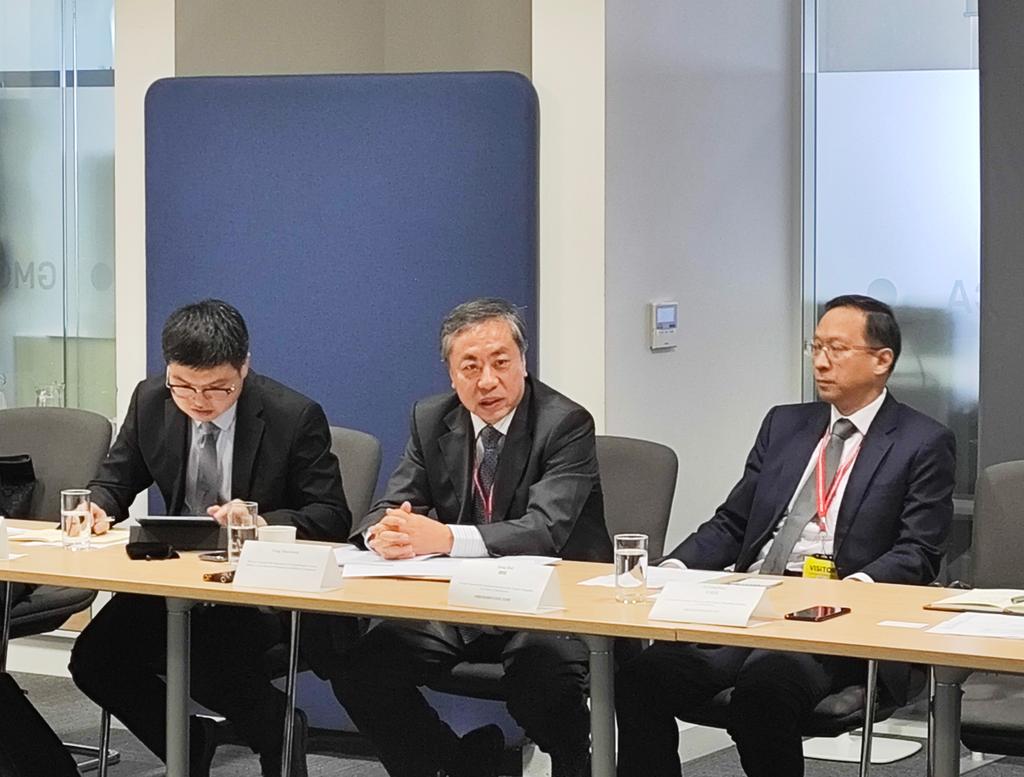
Today, Consul General Tang Rui accompanied China's NDRC delegation on their visit to Manchester. fruitful meetings took place with GMCA and local businesses, focusing on economic and trade cooperation.
I was delighted to present a talk at Chippenham's first ever Eco Future Fest on my work with my wife Diana over the last 17 years setting up a small chocolate business and our partnership with @ChocMadagascar
and @Raisetrade I hope you like it 🤞😁
https://t.co/tt6vRCK9oi