The Arctic Tern has one of the farthest migrations of all birds. They migrate from the high Arctic to Antarctica which totals 18,600 miles each year. #ccbirds
A recent study found that cats living in the wild, or indoor pets allowed to roam outdoors, kill from 1.4 billion to as many as 3.7 billion birds in the continental U.S. each year. #keepyourcatinside#ccbirds
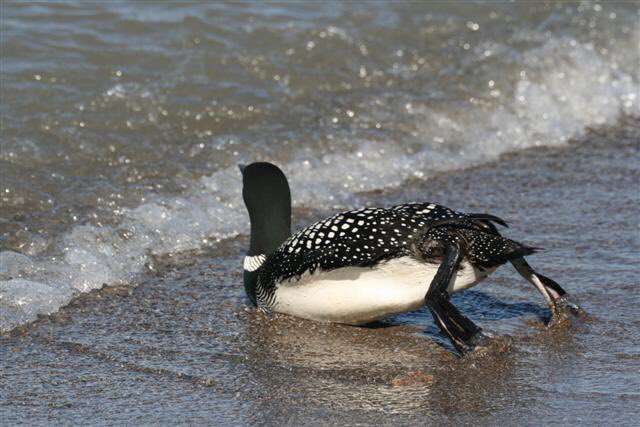
The placement of a loon's legs at the far back of their body make it very challenging for them to walk on land. This is why they spend most of their time in the water. #ccbirds
Weather surveillance radar can also be used to study bird migration. Unfiltered data will show the direction and time of day that large groups of birds travel. #ccbirds https://t.co/w1wLmh6ihM via @YouTube
Owls have fixed eye sockets which means their eyeballs can’t rotate. Therefore they have to move their necks to follow an object or to scan an area. Owls can rotate their necks up to 270 degrees. #ccbirds
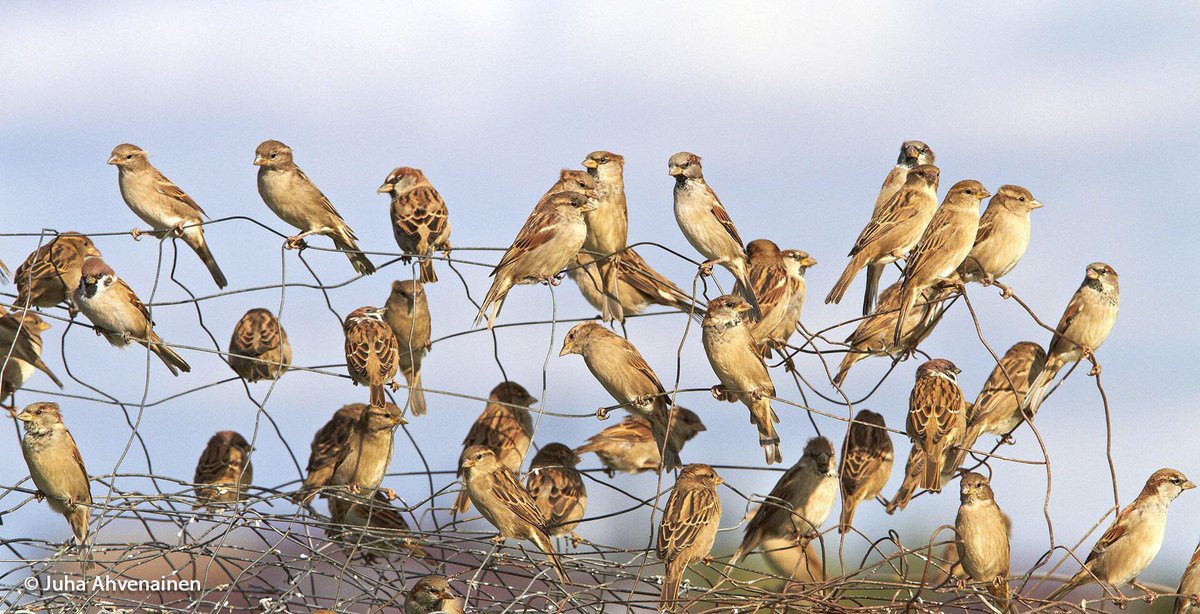
Birds exist in nearly every habitat on Earth. Emperor penguins are able to endure the bitterly cold Antarctic winter. Conversely, there are certain sparrows and larks that live in extremely hot and dry desert conditions. #ccbirds
Birds in embryo will develop an egg tooth to aid in hatching.This is a calcified structure on the tip of their bill. However, it is only temporary and drops off a few days after hatching. #ccbirds
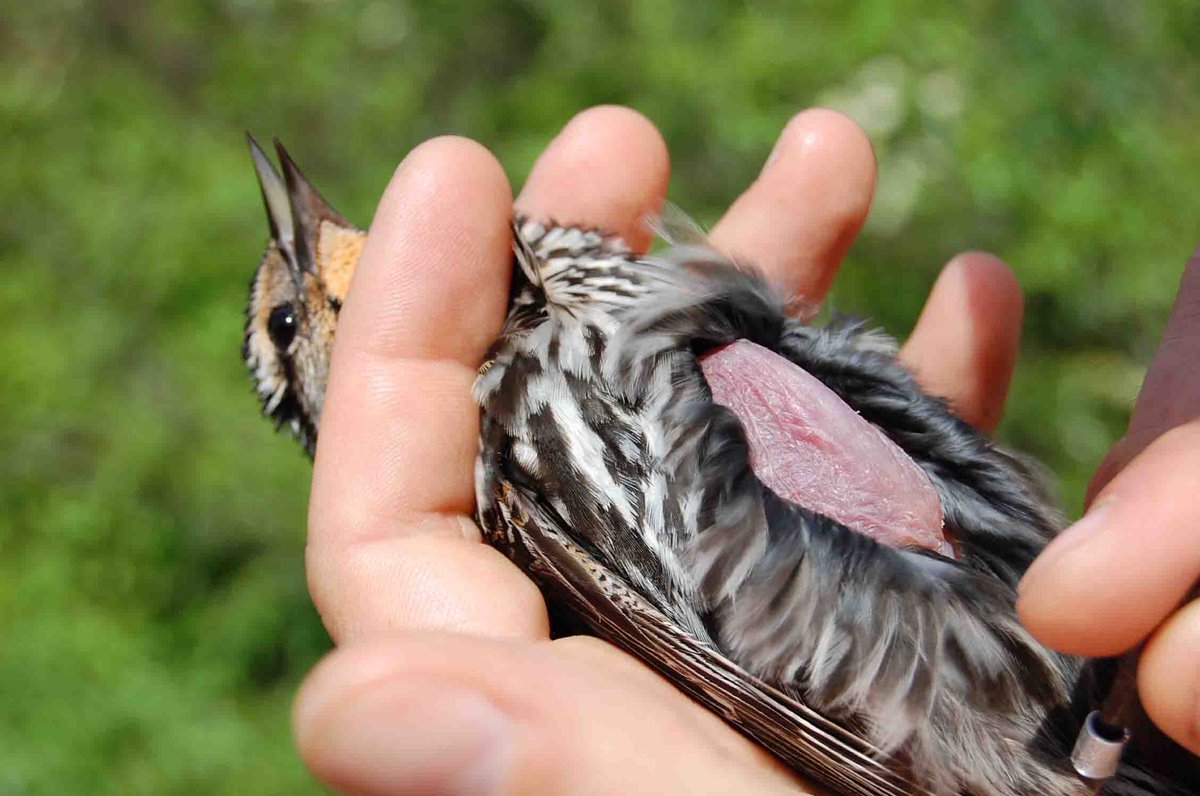
Birds will lose feathers on their breast during the breeding season and this patch of skin is highly vascularized to transfer heat to their eggs during incubation. #ccbirds
Bowerbirds have an interesting courtship behavior where they build unique structures consisting of sticks and brightly colored objects such as flowers or feathers. Males do this to attract the attention of females they hope to mate with. #ccbirds
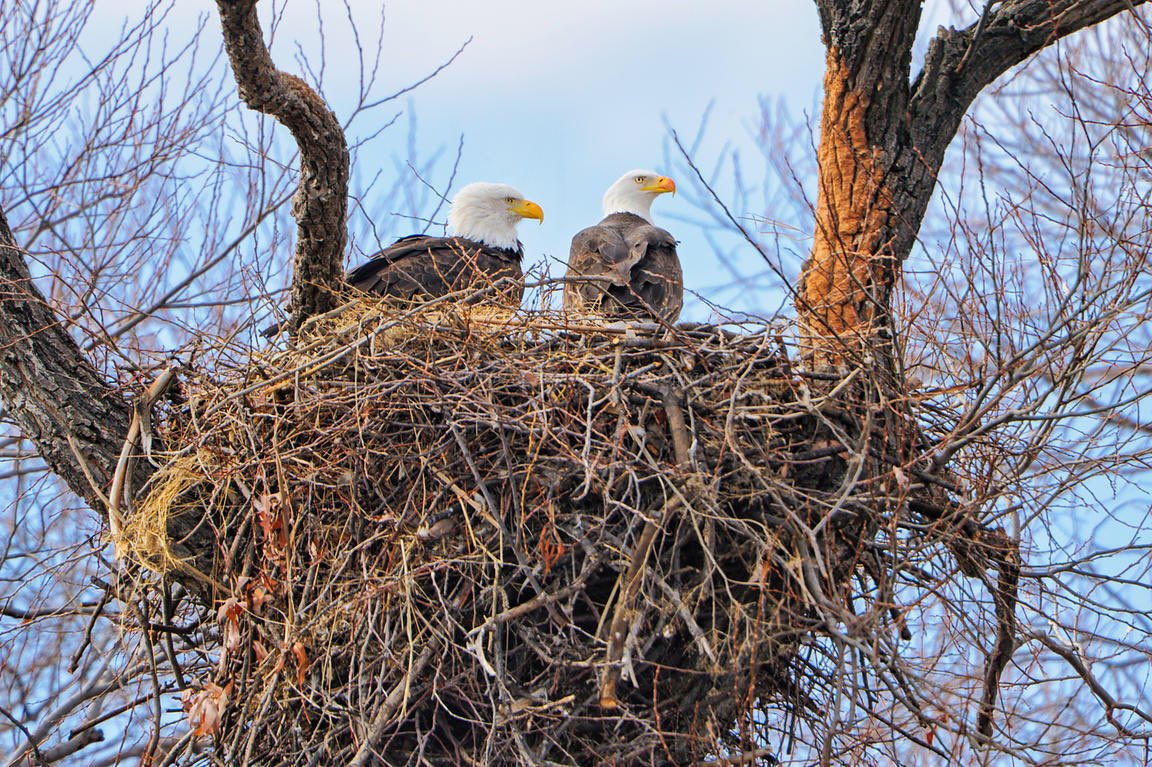
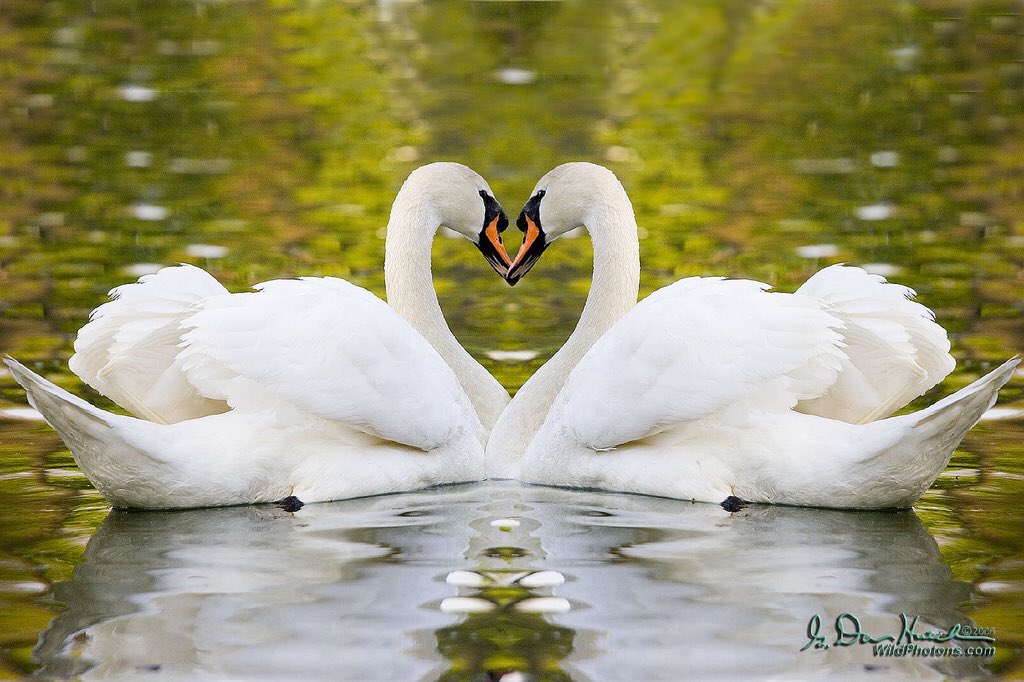
90% of birds are monogamous, meaning they mate with a single member of the opposite sex. This pair bond may last for a breeding season or it may last for life. #ccbirds
When a bird is making an alarm call the notes have a narrow frequency and long duration. This allows them to notify nearby birds of the threat without revealing their location. #ccbirds
Some birds will swallow pebbles and grit to store in a muscular part of their stomachs called the gizzard. This helps them with mechanical digestion. #ccbirds
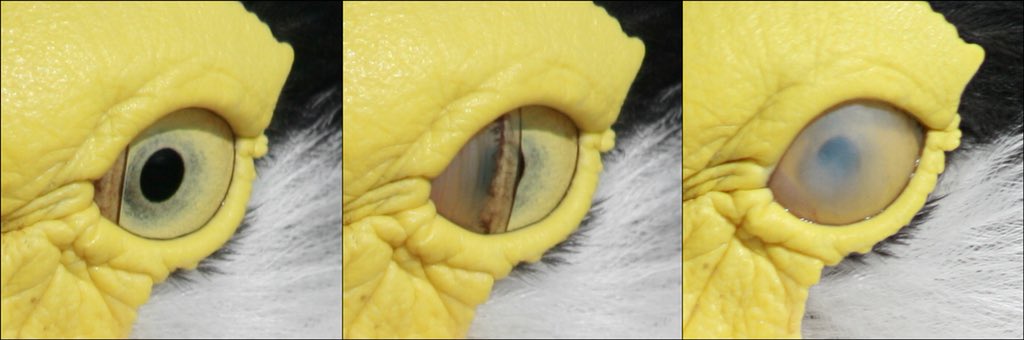
Many birds have a third eyelid called the nictitating membrane. It is thin and semi-transparent. The membrane moves horizontally or diagonally from the inside to the outside of a bird’s eye and protects it from wind and dust during flight. #ccbirds