The upcoming release of the AI Pin has really got me thinking, and I applaud Humane for pushing bold ideas. While this kind of innovation might be something the world needs, I'm not sure I do. At least not yet.
Here are 10 reasons why:
1. Usability: My experience with the AI Pin is limited to what I've observed, but certain behaviours are deeply ingrained in us. Actions like using a car's turn signal, opening a door, or interacting with an app on a screen are second nature. The AI Pin aims to innovate in this area with its projection and audio interface. But the requirement to unnaturally bend your fingers, hold to speak, and read text on your hand, while futuristic, strays from the intuitive, human-centered design that the company's name implies. Paradoxically, it feels more cumbersome and disconnected compared to the familiar tactile experience of holding and manipulating an object.
2. Projection quality: The projection concept raises practical questions. How effective is it in bright sunlight, or if your hand isn't ideally positioned? Clarity and readability seem compromised. The idea is ambitious, but I'm not convinced it's successfully addressing their aim of reducing our reliance on conventional devices. If the experience isn't superior to my phone, I might keep reaching my pocket.
3. User Privacy: While the focus on privacy is great, I still have some reservations. The company discusses data handling extensively, but what happens if the device were to be lost? Would my data be compromised? In a market where many devices now offer robust biometric security measures, it's worth considering how the AI Pin stacks up in this regard, particularly in scenarios where the device might fall into the wrong hands.
4. Privacy for others: Regarding the trust light, I have my doubts about how effective it will be in assuring others of their privacy while talking to someone with a camera on them. This is an area that needs careful thought. Will conversations still feel natural and honest? Only time will tell.
5. Wearability: Wearable tech isn't new, but the successful ones usually have something in common: they're worn directly on the body like a watch or a ring. The AI Pin seems a bit impractical, especially on lighter clothing. Pinning and unpinning feels more cumbersome than simply handling a phone or a watch, which you can have it on you at all times, lay on a surface or toss in your pocket.
While I admire their fashion vision (https://t.co/RuZiQkBdFU), it's not realistic for everyday wear. Most people dress in t-shirts or lighter fabrics, where the weight of the device could be problematic, redirecting the projection or making you uncomfortable. And if it’s pinned to jackets or accessories, which aren’t always worn, the device might become inconvenient, often leading users back to their other devices again.
6. Audio interaction: While voice commands look promising in theory, in practice, they tend to lead to a low-latency user experience. This issue becomes particularly evident in noisy environments like city streets or crowded public transport. In these situations, I consistently find myself turning to buttons. The tactile response and certainty they provide are unmatched. Every single time.
7. Etiquette: The audio technology in the AI Pin seems impressive, but its use in public spaces raises concerns. Choosing headphones is a more respectful option. When designing a device, it's nice to balance innovation with social courtesy. Few things are more disruptive than someone loudly speaking to their devices or playing audio out loud in public settings.
8. AI experience: Interacting with a device that lacks visual feedback is tough, particularly with AI-driven interactions. Visual cues are a fundamental part of how we communicate, similar to the role of facial expressions and body language in human conversation.
While reducing screen time is a good idea, the absence of immediate visual feedback can make understanding AI responses difficult and slow, especially when you're required to press a button, speak, and wait for an output. This delay emphasizes the importance of quick visual feedback for an efficient and satisfying user experience, an advantage that screens traditionally offer.
9. Accessibility: Building on my earlier points about intuitive interactions, the AI Pin's design brings up additional accessibility issues. To operate it, you're required to raise one arm to press a button and then potentially use the other for projection feedback (or auditory responses). This ongoing juggling of movements is significantly more complex than the static, one-handed use typical in most devices, falling short of the ease and inclusiveness that modern technology should offer, especially for those with mobility challenges.
10. Market competition: I applaud Humane for taking a creative leap; this type of innovation drives progress and benefits the consumer. But they're entering a market dominated by established players who could easily add similar features to their ecosystems. Comparing this to the TV vs projector market might seem a stretch, but there's an important takeaway regarding convenience. Just as projectors haven't replaced TVs, the AI Pin faces a comparable challenge. To succeed, it must either offer a significantly better experience that revolutionizes the personal device market, or carve out a unique niche of its own.
—
I don't normally write posts like this, and I hope I don't come off as overly critical. These are just my initial thoughts. It's one thing to critique and another to build, and I'm open to changing my mind. I see the innovation and hard work behind this project, and their team has the potential to shake things up. Big ideas move the world forward, and with further development and feedback, this technology could be really impactful. Right now, though, it seems like there's still some tweaking needed before it fits into my daily life.
🟧Introducing Ordimons in the BRC-20 Ecosystem!
-Powered by Ordinals and BRC-20 tokens.
-Comment, tag friends, and retweet to join the excitement!
#ORDI#BRC20#Ordinals#Airdrop
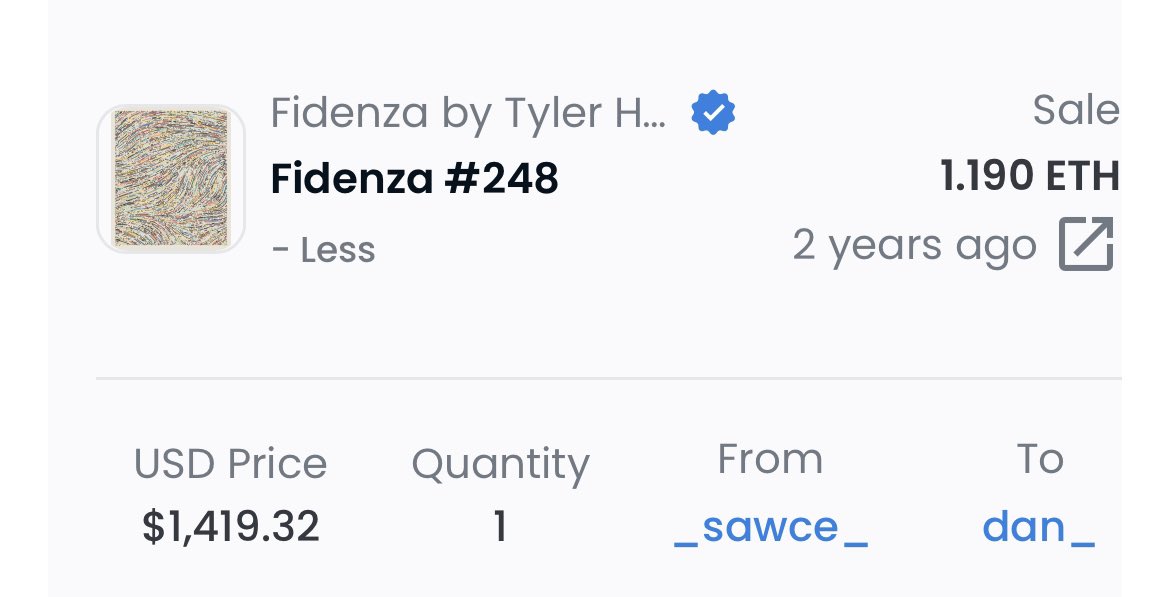
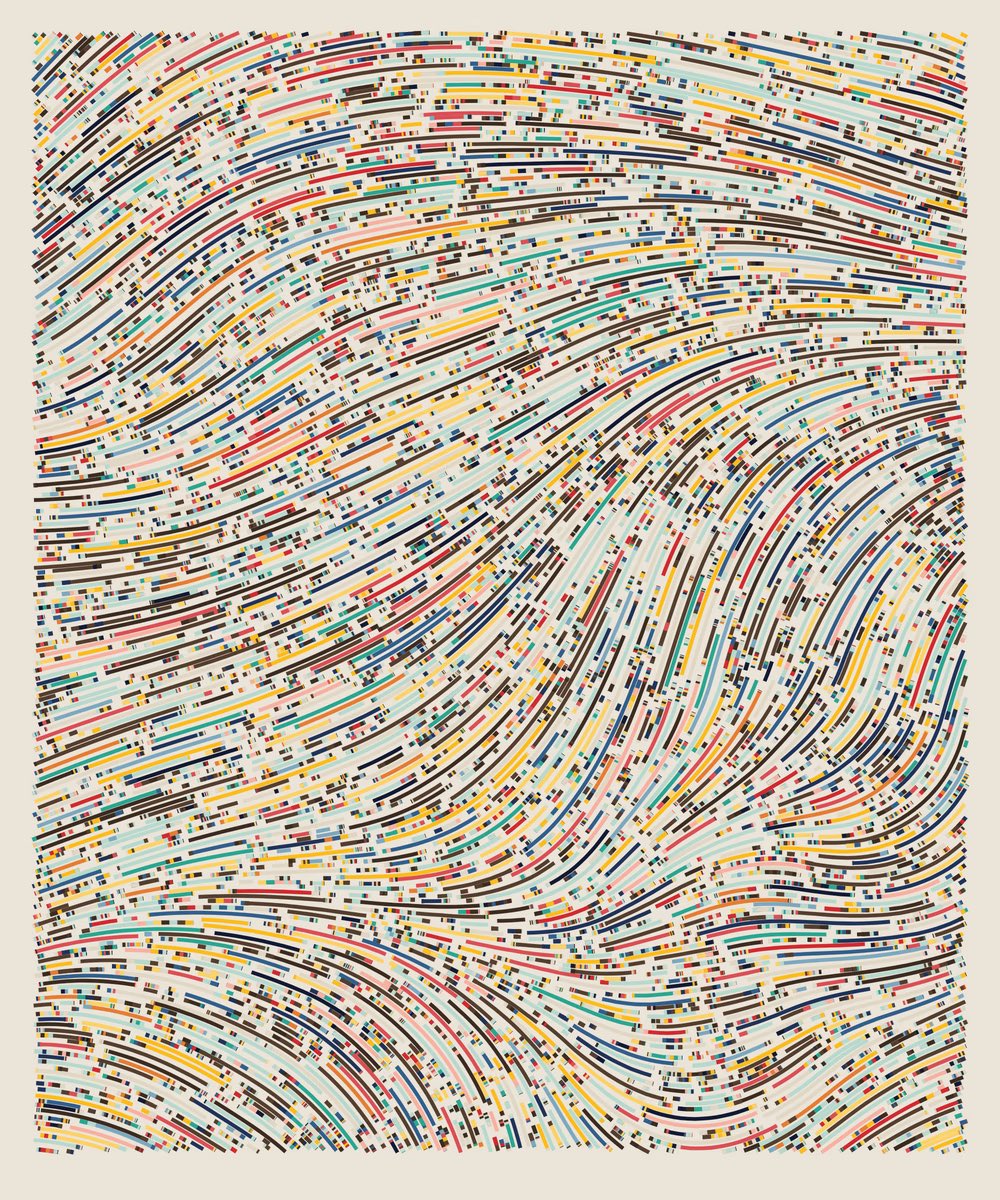
Rekt Confession: A story of how I fumbled generational wealth in a matter of minutes. I minted this breathtaking micro denza (God tier status NFT) for 0.17eth and sold it later that day for 1.15eth. 2 months later these were selling for 1000eth ($4m+). Still coping. @rektguyNFT
🧬Anime Oriented Evolved NFT's🧬
In Areken Your NFT's can power up and evolve!
If your clan leader opens a technique in the Areken Anime, it will reflect on your NFT too!
Socialize, control and manipulate!
Interaction = Collecting Ōra = Early WL