GLOBAL ATOMIC UPDATE $GLO $GLATF:
Many were expecting DFC board approval at Wednesday's meeting.
It wasn't. I emailed IR directly to find out why.
Here's what VP Investor Relations Bob Tait told me.
My takes below 👇
Media Release: Major milestone as first US advanced reactor reaches criticality
Nuclear for Australia welcomed news today that the first advanced reactor within the U.S. Department of Energy Reactor Pilot Program has reached criticality, heralding a major milestone in the commercialisation of advanced nuclear technologies.
“News out of the US overnight that the Mark-0 reactor reached criticality demonstrates that microreactor technology is transitioning from development to deployment,” Nuclear for Australia Founder Will Shackel said.
https://t.co/3puk6qhN6X
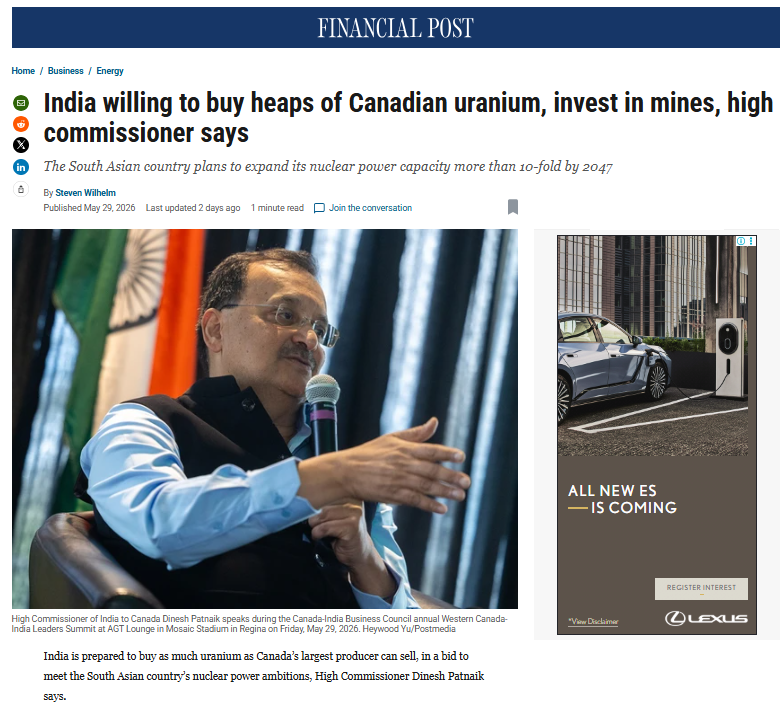
India willing to buy as much #uranium as Canadian can produce!
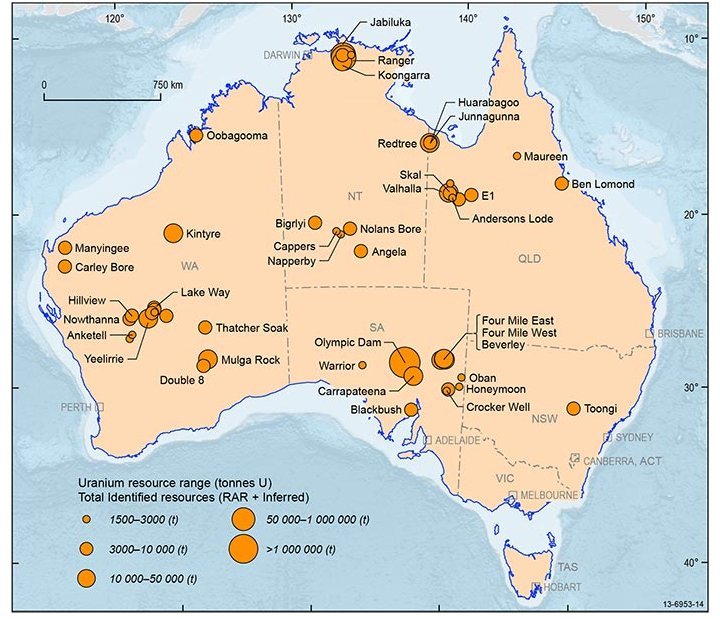
This is a lost opportunity for Australia!
Time to remove mining bans in WA, QLD and NSW!
$CXU
Australia holds 30% of the world's uranium reserves. It is the Saudi Arabia of the Southern Hemisphere, yet it refuses to lift mining prohibitions in key regions, refuses to recognise U as a critical mineral, and refuses to lift the ban on nuclear energy.
Mind-blowing stupidity
Uranium term contracts are being signed at $150/lb. Spot is in the mid-$80s. That $65 gap is the price of a supply chain that isn’t built yet.
Utilities aren’t overpaying — they’re paying what it costs to incentivize new mine development, and spot can’t clear that bar. The US produces less than 1% of global enrichment capacity while SMR power commitments to AI data centers have doubled from 25 GW to 45 GW in 18 months.
You don’t solve an enrichment deficit with executive orders. You solve it with a decade of capital commitments. That window is now.
The Czech Republic may be the world's most pro-nuclear country. Support for nuclear power is now 85%! They're also planning to build multiple reactors. Article link in reply.
1/5 🚨 One year ago, President Trump signed EO 14300, ordering the NRC to overhaul nuclear regulation. The result? Historic firsts, 33 active rulemakings, and what Chairman Nieh calls the biggest redesign in 50 years.