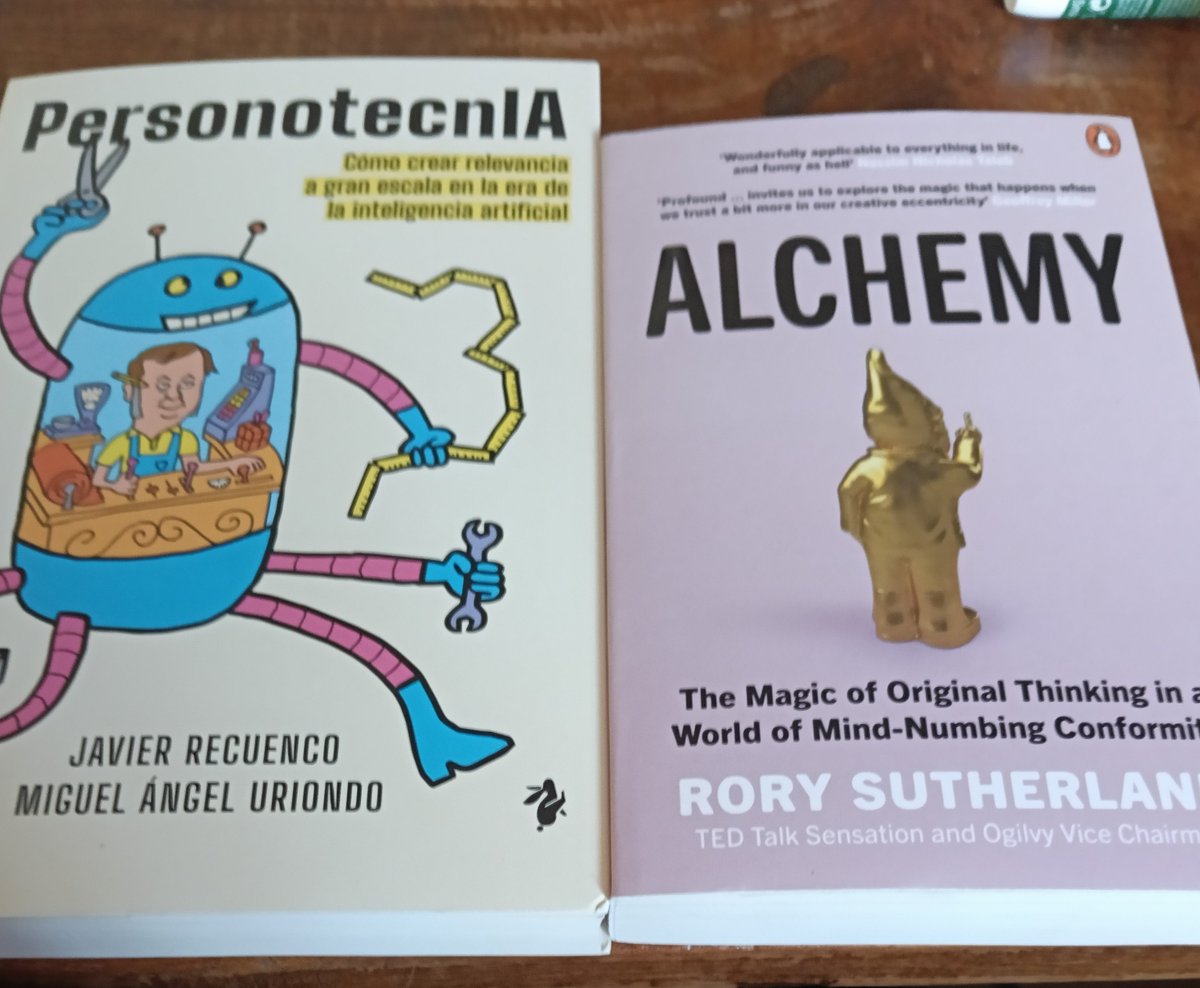
una decisión complicada de la que me alegro de haber tomado en estos tiempos que vivimos del marketing en internet es la de pasar de tendencias y mierdas varias y hablarle a mis clientes como adultos.
el que no compra (ni va a comprar) no lo entiende ni lo entendera, el resto si
This paper answers why narcissistic idiots run the world.
Researchers analyzed more than 7,000 people to answer why do narcissists keep ending up in charge.
They split leadership into two completely different things.
Getting the job. And actually being good at it.
The data exposed a brutal disconnect.
Narcissism is a strong predictor of emerging as a leader. Narcissists get promoted faster. They win the room. They get handed the title.
But when researchers measured actual leadership effectiveness, whether they delivered results or guided a team well, the advantage vanished. Completely.
Zero linear relationship between narcissism and being a good leader.
So how do they keep winning?
Researchers found the entire trick. Once they controlled for extraversion, the narcissist's advantage disappeared completely.
We aren't promoting them because they are brilliant. We are promoting them because they talk first, dress sharp, dominate the room, and radiate unearned confidence.
We literally mistake volume for competence.
It gets worse.
The researchers broke the data down by how long people actually knew the narcissist.
In the first week, narcissists looked like born leaders. Charming. Bold. Visionary.
After just one week of working with them, that leadership halo got cut in half.
The charm expires the moment you have to deal with the arrogance, the manipulation, and the inability to take feedback.
Then came the funniest, and darkest, finding in the entire paper.
When researchers asked bosses, coworkers, and subordinates to rate narcissistic leaders, the ratings were flat. Nobody around them thought they were effective.
There was only one group of people who consistently rated narcissistic leaders as exceptional.
And the narcissists themselves.
The paper did find a twist. Leadership effectiveness follows a curve. A moderate dose of ego helps, enough confidence to make hard calls and take risks. Push past that midrange into extreme narcissism, and effectiveness falls off a cliff.
The problem is that our hiring processes, interviews, and elections are designed as short-term auditions.
And nobody wins a 45-minute audition like a narcissist.
La cultura de los sistemas de puntuación que reducen/moldean tu vida cotidiana y tus deseos para alinearlos con los intereses de engagement e ingresos de la empresa de turno.
Hacer empresa va de servir no explotar.
¿Cuál es el motivo para no permitir inmediatamente su uso o, como poco, acelerar la supervisión regulatoria para posibilitar su implementación lo antes posible?
In 1906, the scientist Francis Galton visited a livestock fair in Plymouth and accidentally stumbled on something that explains why central planning fails.
Around 800 visitors had paid sixpence each to guess the weight of a slaughtered ox. Galton collected the tickets and analysed them, expecting the crowd to do badly. Individual guesses were all over the place, but their average was 1,197 pounds - the ox weighed 1,198. While supposed experts - butchers and farmers - guessed poorly on their won, taken together, ordinary fairgoers had come within a pound of the truth.
Nearly a century later, in 2004, the journalist James Surowiecki popularised this effect in The Wisdom of Crowds. His argument was that in large, diverse and independent groups, individual errors cancel each other out, and the collective estimate moves towards the truth.
This helps explain why government bureaucracies so rarely match the efficiency of free markets. Friedrich Hayek called this the “knowledge problem.” The information an economy runs on is scattered across millions of people, each knowing their own circumstances, preferences and opportunities. No planner can gather it all. Markets don’t need to: through prices, they condense that dispersed knowledge into a single number that anyone can act on. The result is what Hayek called “spontaneous order”, complex coordination that no one designed.
Markets condense dispersed information into a market price. When planners abolish markets and try to design an economy and fix prices, they replace the judgement of millions with the guesses of a small group working from incomplete information. As Galton’s ox shows, no committee of experts, however clever, knows as much as all of us together. Central planning fails because bureaucrats fail to guess what the market could have told them.
En el hilo turras de hoy, voy a expandir, al hilo de varias cosas que han ocurrido esta semana, mi tesis del santuario humano vía conectarlo con algo tan sometido a la Personotecnia como la música. Vamos allá.
Todo lo que veo y me llega de LinkedIn es el MAL absoluto. No entiendo quién puede querer publicar ahí, no entiendo cómo alguien puede pretender relaciones de valor ahí. Todo es interesado e impostado.
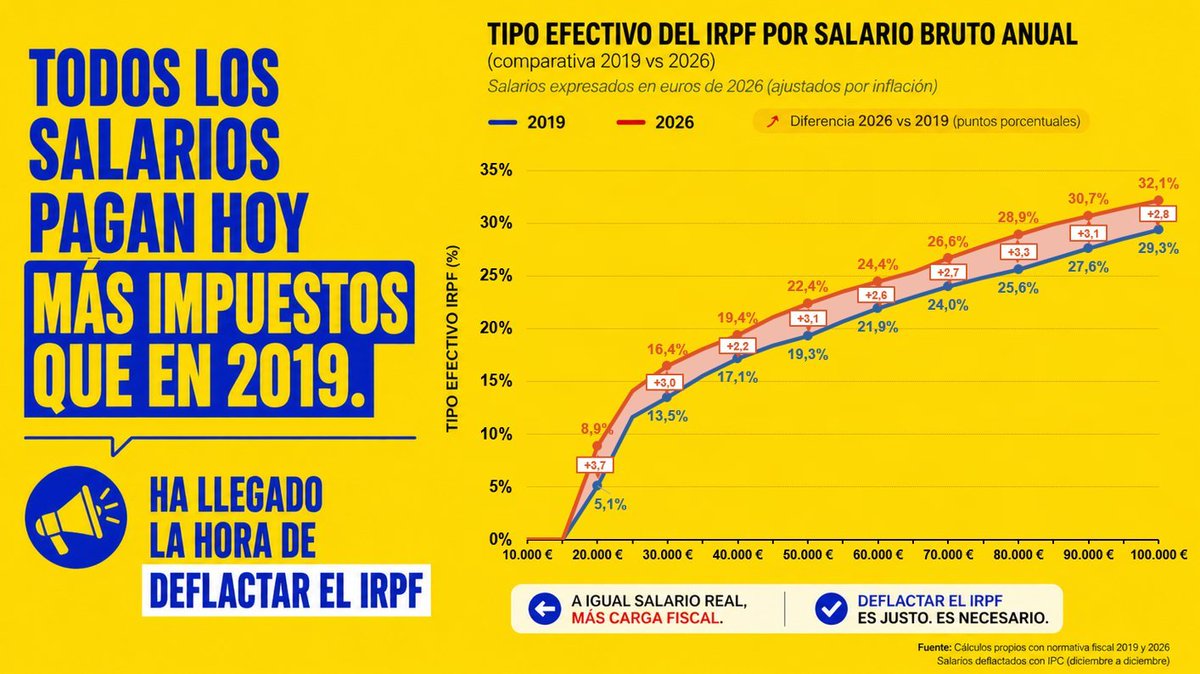
Un debate apasionante entre los cuatro principales partidos para ver quién presume más de defender la subida generalizada de las actuales pensiones conforme al IPC.
@MrtnzAlvrz, el 30 de noviembre te puedes cambiar el nombre, porque habrá que seguir haciendo pedagogía.
muy grande esta forma de hacer pedidos, esto imagino que sale en los masters de ecomerce multiplataforma 😂
una foto de otra foto de otra foto de un movil, de que tengo los mejores clientes nunca ha habido duda
¿Qué ingredientes se necesitan para que algo tenga valor?
Necesita utilidad, significado y belleza. Tres elementos subjetivos que, si hay voluntad, pueden medirse.
· Utilidad de uso, fabricación y mantenimiento.
· Significado individual o colectivo, a través de lo que representa y simboliza.
· Belleza como expresión sensorial de una idea bien resuelta. Cuando forma, función y ejecución responden a una misma intención.
La utilidad hace que algo nos sirva.
El significado, que nos importe.
La belleza, que queramos que exista, permanezca y forme parte de nuestra vida.
Cuando algo tiene utilidad, significado y belleza es un artefacto matterialista.
«¿Qué más tiene que ocurrir para que el votante sanchista despierte? Nada. He llegado a la incómoda conclusión de que nada, porque el sanchista sabe perfectamente que le mienten.
Hannah Arendt cuenta que los grandes líderes de masas descubrieron que podían hacer creer a la gente las afirmaciones más fantásticas y que, cuando al día siguiente se les ponía delante la prueba irrefutable de su falsedad, los seguidores se refugiaban en el cinismo. Lejos de abandonar a quienes les habían engañado, presumían de haber sabido siempre que aquello era mentira y admiraban al jefe por su astucia táctica.
Gustave Le Bon dejó escrito que «las masas nunca han tenido sed de verdades» y que, ante las evidencias que les desagradan, prefieren apartar la vista y «deificar el error, si el error las seduce».
Eric Hoffer sostenía en El verdadero creyente que un movimiento de masas puede surgir y extenderse sin creer en un Dios, "pero nunca sin creer en un demonio"».
No paro de leer tuits que dicen que aprender IA generativa con cursos es absurdo. Que el que hace cursos es un vendemotos porque el que sabe está ocupado construyendo.
Discrepo fuerte.
Aquí 🧵 con recursos, tanto libros como cursos, cuyos autores son gente que TRABAJA en esto.