The Raynor Cerebellum Project aims to empower novel interdisciplinary research to impact the lives of people with cerebellar disease within 7 to 10 years.
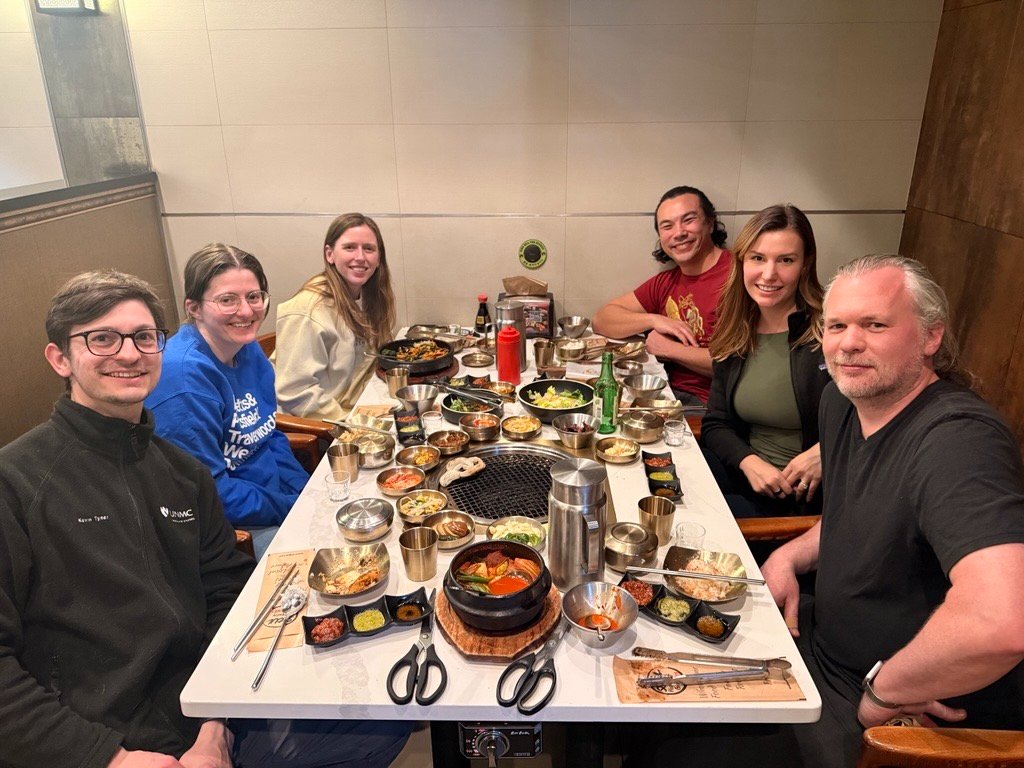
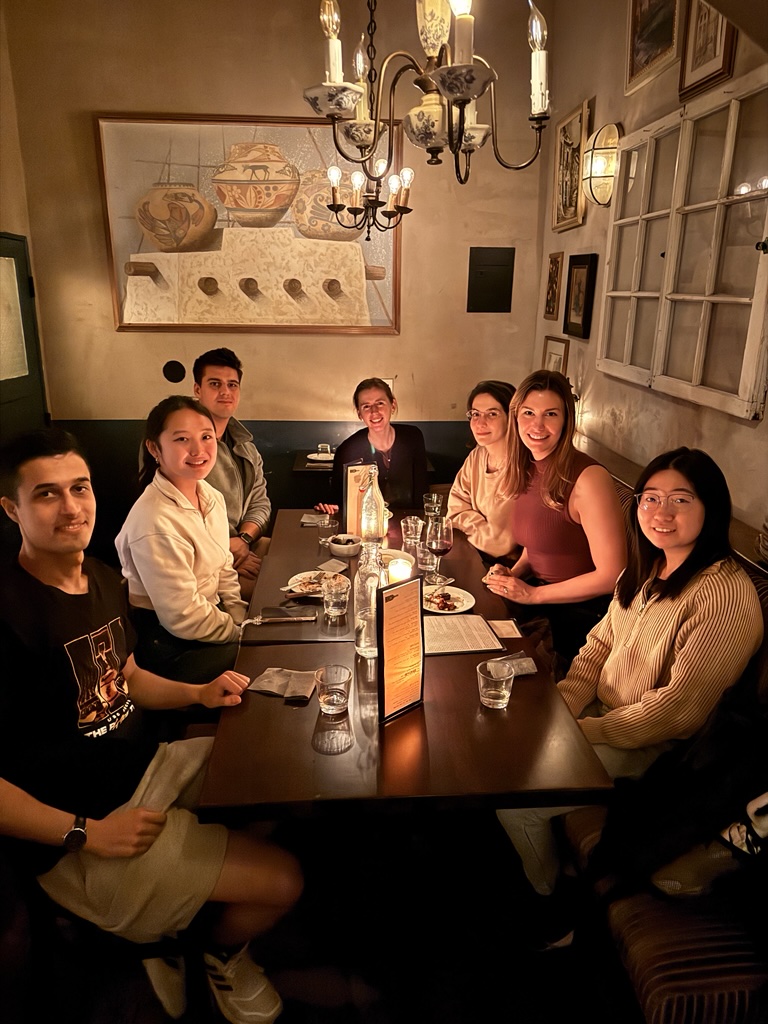
There's always room at the table with our Program Scientists! Recently they visited our team at UF where Robin & Rex built the first on-site task cart!
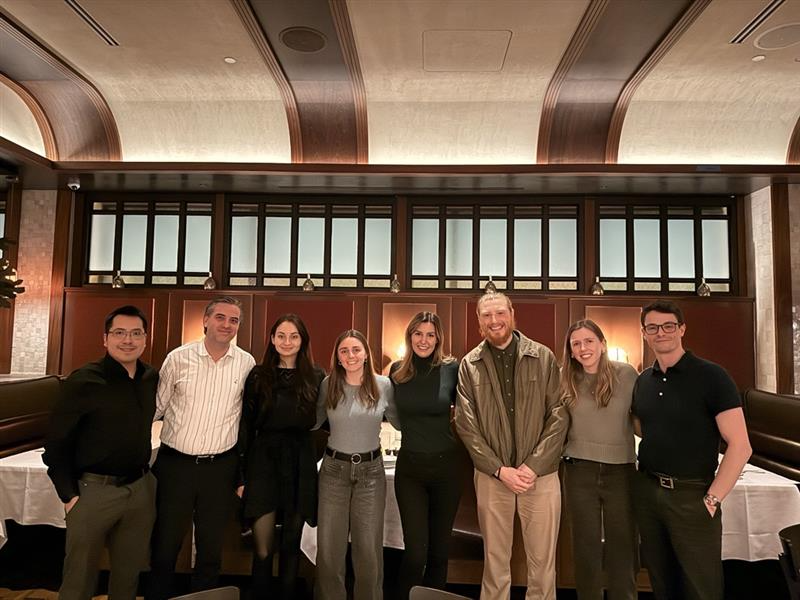
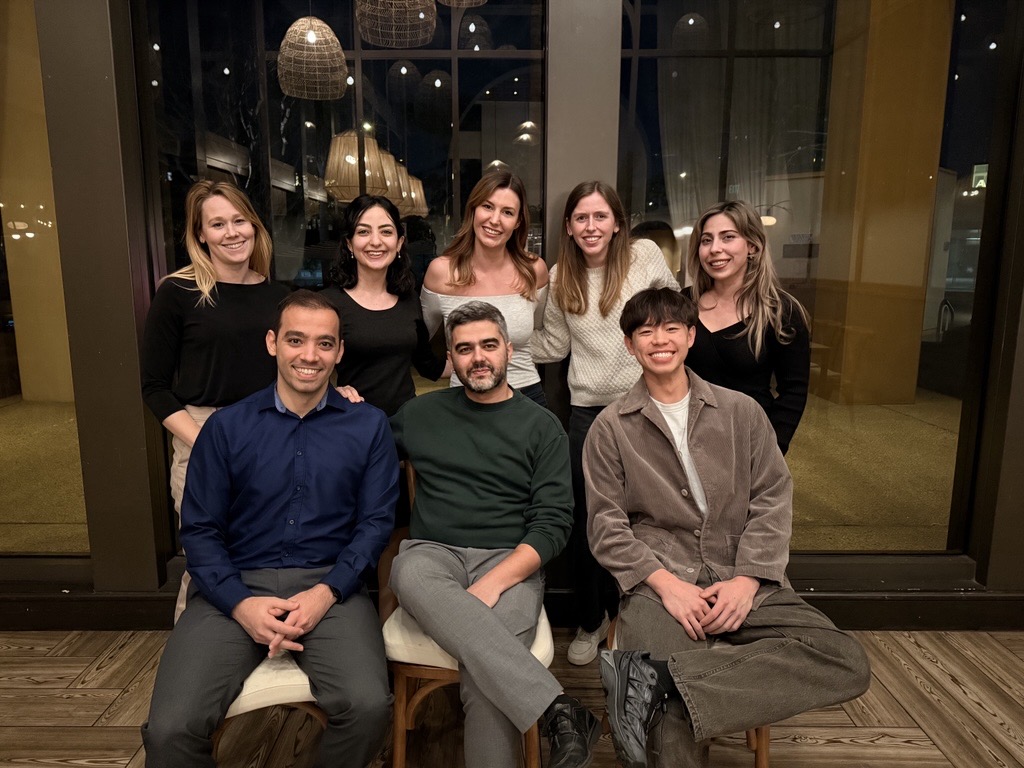
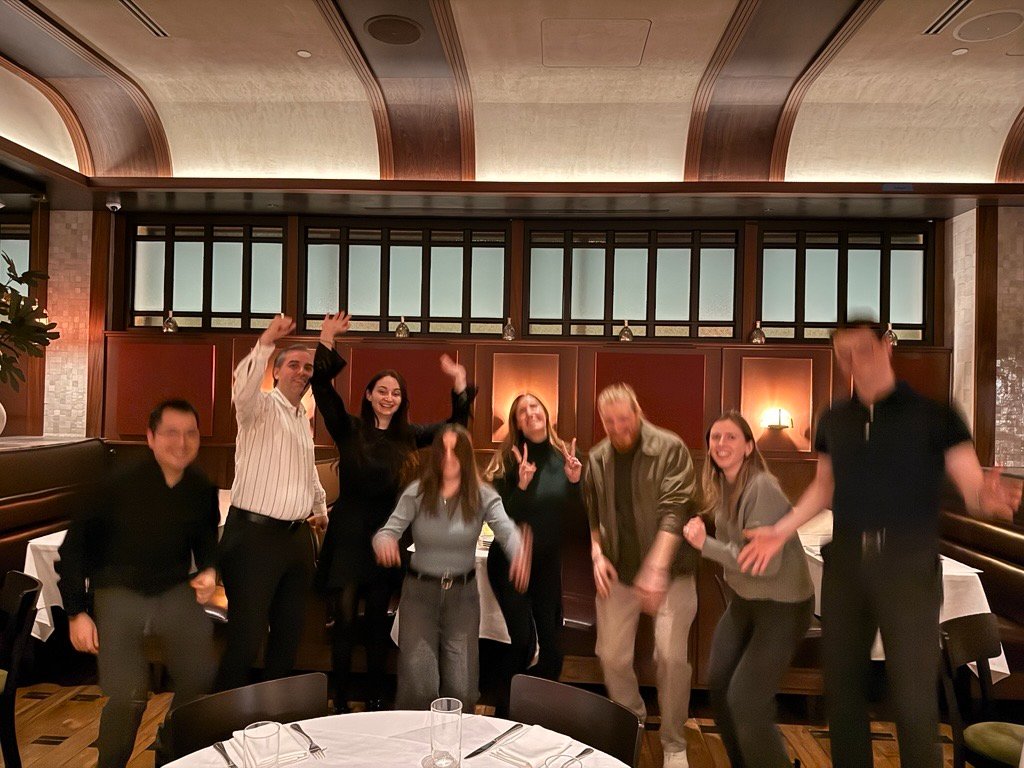
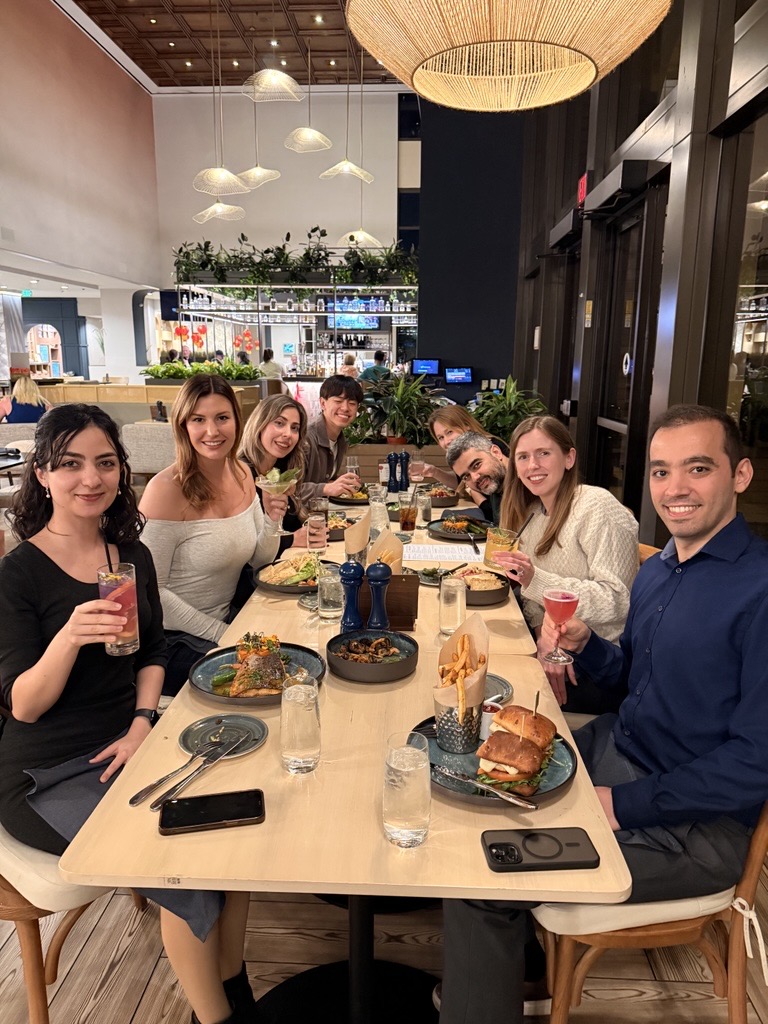
From neural circuits to dinner circuits - the Program Scientists are celebrating hard work (and St Patrick's Day) in Boston with the Mass Brigham team!
We're excited to announce that we're hiring a Program Scientist to join our team!
You’ll travel to the labs, help shape high‑impact research, work with our governing board and two other Program Scientists, and collaborate with leaders in the field.
https://t.co/hntbXVmzR1
Help shape the future of cerebellar disorder therapies.
Dr. Lauren Sankary (UT Southwestern) is conducting a voluntary study exploring priorities of patients, caregivers, clinicians & researchers.
Participate here: https://t.co/sWFMzGuvph
Watch the strange, life-like behavior of small ball bearings in castor oil when exposed to an electric field—a fascinating display of self-organization.
📽: Stanford Complexity Group
Thank you to everyone who came out to the RCP SfN Social earlier this week! We can't wait to host you again! If you're new to the cerebellar field, reach out so we can add you to our list for next year!
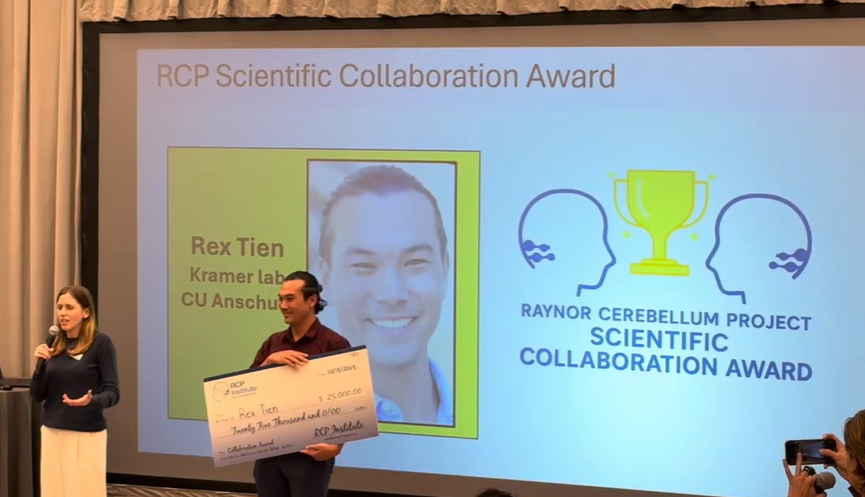
The RCP is proud to recognize Rex Tien from CU Anschutz as the recipient of our $25,000 Collaboration Award! At every summit we plan on rewarding someone from our teams who has gone above and beyond to bring teams and disciplines together like this.
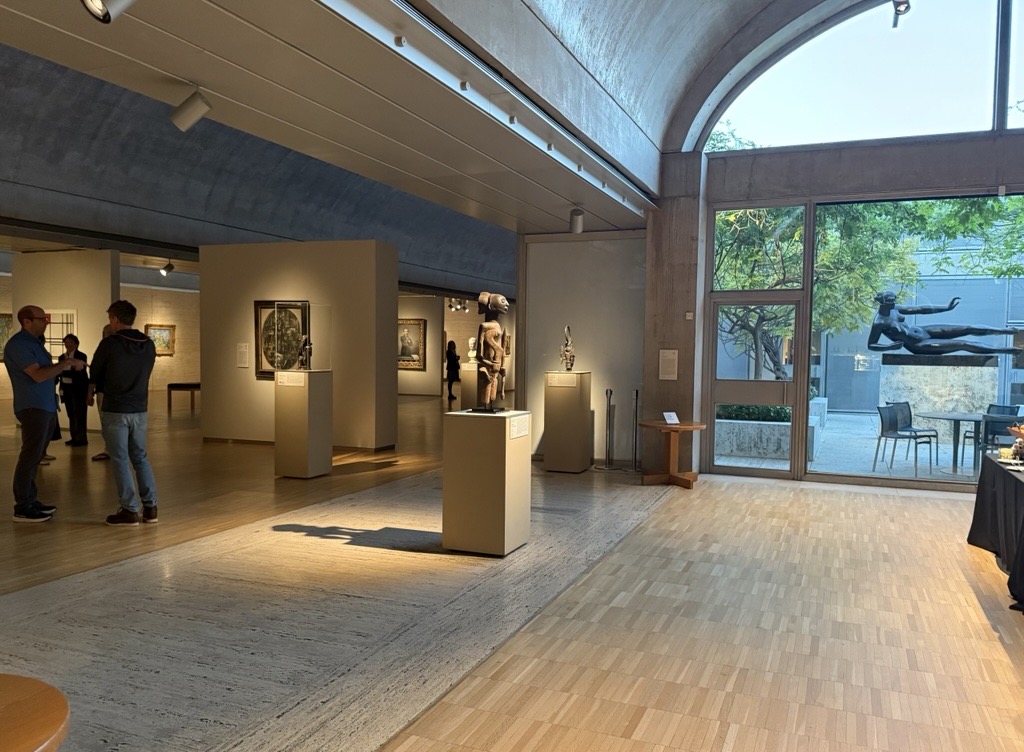
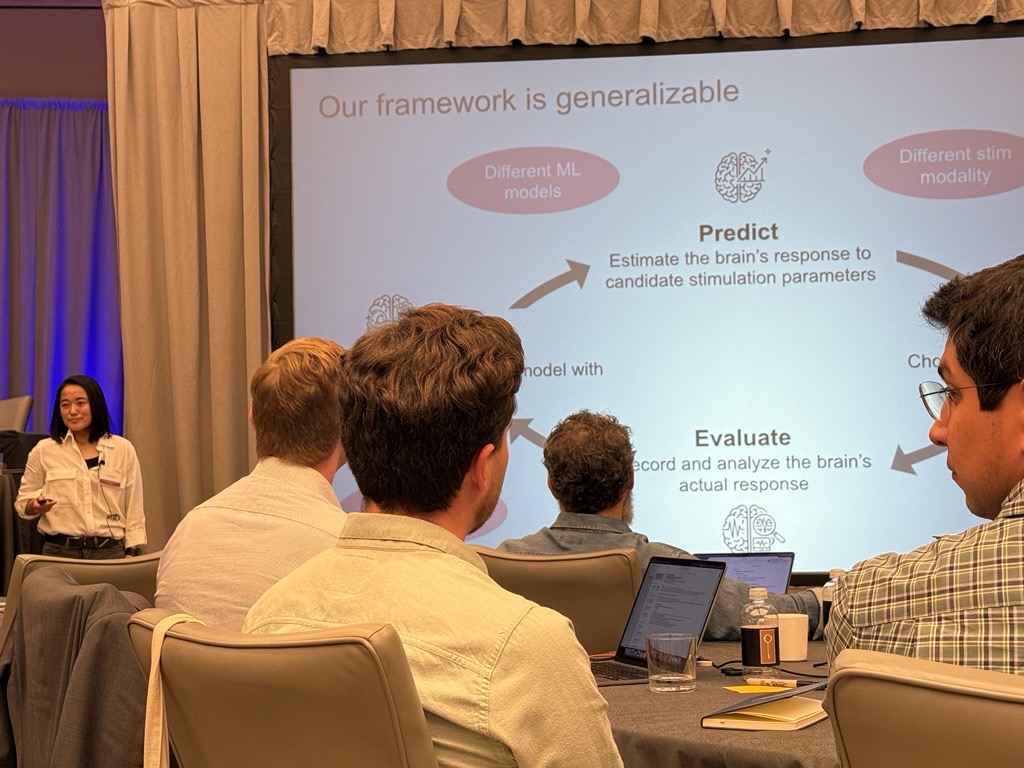
Day 1 of our October summit wrapped! Great presentations and discussions about how to use AI to map patient symptoms in the brain and also push the limits of what is possible in neuromodulation. Dinner in the Kimbell Art Gallery to finish a great day.