Violence Prevention & Victim Assistance Office located at Rutgers Biomedical & Health Sciences provides support and education. Call/Text us at 973-972-4636
Come join us to create candles to lead us down a path toward collective healing! Express your support for survivors by crafting candles and writing messages that will encourage them along their healing journeys. Hope to see you soon!
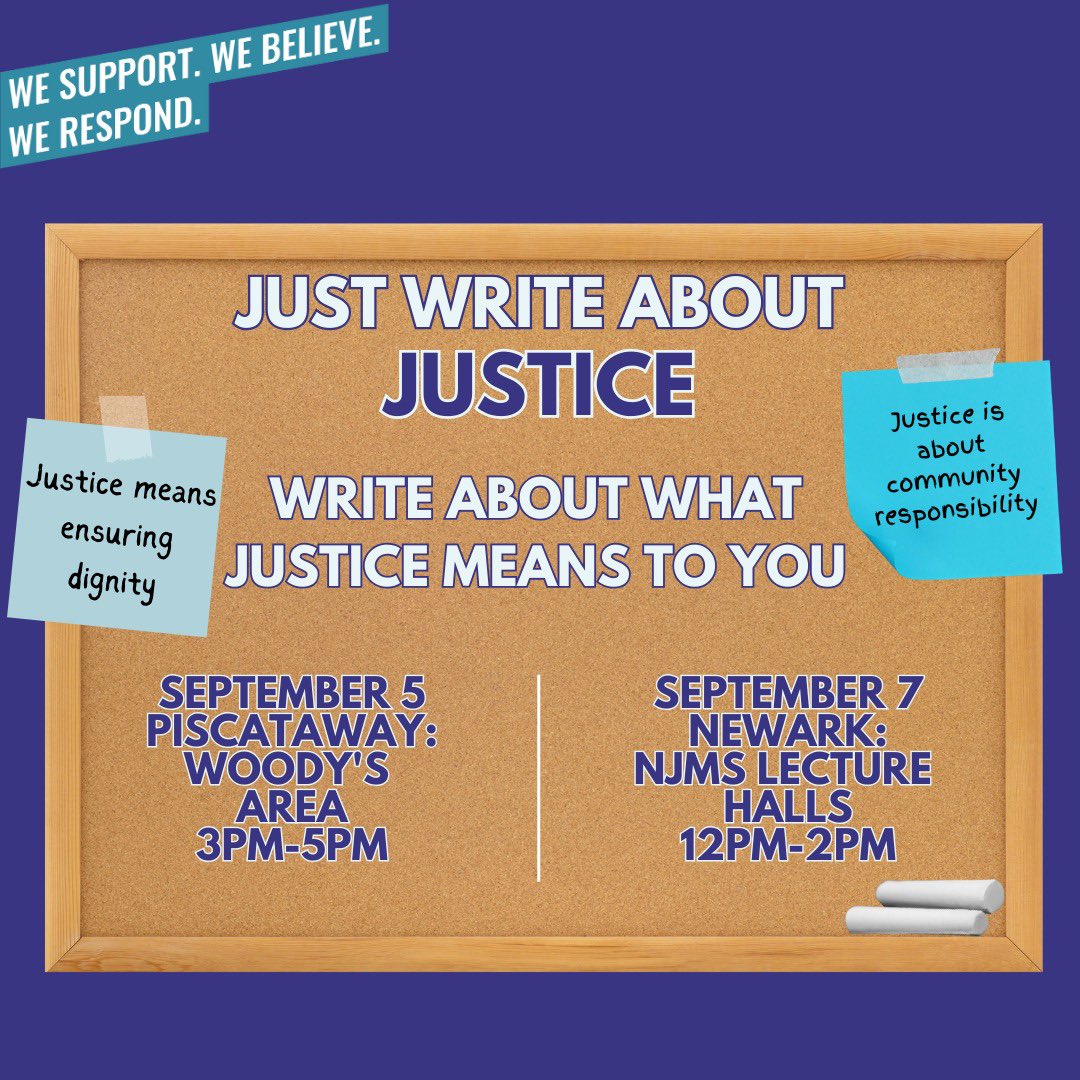
This month, we will be exploring what justice means in meaningful ways. Come to our "Just Write About Justice" event where you will get to write about what "justice" means to you! Stop by and get the chance to get free VPVA swag and learn more about how you get involved on campus
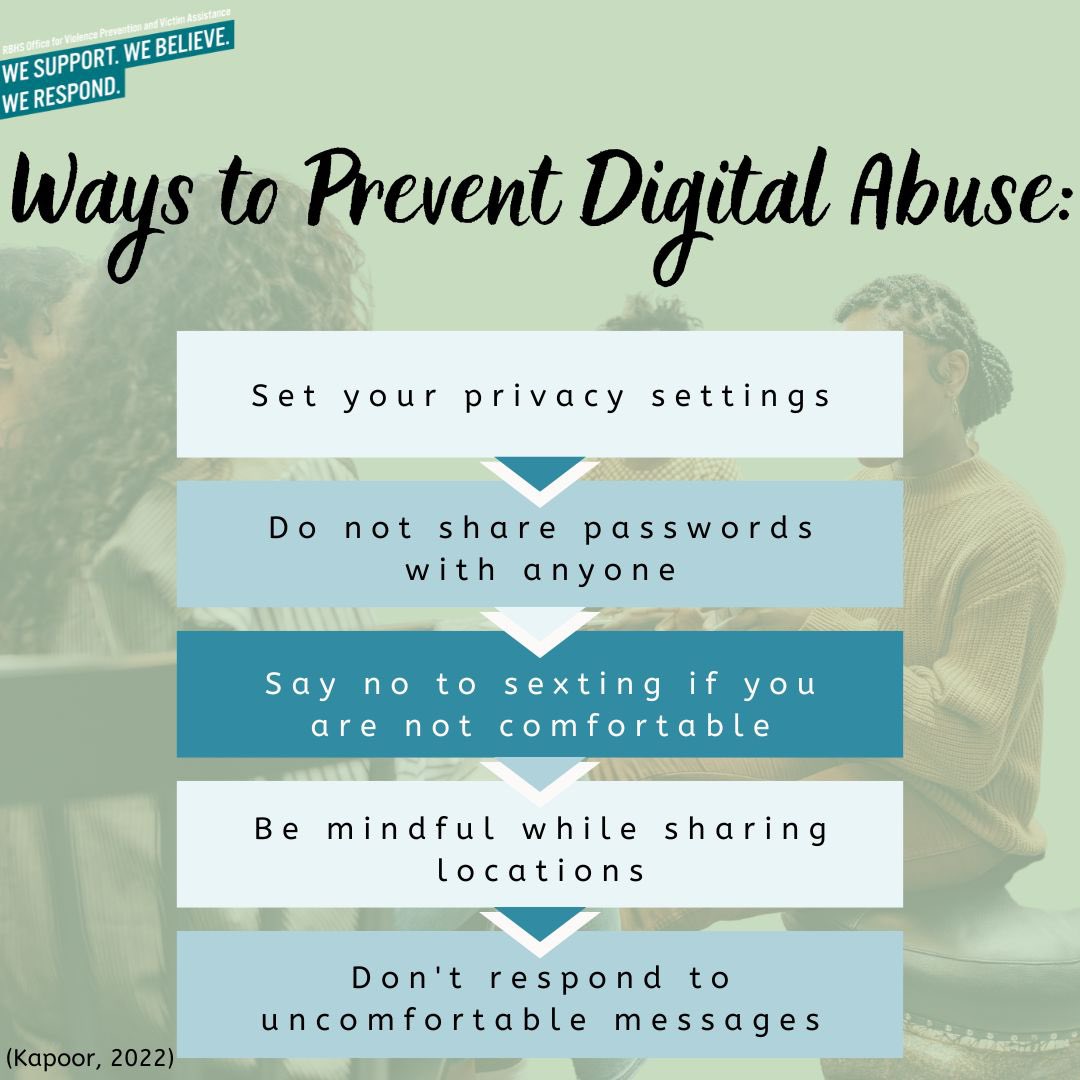
Preventing digital abuse requires a multi-faceted approach aimed at promoting awareness, fostering responsible behavior, and implementing protective measures. Education plays a huge role, raising awareness about digital abuse, its consequences, and how to respond to it.
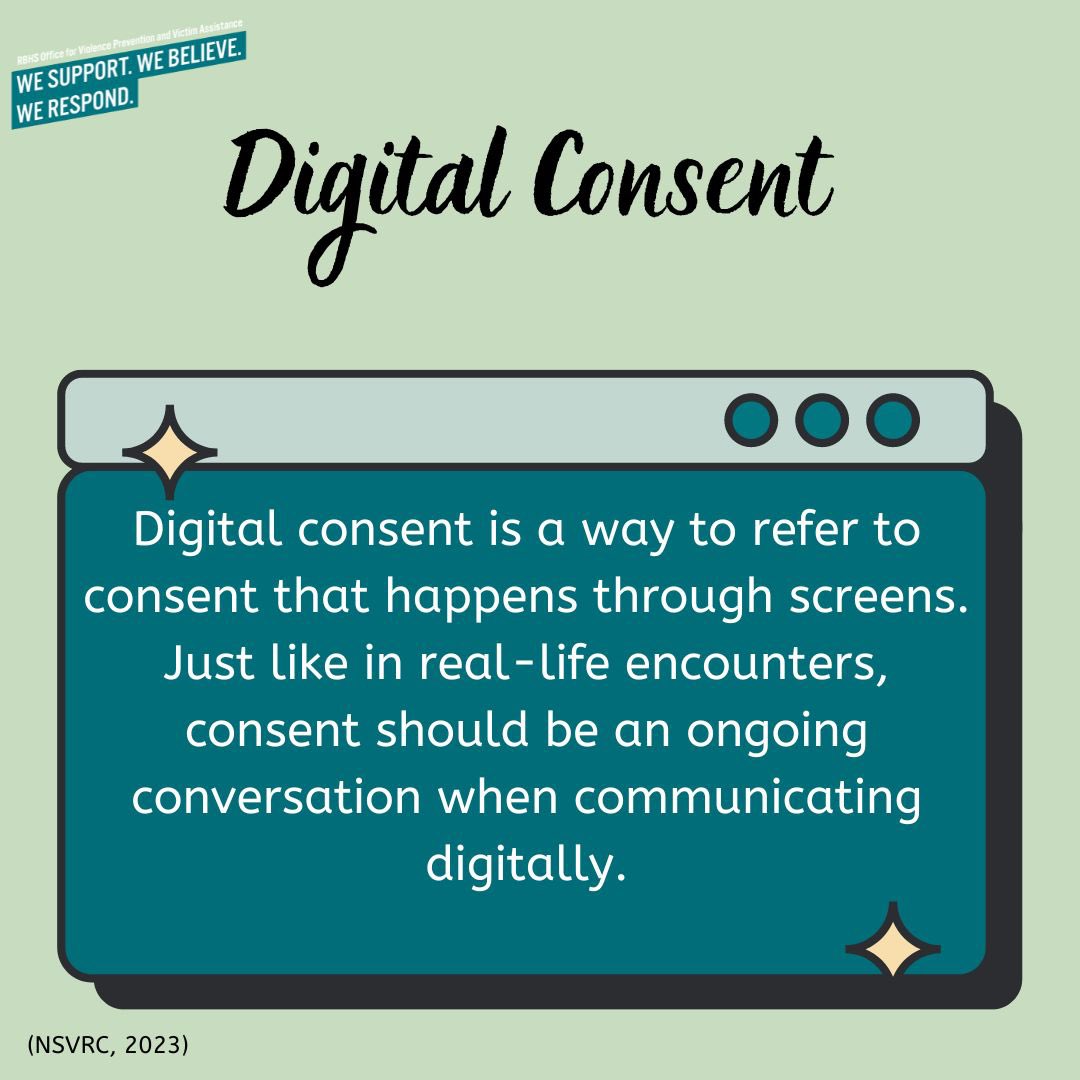
Online consent between individuals is a crucial aspect of fostering healthy and respectful digital interactions. It involves obtaining explicit agreement and mutual understanding before engaging in activities that may involve personal information, sensitive content, or risks.
Digital abuse in the field of medicine refers to the misuse of digital technologies, such as electronic health records, telemedicine platforms, or online forums, to harm, exploit, or harass patients or healthcare professionals.
Digital abuse stands in stark contrast to the foundations of healthy relationships in the digital age. Healthy relationships prioritize trust, respect, and open communication, while digital abuse undermines these essential elements.
Digital stalking, online harassment, and sexual coercion are disturbing forms of digital abuse that have gained prominence in the age of technology. It’s important we recognize the different forms and address them.
Digital abuse refers to the use of digital technologies, such as social media, messaging apps, and online platforms, to control, intimidate, harass, or manipulate individuals. Learn more about these topics this month with us!
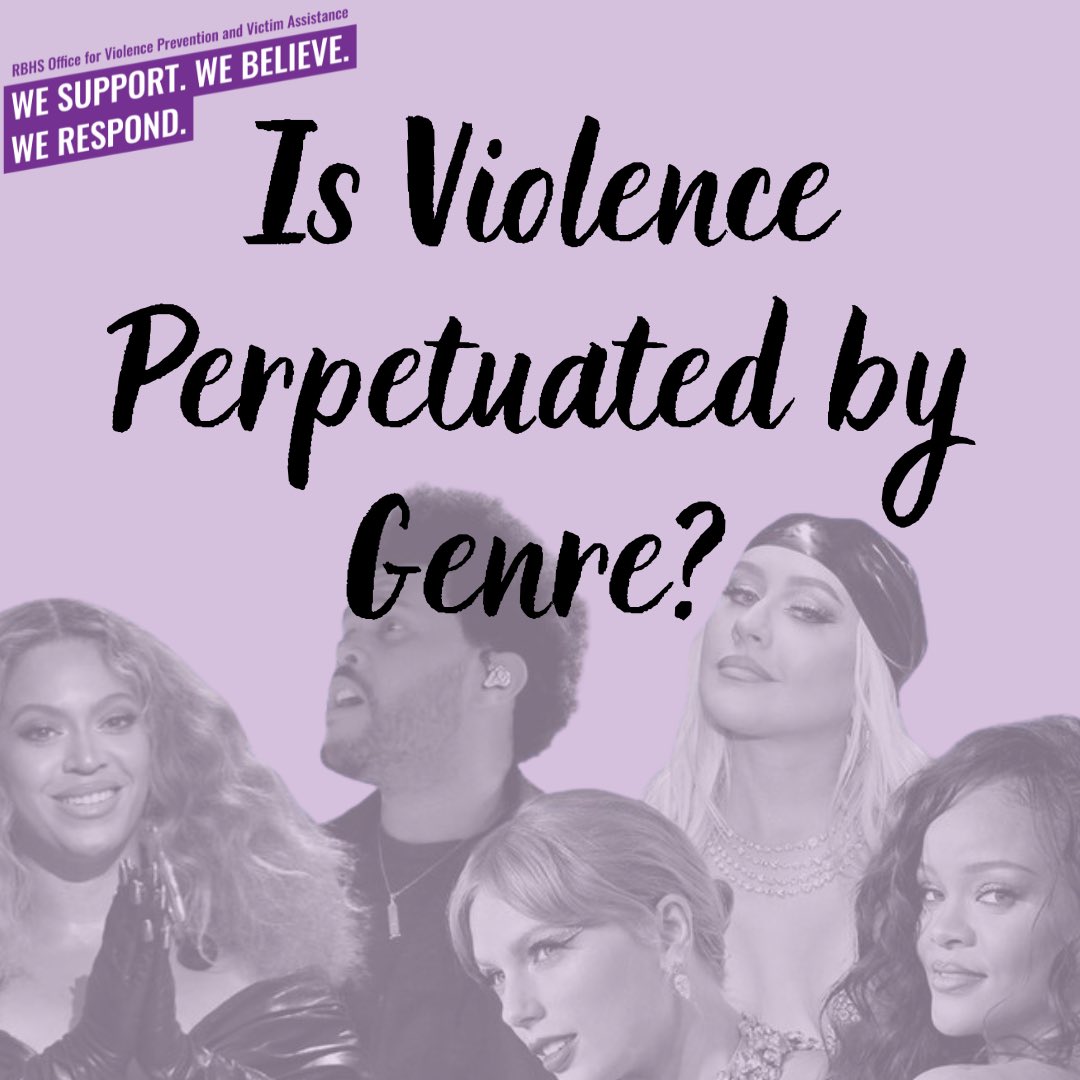
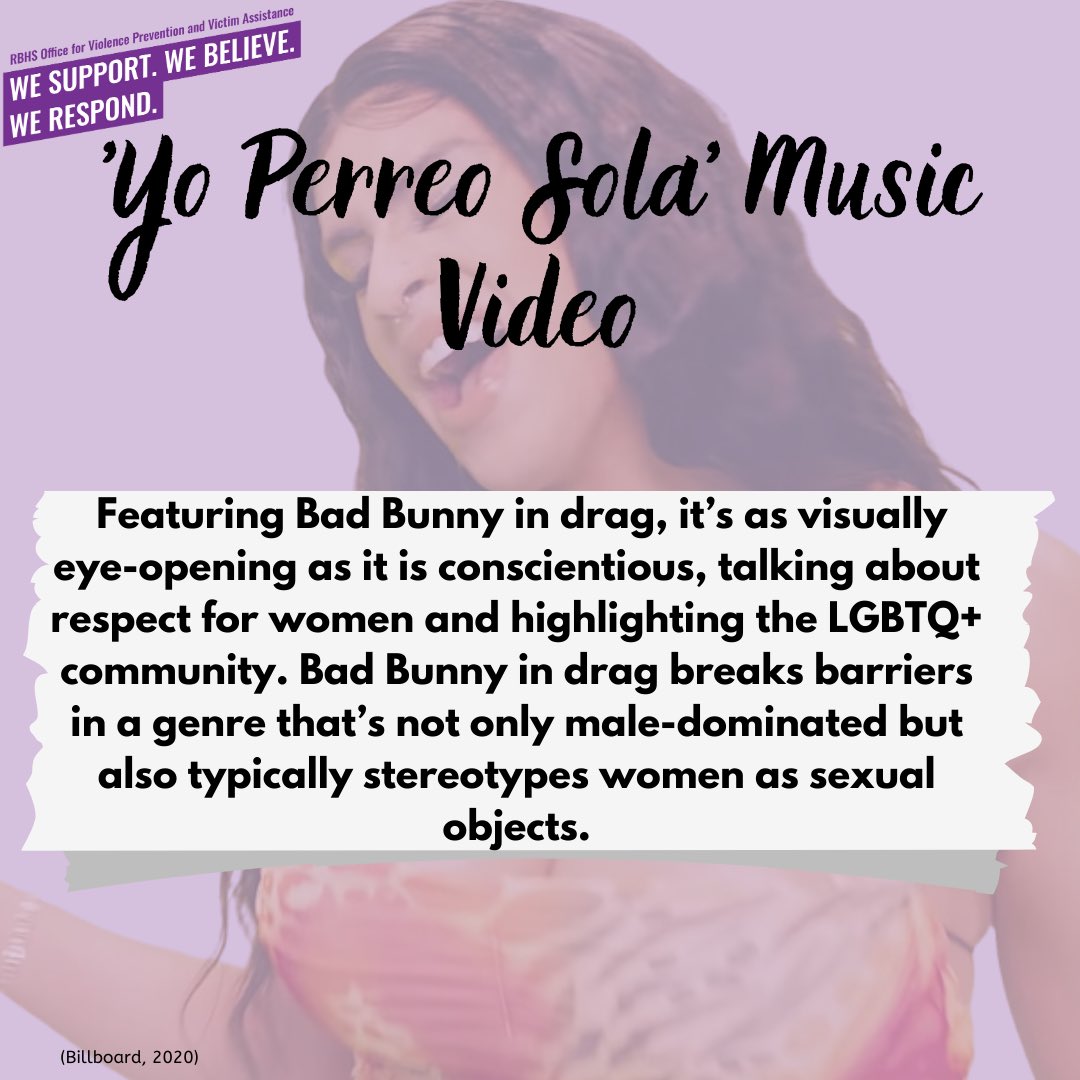
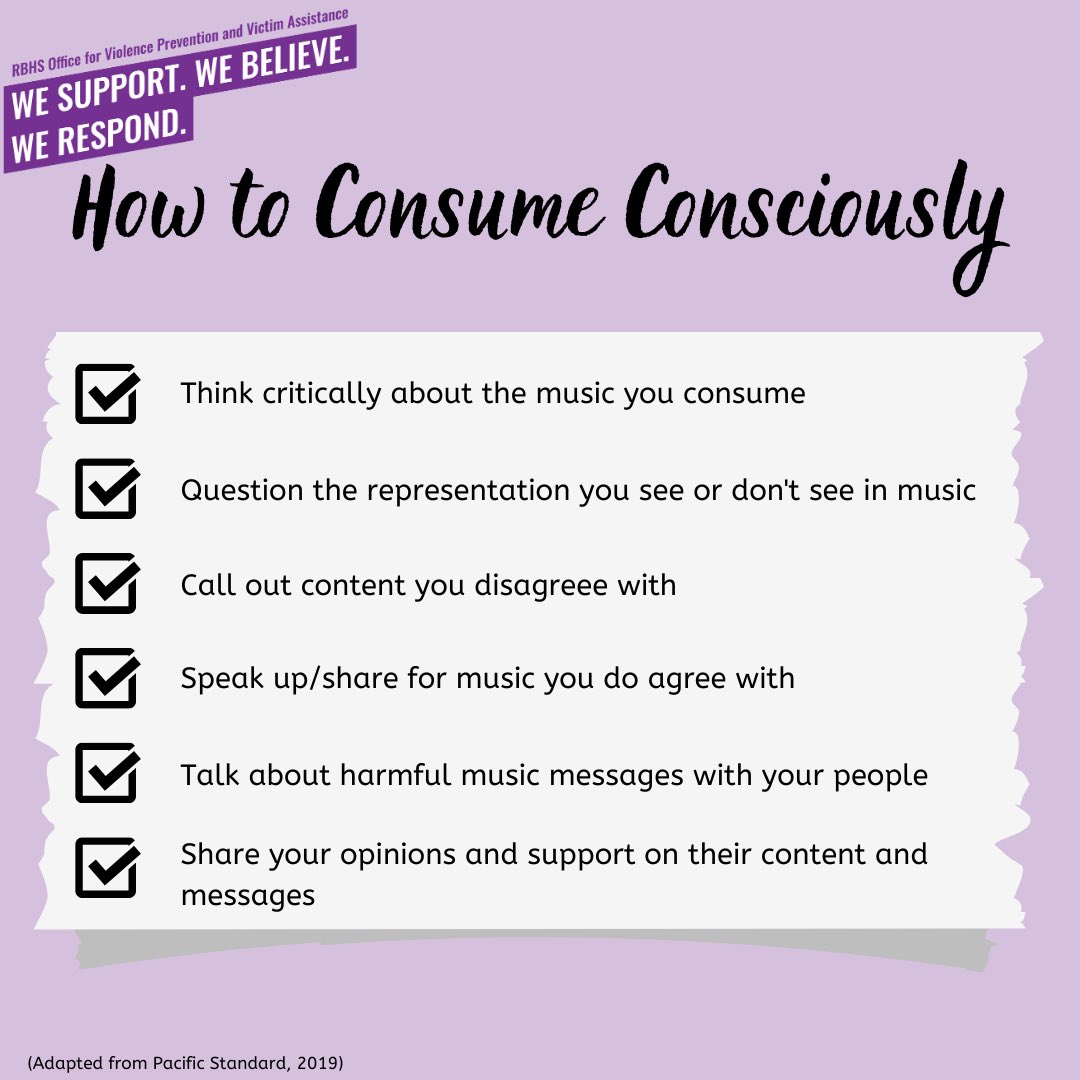
By being conscious consumers of music, we can actively shape our musical preferences, contribute to a more inclusive and socially aware music industry, and foster a positive and mindful relationship with the music we embrace.
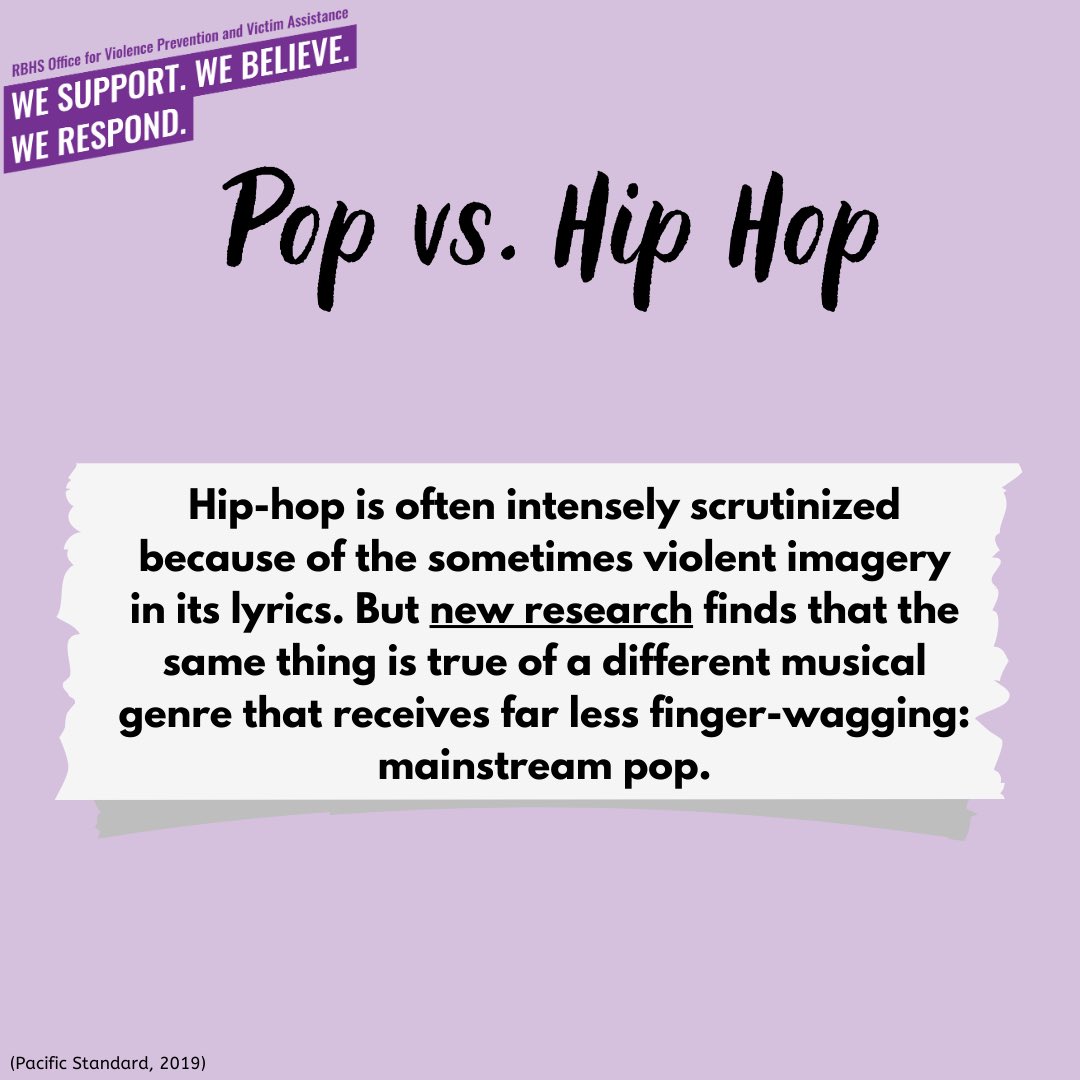
it is the individual's interpretation, mindset, and circumstances that influence their behavior. Regardless of genre, music can evoke a range of emotions and experiences. Rather than solely blaming genres, it is essential to address the underlying factors contributing to violence
It is important to recognize that blaming specific music genres for perpetuating violence oversimplifies a complex issue. While specific genres may contain explicit or aggressive lyrics, it is crucial to remember that music is not the sole cause of violence.
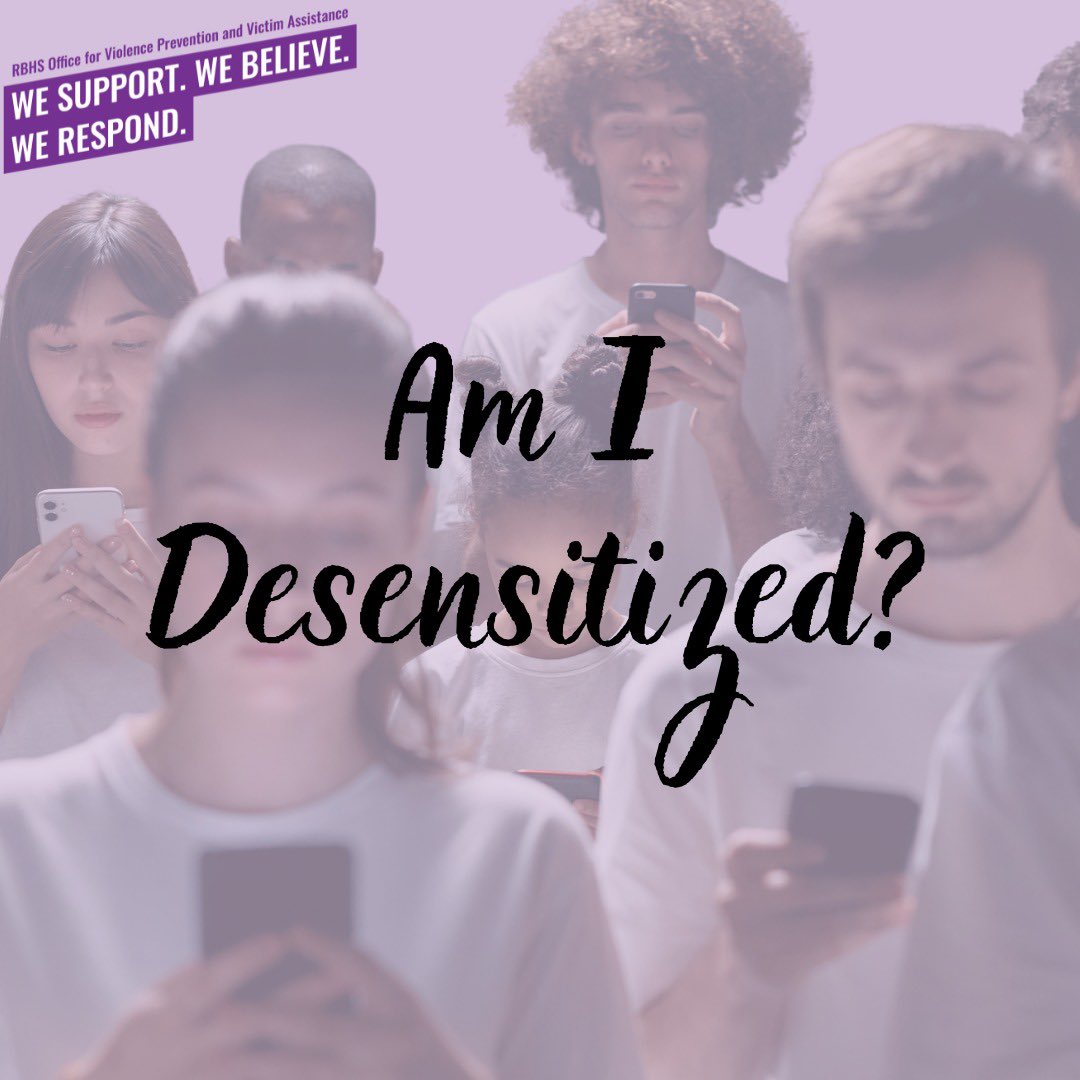
Desensitization to violence refers to a psychological phenomenon where individuals become less sensitive or reactive to violent content due to repeated exposure. In today's media-saturated world, it is important to be aware of the signs of desensitization.
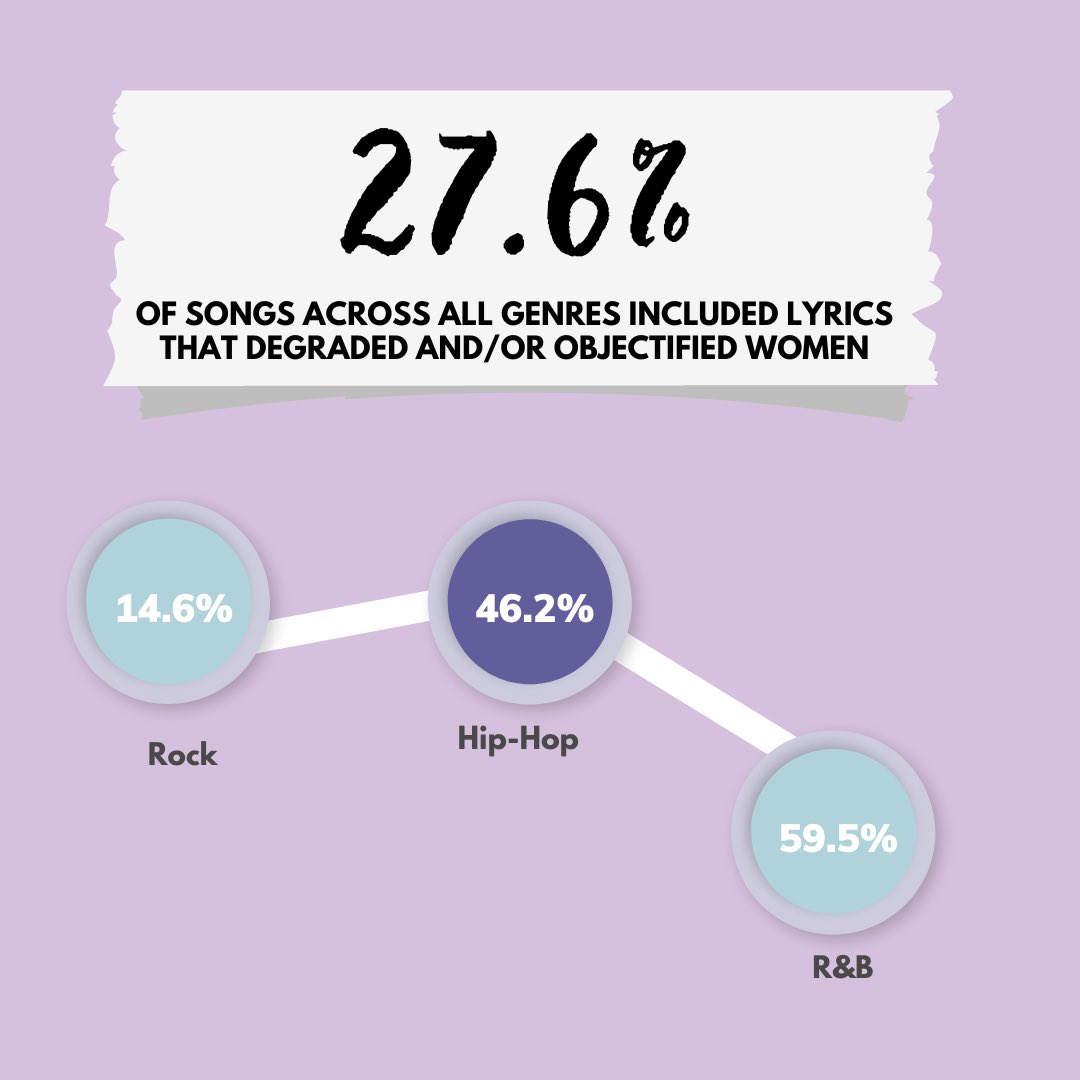
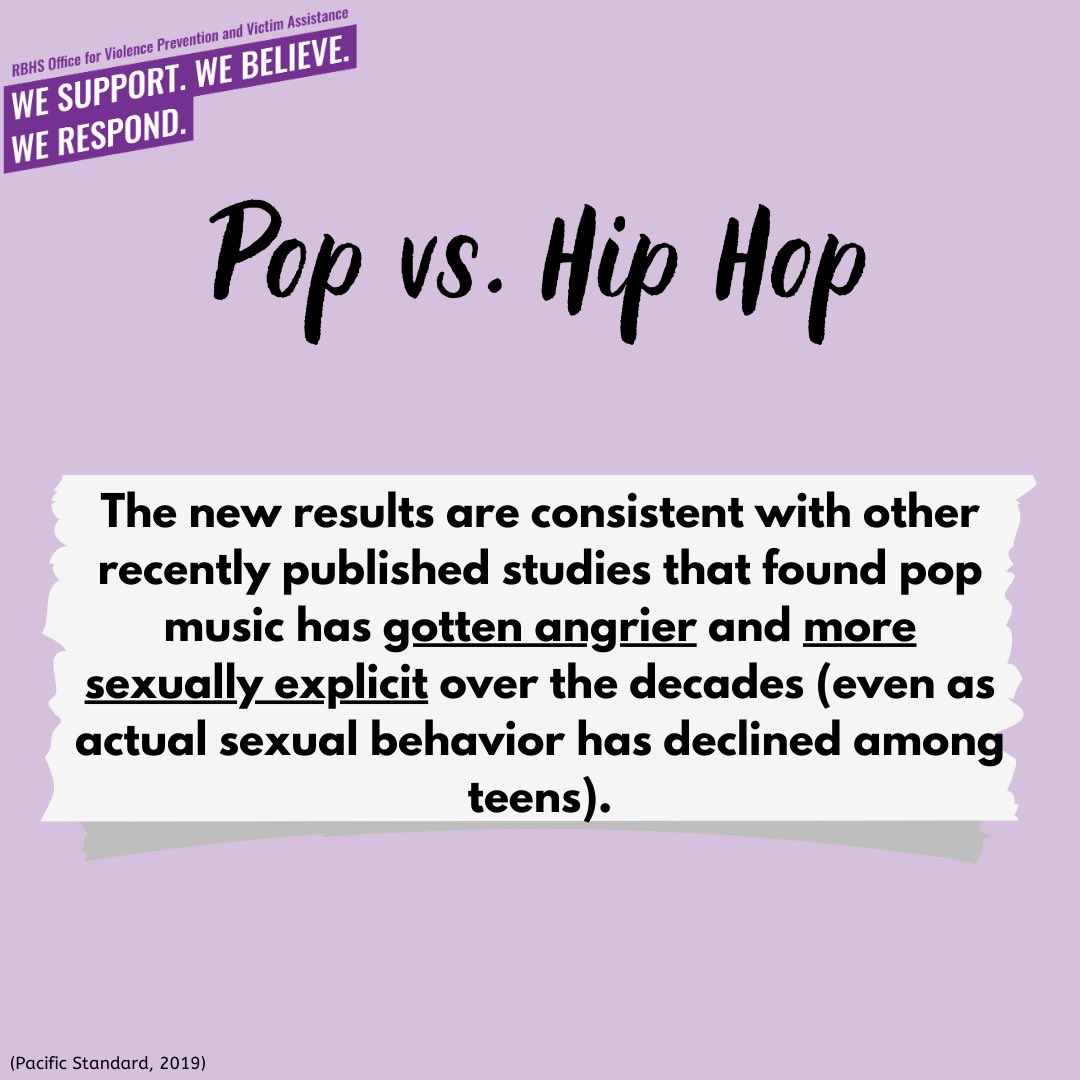
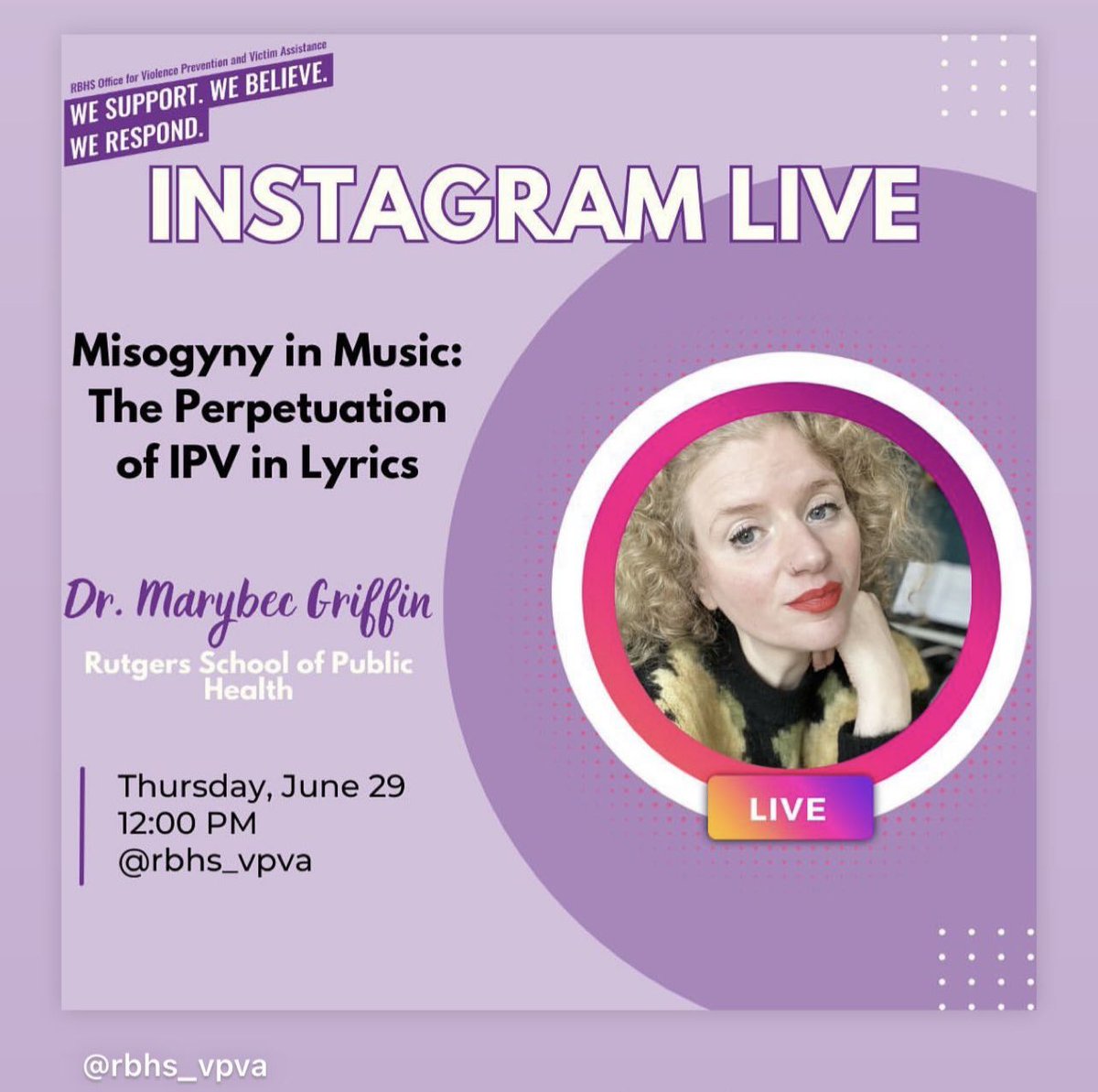
Join us live on June 29th at 12 PM for an eye-opening conversation with Professor Marybec Griffin from the Rutgers School of Public Health. We're diving deep into the powerful topic of 'Misogyny in Music: The Perpetuation of IPV in Lyrics.' @MarybecGriffin
Together, we can build a society where every individual feels safe, respected, and valued. Let Juneteenth be a reminder of our commitment to freedom and equality, #Juneteenth#EndDomesticAbuse#FreedomForAll
From lyrics objectifying women to the underrepresentation of female artists and the perpetuation of harmful stereotypes, music has been a place where misogyny finds its voice. Dismantling these narratives are essential, creating a space that celebrates equality and respect.