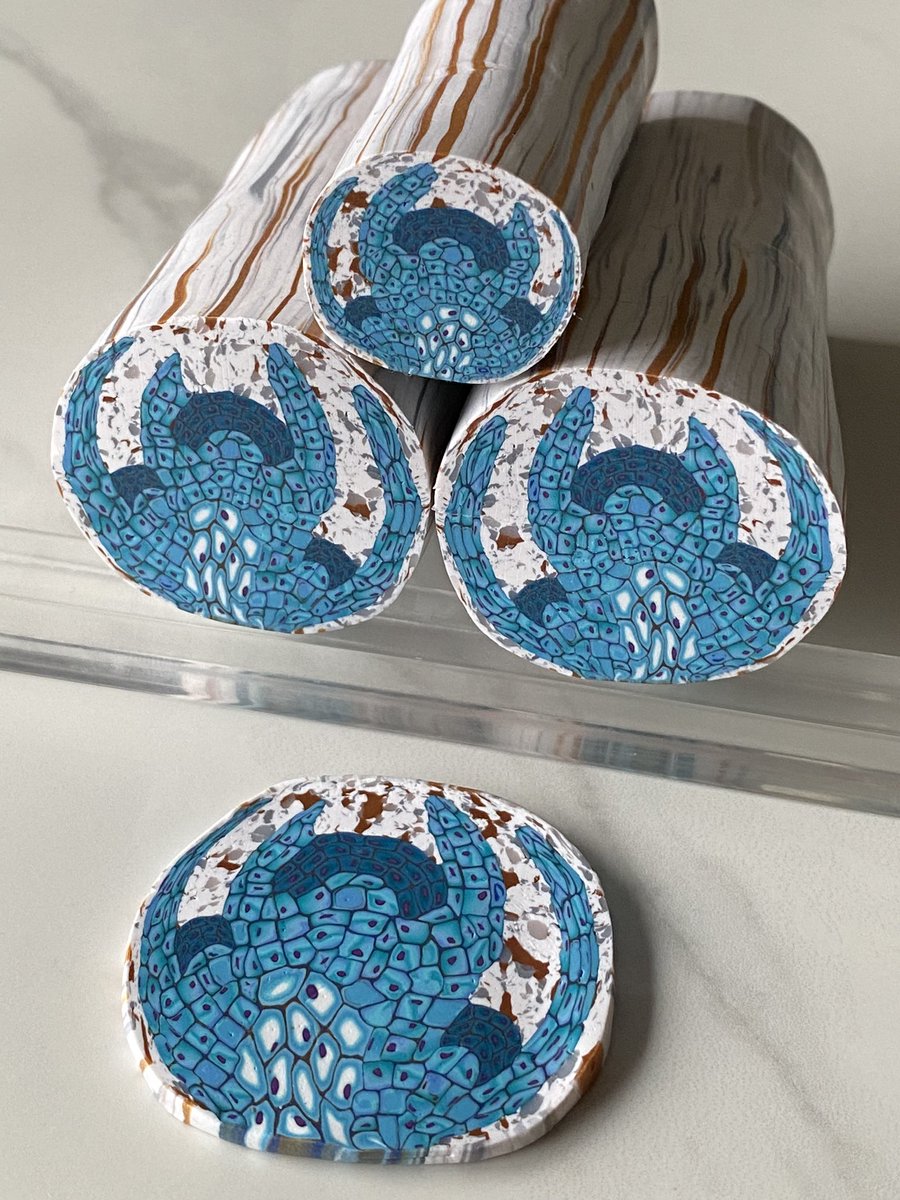
We sampled at 500m yesterday, and found this Coffin fish, and a few Glass eels. I can't stress the importance of the #taxonomists, @fishgirl282 on #SEAMES and an excitable and eager Science team are grateful for their patience @CSIRO@FRDCAustralia@UNOceanDecade
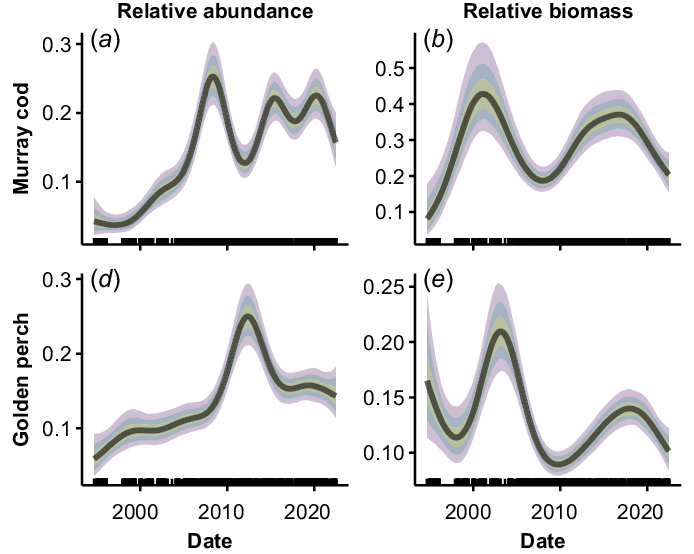
New Paper! Using a massive database we present long term trends in abundance, biomass and size structure for six key large-bodied species in the NSW Murray-Darling Basin https://t.co/KDYhzvzX36 @AustSocFishBiol Trends are presented at both the basin and valley scales!
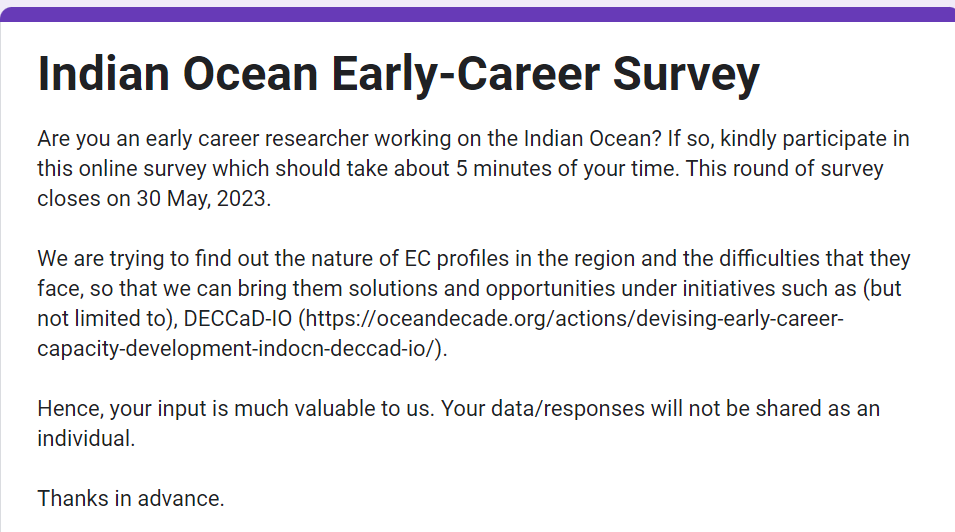
Indian Ocean Early-Career Survey!
Are you an early career researcher working on the Indian Ocean? If so, kindly participate in this online survey for 5 minutes of your time.
https://t.co/L60IWREXLa.
Deadline on 30 May 2023.
#wiomsa#wioregion#earlycareerteachers
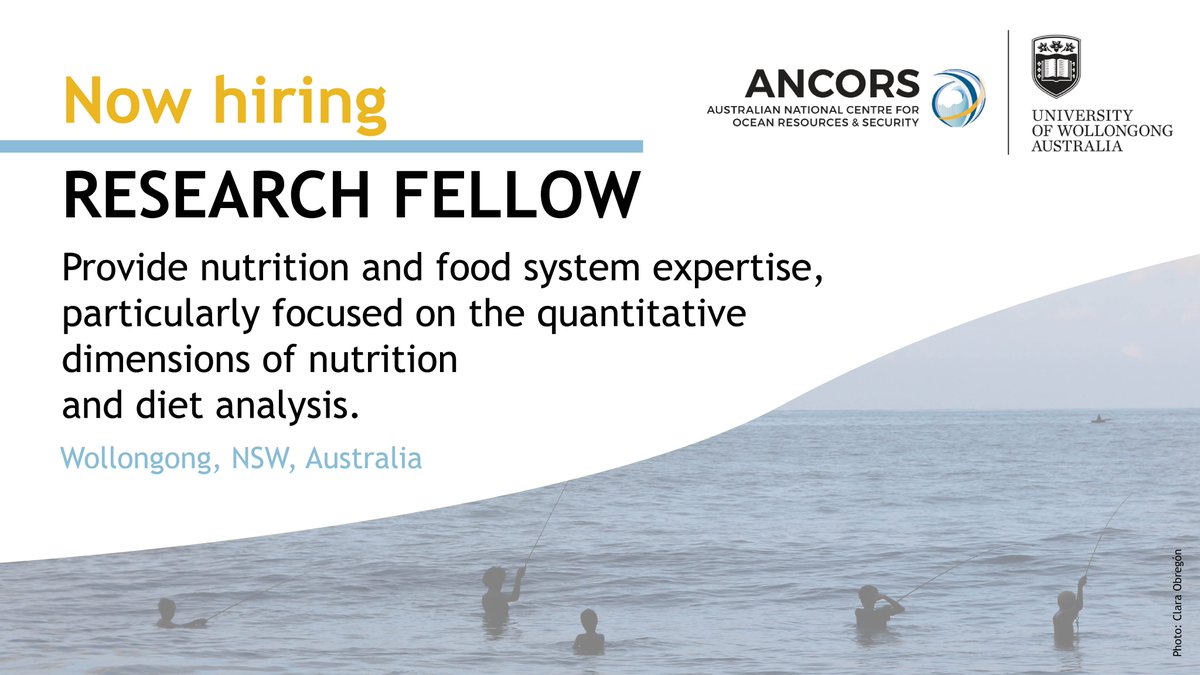
Join our multidisciplinary team working at the frontier of food systems and rural livelihoods in communities in the Pacific region. Two year post-doc based ANCORS @UOW. Closes 17 May https://t.co/5pEuuneiDG
Great ecological modeler position in Czech Republic Ceske Budejovice town. If you are interested in fish and inland ecosystems, this a great place to work. Please RT
https://t.co/2HCd02nb1X
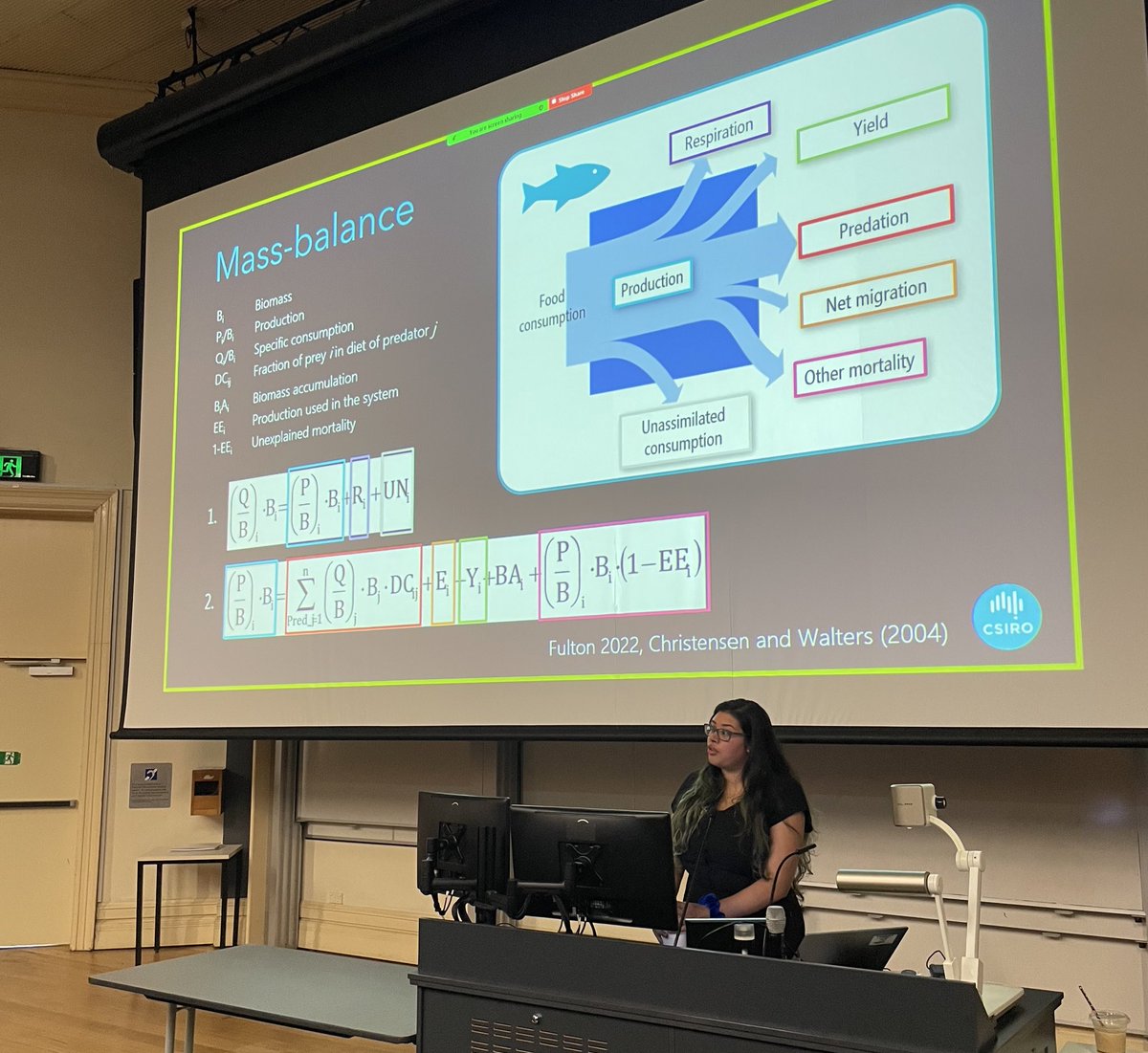
Great crash course in ecosystem models by this week’s @eec_sydney seminar speaker @RCSubramaniam investigating the resilience and sustainability of Australia's seafood supply chains @SydneySOLES
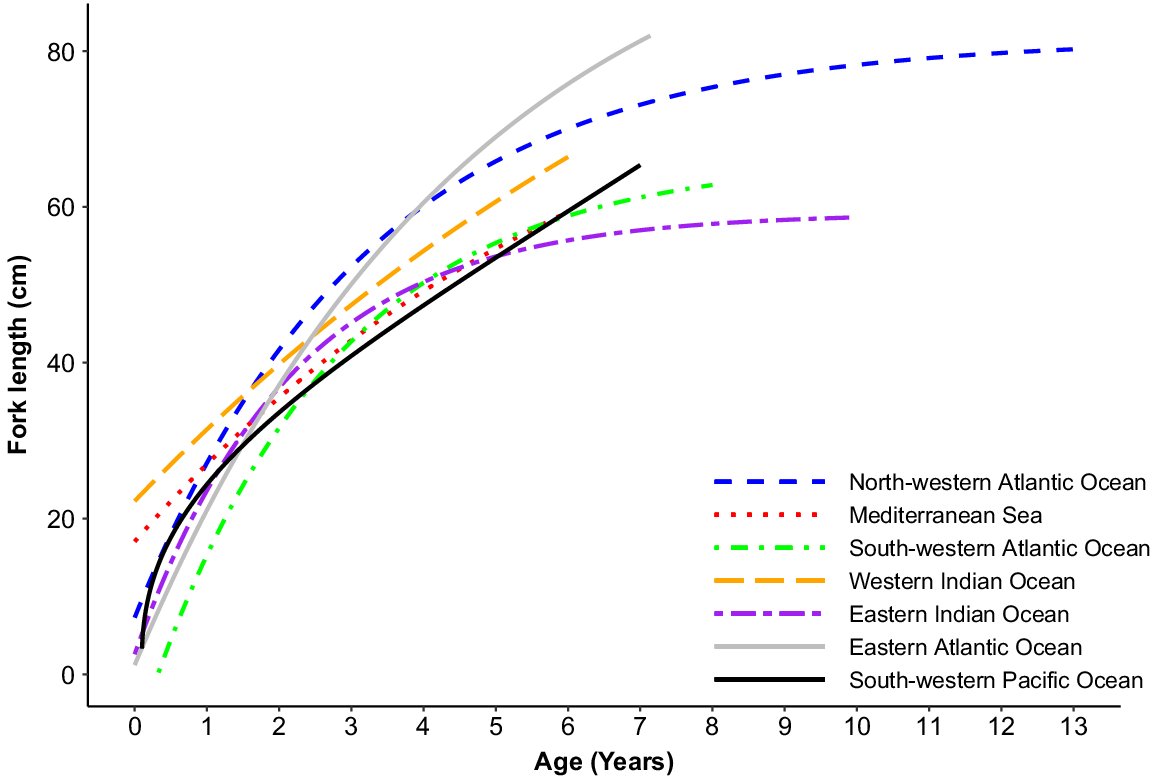
New Study – Age and growth rates of tailor (aka bluefish) in eastern Australia with global comparison. Special paper as it’s the last one from my PhD. We show growth rates are globally similar but age structure of harvests vary greatly. @UNSWScience@ASFB https://t.co/EFdcWQ0hCa
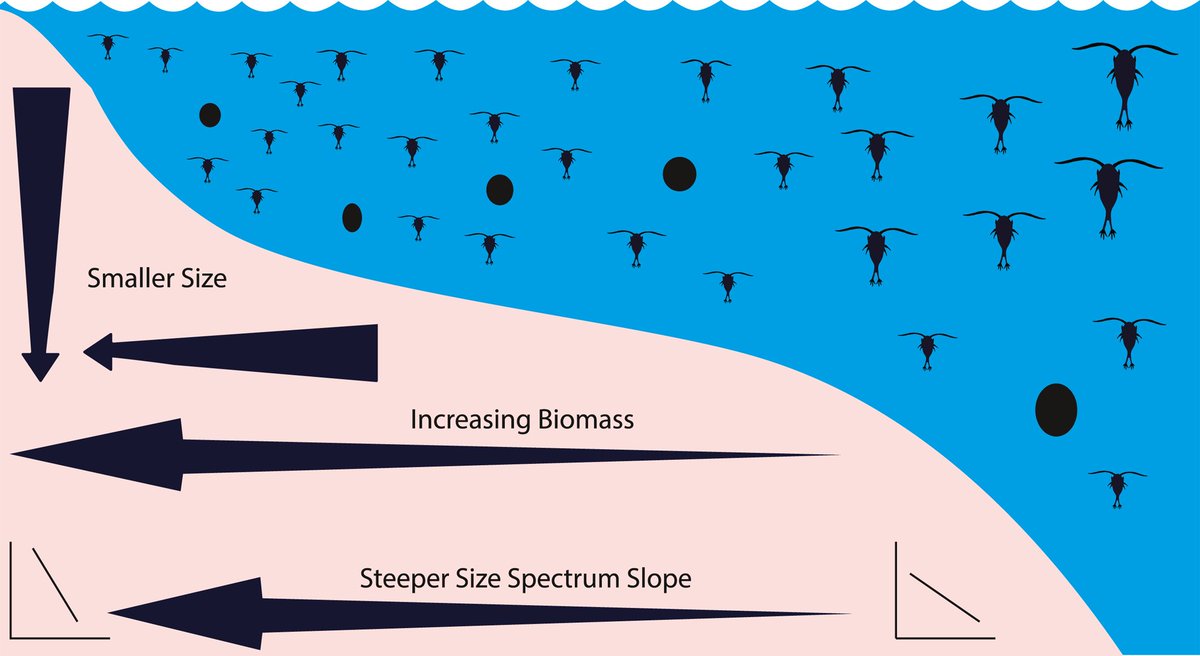
New paper! Using a towed plankton counter we looked at particle size structure across continental shelves (AUS case study) and find globally consistent patterns(!) of smaller particles, higher biomass and more productive communities inshore! @UNSWScience https://t.co/leJVT4MrSO
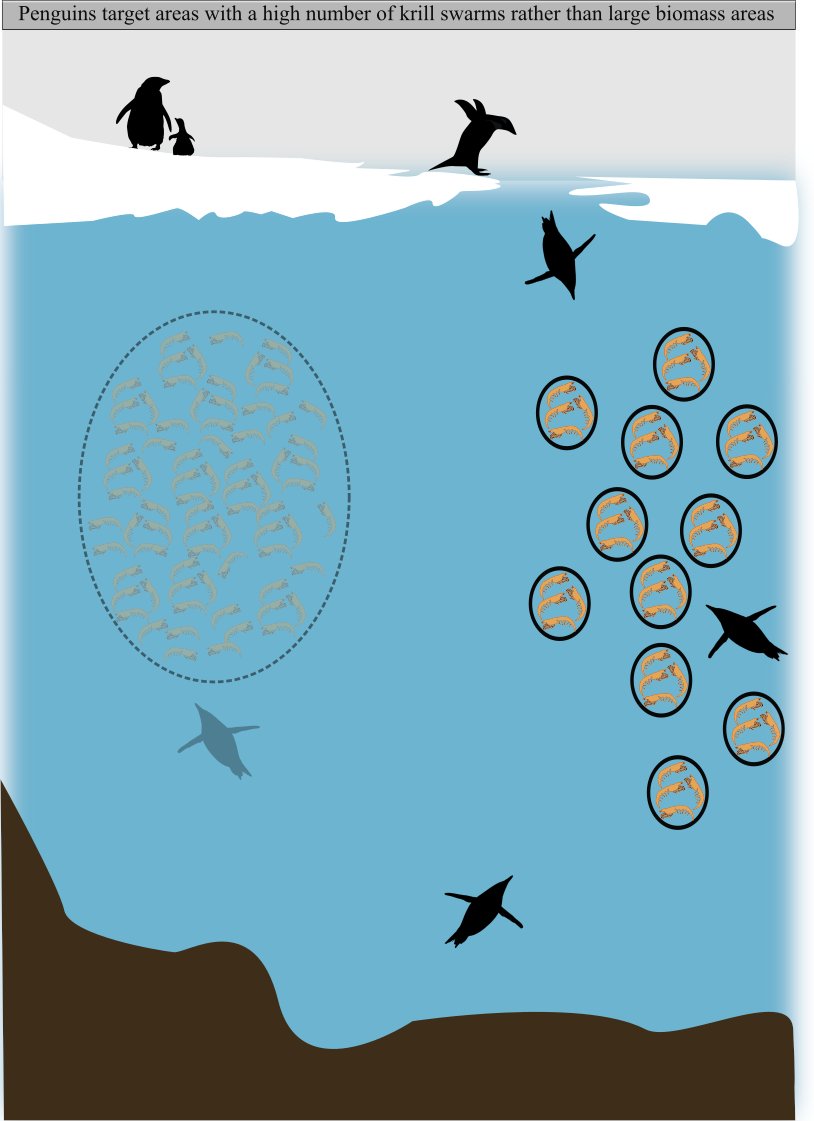
🚨New paper out in @FrontMarineSci looking at the spatial overlap between Adélie🐧and🦐
We found #penguins concentrate foraging in areas with a high number of #krill swarms rather than high swarm biomass. Available at👉https://t.co/2navhRrkJ0
@IMASUTAS@mpred_lab @AusAntarctic