REconciling sCience, Innovation and Precaution through the Engagement of Stakeholders | EU Research Project | #PrecautionaryPrinciple | Tweets: @EcologicBerlin
How to reconcile #science, #innovation and #precaution? Follow us to keep abreast of ongoing discussions, learn about case study findings and get engaged in the development of new tools that help #policymakers to make sound decisions. Visit https://t.co/j9SjxUQhSi for more info!
The RECIPES team has identified lessons learnt from its guidance on the #precautionaryprinciple for the chemicals and the gene technology sector.
👉You can download the sector specific briefs here: https://t.co/iiHZtgJoMe
How can participatory approaches support the application of the #precautionaryprinciple? The @RECIPESproject w/ IASS researcher @PJ_Schweizer offers guidance in its final policy brief https://t.co/DcefQbI5DP
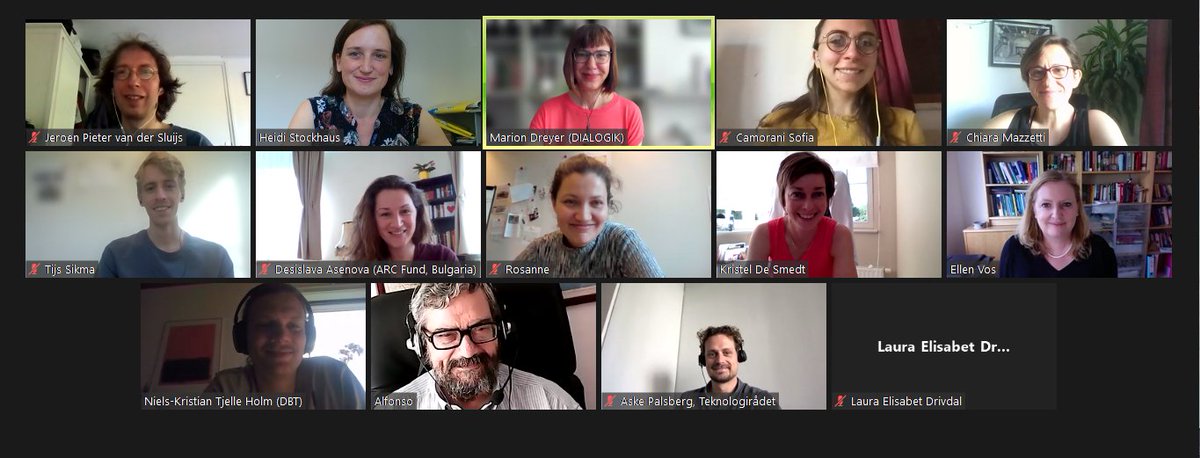
Today, we had our final consortium call before the end of the project. Moving the discussions around the #precautionaryprinciple forward has been a rewarding task. Our e-book will be published soon - stay tuned!
Broadening the scope of future environmental risk assessments of pesticides: lessons from the neonicotinoids case. @RECIPESproject My key-note today at #ONE2022 ONE – Health, Environment, Society – #EFSA Conference 2022 in Brussels https://t.co/JqzzQGzcYv
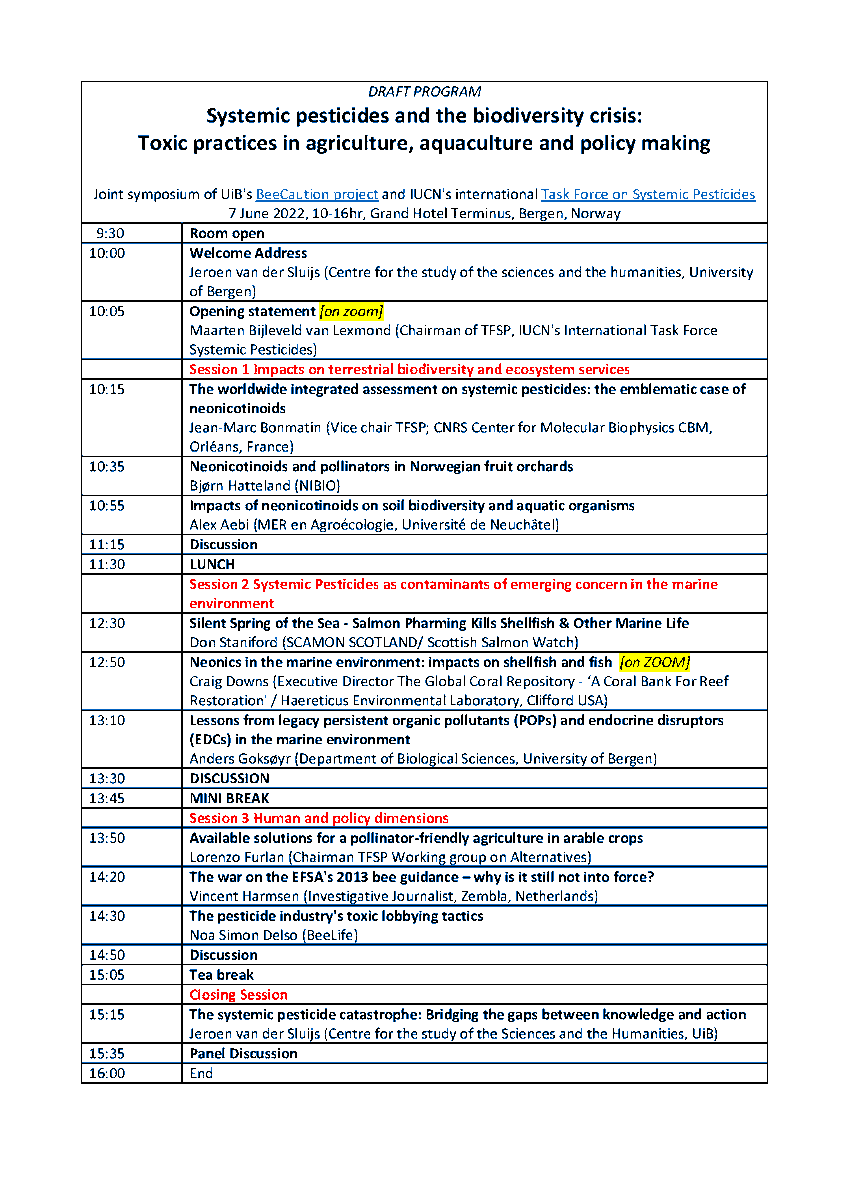
As part of the BeeCaution project, @vitenskapsteori is organising a conference on the systemic pesticides and the biodiversity crisis today
#precautionaryprinciple
https://t.co/qWvfTZzZYo
International symposium:
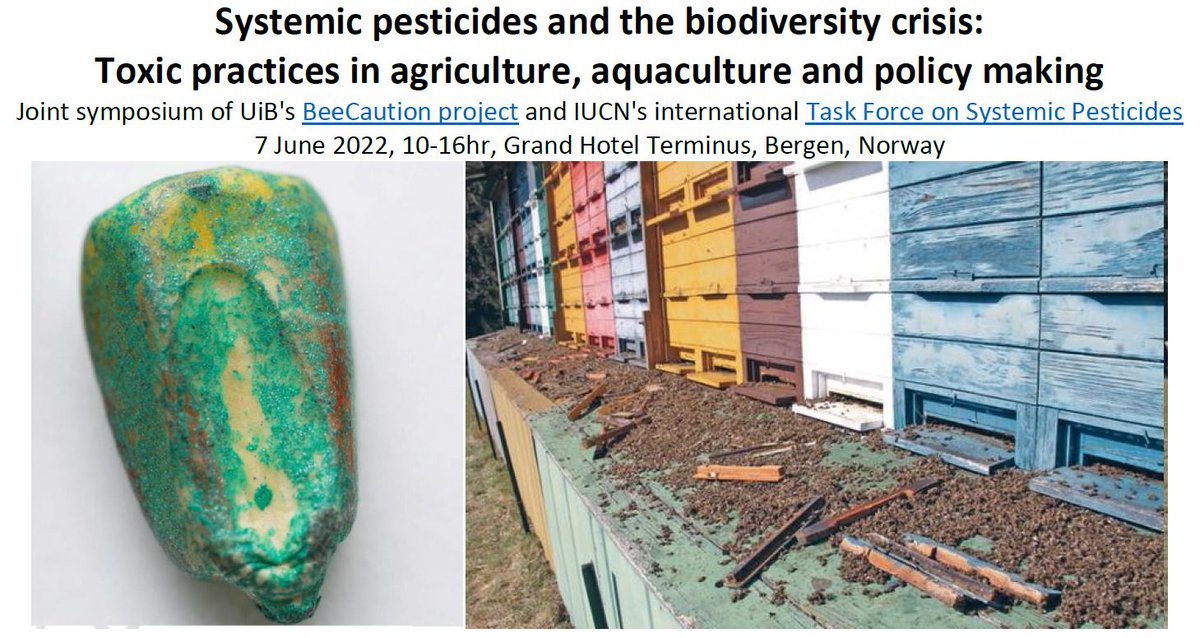
Systemic pesticides and the biodiversity crisis: Toxic practices in agriculture, aquaculture and policy making, 7 Jun'22, Bergen. Meant for a broad audience, academics, NGO's, citizens, beekeepers, students, etc. Register: https://t.co/RYPYxvxiLS
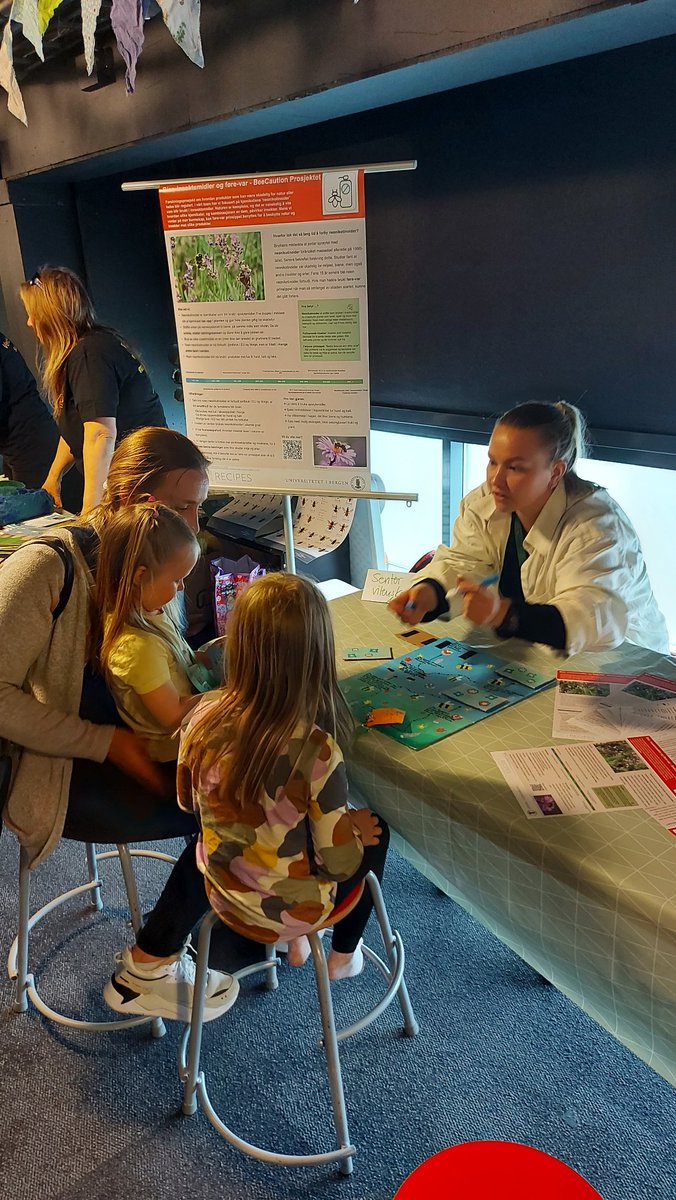
BeeCaution in action at vilvite biodiversity weekend: students from @uib@vitenskapsteori master sustainable development explain how the precautionary principle @RECIPESproject can help protect bees
https://t.co/YcZrqIyhYD
Last week the RECIPES team conducted the dissemination conference “Precaution for Responsible Innovation: New Options to Move Forward” in Brussels and online.
👉 Read this for a short recap: https://t.co/7bApT23JaX
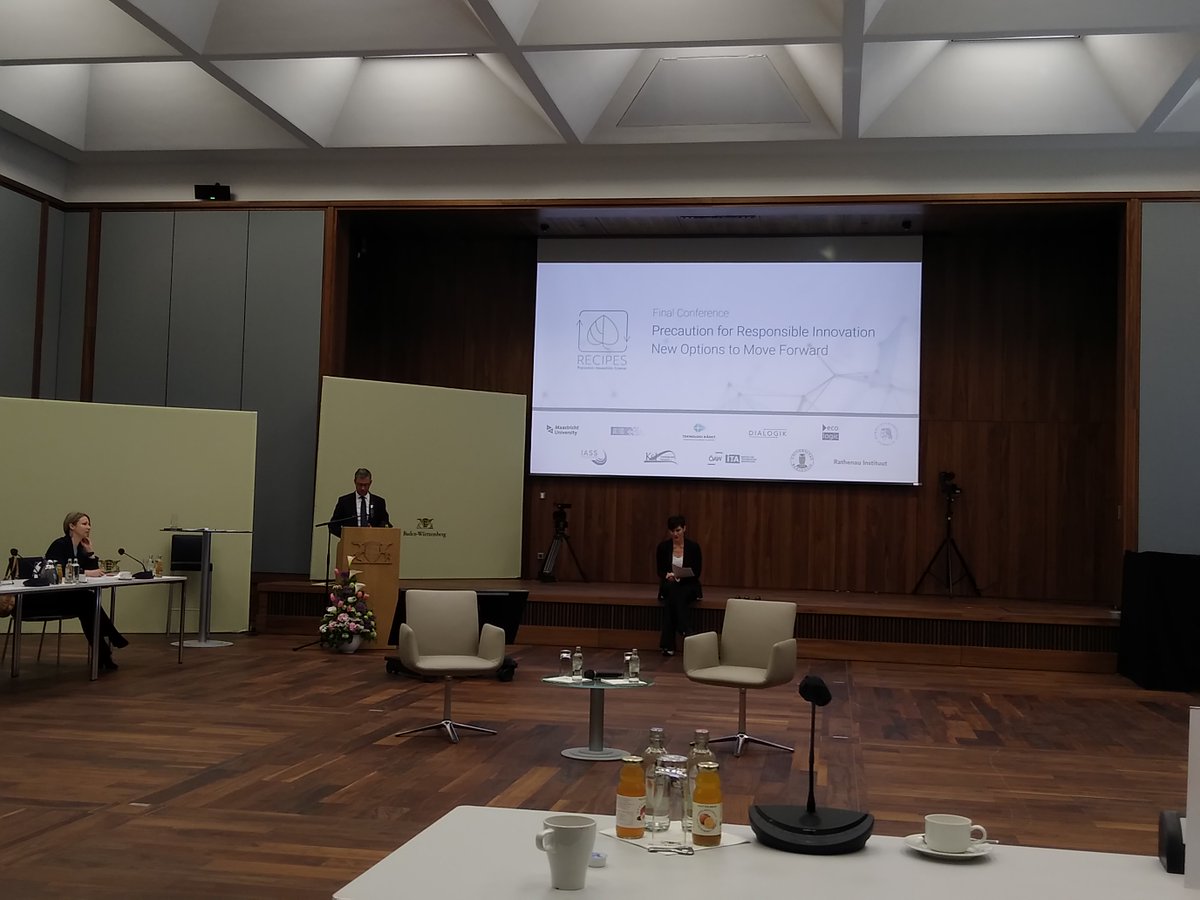
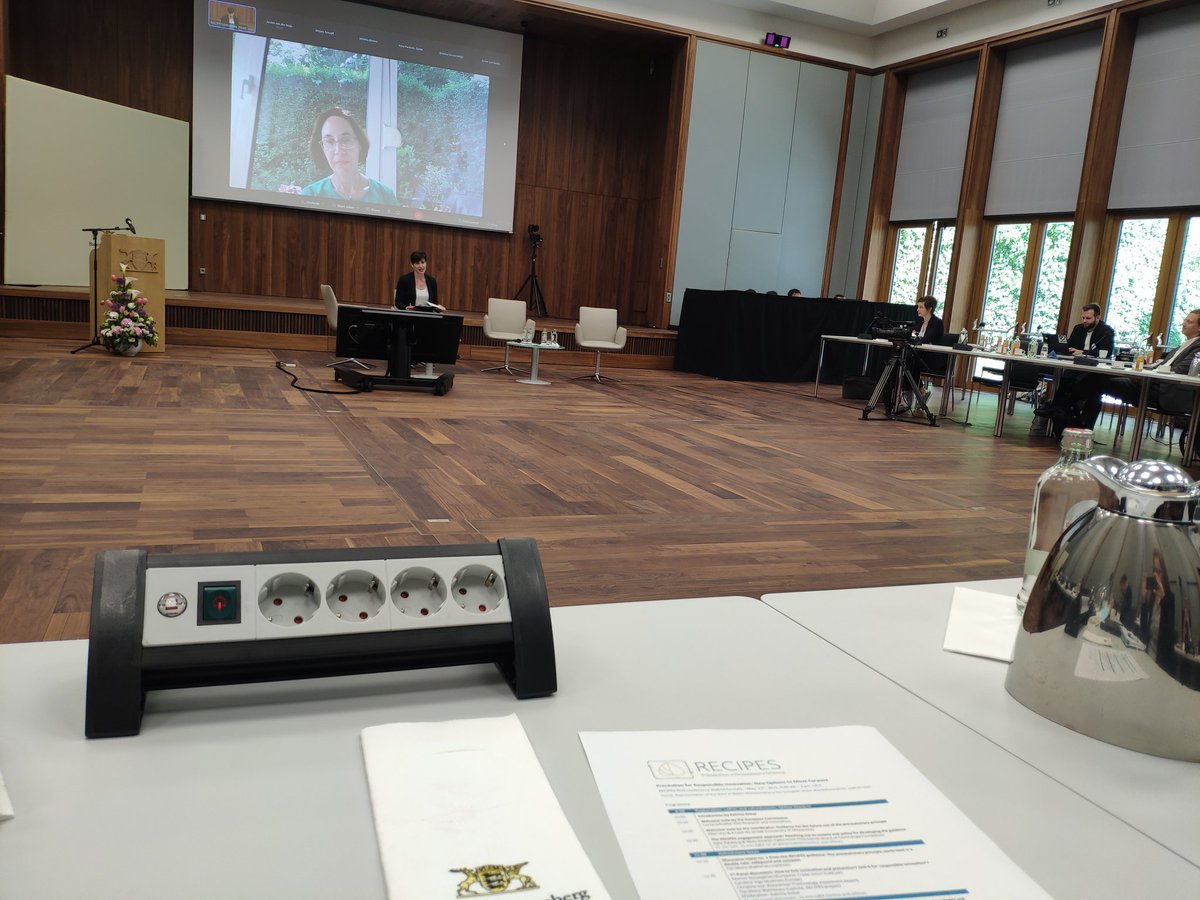
The @RECIPESproject final conference "Precaution for Responsible Innovation: New Options to Move Forward" has just started in Brussels and online. Follow @RECIPESproject on Twitter and stay tuned on the important insights of today's meeting.
#Glyphosate assessment is pushed back to mid-2023; temporary extension to be granted unless 'urgent evidence of serious risk' is found by @EFSA_EU or @EU_ECHA. Too high a bar: not in line with #PrecautionaryPrinciple as incorporated in EU pesticides law. https://t.co/FO1marNkhW
DEFRA’s environmental principles statement has been attacked as being substantially weaker than the legal principles which underpinned environmental protections before Brexit, with green groups warning of a “downgrading” of the precautionary principle.
⬇️
https://t.co/JELsBv9CIK
Save the date: 7 Jun Bergen: "Systemic pesticides and the biodiversity crisis: Toxic practices in agriculture, aquaculture and policy making". Joint symposium of UiB @vitenskapsteori BeeCaution project and #TFSP. Registration opens soon at https://t.co/3WFIRfD84F
Actionable knowledge for precautionary risk governance - my presentation at @RECIPESproject final conference today https://t.co/PLexaN11za More on our bid to establish a Centre of Excellence on Actionable Knowledge: https://t.co/gNCSeCeKqV
"The 9 RECIPES case studies provide a solid basis for the understanding of the application of the #precautionaryprinciple, by topic and context, and of how its application can support decision-making that is both evidence-based and socially responsible, says Pia-Johanna Schweizer