MCQ—Easiest to hardest
1. Civil Litigation
2. Professional Ethics
3. Corporate Law Practice
4. Criminal Litigation
5. Property Law Practice
THEORY
1. Corporate Law Practice
2. Professional Ethics
3. Criminal Litigation
4. Property Law Practice
5. Civil Litigation ( I only discovered it was called Evil Litigation after the exam.
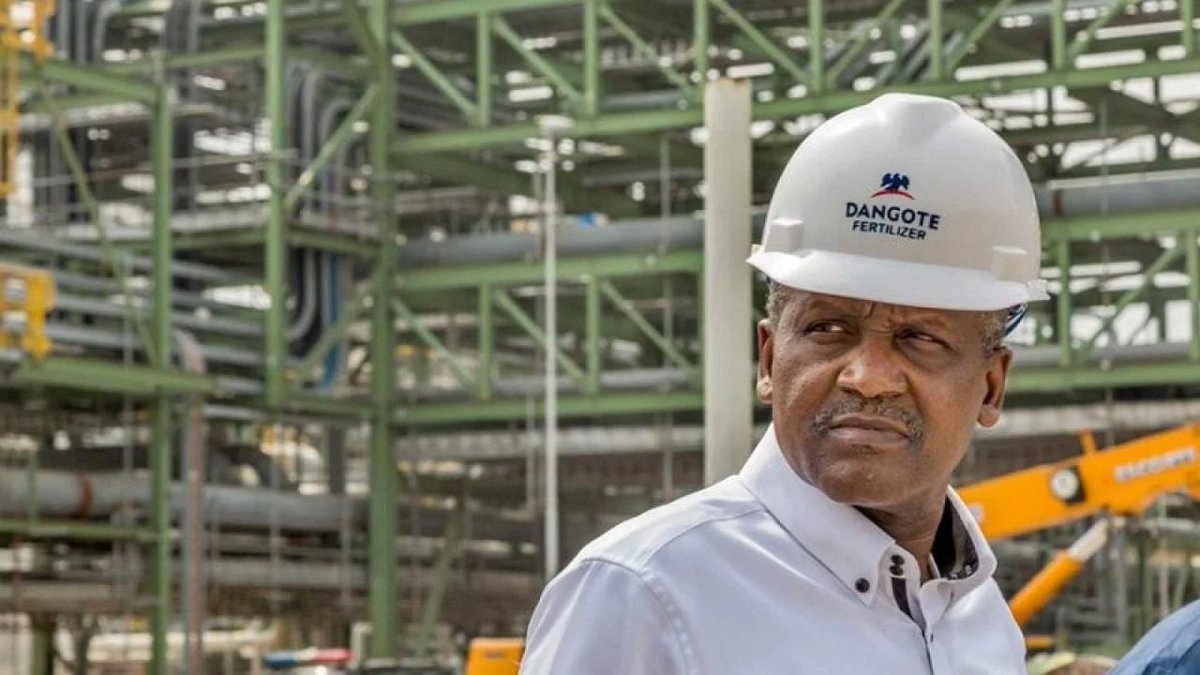
NNPC has four refineries across the country and controls an extensive nationwide network of pipelines and depots, an infrastructure far more robust than Dangote’s reliance on road tankers.
NNPC is also an oil producer, with direct and preferential access to crude oil, an advantage Dangote does not have.
If, despite these structural and institutional advantages, NNPC is unable to compete effectively, then the issue is not Dangote or an imagined monopoly.
A state-backed oil giant with superior assets should not be outperformed by a private refinery unless something is fundamentally broken.
The wait is finally over. 💳
Spend your $USDC instantly, anywhere Mastercard is accepted, while maintaining full control of your assets.
The Solflare Card has arrived. ↓
Introducing:
Solflare Kingdom - Telegram Mini App
A fun way to earn points, complete quests, and get crypto rewards right inside Telegram.
Here’s what’s inside ↓
In Adamu v. State (2025) NWLR. Pt. 2003, the Supreme Court held that it is not only medical evidence that can be used to prove Rape. If there is circumstantial evidence corroborating the evidence of the victim, rape will deemed sufficiently proved. This judgment is a good one.
If you’re a corporate Law Attorney, you need to read the case of Stanbic IBTC Bank Plc v. LGC Ltd (2025). NWLR. Pt. 2002. It’s a Capital market dispute involving investor protection, disclosure obligations, and the legal effect of misrepresentation in a private placement offer.
𝗧𝗵𝗲 𝘃𝗲𝗿𝘀𝗲 𝗼𝗳 𝘁𝗵𝗲 𝗤𝘂𝗿𝗮𝗻 𝘁𝗵𝗮𝘁 𝗲𝘅𝗽𝗼𝘀𝗲𝘀 𝗮 𝗹𝗼𝘁 𝗼𝗳 𝗽𝗲𝗼𝗽𝗹𝗲'𝘀 𝗳𝗼𝗼𝗹𝗶𝘀𝗵𝗻𝗲𝘀𝘀
When a person is struck with hardship; illness, financial struggle, fear, loss, or helplessness, his heart naturally turns to Allah. In that moment, he remembers that only Allah controls outcomes, and he begs with sincerity, humility, and brokenness. His du’a becomes pure, his tears flow, his heart soft, because nothing else seems capable of saving him.
But when Allah, out of His mercy, removes the hardship and replaces it with comfort, wealth, ease and stability, many people quickly forget that the relief came from Allah. Instead of gratitude, they begin to attribute the success to their own intelligence, strategy, effort, and skill. They say:
“I worked hard.”
“My planning paid off.”
“I am smart and capable.”
They speak as though Allah had no role.
The same man who was once humbled by fear now becomes arrogant in comfort.
The Qur’an describes this as a form of foolishness because:
1. Hardship revealed the truth; that man is weak and in need of Allah.
2. Ease exposed the illusion; that man thinks he is independent and self-made.
Allah is teaching us that the real test is not only in difficulty, but even more in times of abundance.
Hardship pushes you to Allah.
Ease reveals if you will remain with Him.
The wise believer understands this, so when ease comes, he increases in humility, shukr (gratitude), sadaqah, and remembrance. He says:
“This is from the grace and mercy of my Lord.
Without Him, I can achieve nothing.”
But the foolish person lets his ego grow, forgets the One who answered him, and walks the earth as though he owns it.
The verse exposes how quickly man forgets his dependence on Allah, mistaking divine mercy for personal brilliance. True faith is proven not in how we call upon Allah during hardship, but in how we remember Him and show gratitude when the hardship is gone.
Anime was my first gateway into Japanese folklore, and it shaped how I came to see yokai and not just as MONSTERS but as symbols with depth and meaning.
What @YokaiSyndicate is building feels like a reimagining of that heritage. These humanoid yokai aren’t frightening, they’re endearing.
Could this mark a shift in how we perceive yokai: not as evil, but as part of a richer cultural story? 🌸