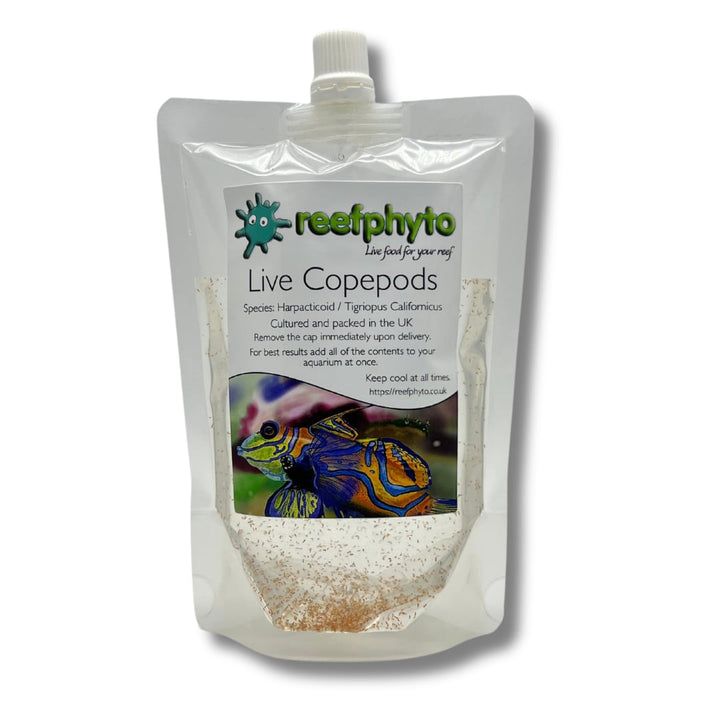
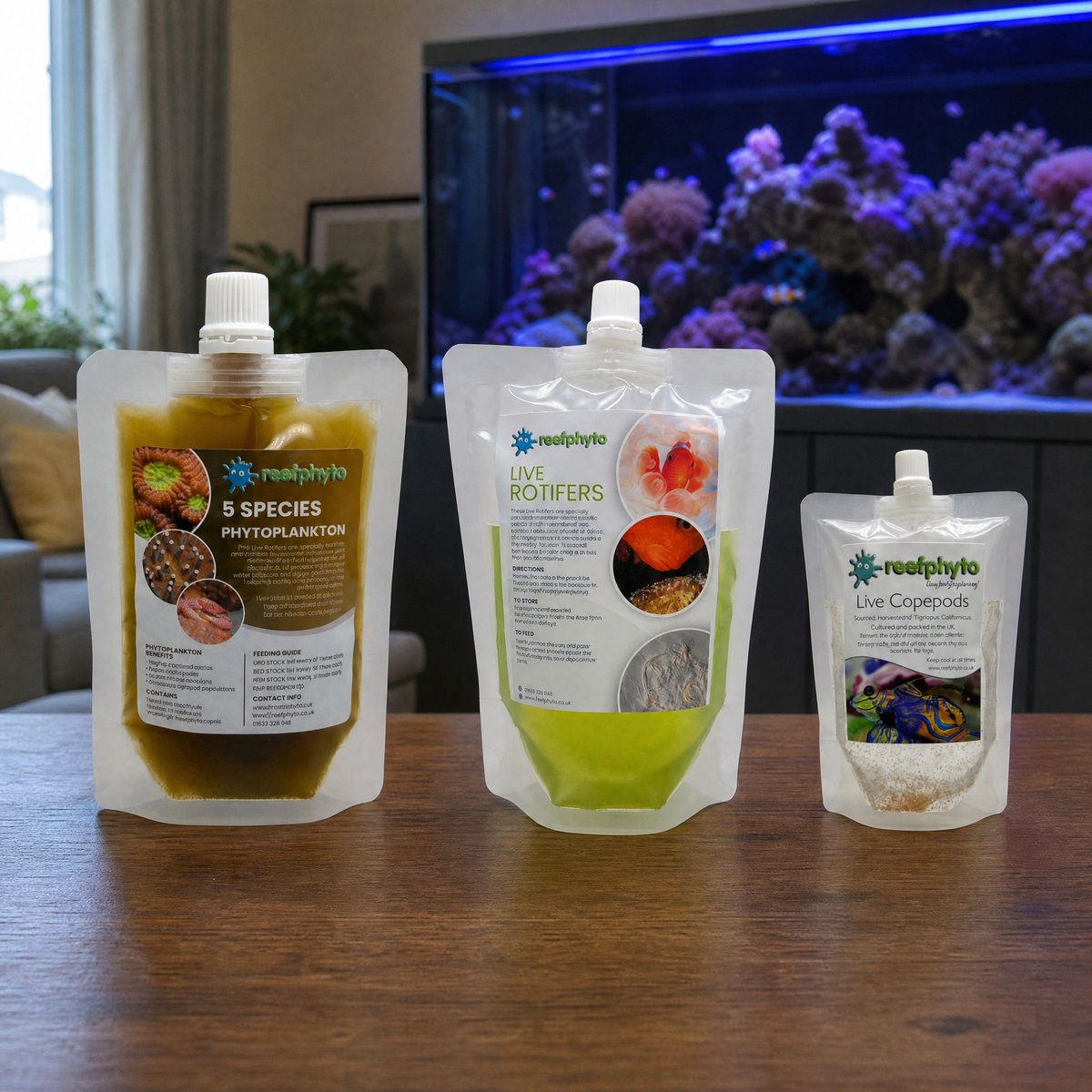
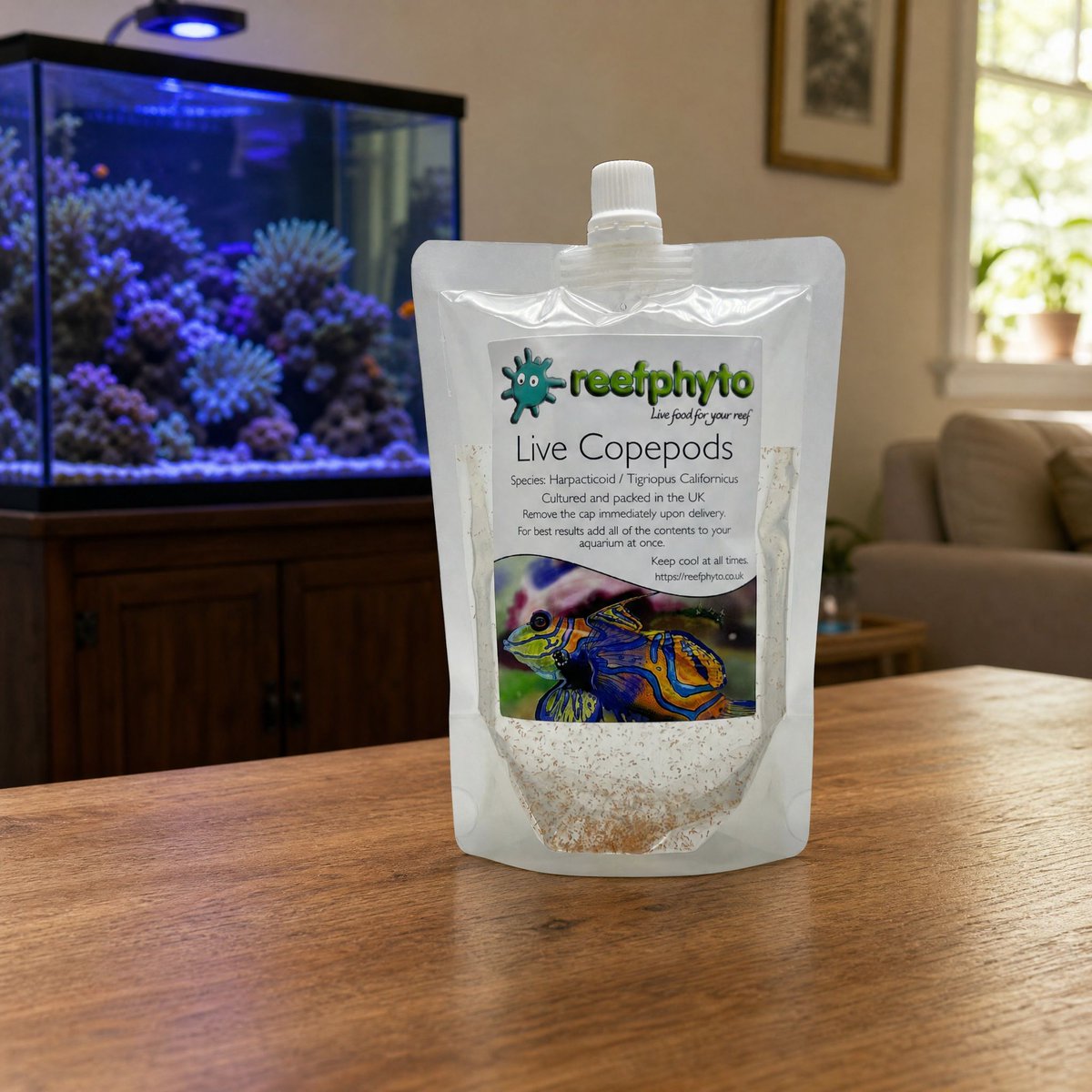
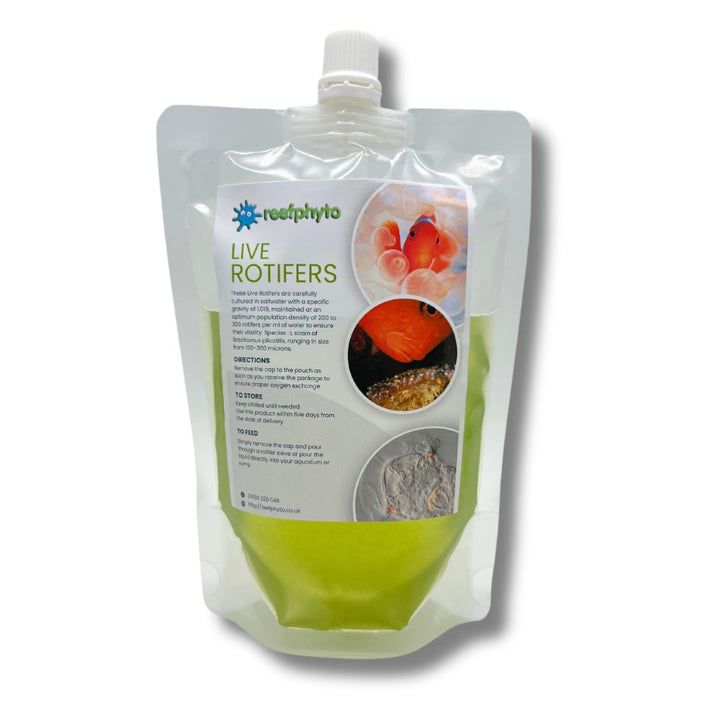
Three live foods, one order: Live Copepods, Live Rotifers and 5 Species Phytoplankton. Explore Reefphyto’s Zooplankton Multipack: https://t.co/kld3SYUE3O
What’s on your reef’s menu: copepods, phytoplankton, rotifers, or a mix of live, frozen and dry foods? Tell us what you keep and what you feed. New to live foods? Share your question.
Picky reef fish do not need more frozen cubes. They need prey that moves. Live *Tigriopus* copepods, cultured in Wales, shipped live. https://t.co/DU9lcMbcYK #reefphyto#livecopepods#ukreefer
Adding copepods after your fish is doing it the hard way. Add them once the cycle finishes and before the first fish, and they get weeks to breed with nothing hunting them. Timing, amounts and a week by week plan: https://t.co/e6hkQUmLC6 #reefkeeping#copepods#reefphyto
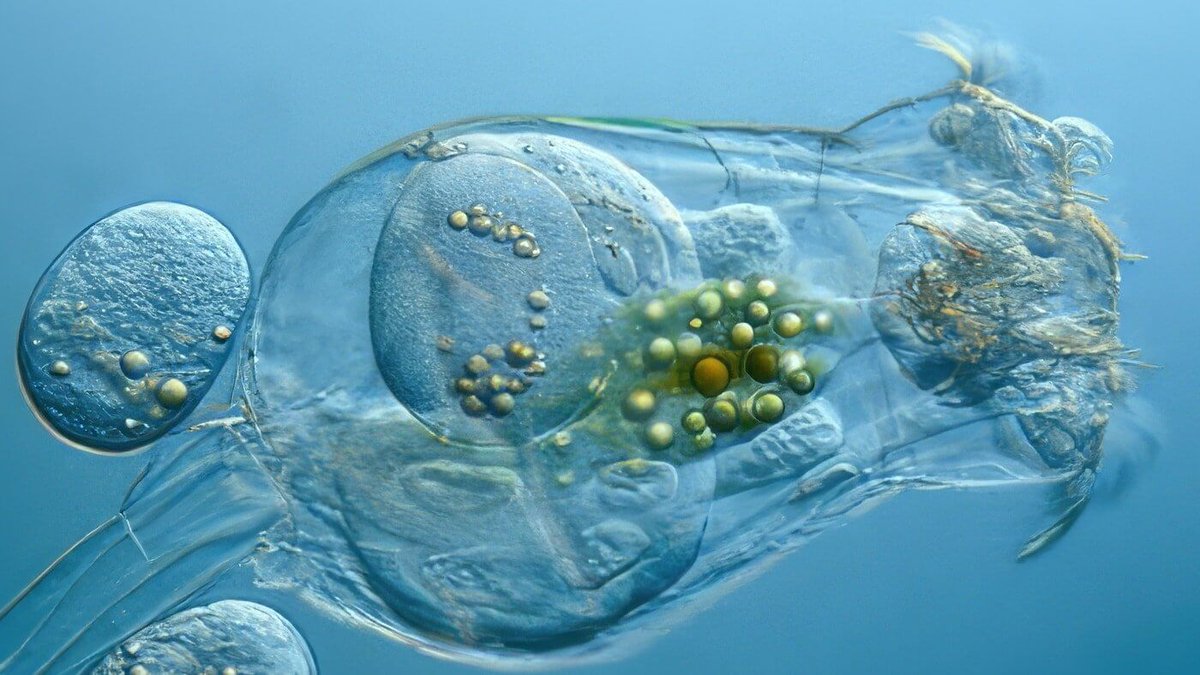
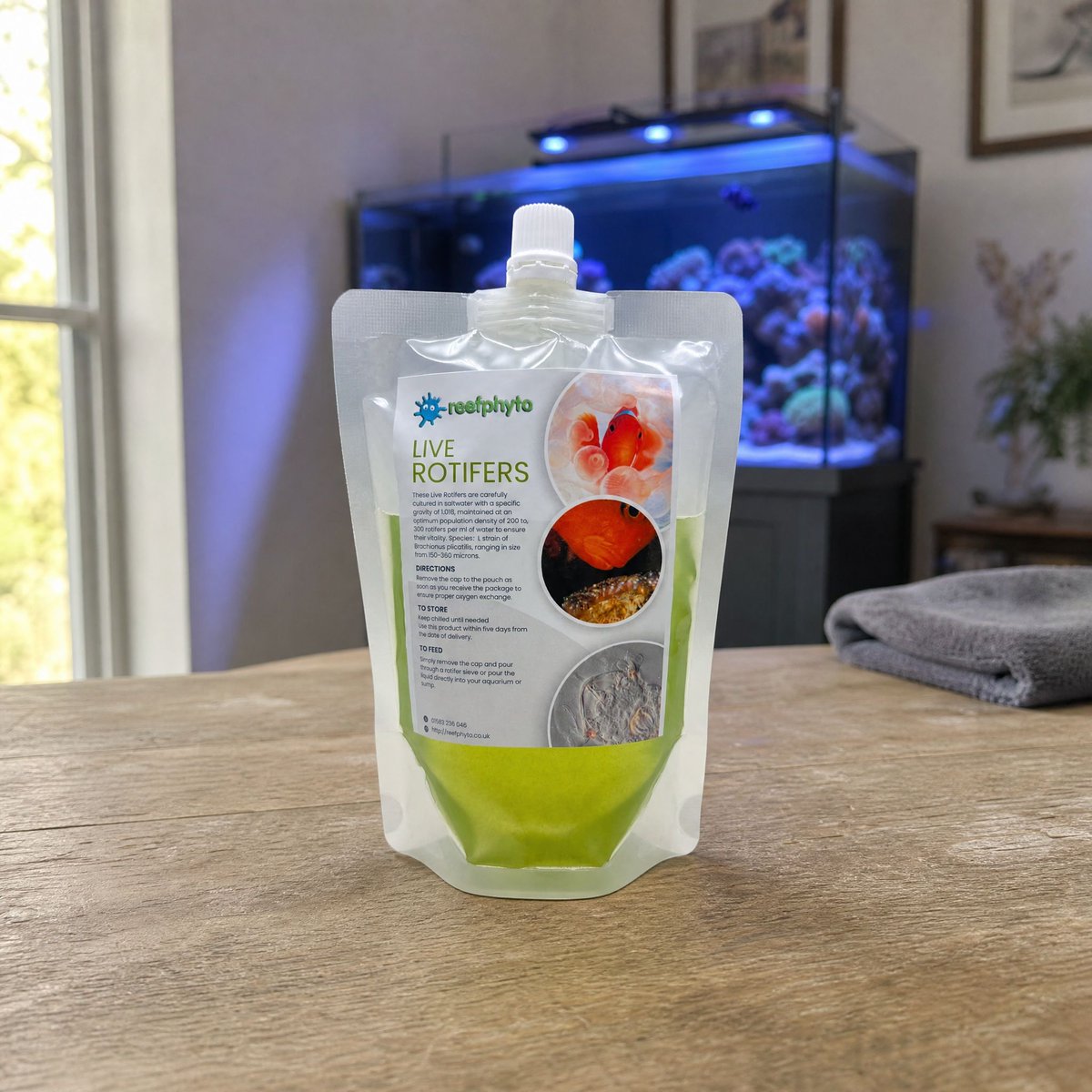
Meet the rotifers: microscopic animals used in marine fish rearing. Reefphyto cultures Brachionus plicatilis on live phytoplankton. Have you ever tried raising marine fish?
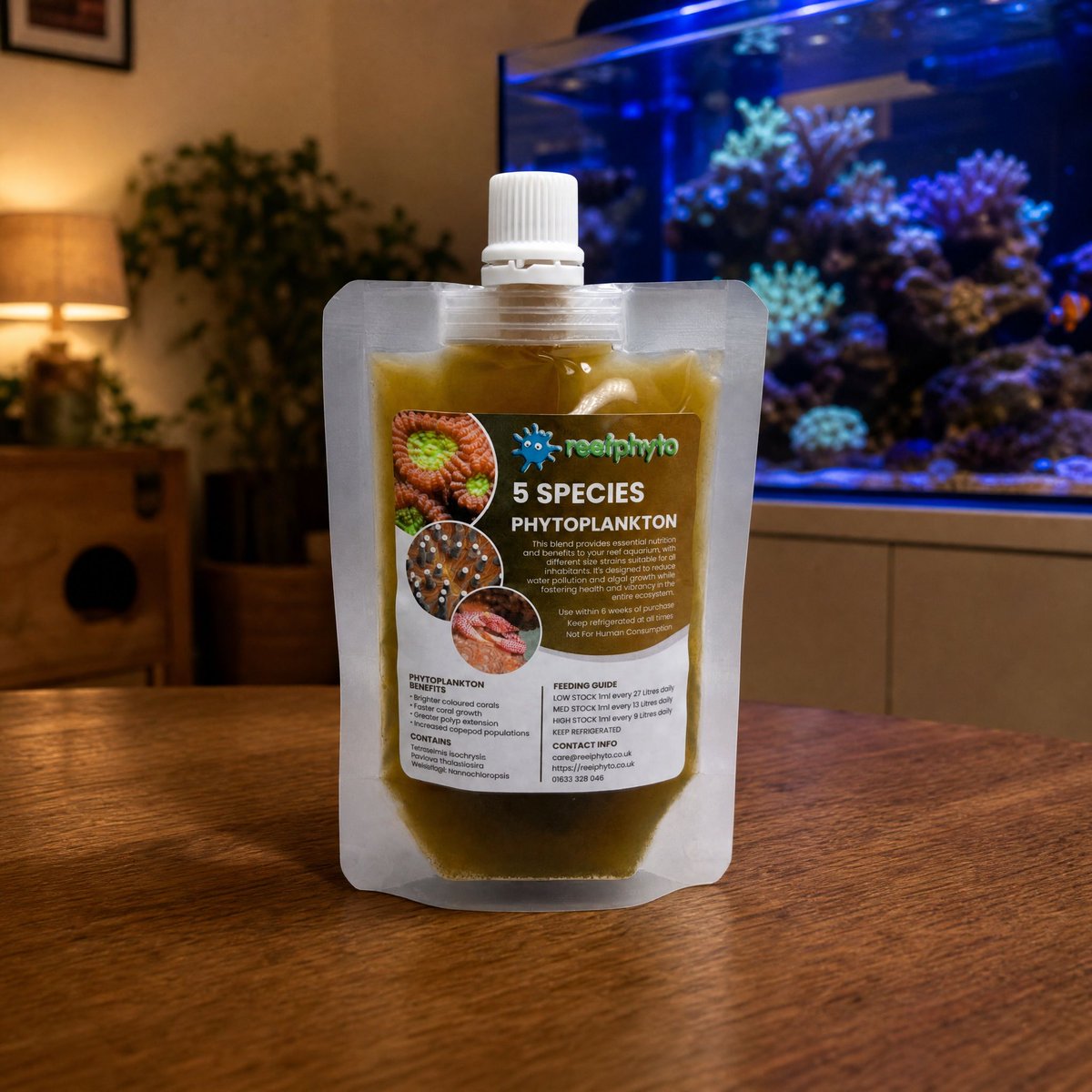
Phyto? Think microalgae. Phytoplankton are microscopic algae; copepods are small animals. Live phytoplankton can feed copepod and rotifer cultures. Which live food term would you like explained next?
What are copepods? Small crustaceans that form part of the marine food web, providing live prey for fish that eat them. Have you tried them in your aquarium?
Most mandarin dragonets die within a year. Not from disease. From starvation. New Mandarin Keeper Hub is live. Guides, products, ebooks, blog posts, and 18+ years of experience feeding these fish properly. Starting out or struggling, start here.
https://t.co/A5zQKNHXhy
Frozen brine shrimp sink. Live brine shrimp swim.
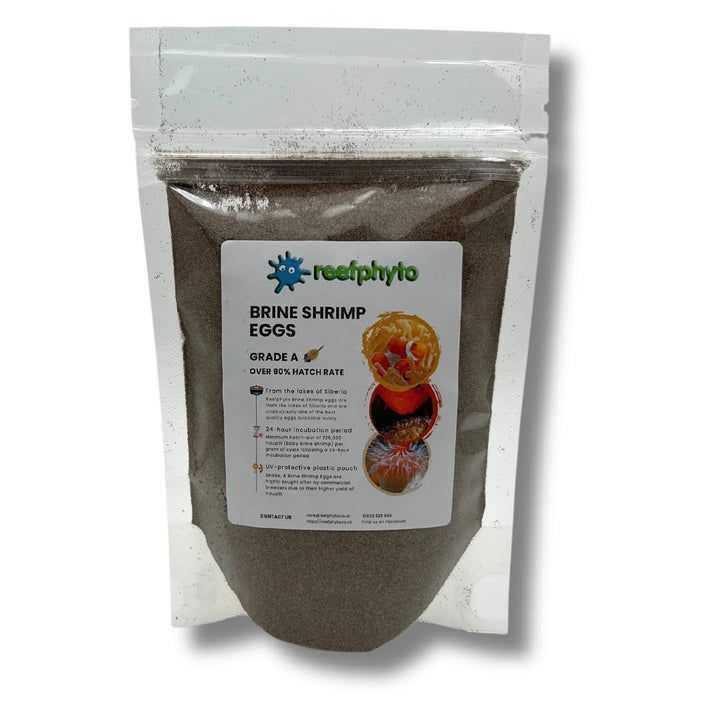
Hatching your own takes 24 hours, costs pence, and triggers a feeding response that no frozen food can match.
New step-by-step guide covers everything from eggs to enrichment.
https://t.co/R66c8SiqTy
Most mandarin dragonets die from starvation, not disease.
The feeding infrastructure needs to be in place months before the fish arrives. New guide covers the complete copepod system that keeps them alive long-term.
https://t.co/cgoSYTRbYG
Corals are animals. They need to eat.
Light covers part of the energy bill. Proteins, fatty acids, and the building blocks for growth and colour come from food.
New guide covers what to feed, when, and how - for every coral type in your tank.
https://t.co/YnMb3BnyDB
Most refugiums underperform for one reason: the copepods never get fed.
New guide covers the refugium setup - chamber positioning, chaeto, copepod seeding, phytoplankton feeding and the mistakes that kill productivity.
18+ years of experience, one post.
https://t.co/R6Ex25xYX8
If you're breeding clownfish or keeping seahorses, rotifers aren't optional.
They're the only first food small enough for newly hatched marine fry.
Full guide here:
https://t.co/4oUl1sy7vm
What's the one change that made the biggest difference to your reef?
For most of our customers, it was adding live copepods to a refugium. The tank just started behaving differently.
Curious what yours was.
Buying live copepods every few weeks adds up.
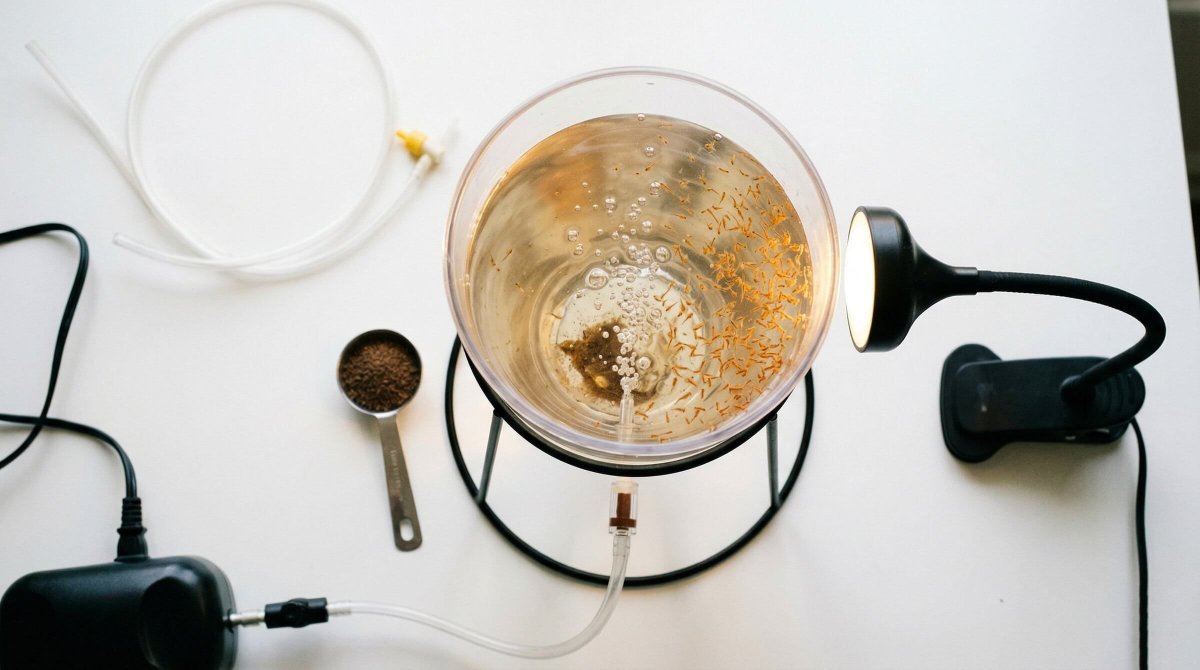
A culture kit pays for itself in 2-3 months and gives you a permanent supply on tap.
Everything you need in one box:
https://t.co/mYj1BDh99y
Mandarin hunting less confidently? Refugium population thinning?
Pod-Shot. Live copepods in a pouch. Pour and go. 50ml, 100ml, or 250ml.
No mixing. No prep. Just live prey, in your tank, in seconds.
https://t.co/xMxKAvcc19
Copepods contain 44-52% protein by dry weight, packed with EPA, DHA, and astaxanthin.
Freezing degrades all of it.
Here's what your reef actually loses with frozen over live:
https://t.co/GCERQbeEnY
The most common reason mandarins decline in captivity isn't water quality.
It's nutrition.
We wrote the complete feeding guide:
https://t.co/goOZlOophb