Chemicals used to build and maintain landscapes are constantly polluting the environment, causing sickness and cancer and harming wildlife, pets, and children.
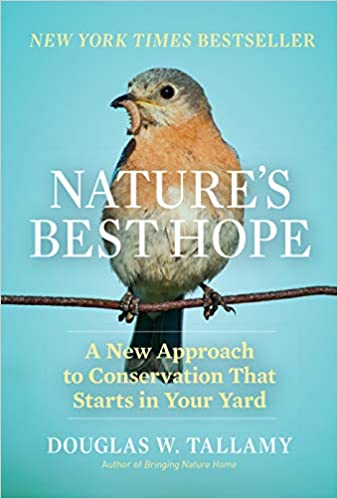
“In the past, we have asked one thing of our gardens: that they be pretty. Now they have to support life, sequester carbon, feed pollinators and manage water.”
— DOUG TALLAMY
Listen or read our interview with Douglas Tallamy here: https://t.co/kAnx4ONKVT
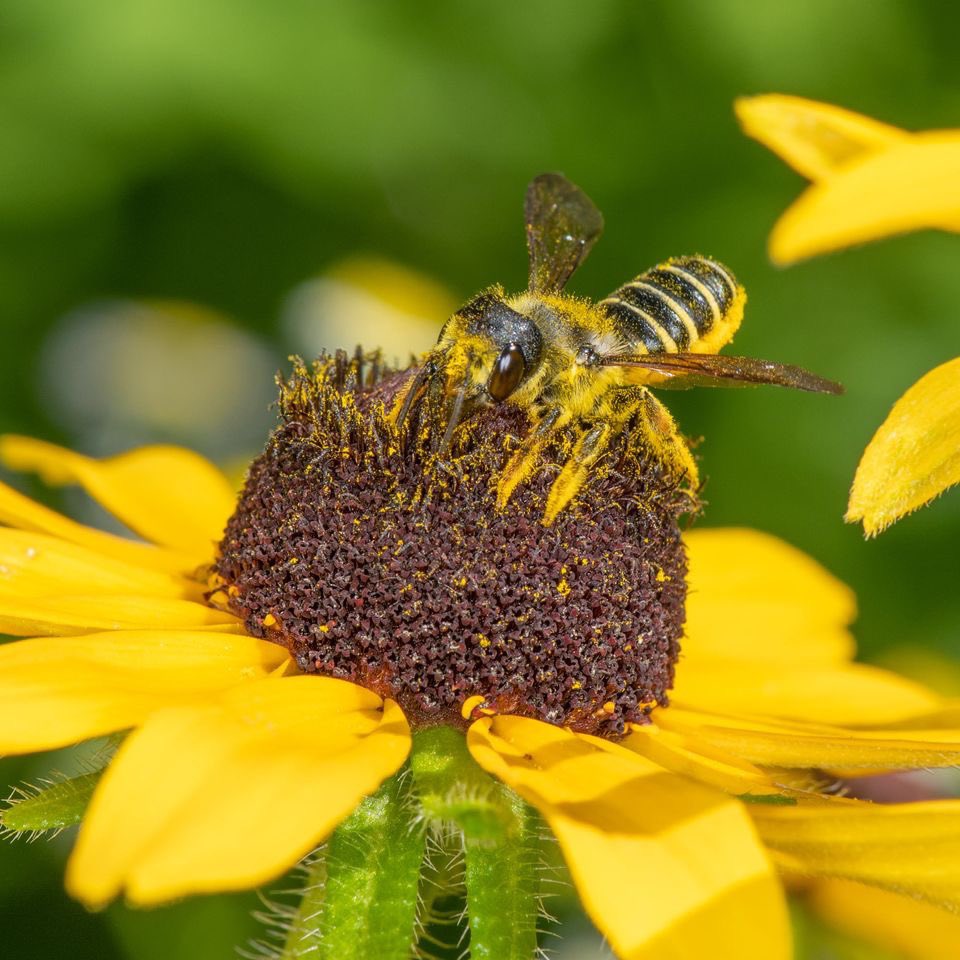
Female pugnacious leafcutter bee (Megachile pugnata) on black-eyed Susan flower. An oligolectic bee—the females only collect pollen from one plant family—Asteraceae. Host plants: Helianthus, Cirsium, Coreopsis, Erigeron, Grindelia, and Rudbeckia.
#bees#pollinators#nativeplants
We are so excited to interview @Squirm today for our new YardReform podcast! Curious about composting using worms? Make sure to stay tuned: https://t.co/wblZBWs3x6
Once the mayor signs the ordinance, Baltimore City will become the most recent #Maryland jurisdiction to exercise its authority to regulate pesticide use on private property, after a ruling of the state’s highest court. #pesticidefree#pesticides#organic https://t.co/1xh5ovuKvl
An excellent graphic, showing how to provide habitat for stem-nesting #bees in your garden. Co-designed by @BeesNativePlant and others...
https://t.co/OLxmGOQkHV
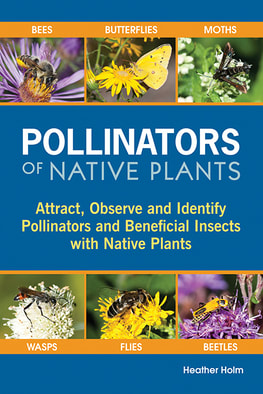
Not only are native plants WAY easier to care for - they are also much better for the environment. Learn about Native plants, their importance, and how to find the right ones for your yard:
#nativeplants#nativeplanting#nativelandscaping https://t.co/p2zq3QD9ti via @ReformYard