parking minimums are so funny. the government cannot make a developer build you an affordable apartment but by god it can make them build a little apartment for your honda civic.
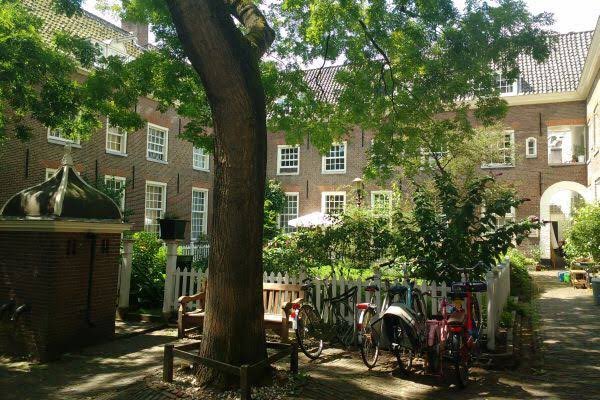
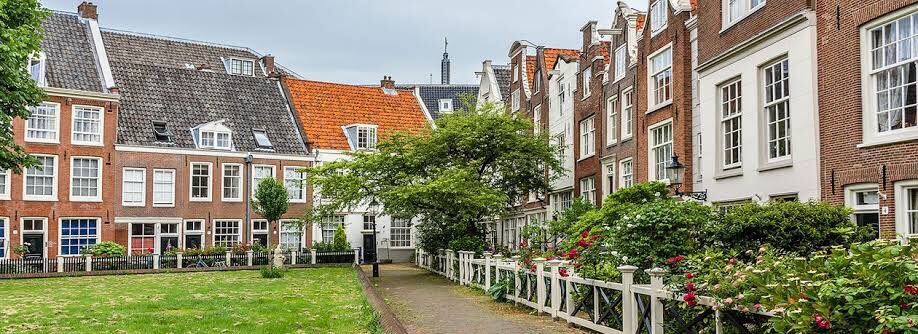
Most people reading this will end up spending the last five to twenty percent of their lives unable to completely care for themselves. Many will be childless and/or with no or few living relatives or family nearby. Receiving care under these circumstances while living isolated in suburbia or endless urban sprawl will not be easy, cheap, enjoyable or safe. While there is still time (while the lights are still on and we can still afford it), we need to organize and build a multitude of centralized communities where the near-elderly can help care for the elderly in comfort and peace. Thankfully we already have good models: the English medieval almshouses, the Dutch charitable communities arranged around urban courtyards/hof, etc.
We know they work, we know this form of urbanism is flexible, sustainable, attractive, compatible with human good health and happiness, and we know how to build and maintain these in perpetuity with minimal tools and resources.
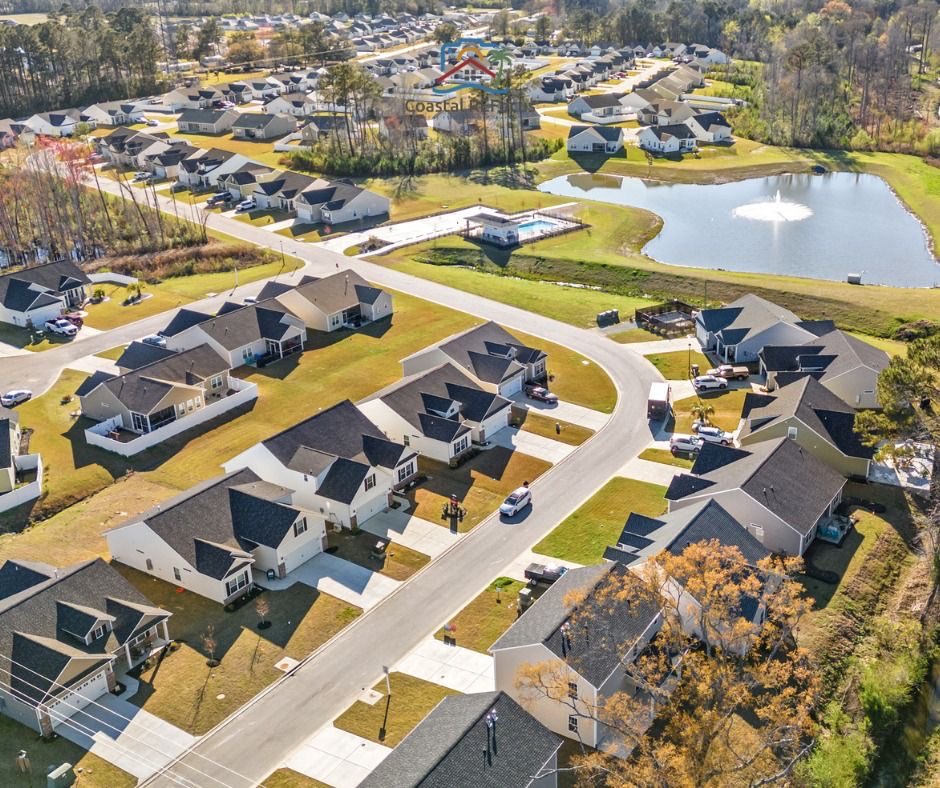
We can do this. But every new sprawl development or suburb is a wasted opportunity. Every new highway means resources we are never ever getting back.
Americans have trouble talking about traffic violence.
If I say
"Yesterday, 100 Americans were killed by cars smashing into other cars. Thousands more were injured."
Then someone's gotta say
"Why are you ignoring the story about a guy riding an e-bike on a sidewalk?"
Sprawl creates private and private space at the expense of convenience, efficiencies of scale, and civic life. Mega projects create convenience & efficiencies at the expense of usable outdoor space & family life.
~ @UrbanCourtyard#EdgeEsmeralda
Most Americans are utterly dependent on cars. For multiple reasons, we're not prepared for 30-40 million 80 yr olds driving.
AVs will be a huge benefit, but the root problem is land use regulations like zoning. Those local laws prohibit walk-friendly neighborhoods.
Baby Boomers are a huge reason for local govs to legalize walk-friendly, bike-friendly, transit-friendly neighborhoods. For example, legalize a variety of land uses on the same block. Make it practical for them to walk instead of using cars for all their trips.
It's a shame we don't talk more about car dependency, considering about 1 in 4 people in the US don't drive.
⛔️ Children under 16 (unable due to age).
⛔️ Working-age adults (18–64) unable due to disability:
About 10 million people in this age group have self-reported travel-limiting disabilities (e.g., mobility, vision, or cognitive issues that impair driving). Of these, 65.9% drive at least occasionally, leaving 34.1% (~3.4 million) unable to drive.
⛔️ Older adults (65+) unable due to age or disability:
The 65+ population is ~62 million. About 86% hold valid driver's licenses and drive, leaving ~14% (~8.7 million) unable (often due to age-related declines in vision, reaction time, or health, even if not formally classified as a disability).
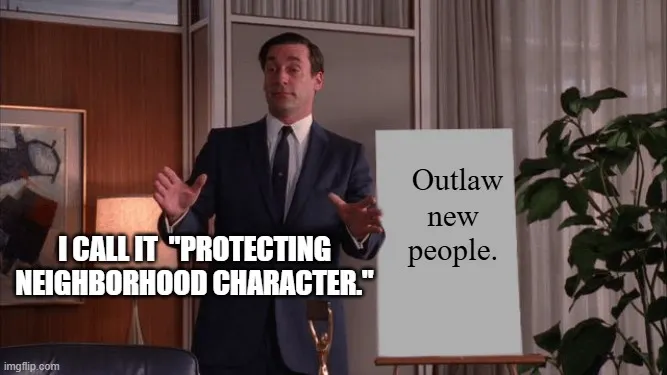
Exclusion got repackaged as neighborhood character.
Few people would rally behind a campaign described as “we should control what other people can or can’t build,” or “let’s block certain people from living near us.” But that’s exactly what comes from typical zoning, permitting, and development rules.
These local policies continue to get support from residents because the narratives are framed as “defending neighborhood character” or “protecting community identity.” Same policy, but without all the troublesome truth.
Reframing a narrative from oppression to protection doesn’t change the facts, it changes how people feel about them. Successful NIMBY activists are excellent marketers, whether they realize it or not. They lead with appeals that feel collective and protective rather than selfish and restrictive. The frame doesn’t just soften opposition, it recruits people who might otherwise stay neutral. Good marketing tactic.
This works because human psychology responds more powerfully to emotional and symbolic appeals than to literal descriptions. Negative frames highlight control, loss, or exclusion. Positive frames emphasize protection, belonging, and shared identity. In local politics, where home feels deeply personal, a protective-sounding narrative turns a selfish control freak into a principled guardian.
In 2008, Shreddies was a square wheat cereal that had flagging sales. A young intern at an ad agency came up with an idea that added intangible value without changing the cereal recipe at all. Rotate the squares 45 degrees, and rebrand them as diamonds. Real people who thought they were part of focus groups described how the texture and taste of new Diamond Shreddies were better than the original squares. Sales surged for what became marketed as “45 more degrees of delicious.”
Red Bull’s early consumer tests essentially pitched people an odd taste in a tiny can at a high price. Rational analysis predicted failure, but the brand reframed every liability as a feature. The small can meant concentrated power, and like some type of medicine, the strange flavor told your brain that the drink was working. Red Bull is a multi-billion-dollar icon built entirely on perception.
Nothing changed but the stories. You might not like it, but that’s how our brains work.
Public policy rhetoric is no different. “Keep out new families” sounds harsh and even embarrassing, but “defending neighborhood character” sounds noble. The underlying policy is identical in either case, but the narrative frame transforms how people feel about the policy.
This framing advantage explains why housing shortages persist despite broad agreement that more supply is needed. NIMBY activists dominate the emotional, identity-based narrative. Pro-housing voices, by contrast, tend to default to terms that carry stigma or abstraction: “affordable housing,” “increased density,” and “upzoning.” These phrases describe policy accurately, but they don’t make anyone feel anything worth protecting.
Until people who support property rights and abundant housing use strong storytelling frames, the better marketers will keep winning. People who want to see their community become stronger might consider narratives like these:
✅ Legalize the kind of community where young families can put down roots
✅ More neighbors means more local businesses, more sidewalk conversations, more community.
✅ Build communities where teachers and nurses can live near the people they serve.
✅ Restore the kind of walkable, connected neighborhoods people love.
The facts don’t need to change, but the stories absolutely do. Reframing is perception magic.
Understanding NIMBY success as marketing is the first step toward opening the doors to new homes in communities that so desperately need affordable places to live.
The goal isn’t to out-argue opponents on policy details, it’s to out-story them. Until pro-housing advocates learn to speak in the same emotional register, they’ll keep bringing a spreadsheet to a storytelling fight.
@CorpFin_Guy@airline_king@MidwesternPRA Adding a Valpo station would be incredible.
As would be relocating the Grand Rapids station. Its location and lack of connection have repeatedly disuaded us from taking rail trips from the Chicago area to GR.
@brettboettcher1 Re: Walking Pad...
A "test drive" before purchase is highly recommended. So many of them are comparatively inexpensive, in part, because the walkable area of the belt width is shorter and narrower than a typical treadmill... and that may prevent a comfortable walking experience.
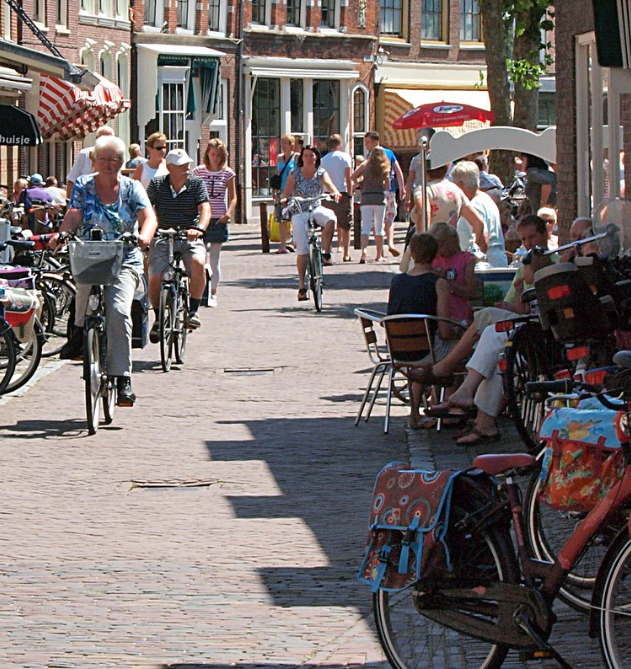
It's hard for a car-dependent population to be intellectually curious about helmet-free bicycling cultures.
It's much easier to just believe helmets should be a top priority and dismiss systems thinking. Even saying "wear what you want" is offensive to many Americans because they've been conditioned to think a foam & plastic hat is a forcefield against motor vehicles.
Before you share your anecdote about that one time a bike helmet saved you, be ready to talk about the hierarchy of safety and why other cultures are doing just fine without the extra fashion accessory.
This is so cool. A town in New Jersey painted the white lines on the road red, white and blue. This needs to be done in every city/town across America for the 250th anniversary. 🇺🇸❤️🤍💙
Dust off your bike helmet and find those neon socks!
Discover more than 550 total miles of trails and bikeways in Lake County, connecting forest preserves and communities using this finder: https://t.co/wbPF2X0VnP
Learn more at https://t.co/s8DvakjJMy
#BikeMonth#LakeCountyIL