An AI Assistant should find, compare and carry your choice into buying. Meet Relay, live commerce infrastructure: 1B+ retail goods, booking across 132 airlines, booking handoff for 1M+ restaurants and 230,000+ events. Builders and merchants, let's talk.
https://t.co/HNDt1kAeMa
Dinner needs more than a cuisine. An AI Assistant needs party size, time, location and a shortlist that survives the jump to the restaurant. Relay helps compare dining options and carries context to booking handoff across 1M+ restaurants. The venue confirms the reservation.
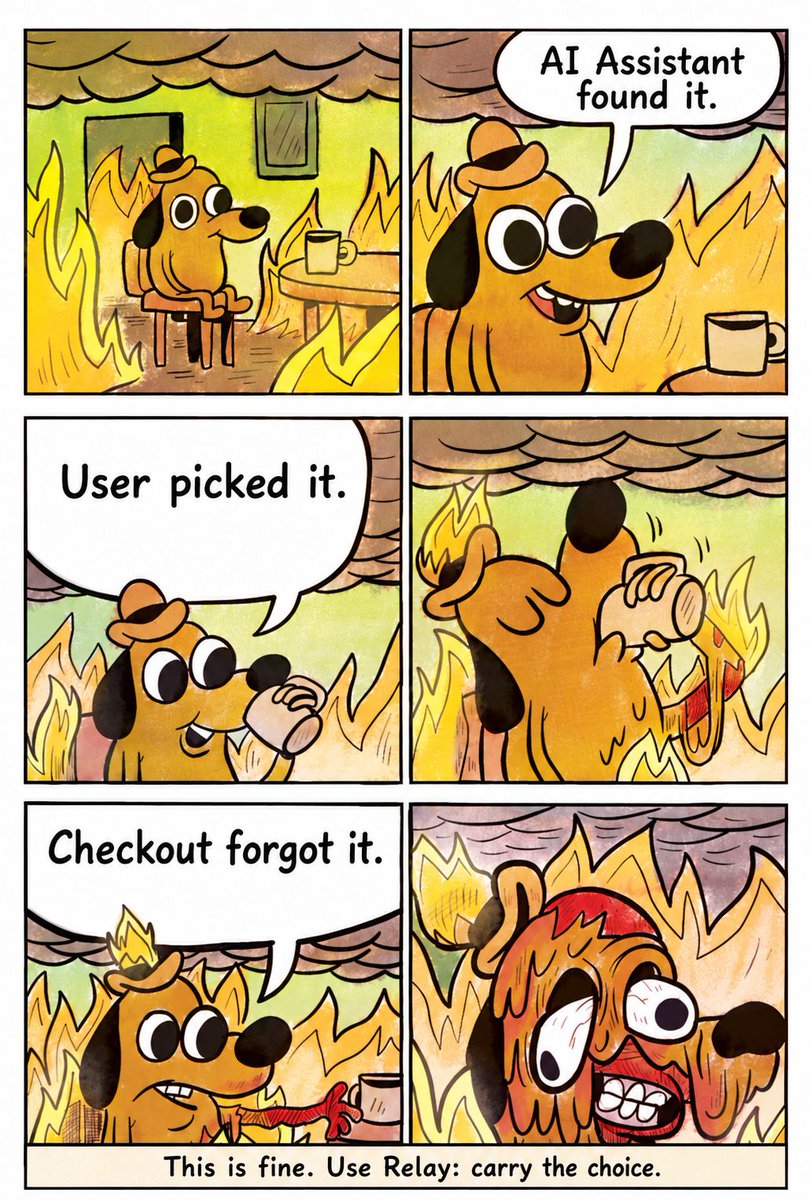
The AI Assistant found a product. The user picked it. The next page forgot it. This is fine. Relay is built to carry the selected option into merchant handoff, so the buying journey does not restart at page one.
AI-channel sales can be visible in a commerce dashboard even when a storefront pixel sees no visit. Merchants need the channel, order and offer connected. AI Assistants need the offer represented faithfully. Relay's thesis is a new demand route with merchant-owned fulfillment.
Builder question: what breaks your commerce flow, finding a plausible option or preserving its exact terms at handoff? An AI Assistant can reason brilliantly and still lose the user when checkout starts from zero. We are building Relay around that second mile.
One does not simply answer 'two tickets Saturday' with 47 venue homepages. An AI Assistant needs a useful shortlist and a handoff that keeps the chosen event. Relay covers discovery across 230,000+ events.
Two tickets for Saturday is not a request for 47 venue homepages. An AI Assistant needs the city, date, budget and interests, then options it can actually compare. Relay covers discovery across 230,000+ events and carries the selected option to provider handoff.
@Chandrika633 Being on the agent's shelf is step one. An AI Assistant also needs a faithful offer it can compare and carry into merchant handoff. Visibility earns consideration; structured terms and a working next step earn the sale. Agent SEO without that is a shiny aisle.
@sytaylor The $190 room with $60 in fees is the perfect test. Before authorization, an AI Assistant needs a structured offer with the all-in price, cancellation terms and the user's constraints attached. A signed payment proves consent to a charge, not that the room met the brief.
@NWischoff Nichole, the coupon is the tip of the iceberg. If an AI Assistant turns 'I want that Nike pair' into comparable choices and a handoff, merchants can gain a new sales channel. Mate tackles the offer; Relay tackles the commerce route. The shopper gets a decision, not homework.
Braintrust's surprise is the work: Muse averaged 14.88 searches per task in its fixed catalog; Dots, 3.56. Not a cost study, but 'useful choices per browser step' belongs in AI Assistant evals. Relay's bet: less rework for assistants, a potential new sales channel for merchants.
We gave AI assistants Muse, Instinct, and Dots the same personal shopping tasks and let them loose on the web.
We evaled their product recommendations on response quality, adherence to budget, and how often they recommended the same products.
Instinct performed best overall in our eval, but there are tradeoffs depending on how you shop. Dots stood out for finding good options at lower prices, while Muse was best for shoppers with strict guidelines.
Read more → https://t.co/T5owNyKmCR
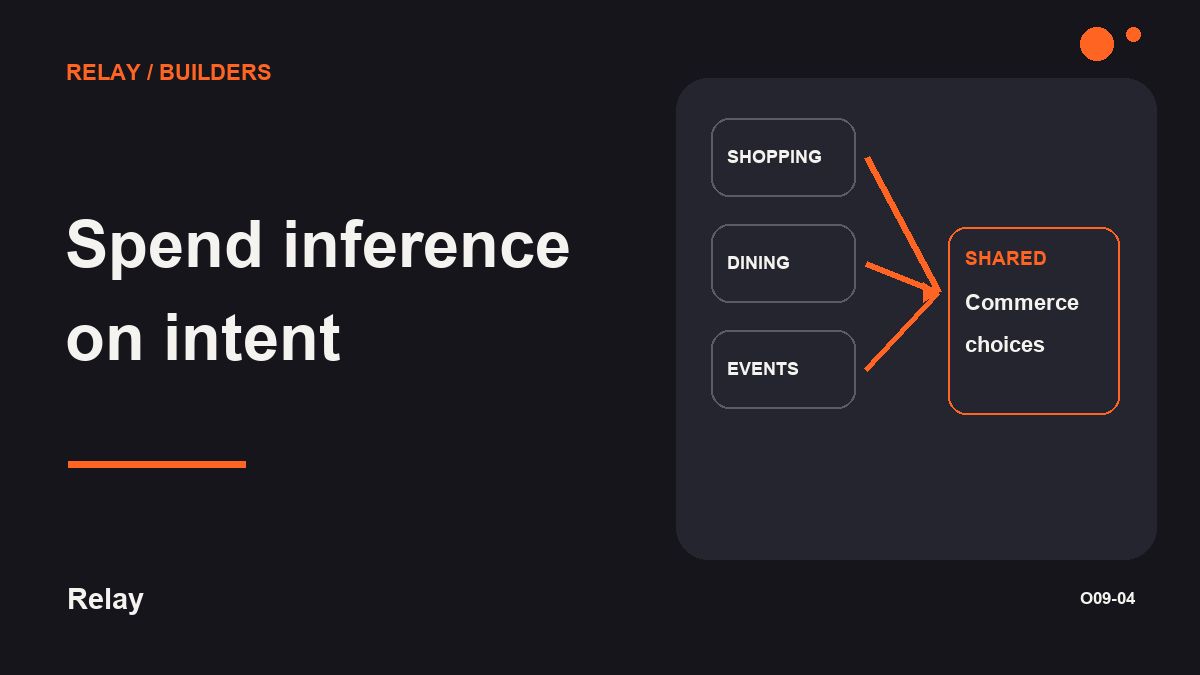
Specialist AI Assistants should spend inference on user context, not repeat merchant work. Complex tasks can multiply browser time, screenshots, GPU cycles and retries. Shared commerce infrastructure can reduce repeat work. Relay provides options, comparisons and handoff.
The AI Assistant knows what the user needs. Then 37 browser tabs demand its attention. Structured product options let it focus on intent instead of repeat page work. Relay is live across 1B+ retail goods.
A shopping AI Assistant can understand intent without claiming permission to pay. The useful boundary is clear: compare real options, preserve the selected item, then hand off to an authorized checkout. Relay supports that commerce path. Payment confirmation stays with the user.
An AI Assistant compares the options. The booking page remembers the choice, right? Right? Carry the selected itinerary into handoff so the user does not start over. Relay covers booking across 132 airlines.
Return terms are part of the choice, not fine print after it. An AI Assistant should compare the variant, delivery window and return policy that matter to its user before handoff. Relay makes retail options easier to reason over across 1B+ goods.
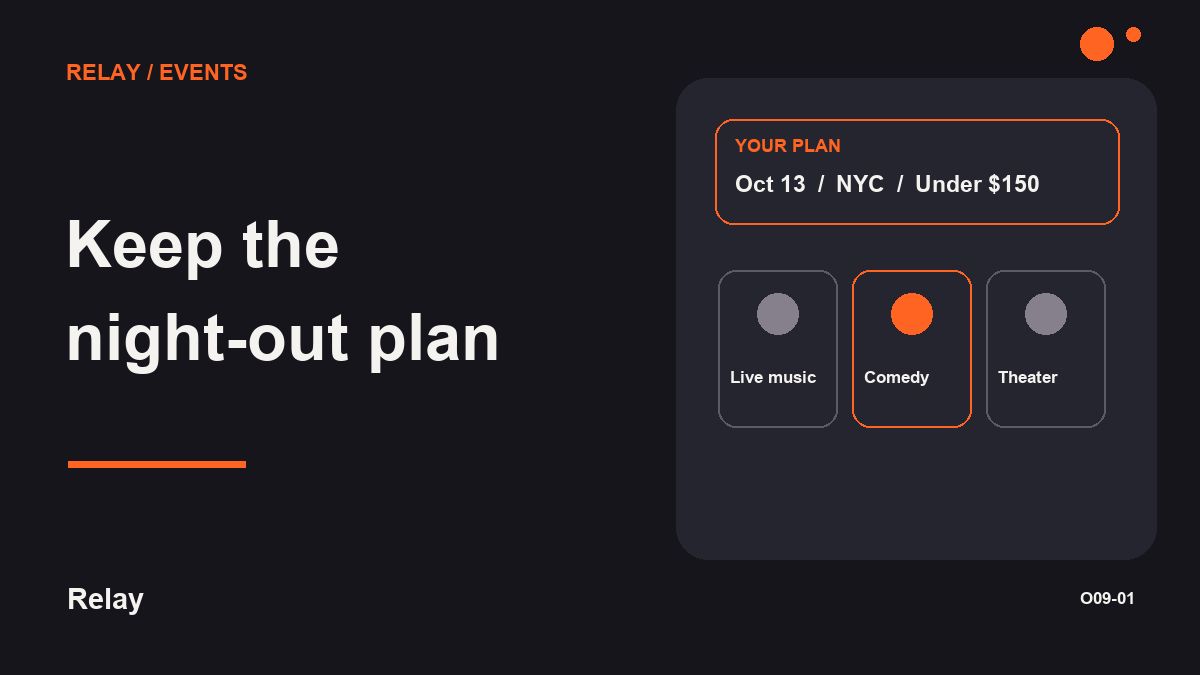
An AI Assistant planning a night out knows the city, date and budget. Reopening venue tabs to rediscover those details burns time and inference. Compare event options in a usable format, then keep the selection through handoff. Relay is live across 230,000+ events.
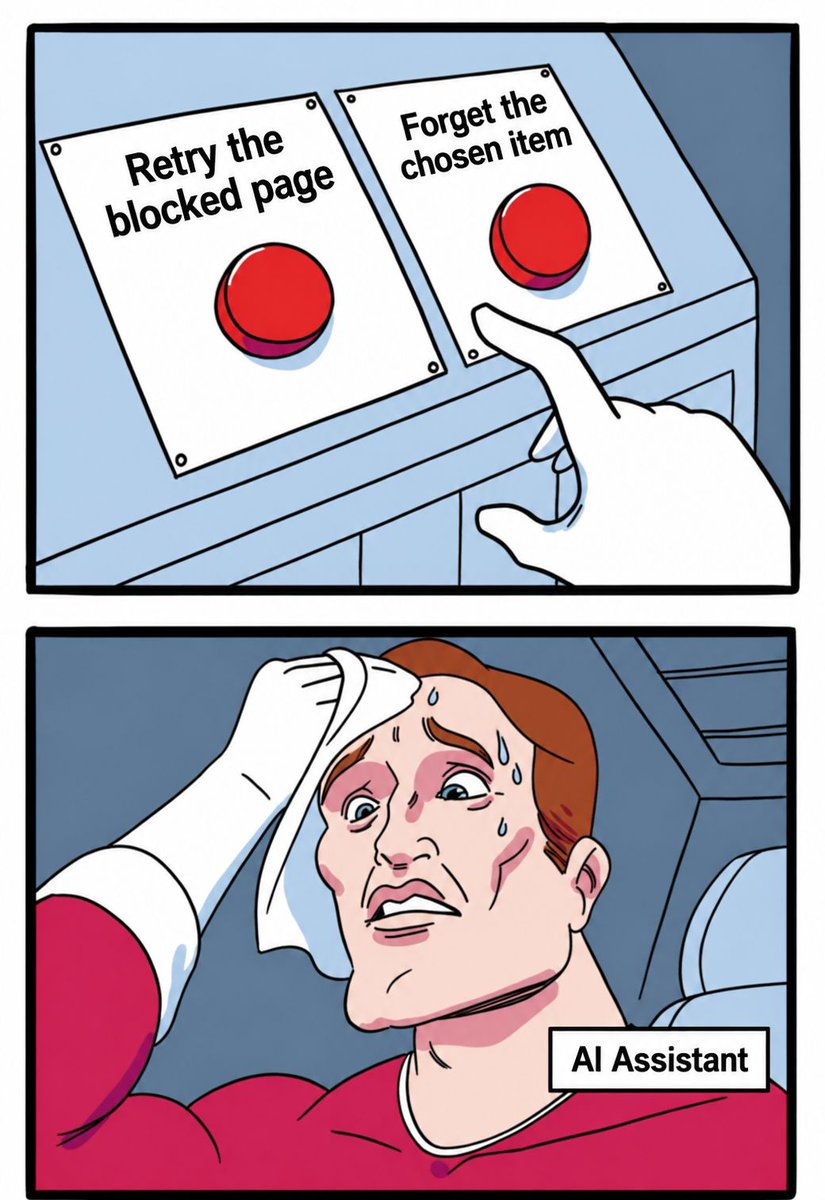
An AI Assistant should not have to choose between another retry on a blocked product page and losing the user's selection. Structured options and a clear handoff keep the task moving. Relay is live across 1B+ retail goods. https://t.co/HNDt1kAeMa
When an event sells out, an AI Assistant should remember the date, city and group budget, then compare viable alternatives instead of restarting the search. Relay offers discovery and handoff across 230,000+ events. Availability still depends on the provider.
@TaylorHoliday Agreed. A shopper will not drop Amazon to accommodate an AI Assistant. The assistant must respect store preference, compare what it can actually access, and preserve the chosen item through handoff. Merchant access is infrastructure, not a prompt trick. That is Relay's focus.
@btaylor The gap between “agents blocked” and “agents get full account access” matters. For commerce, the useful middle is scoped discovery, structured options and explicit handoff. Relay works on that layer. We are reading the Poppy draft for how its discovery and consent model fits.