Global urea finally looked like it had a lot of cause for bearishness. Demand was falling off. Hopes that the Strait would reopen was rising. China looks like they are ready to start exporting again.
...then India announced their 1.7M ton purchase tender.
Three major steps we announced today to strengthen American fertilizer production and support our farmers and ranchers. 🇺🇸 🚜
1️⃣ The Blue Point Project in Louisiana is moving at “Trump speed.”
Within 45 days, permitting is expected to wrap up for a $3.7 BILLION ammonia plant that will become the world’s largest ammonia plant — creating hundreds of jobs and strengthening America’s fertilizer supply chain.
2️⃣ Trump's USDA is fixing Biden’s broken Fertilizer Production Expansion Program and getting projects over the finish line.
When we inherited the program, only 8 of 121 projects had reached completion. Many were stalled by red tape and climate mandates instead of focused on fertilizer production.
We are now working directly with every awardee to move high-impact projects forward — including:
✅ An $80 million Washington state project expected to produce 700,000 tons annually of hydrogen ammonia fertilizer and support 200+ jobs
✅ A $3.89 million Iowa project expanding domestic organic fertilizer production
Together, these projects are expected to unlock over 2 million tons of new annual fertilizer capacity, support 61,000 producers, cover 30 million additional acres, and create more than 500 jobs.
3️⃣ USDA is increasing transparency for farmers.
Effective immediately, we are searching for a full-time input economist dedicated to tracking input costs and improving market transparency so we can better support America’s farmers and ranchers.
All-in, the projects announced today are expected to increase domestic fertilizer production by approximately 4.5 million tons per year — serving roughly 400,000 producers and 290 million acres of farmland.
This is an important step toward reshoring fertilizer production and putting American agriculture first again.
Today’s announcement is a major step toward restoring American fertilizer production and reducing our reliance on foreign suppliers. 🇺🇸
Through @USDA investments and partnerships, the projects announced today are expected to increase domestic fertilizer production by nearly 4.5 million tons annually — helping support roughly 400,000 producers and 290 million acres of farmland across the country.
For too long, farmers have faced rising input costs and supply chain disruptions driven by global instability and over-dependence on imports. Expanding domestic production helps strengthen our food security, lower costs for producers, and keep American agriculture competitive.
There is still more work ahead, but this is an incredible step in delivering long-term solutions for rural America and the farmers who feed, fuel, and clothe the world.
@epaleezeldin@SecretaryWright
What to watch most closely this summer in fertilizers:
Urea - Strait of Hormuz and Chinese exports
UAN - Russian exports and urea price
NH3 - Strait of Hormuz and Russian exports
Phosphate - Strait of Hormuz and Chinese exports
Potash - grain values and freight rates
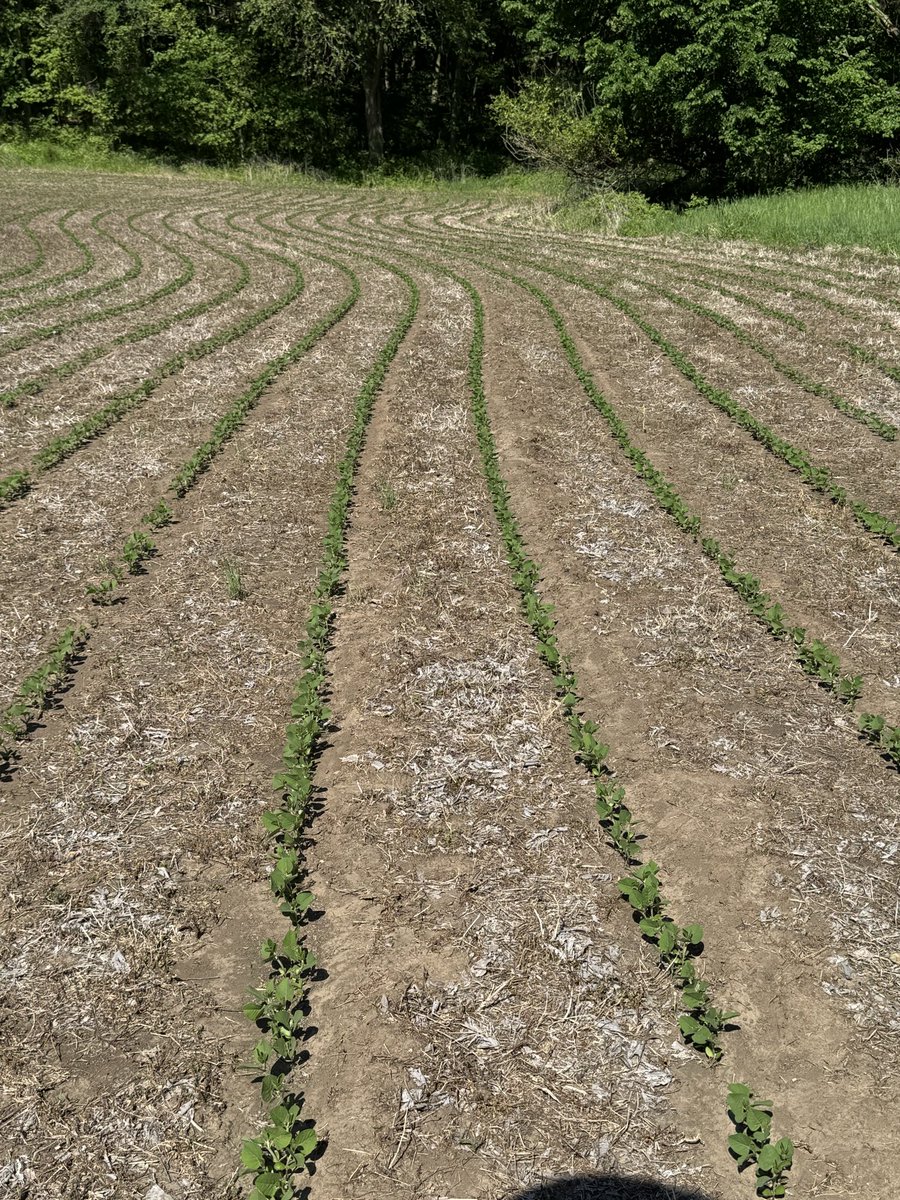
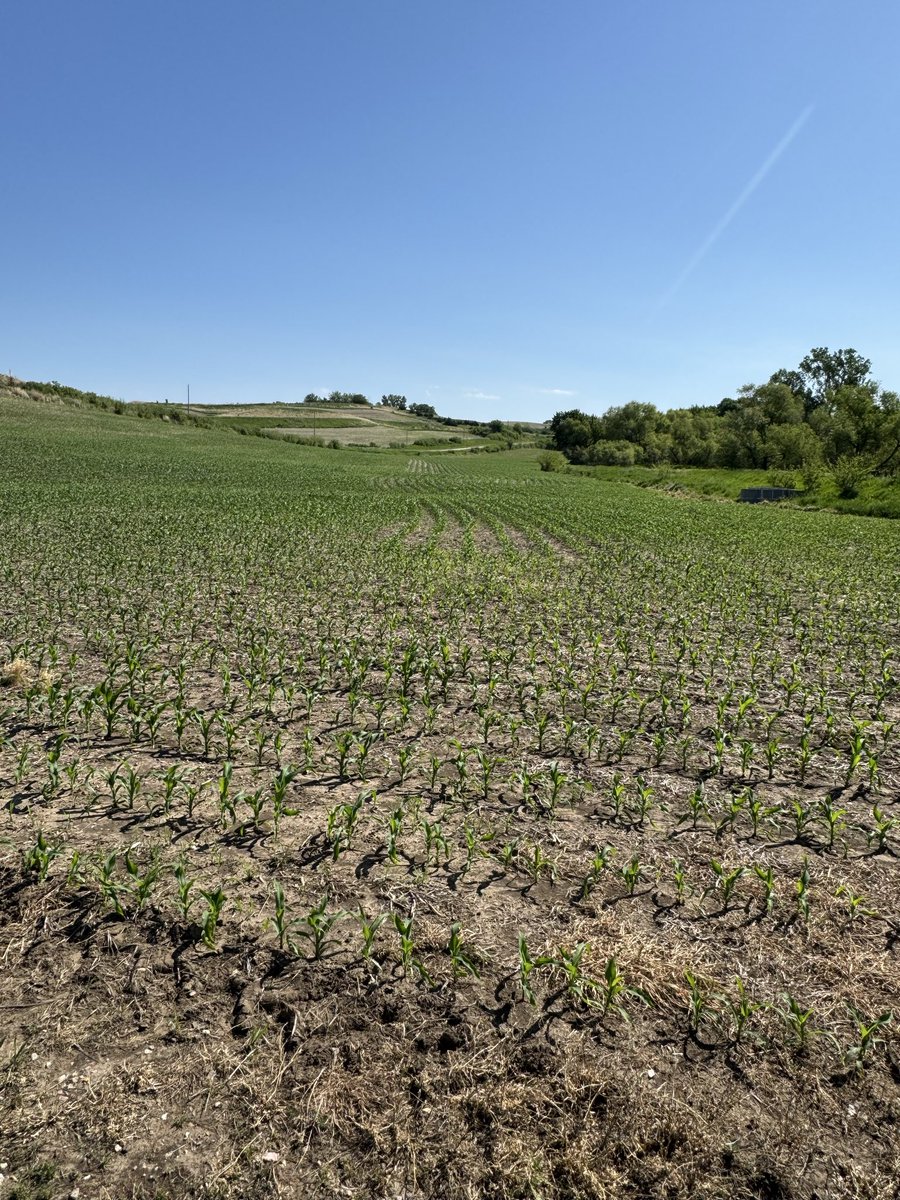
Well, at least it was a soft rain. But it was cold. I’m glad our corn seed is still in the bag. Even the fescue looks a bit yellow in color. #CattCropTour26
NOLA urea futures are seeing activity in the Q3 and Q4 space
For reference...the prices are triple digits higher than 2025 averages for the same quarters.
Q3 - 24% higher
Q4 - 36% higher
The futures market does not make the market, but it is a strong indication of expectations
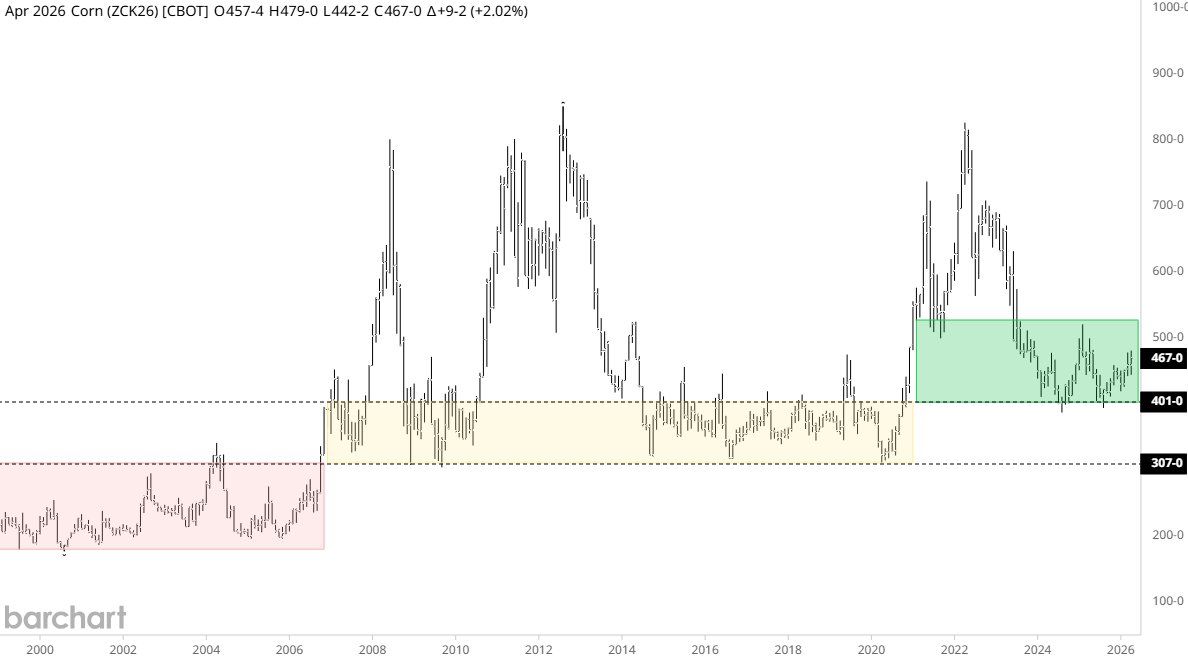
Looking at the long-term corn chart: after spikes, we eventually settled into multi-year range where prices were sideways at or below breakevens ($5.00ish for 2026). Seems we’re in the early stages of what could be the next one with 5–6 years of tough margins.
I have to wonder if the current fertilizer situation will propel prices out of the green to keep up before settling back down once the situation is resolved in the coming years.
Sec. Rollins announced U.S. could expand:
Nitrogen by over 30%
Phosphate by over 200%
Potash by over 100%
...I have questions.
Will these increases help competition or just build the current players?
Why were these increases not already happening?
We have a finite amount of phosphate rock...are we just going to run out faster now?
Does the market need more potash given low and steady prices?
Sorry, in a pissy mood for a Wednesday.