If dose is high then poss session frequency can be reduced. Frequent, short sessions (2/3 × per week, approx 2 min) and less frequent, long sessions (1 × per week, approx 20 min) have yielded the best outcomes when composite language measures used https://t.co/l0lNnuZ2q8
New study!
High quality early years communication & play make a gd foundation for learning at age 5.
👇
By 7-9 yrs leading to stronger:
-social play
-oral language
-letter-sound decoding
👇
Leading to better reading & writing outcomes aged 11 🥳
@UToseeb
https://t.co/EawOxssqaM
We had our second support group for parents/carers of children who stammer this morning 😃 We will be holding our next session in August, if you would like to get information on this support group email us at [email protected]#Stammering#HearThePerson
Just found this FREE CPD training from The Comms Trust https://t.co/8PRSaiOlFe with options for all educational stages inc secondary and FE all about speech/lang/comm (Sometimes I'm v late to the party 🥳)
Head Teachers and Heads of ELCCs - keep an eye on your emails for some resources from the RICE team to help your environments be communication friendly as we prepare for pupils to return!
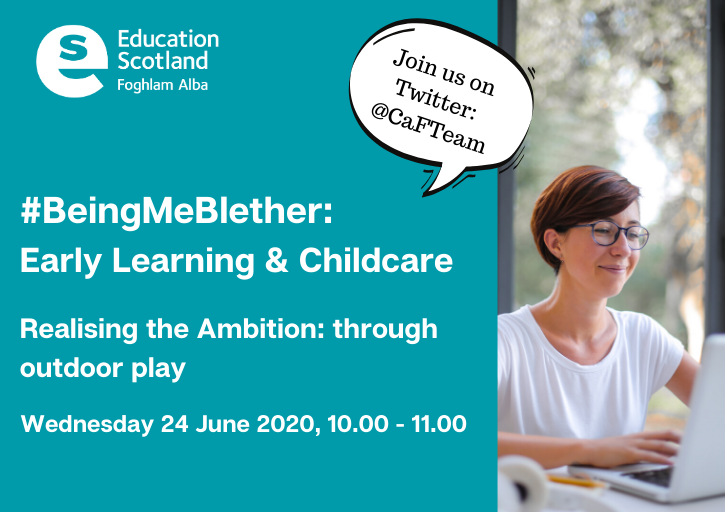
On Wednesday 24 June we are hosting an hour of activities focused on Early Learning and Childcare! Join us on Twitter for our #BeingMeBlether on ‘Realising the Ambition: through outdoor play’ hosted by the @CaFTeam at 10am. We are also delighted to welcome @MareeToddMSP
Yes this! Also applies to contingent talk, parent interaction & prob other culturally embedded behaviours. Yes these help language learning but they are not the only way to support development. Children in cultures where these are not the norm learn to speak and read just fine.
@EngageNews1 this is a great way to encourage young children and their parents to read together. Heard this quote last night. “If you want to change the world give a child a book.”