MUSC is the premier biomedical research institution in South Carolina. We're committed to leading health innovation and changing what's possible in health care.
Research is for everyone. MUSC’s Science Café gives the public a chance to ask questions, hear from experts and engage with the science shaping tomorrow’s care. https://t.co/PvSrROVq7S
What if scientists could see exactly where a drug goes as it moves through the body? MUSC startup SphnyxVision has developed imaging technology that allows researchers to watch experiments unfold in real time, opening new possibilities for cancer research. https://t.co/ms3P5sBKGY
Cervical cancer is highly preventable, yet screening rates are moving in the wrong direction. MUSC researchers highlight a concerning national trend. trend. https://t.co/SSuD77xaB0
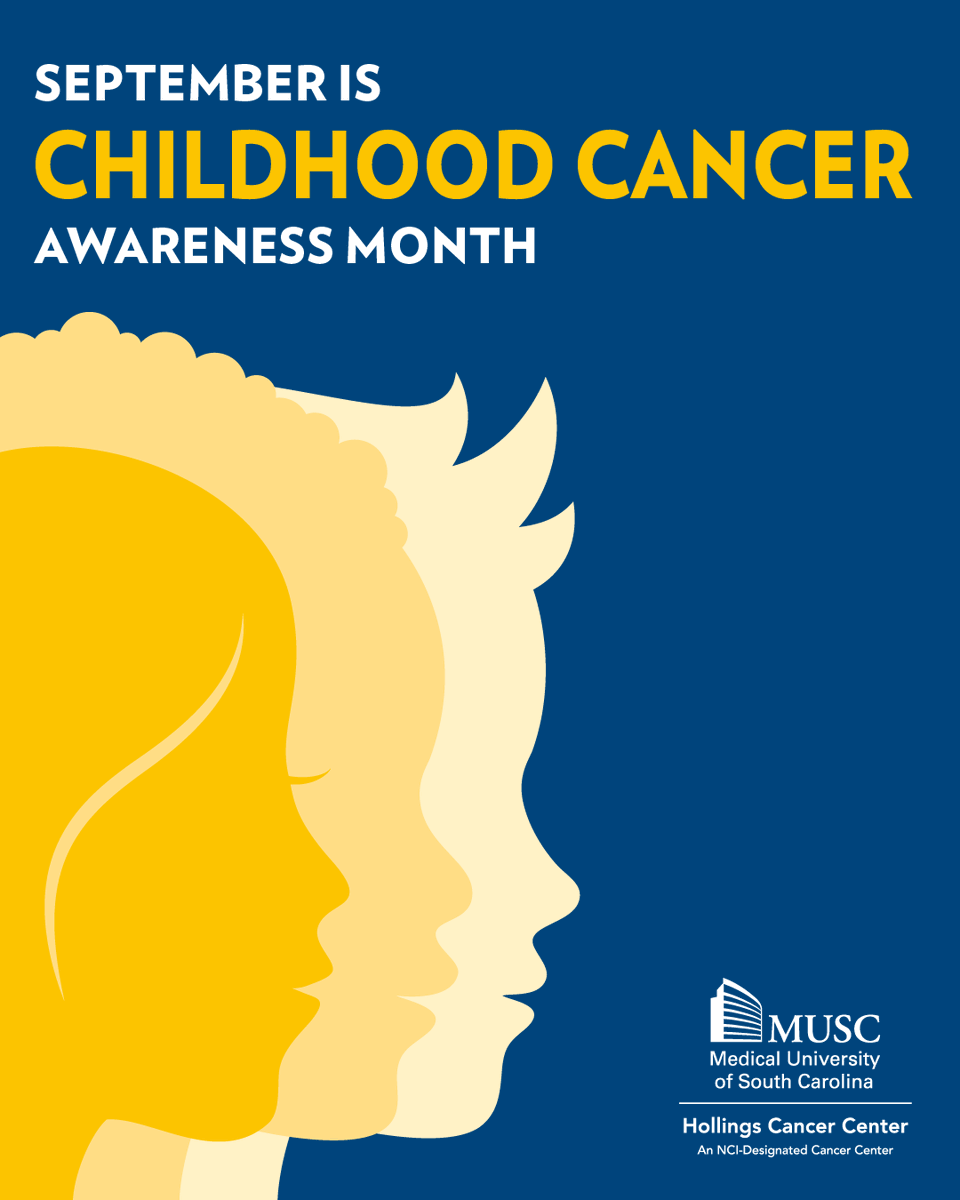
This #ChildhoodCancerAwareness Month, we’re recognizing the children facing cancer, the families beside them, and the researchers working toward a future where more children get the chance to simply be kids.
Inspired by materials science and even baking techniques, a postdoctoral fellow @muschollings is building innovative 3D models to improve pediatric sarcoma drug testing. https://t.co/PAbt1masRN
What if lung cancer screening could do more than detect disease early? Researchers @muschollings explore how it can also encourage quitting smoking. https://t.co/7vfEJStQsd
New data show promising trends in youth alcohol use, yet concerns remain for women and older adults. MUSC research Dr. Howard Becker breaks down the findings. https://t.co/35NAZYWs5M
From leading transplant outcomes to shaping the future of heart transplantation, MUSC is now part of a national research network tackling the field’s biggest challenges. https://t.co/S61m8DIYUV
Managing agitation in advanced dementia remains a challenge. A MUSC-led study explores how CBD/THC oil may offer relief for patients and caregivers. https://t.co/xxsNJGLK7q
MUSC researcher Dr. Mindy Engevik is advancing science and mentoring the next generation of women scientists. Two recent national awards highlight her impact. https://t.co/1KPE8zpykX
Meet six investigators and their innovative early-stage research supported by SCTR Discovery Pilot Grants, from cancer and Alzheimer’s disease to smoking cessation and traumatic brain injury. https://t.co/nkFkdlEIoA
For many people with Hypermobile Ehlers-Danlos Syndrome, or hEDS, symptoms extend far beyond joint issues. New research is helping map the complex connections among the body’s systems. https://t.co/Ts7UGd9huq
Rare diseases affect thousands of South Carolinians. Dr. Patrick Flume reflects on helping build South Carolina’s Rare Disease Advisory Council into a statewide resource for patients, families and researchers. https://t.co/pIlOW9Taq4
Declining a research study doesn’t mean declining care. MUSC researchers found that understanding why people say no to clinical research could help make studies more accessible and effective. https://t.co/sKpGSJ3ryX
Clinical trials, genetic testing, biospecimen donation: participation starts with trust. MUSC researchers explore why trust matters and how communities can help shape the future of cancer research. https://t.co/NX48GeKu2f
25 years later, we remember the lives lost on Sept. 11 and honor those who answered the call to help.
For several members of MUSC Public Safety, the day is also part of their own story.
Read more: https://t.co/afh9EMxies
#ChangingWhatsPossible
MUSC has received $1.23M from The Duke Endowment for a new research initiative exploring how AI can support earlier identification of youth suicide risk.
Learn more about this three-year project: https://t.co/HCfl9mltGF
#ChangingWhatsPossible
From research and teaching to learning and all that happens behind the scenes, a lot goes into each day at MUSC.
This Labor Day, we’re proud to recognize the faculty, staff, students and teams who make it all possible.
#ChangingWhatsPossible
Dr. Stephen Duncan has been recognized as an @aaas Fellow!
At MUSC, he and his team use stem cell-based technology to study rare liver diseases and search for potential therapies.
Learn more about the Duncan Lab: https://t.co/KdPWg24b0x
#ChangingWhatsPossible#MUSCResearch
Researchers have spent decades looking for better ways to treat pancreatic cancer. Now, new treatments and approaches are showing promise.
Dr. William Hawkins from Hollings Cancer Center shares what’s changing on Health Focus: https://t.co/xuzIxtEpBl
#ChangingWhatsPossible