@jmadelman @JHUPress Watching your online conversation about your book today I heard you use the "ay" pronunciation on huzzas. For this you are pronounced History Hero of the internet for the day.
Great presentation as well
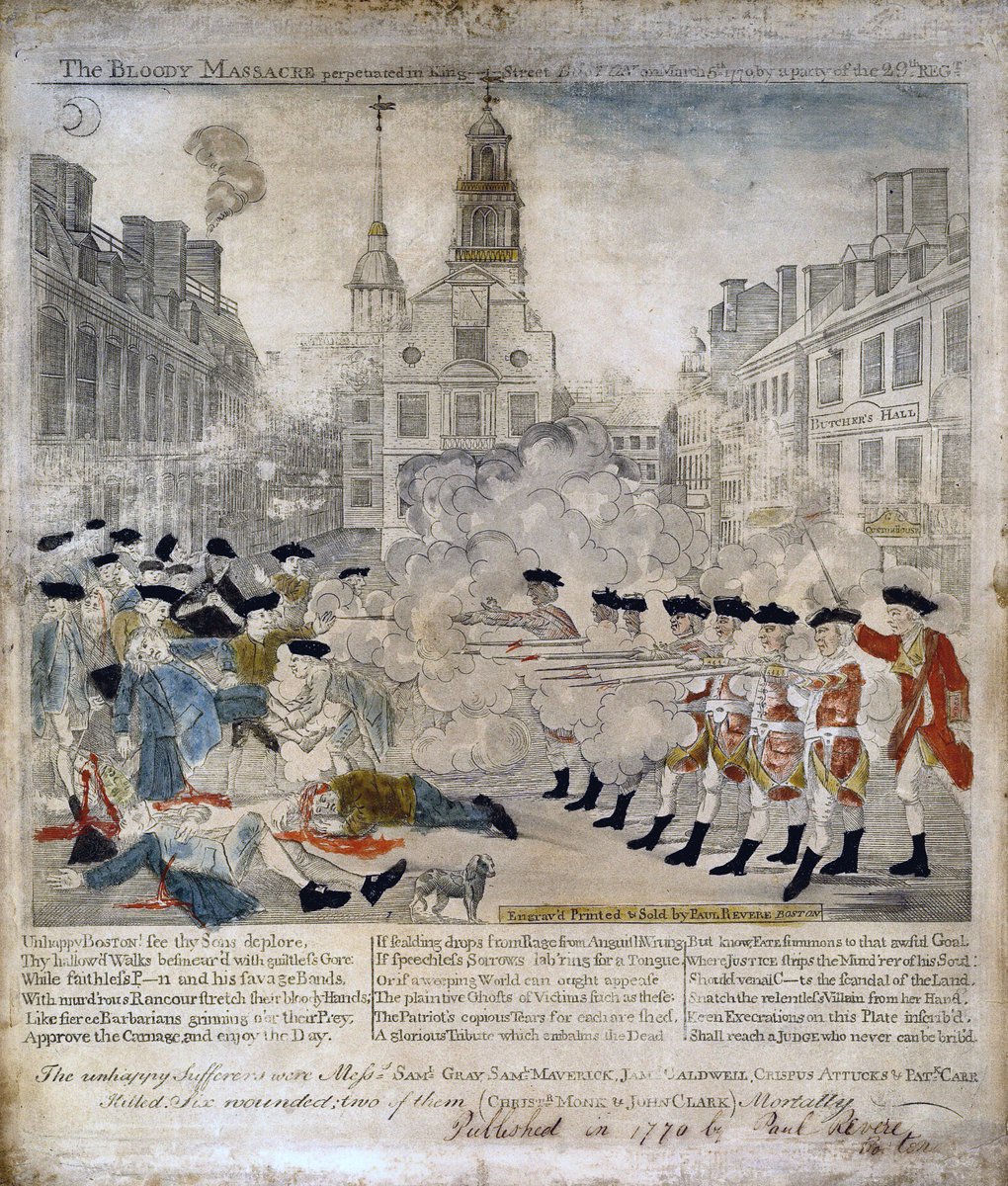
3 5 1770 In the night a mob of angry colonists gathered at the Customs House in Boston and began tossing snowballs and rocks at soldiers. The soldiers fired into the crowd killing 5. The tension & rancor between citizens and an occupying military force had hit the boiling point.
February 17, 1776
Congress had authorized printing money totaling $4,000,000 payable in Spanish milled dollars, or the equivalent in gold or silver. Of this $1,000,000 was reserved for the first national fractional currency ie: 1/6th of a dollar printed on the 17th of February.
February 16, 1781
Hamilton told Washington he would "wait upon him immediately." but delivered a letter to another aide and stopped to speak with Lafayette. This apparent disrespect started an argument with Washington that led to Hamilton's resignation as aide-de-camp
2, 5, 1776
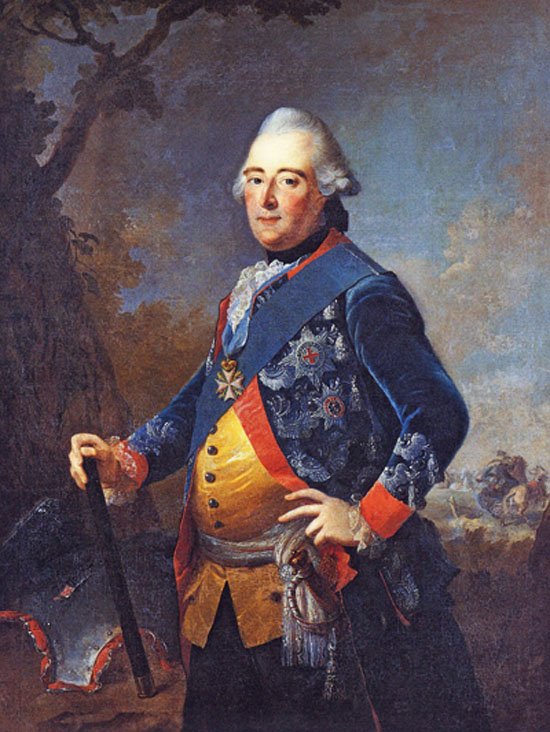
King George III and Friedrich II (Landgrave of Hesse-Kassel) signed an agreement providing the British with German infantry. This was the first of many “contracts” for the 30,000 "Hessian" troops that Britain would hire.
2, 2, 1781 At Steele’s Tavern in Salisbury NC, a defeated and despondent Gen Nathanael Greene was fed breakfast by Elizabeth Maxwell Steele, who then presented him with two bags of coins saying "Take these, for you will need them, and I can do without them." (A great sacrifice)
1 28th 1781 Benjamin Talmadge wrote to General Washington that he had received a letter from Benedict Arnold some 4 months after Arnold was discovered a traitor
“Enclosed your excellency will receive a copy of a letter from B. Arnold which has this day come to hand."
January 25, 1776
The first national memorial was ordered by Congress in honor of Brigadier General Richard Montgomery, who had been killed during an assault on Quebec on December 31, 1775.
January 24, 1781
Lieutenant Colonel “Light Horse” Henry Lee and Brigadier General Francis “Swamp Fox” Marion of the South Carolina militia combined their forces and raided Georgetown, South Carolina.
1 20 1777
Battle of Millstone, New Jersey
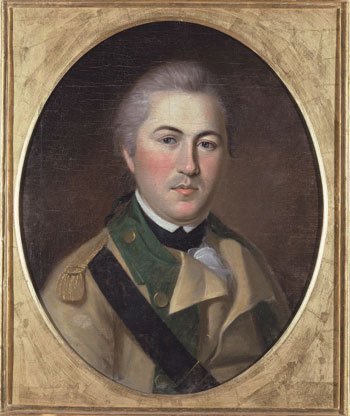
Brigadier General Philemon Dickinson lead men from the New Jersey militia and Pennsylvania riflemen in a successful attack against a group of foraging British soldiers.
1 18, 1777, Congress: That an authenticated copy of the Declaration of Independency, with the names of the members of Congress subscribing the same, be sent to each of the United States. These copies would be printed by Mary Katherine Goddard of Baltimore.
January 17, 1781
Battle of Cowpens, South Carolina
Brigadier General Daniel Morgan and a mixed Patriot force rout British Lieutenant Colonel Banastre Tarleton and his British forces.
1 15, 1777
New Connecticut (Vermont) declared independence from the crown of Great Britain AND the states of New York/New Hampshire. Originally the Republic of New Connecticut but on June 2 of that year, the name of the fledgling nation was officially changed to “Vermont"
1 13, 1794 Congress changes US flag to 15 stars & 15 stripes to include Vermont and Kentucky. In 1818 President Monroe, seeing that adding a new stripe with each state was not going to work, signed into law an act that set the stripes permanently at 13 and only added new stars.
1 13 1776 Gen. Phillip Schuyler wrote to Gen. Washington “My amiable friend, The gallant Montgomery, is no more; the brave Arnold is wounded; and we have met with a severe check in an unsuccessful attempt on Quebec. - I tremble for our people in Canada.”
1 12, 1777
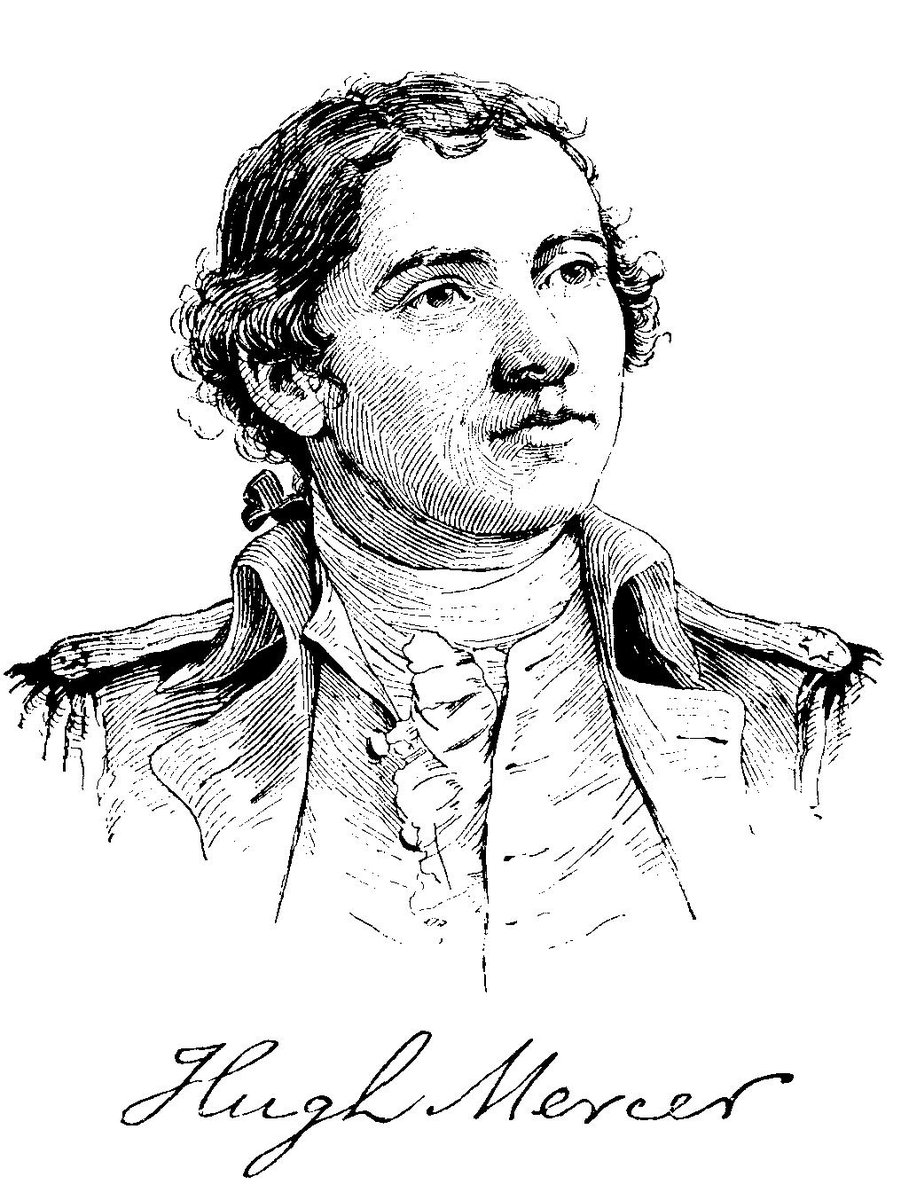
American General Hugh Mercer died from wounds received in the Battle of Princeton. British soldiers had mistaken Mercer for Washington and savagely bayonetted him. Mercer had been a close friend of George Washington since the French and Indian war.