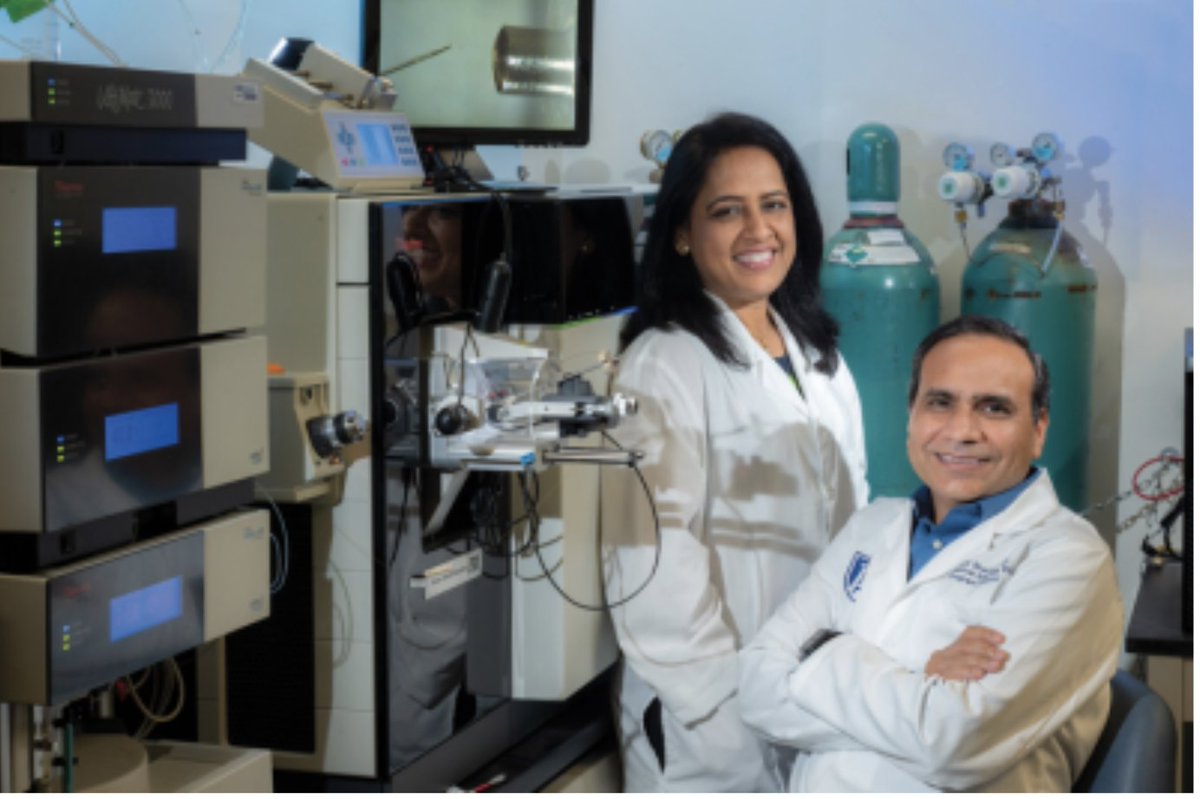
Researchers from the Buck Institute have demonstrated for the first time a link between diet, circadian rhythms, eye health, and lifespan.
https://t.co/jDfS2BZtPx
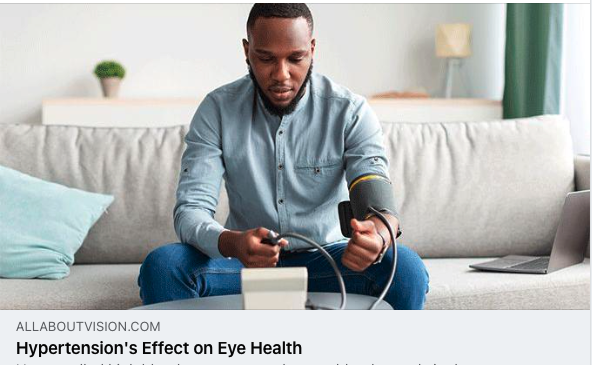
Hypertension (chronic high blood pressure) can lead to damaged retinal blood vessels, fluid accumulation beneath the retina, and nerve damage. Talk to your primary care physician If your eye exam shows signs of hypertension.
https://t.co/bXRtlvBWgY
FY-EYE
During summer, allergens, high temperatures, and air conditioning can trigger chronic dry eye. But persistent symptoms could be a sign that you have another condition that's contributing to your discomfort.
https://t.co/tl9QrwzIRS
Scientists are developing new ways to diagnose and treat eye conditions using tear fluid. While the non-invasive technique is still in the trial stages, scientists are hopeful that this could eventually become a routine procedure.
https://t.co/KntEZV0yzz
Whether we’re treating vision disorders or performing cosmetic procedures, every patient at #RGBeye leaves our office with a renewed sense of confidence. Ask us about eyelid surgery if you suffer from Blepharoptosis (Ptosis).
https://t.co/tV9jJ25lU4
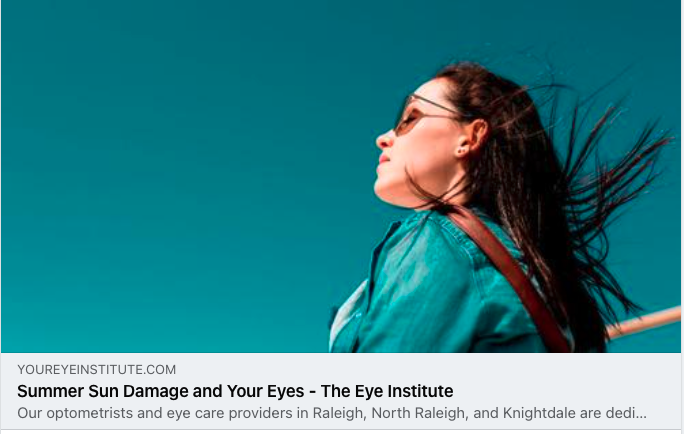
According to the @aao_ophth, July is #UVSafetyMonth, and lately those UV Rays have been brutal. Without adequate UV protection, your cornea and lens can become weakened and damaged, increasing the risk of cataracts or cancer.
https://t.co/YIvfYmGL2A
Many eye conditions are easily treatable—however, patients may lack the funds or resources to get the treatment they need. The World Health Organization (WHO) is addressing this issue by taking steps to ensure eye care becomes more equitable.
https://t.co/Ry0BkSbARy
As #IndependenceDay approaches, it’s important to protect your eyes—eye injuries account for a whopping 15% of fireworks related injuries. @aao_ophth recommends wearing shatterproof protective eye wear if you decide to celebrate with fireworks this summer.
https://t.co/e2NBNmOKb3
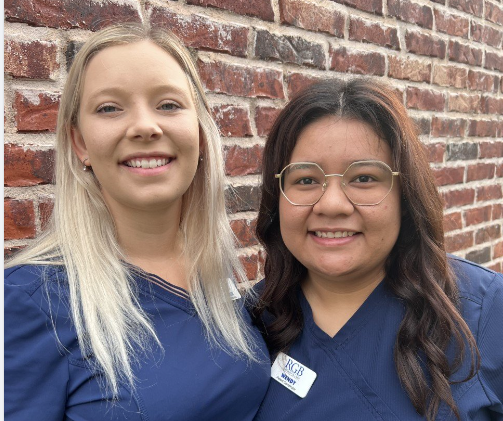
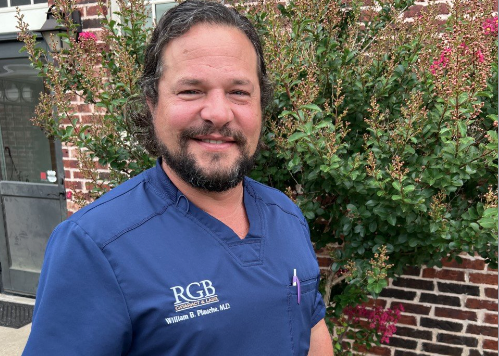
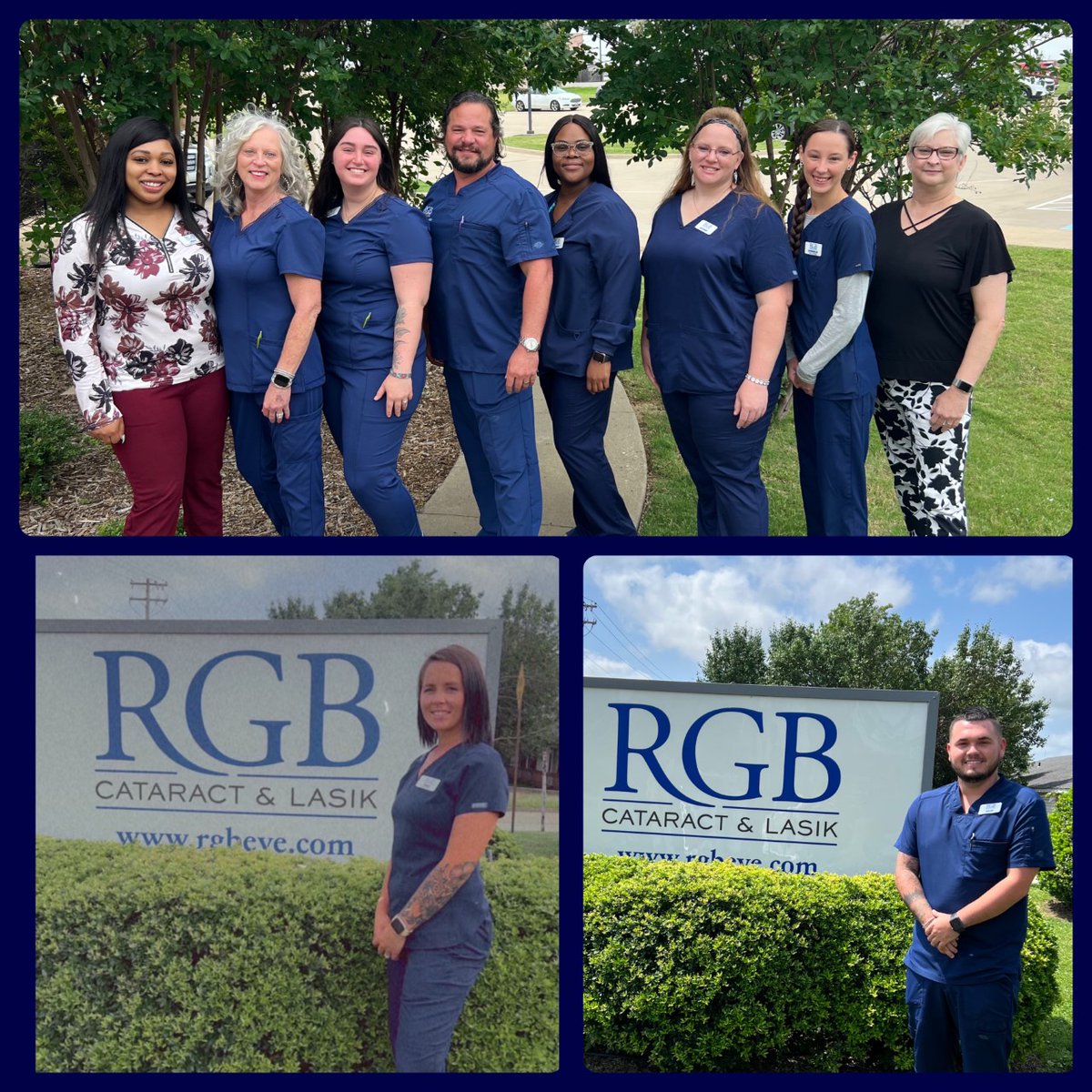
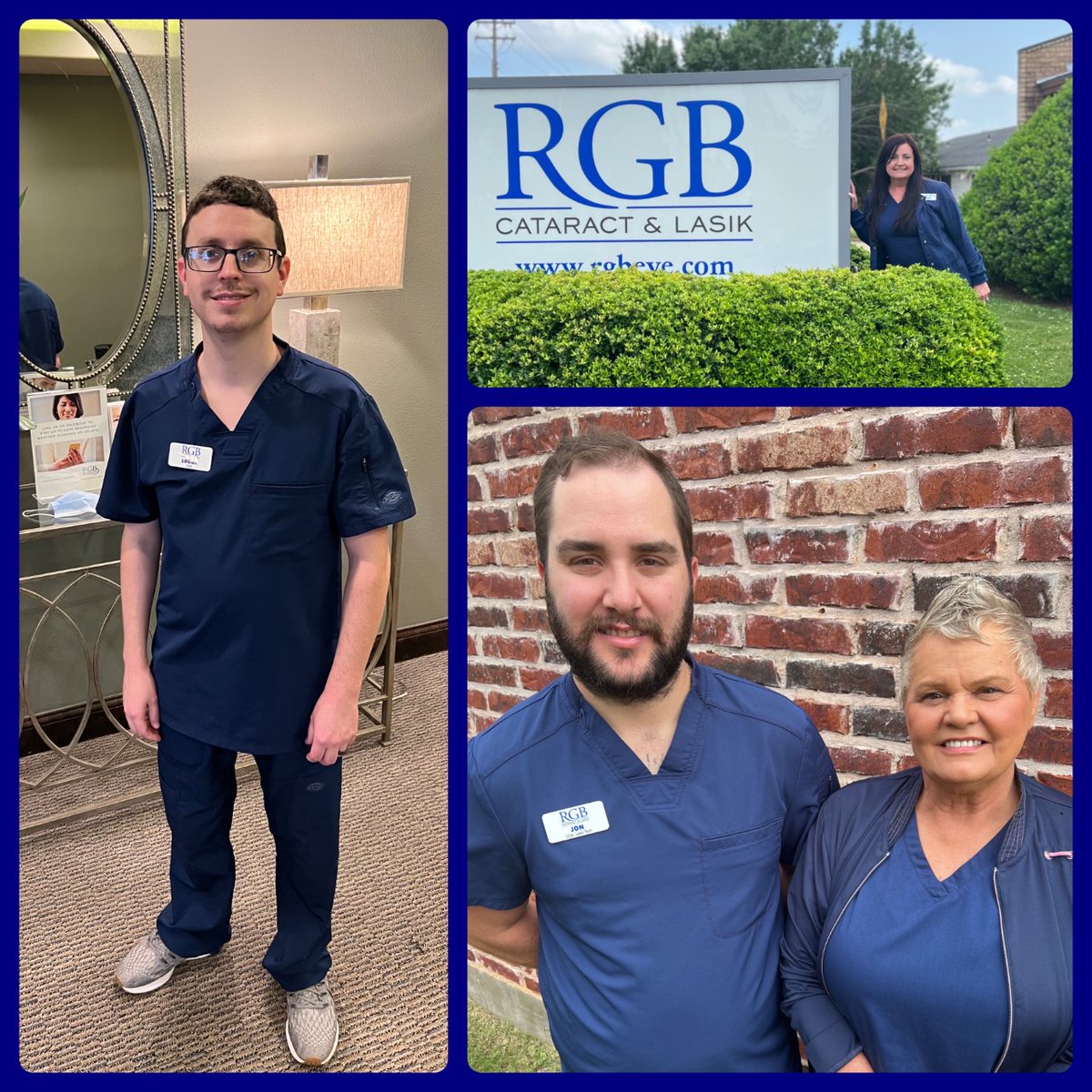
Happy birthday to the team celebrating this month: Leslie P., Pam S., Hannah B., William Plauche, MD, Sharday M., Latasha S., Kimberlee G., Karyn J., and at the bottom we also celebrate Tasha M. and Dylan J.
To experience the best results with an intraocular lens (IOL), it’s important to treat and manage other common eye conditions (such as dry eye) before you have cataract surgery. Ask your provider how you should prepare before having the procedure.
https://t.co/4q9XZABFA9
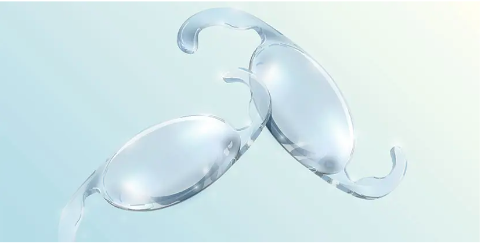
When it comes to intraocular lenses (IOL), the procedure is safer and more effective than ever. When choosing an IOL, ophthalmologists consider your hobbies and lifestyle to determine the lens that is right for you.
https://t.co/Go2uVkI3Zw
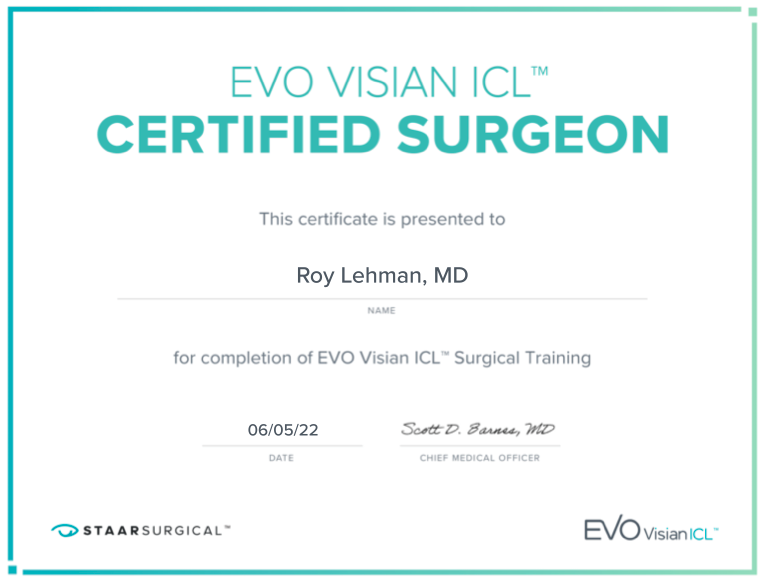
Not t a candidate for traditional LASIK? The EVO Visian ICL may be an option. This implantable collamer lens is surgically placed in front of your natural lens to improve your vision. To learn more, schedule a consultation with Dr. Roy Lehman.
https://t.co/9Yvmk3YA3a
Patients with rheumatoid arthritis (RA) can develop eye conditions which can become serious if left untreated. If you have RA and your eyes are feeling gritty or irritated, schedule an appointment with Dr. Jeff Harris for a dry eye evaluation.
https://t.co/PLNElAeeim
June is #CataractAwarenessMonth. While cataracts are typically associated with patients over 60, an eye injury or trauma can cause cataracts to develop in someone as young as their 20s or 30s. Learn more about how to prevent and treat cataracts here:
https://t.co/XbP9cdMMBV