Most mining throws away trillions of guesses. Qubic’s doesn’t.
With Ant Colony Mining, miners build on each other’s best results, like ants following a trail.
Progress is kept, week after week.
Live on mainnet now.
Your card is a QUBIC on-ramp, and the zero ramp fee is back.
Round two with @AlchemyPay starts today and runs 9 to 30 October.
No exchange account, no existing crypto, no ramp fee. ���
@QubicLi Hello, I am writing here because Discord is banned in my country. I am engaged in Android mining; I started the system this morning, but the solutions I found have disappeared. Could you please help?
@ZtotheNorris Did you receive any payout this week for the solutions found through Android mining? I haven't received any feedback. Is there a minimum reward threshold? Do you have any information about this?
@ZtotheNorris In my opinion, the problem is related to the program; it constantly requires the interface to be open.
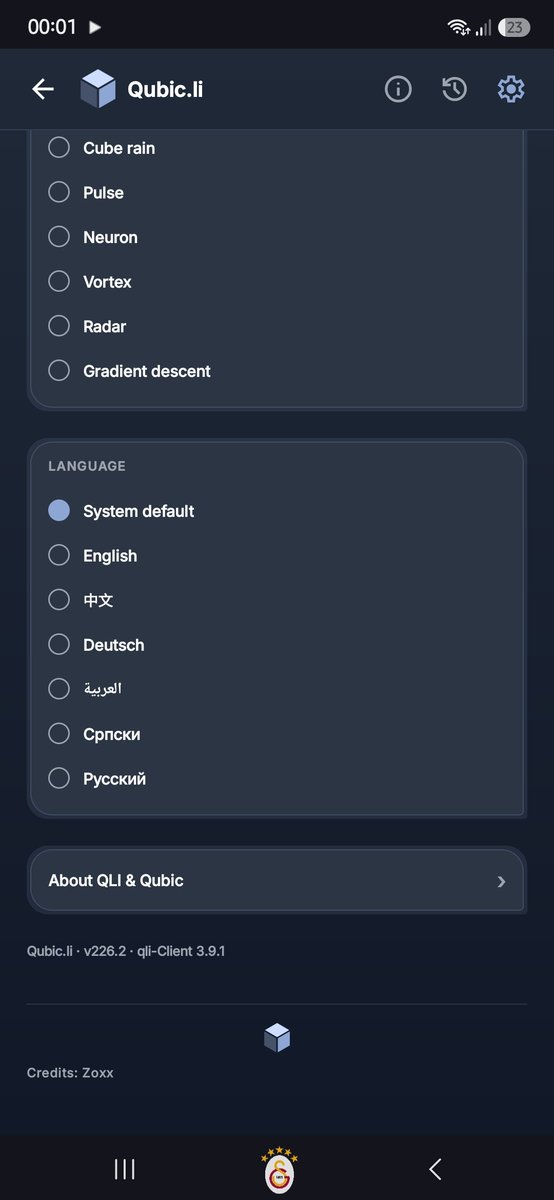
If you notice anything extra in the settings, please share it with me.
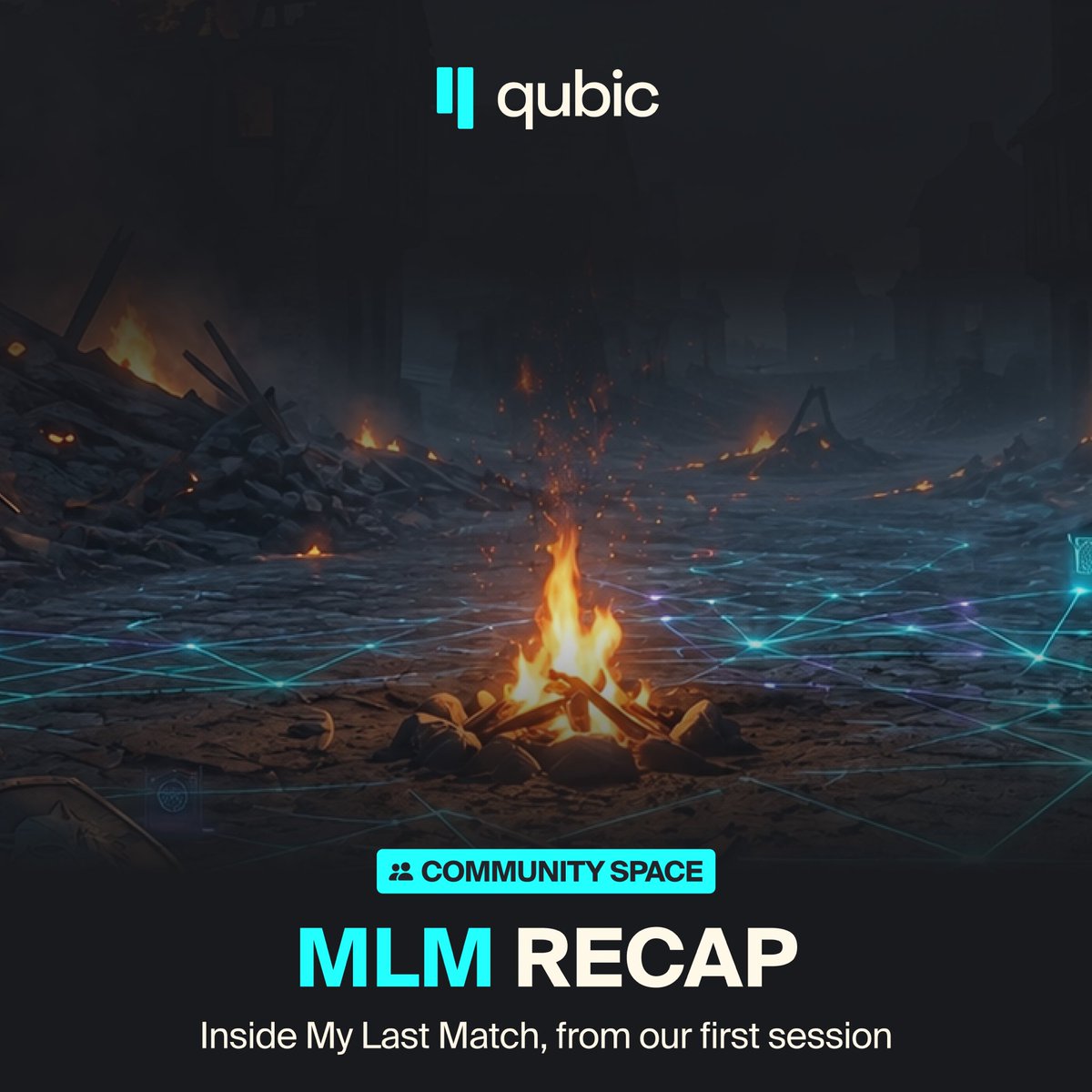
Our first ever Community Space Recap is here.
@DastardlySci, @Matchlords_MLM lead, took us inside My Last Match, the hardcore survival MMORPG built on Qubic by CfB's team.
A permanent world where every item you find is truly yours, with no gas fees and no play-to-earn loops.
AI’s next bottleneck isn’t chips. It’s electricity.
This week, the UK’s largest planned AI supercomputer was reported to face a wait until the 2030s for enough power.
Scotland paused new hyperscale AI data centre approvals this month.
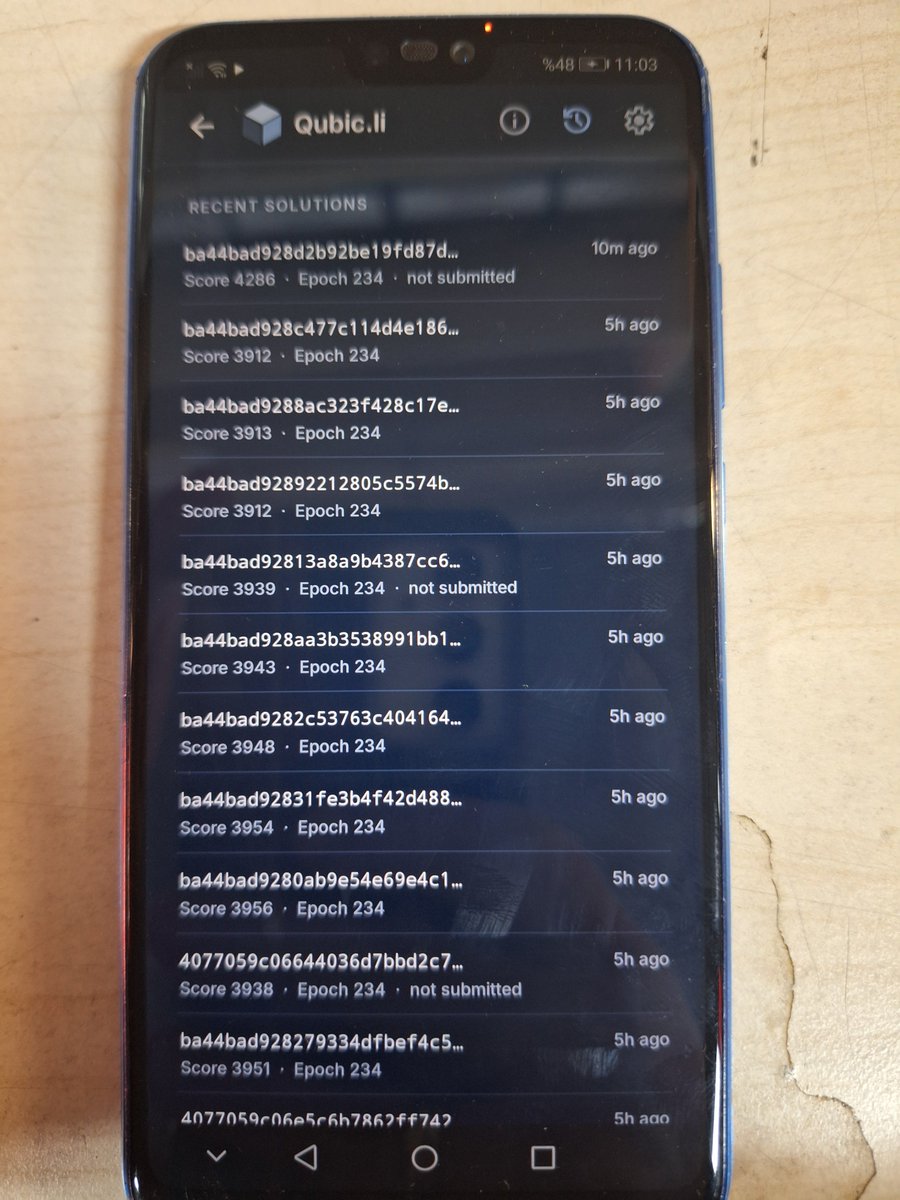
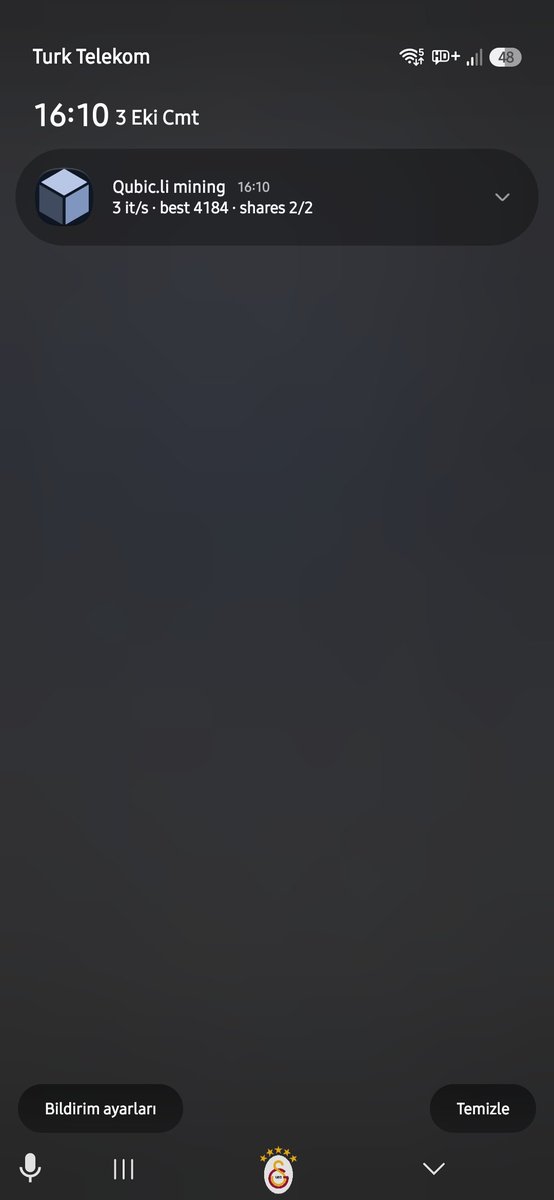
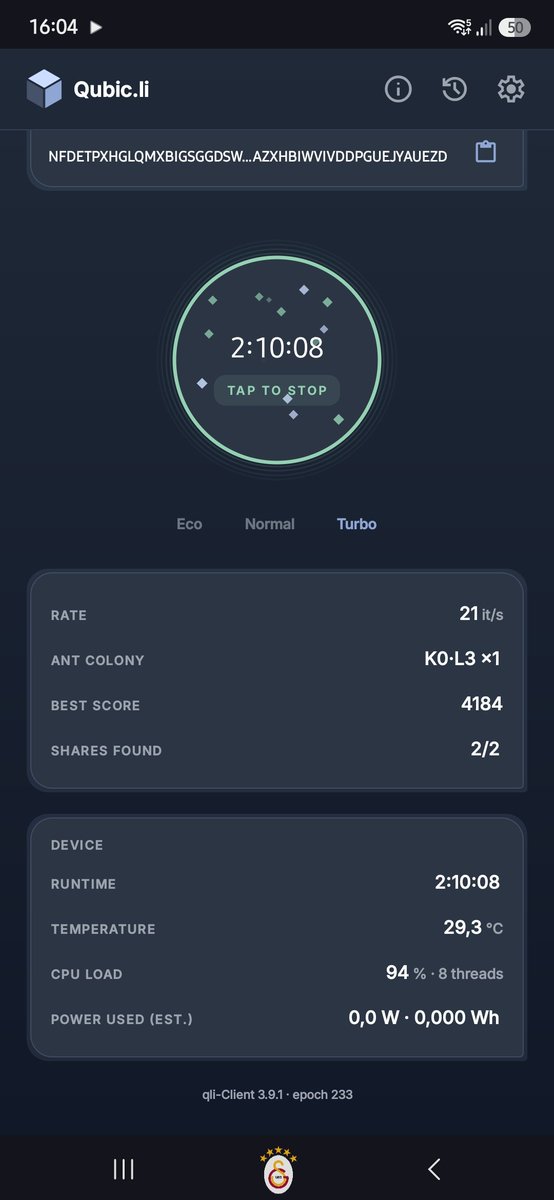
@QubicLi However, when I run the program in the background and try to use my phone, the performance drops to 3–4 it/s (Image 2)—or often even to 0 it/s. What is the reason for this?
@QubicLi Hello, I installed the https://t.co/rUBSxxea3z mining program from GitHub onto my Android phone to contribute to the mining pool. I don't encounter any issues when I first launch the program (Image 1)
The race to let AI agents pay had a big week.
Block joined the x402 Foundation and brought Bitcoin Lightning to it.
Cardano added support days earlier.
Google, Microsoft, AWS and Coinbase are already backing the standard.
Here is what x402 is, and where Qubic fits.
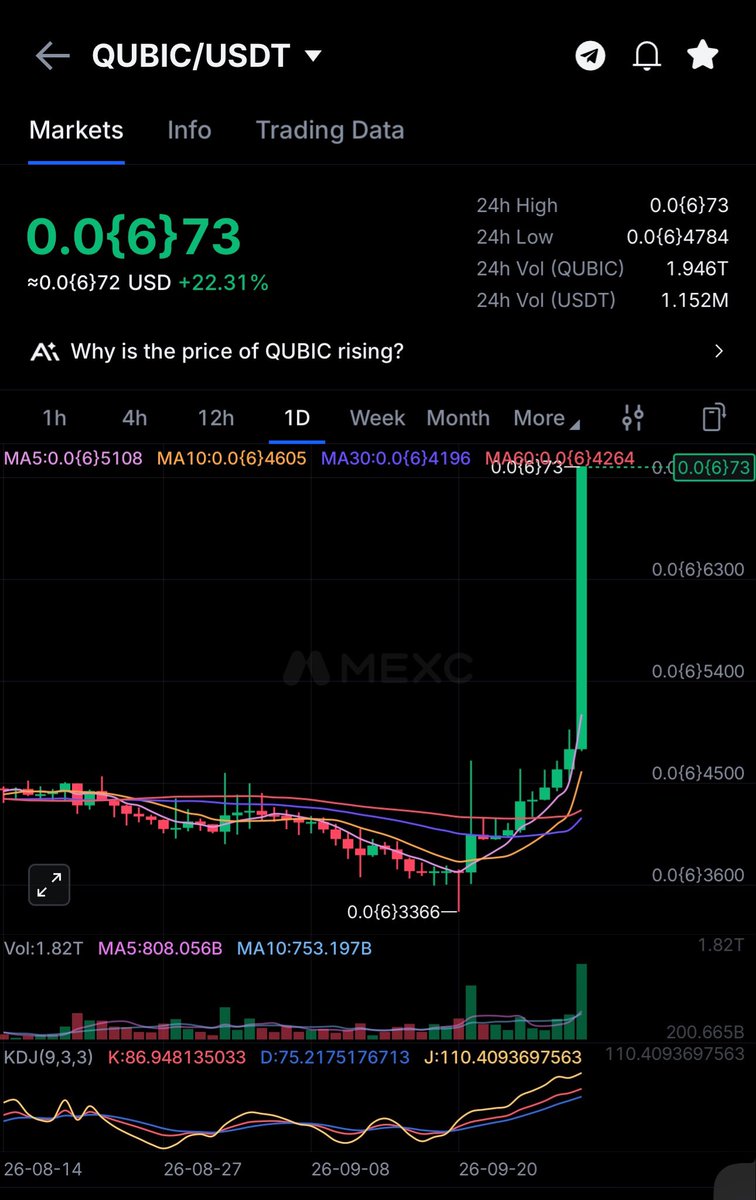
$QUBIC +40% TODAY.
And people are already getting excited.
They shouldn’t be.
Not yet.
Because the real question isn’t what Qubic did today.
The real question is what happens when the new algorithm goes live and the next phase of Qubic actually begins.
AI. Useful compute. Smart contracts. Payments. x402. Autonomous agents.
Months of building while the market looked somewhere else.
Now volume is waking up.
Price is waking up.
Attention is coming back.
And if Qubic ever reaches $0.01, people will look back at charts like this and realize how absurdly early this moment was.
$0.01 sounds impossible.
So did a lot of things before they happened.
The FUDders had their moment.
Now let Qubic cook.
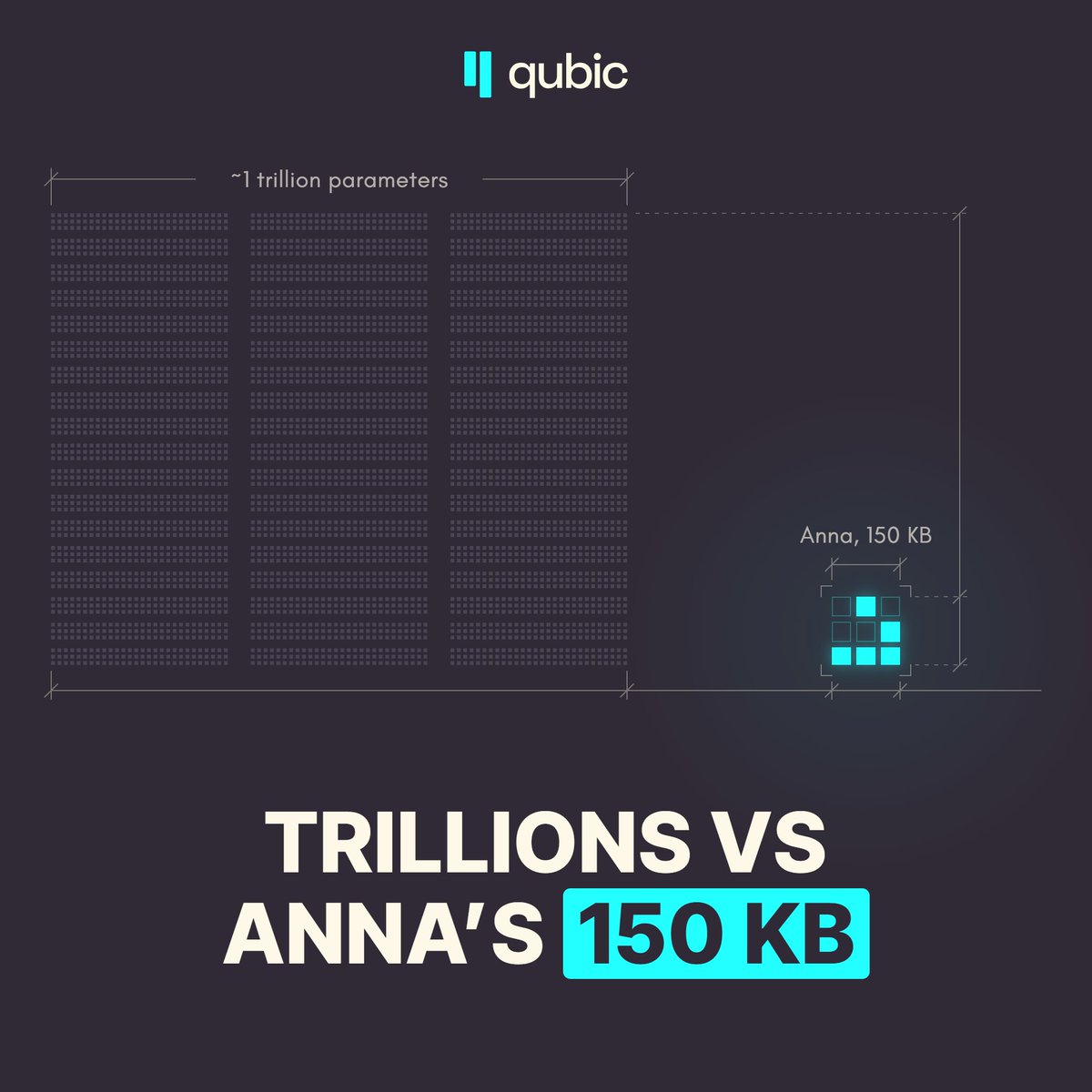
The AI industry has one big bet: Make it bigger.
More data. More parameters. More GPUs.
The newest frontier models are trained on over 100,000 of them.
Qubic is running a different experiment.
$QUBIC : Review 📜
What if every watt the mining industry burns on meaningless puzzles could be pointed at building intelligence instead, and the benchmark scores were already going up?
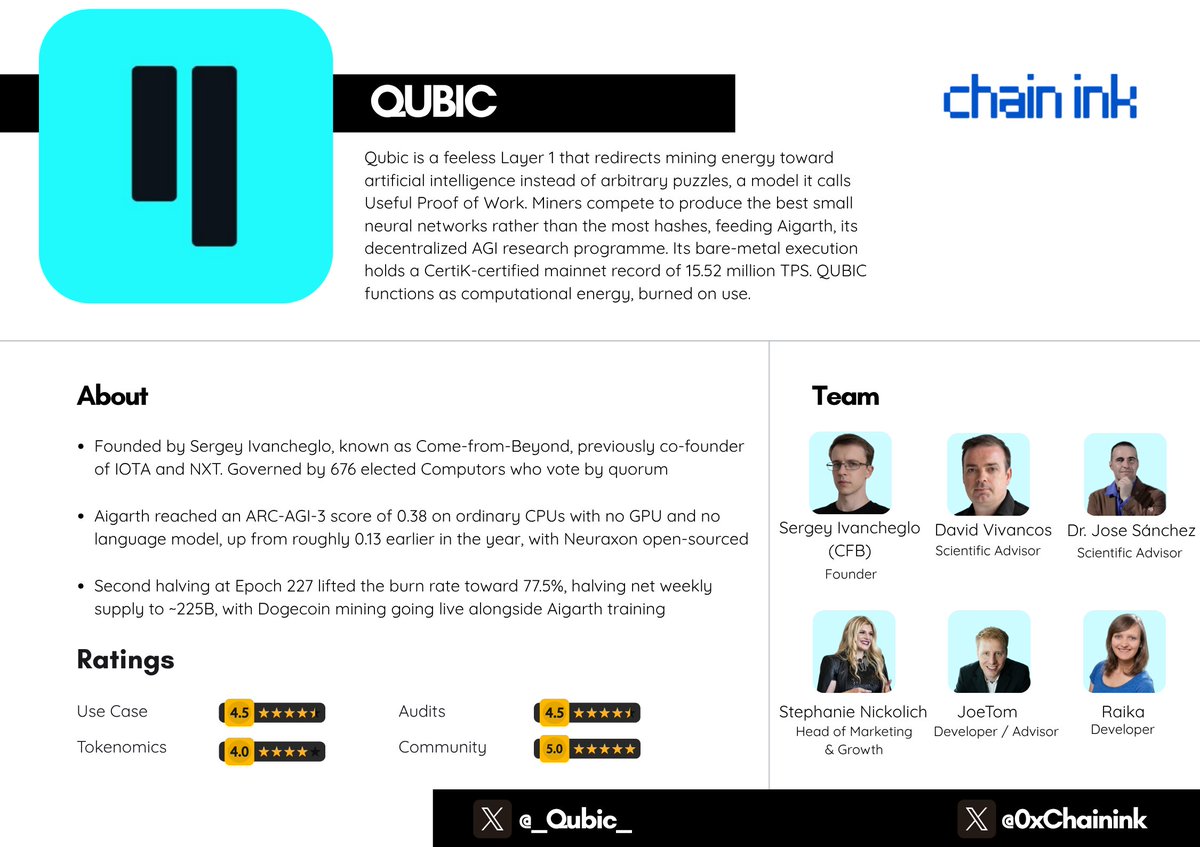
Meet Qubic, a Layer 1 built on Useful Proof of Work, where miners compete to produce the best neural networks rather than the most hashes.
Its Aigarth research hit an ARC-AGI-3 score of 0.38 in September on ordinary CPUs, with no GPU and no language model, roughly tripling its result from earlier in the year.
Let's explore the chain that refuses to waste a watt. 👇
⚪ Qubic at a Glance
Marketplace Insight: Qubic sits in the AI compute category alongside Render, Akash, and io net, but attacks the problem one layer deeper by making AI production the byproduct of securing the chain rather than a service sold on top of it.
September gave that thesis its strongest evidence yet, with Aigarth reaching 0.38 on ARC-AGI-3 using ordinary CPUs and no language model, a result the team positions ahead of several frontier models on that specific benchmark.
The clean contrast is between scientific validation and commercial scale. The research is measurable and improving fast, the payment rails are live across 20 million merchants, and the question remaining is whether anyone pays for the intelligence being produced.
⚪ Mission
Qubic exists to make consensus productive and to reach artificial general intelligence through distributed computation. The founding argument is that proof-of-work secures networks by wasting energy on deliberately useless work, and that the same security can come from work that produces something valuable. The chosen output is Aigarth, a system that evolves neural networks rather than training a static model. The deeper thesis is that AI's binding constraint is economic rather than algorithmic, and that a global mining network is the only structure capable of supplying compute at the necessary scale.
🔵 A Brief History
Qubic was founded by Sergey Ivancheglo, better known as Come-from-Beyond, one of crypto's more polarizing technical figures. He co-founded NXT, the first pure proof-of-stake blockchain, and later IOTA, arriving at Qubic with a record of genuine innovation and combative execution in roughly equal measure.
The architecture was unusual from the start: 676 elected Computors governing by quorum, bare-metal execution with no virtual machine, and weekly epochs emitting exactly 1 trillion QUBIC. In 2024, a community vote called Project X cut maximum supply from 1,000 trillion to 200 trillion and introduced the halving schedule and SupplyWatcher contract driving the token's deflation.
2025 produced both the technical high point and the reputational flashpoint. CertiK certified a mainnet throughput record of 15.52 million TPS, unmatched by any other chain. Then between May and August, Qubic's share of Monero's hashrate climbed toward a claimed majority, with Ivancheglo openly announcing plans to demonstrate 51% control. A six-block reorganization was detected, XMR fell sharply, and the Monero community coordinated a boycott and answered with sustained DDOS attacks. Qubic described the episode as a combative application of game theory.
2026 has been about converting theory into shipped systems. The BPP-9000 algorithm went live rewarding the lowest-error neural networks rather than raw hash volume, and Outsourced Computing reached mainnet so contracts could act on the outside world. The second halving executed at Epoch 227 on 19 August, approved by Computors in June, lifting the burn rate from 55% toward 77.5% and halving net weekly supply.
On 20 August the Vottun Bridge, a third-party wrapper operated externally, was exploited for roughly 319 billion QUBIC, leaving Ethereum-side wQUBIC largely unbacked; the Qubic L1, consensus, and native supply were unaffected with no minting involved, and Qubic Core published an on-chain analysis while recovery discussions continued.
The Ant Colony framework activated around Epoch 228, letting mining and AI runs build on prior results rather than restarting each cycle, and a native cross-chain oracle shipped allowing contracts to read other chains without a third-party bridge.
September brought the clearest validation yet. The 17 September All-Hands reported Aigarth's best ARC-AGI-3 score at 0.38 on ordinary CPUs with no GPU and no language model, up from roughly 0.13 to 0.25 earlier in the year, with Neuraxon code open-sourced. Q+Pay and QPAYHUB went live the same day after the settlement contract's IPO, handling non-custodial wallet-to-wallet merchant payments on-chain with over 2 billion QUBIC behind integration bounties for WooCommerce, Shopify, payment links, and tip jars.
The science team presented at AI Summit Barcelona on 22 and 23 September. On the 29th, the Qubic AGI Lab was founded as an independent Swiss non-profit for research and education on decentralized AGI, legally separate from the network, with membership opening in late October and a first meetup in Basel on 7 November. Today, 30 September, Dogecoin mining went live, with ASIC DOGE mining running in parallel to full CPU and GPU capacity for Aigarth rather than trading one against the other, and a burn loop described as activating as it scales.
🔵 Ecosystem Narrative
The organizing idea is that computation should produce value twice, once as security and once as intelligence.
➛ BPP-9000 and quality-based mining. The Useful Proof of Work algorithm rewards the best solutions, specifically the lowest-error small neural networks, rather than raw hash volume, so miners compete on output quality rather than energy expended.
➛ Ant Colony and compounding search. Live since Epoch 228, mining and
AI runs build on prior retained results rather than starting from scratch each cycle, so the network's search compounds instead of duplicating across thousands of participants.
➛ Parallel multi-workload mining. ASIC hardware mines Dogecoin while CPUs and GPUs run Aigarth training at full capacity simultaneously, with no toggle and no trade-off, following the same playbook as the earlier Monero campaign.
➛ Aigarth and Neuraxon. Open-sourced and measurably improving, reaching an ARC-AGI-3 score of 0.38 on ordinary CPUs without a GPU or language model, which the team positions ahead of several frontier models on that specific benchmark.
➛ Q+Pay and merchant rails. Non-custodial wallet-to-wallet settlement live on-chain with 2 billion QUBIC in integration bounties, alongside AEON Pay reach across 20 million merchants in six countries and AlchemyPay coverage spanning 173 countries.
➛ Native cross-chain oracle. Contracts read data from other chains directly without a third-party bridge in the middle, removing an external dependency at the protocol level.
⚪ Token Utilities
$QUBIC functions as computational energy rather than a conventional gas token.
➛ Computation: burned when executing smart contracts and consuming network services, so usage directly destroys supply.
➛ Computor rewards: the 676 elected Computors earn from weekly emissions, with distribution weighted by operational efficiency.
➛ Smart contract IPOs: new contracts launch through Dutch auctions that burn the proceeds, as Q+Pay did before going live.
➛ Payments: spendable through Q+Pay and AEON Pay at merchant networks across three continents, with fiat on-ramps via AlchemyPay.
⚪ Key Features
➛ Useful Proof of Work rewarding the best neural networks rather than the most hashes.
➛ Ant Colony compounding the network's search across cycles.
➛ A CertiK-certified mainnet record of 15.52 million TPS with feeless transactions.
➛ Open-sourced Neuraxon scoring 0.38 on ARC-AGI-3 without GPUs or language models.
➛ Parallel Dogecoin mining alongside full-capacity AI training.
➛ A burn rate lifted toward 77.5%, halving net weekly supply.
🔵 Meet the Team
Qubic pairs a founder with genuine protocol-building history against a scientific advisory bench that publishes in academic venues, which is unusual for a project of this size and is the clearest signal that the AI work is real research rather than positioning.
▶️ Core Members:
➛ Sergey Ivancheglo, CFB [ @c___f___b ] - Founder | Co-founded NXT, the first pure proof-of-stake blockchain, and later IOTA, giving him a rare record of foundational protocol innovation. He designed the Useful Proof of Work model and the Aigarth thesis, and remains the network's principal technical voice.
➛ David Vivancos [ @VivancosDavid ] - Scientific Advisor | Brings external scientific credibility to the Aigarth research programme, part of the advisory bench behind the Neuraxon architecture and the ARC-AGI results presented through 2026.
➛ Dr. Jose Sánchez - Scientific Advisor | An academic advisor on the AI research side, supporting the work on three-state Neuraxon neurons, self-organized criticality, and the multi-region architecture now open-sourced.
➛ Stephanie Nickolich - Head of Marketing and Growth | Leads marketing and growth across the ecosystem, carrying a genuinely technical story, useful mining and decentralized AGI, out to an audience that mostly evaluates crypto on simpler terms.
➛ JoeTom - Developer and Advisor, and Raika - Developer | Core contributors on the engineering side, working across BPP-9000, Ant Colony, Outsourced Computing, the native cross-chain oracle, and the Q+Pay settlement contract.
➛ The Computors | The load-bearing governance entity. 676 elected node operators who run the network, execute computation, and vote by quorum on protocol decisions including the supply cap reduction and both halvings, the second of which they approved in June before it executed in August.
🔵 Ratings
➛ Use Case: ★★★★⯪ (4.5/5). Qubic leads a category it created and has the results to back it. Useful Proof of Work answers AI's cost problem at the root rather than reselling GPUs, the 15.52 million TPS record is CertiK-certified and unmatched, and BPP-9000 with Ant Colony turns global mining into a compounding search for better solutions. The AI output is measurable and climbing: ARC-AGI-3 at 0.38 on ordinary CPUs with no GPU or language model, roughly triple its result earlier this year, with Neuraxon open-sourced. Dogecoin mining runs in parallel with full AI capacity, Outsourced Computing is on mainnet, and AEON Pay reaches 20 million merchants. The 0.5-point deduction is commercial maturity: Q+Pay is weeks old and the AI results are research output, not a product anyone pays for yet.
➛ Tokenomics: ★★★★ (4/5). One of the more aggressive deflationary designs in crypto, and it executes on schedule. The community voted maximum supply down from 1,000 trillion to 200 trillion, and while weekly emission stays at 1 trillion, the burned share keeps rising, hitting 77.5% at Epoch 227 and cutting net new supply from roughly 450 billion to 225 billion a week. SupplyWatcher adjusts dynamically, smart contract IPOs burn their proceeds as Q+Pay did, and a Dogecoin-linked burn activates as that mining scales. The 1-point deduction is that net emissions stay positive even post-halving, with the next step not due until August 2027, so supply is decelerating rather than shrinking.
➛ Audits: ★★★★⯪ (4.5/5). Qubic holds a verified CertiK Skynet Score of 90.45, grade AA, with twelve passed checks and no unresolved alerts, the second-highest score in this series. Underneath sits a separate CertiK certification of the TPS record, a bare-metal architecture that eliminates an entire class of virtual machine vulnerabilities, and an L1 that has run for years without compromise, holding through August with no minting and native supply untouched. Disclosure was handled properly and the new cross-chain oracle cuts reliance on external bridges. The 0.5-point deduction is the August Vottun Bridge exploit leaving Ethereum-side wQUBIC largely unbacked, plus newest systems only weeks old in production.
➛ Community: ★★★★★ (5/5). Qubic's community is among the most active in crypto, and the engagement is measurable rather than claimed. Governance runs operationally through 676 elected Computors who approved both halvings and the supply cap cut, and the base absorbed sustained DDOS attacks and coordinated hostility from a rival network without fragmenting. In September the community itself founded the Qubic AGI Lab as an independent Swiss non-profit for research and education, with a first Basel meetup in November. Developer momentum matches it: the AIO Dev Kit, 2 billion QUBIC in Q+Pay bounties, recurring Community Spaces, twelve free Academy modules, and researchers presenting at AI Summit Barcelona. Few projects this size sustain participation across governance, mining, development, and formal research at once.
🔵 Conclusion
Qubic is the most technically audacious project in this series, and the last six weeks have been its most productive. The second halving executed exactly on schedule, lifting the burn rate toward 77.5% and halving net new supply. Ant Colony made the network's search compound rather than duplicate.
A native cross-chain oracle removed a dependency. Q+Pay went live for merchant settlement, Dogecoin mining now runs in parallel with full AI capacity, and a community-founded Swiss research institute opened its doors. Most importantly, Aigarth scored 0.38 on ARC-AGI-3 using ordinary CPUs, no GPU, and no language model, roughly tripling its result from earlier in the year.
The risks are worth naming. Net emissions remain positive despite the aggressive burn, with the next halving not due until 2027. The August Vottun Bridge exploit left Ethereum-side wrapped tokens largely unbacked, and while the chain itself was untouched, it is a reminder of how much risk sits at the edges of any network. The Monero episode remains part of the public record, an act of combative game theory that cost standing the science has not yet bought back.
But the bull case keeps strengthening. If AI compute economics are the binding constraint of the coming decade, a network that produces intelligence as a byproduct of securing itself is working a level below every GPU marketplace, and its benchmark results are now improving fast enough to be checked by anyone.
Qubic has proven it can build things nobody else has built. What it still has to prove is that the world will pay for what they make.
Most people are watching the $QUBIC price.
I’m watching something else.
The supply.
Starting from ~177.56T total QUBIC today, there are roughly 65 weeks left until the end of 2027.
What happens if the network stays net-deflationary?
The numbers get uncomfortable very quickly. 🧵
$Qubic #QUBIC #Crypto #Tokenomics
Qubic AGI Lab is officially founded.
It is now a registered non-profit Swiss association, set up by community members and independent of the Qubic network, with its own legal footing.
Its purpose is research, education and open discourse on decentralized AGI, including work built on Qubic, Useful Proof of Work and Aigarth.
Here is how you can be part of it👇