Stasera: 21.20 @RaiTre
Una vicenda scandalosa iniziata dalle pentole antiaderenti. Vedrete le verità occultate, le complicità e storie mai viste.
Per noi sono “pericolosi socialmente” i criminali che inquinano la terra,
l’acqua e i corpi. Puntata imperdibile.
Sara Gregorini è la zia di Paolo Zampolli. Non ha mai perdonato al nipote di aver rinchiuso la sorella in una rsa. Dalle parole della zia emerge un ritratto inedito e crudo del nipote Paolo.
Report torna domenica, dalle 20.30 su Rai3 👇
"Per costruire 12 ospedali servono 250 milioni di dollari, il costo di 8 ore di guerra in Iraq.
Si prendessero un giorno di ferie"
Le parole di Gino Strada attraversano il tempo
A Pavia c'è un acceleratore di particelle che cura i tumori inoperabili.
Non è un laboratorio di fisica. È un ospedale. E ogni giorno, dentro un bunker con pareti di cemento armato spesse fino a 6 metri, un sincrotrone spara ioni di carbonio contro tumori che la medicina tradizionale non riesce nemmeno a raggiungere.
Si chiama CNAO Centro Nazionale di Adroterapia Oncologica ed è nascosto tra le strutture del Policlinico San Matteo, a due passi dal centro di Pavia. Inaugurato nel 2010, ha iniziato a trattare i primi pazienti nell'ottobre 2011.
La macchina al suo interno è un sincrotrone circolare: 25 metri di diametro, 80 metri di circonferenza, collocato in un bunker di 1.600 metri quadrati. È la stessa tecnologia dei laboratori del CERN di Ginevra ma invece di studiare la materia, questo acceleratore la usa per distruggere le cellule tumorali.
E qui arriva il punto che cambia tutto.
Non è chemioterapia. Non è radioterapia classica. Gli ioni di carbonio le particelle più pesanti e potenti che il centro è in grado di produrre — colpiscono il tumore con precisione millimetrica, rilasciando la loro energia esattamente dove serve, risparmiando quasi completamente i tessuti sani intorno.
Spoiler: è l'unico centro in Italia capace di estrarre ioni di carbonio dall'atomo e usarli clinicamente. Nel mondo, esistono solo altri cinque centri con questa tecnologia.
I tumori che arrivano al CNAO sono quelli che altrove non hanno risposta: cordomi alla base del cranio, sarcomi ossei, neoplasie in sedi anatomicamente impossibili da operare o resistenti a qualsiasi trattamento radioterapico convenzionale. Dal 2011 a oggi, il centro ha trattato oltre 4.000 pazienti. Dal 1 gennaio 2014, il trattamento è erogabile dal Servizio Sanitario Nazionale.
Quattromila persone con diagnosi senza via d'uscita. Trattate a Pavia, con un sincrotrone, gratuitamente.
Nel frattempo il CERN cercava bosoni.
In breve:
Il CNAO di Pavia usa un sincrotrone stessa tecnologia del CERN per curare tumori inoperabili con ioni di carbonio.
È l'unico centro in Italia con questa tecnologia e uno dei 6 al mondo: dal 2011 ha trattato oltre 4.000 pazienti.
Dal 2014 il trattamento è gratuito tramite SSN.
@Tesla I tried it and I bought it, but Tesla Italy made me want to run away! Customer service unworthy of this brand, one operator tells you one thing and, another operator tells you the opposite. My delivery has already been delayed by a month. No seriousness! What a disappointment.
From @TheAthletic: There will be a lot of contenders for the athletes to have had the best Winter Olympics — and Federica Brignone is one of them. The Italian skier, who returned to competition a month ago after a bad injury, won her second gold medal. https://t.co/jM5bbZhhRD
Pace? Armonia? Umanità?
Non ho sentito niente di tutto questo ieri sera, ma l’ho sentito attraverso i vostri messaggi.
Le persone sono ciò che conta davvero e, in un momento di così tanto odio, vi prego di non giocare il loro gioco e di rispondere sempre come vorremmo che il mondo fosse.
“Ci sono cose da non fare mai”
Ghali
Due giornalisti sportivi del Washington Post sono a Milano, nella sala stampa delle Olimpiadi Invernali Milano-Cortina 2026. Stanno lavorando quando arriva la notizia: licenziati. Insieme a loro, altri 300 colleghi. Tra questi un premio Pulitzer, l'intera redazione Medio Oriente che era finalista al Pulitzer 2025 per la copertura su Gaza, i corrispondenti da Kiev, Berlino, Il Cairo.
Jeff Bezos, il proprietario, parla di ristrutturazione necessaria. Ma la storia racconta altro.
Nel 2019 Amazon perse un contratto da 10 miliardi col Pentagono. Bezos accusò Trump di aver manovrato la gara per vendicarsi delle inchieste del Post. "Fottete Amazon" sarebbe stato l'ordine del presidente, secondo l'ex segretario alla Difesa Mattis. Era guerra aperta.
Poi qualcosa cambia. Nel 2024 Bezos blocca l'endorsement del Post a Kamala Harris, una decisione che costa 200mila abbonati.
Il WP ha perso 77 milioni nel 2023 e circa 100 milioni nel 2024, mentre il New York Times cresceva del 10% raggiungendo 12,2 milioni di abbonati digitali contro i 2,5 milioni del Post.
A gennaio 2025 ecco Bezos in prima fila all'inaugurazione di Trump.
Amazon intanto finanzia un documentario su Melania da 40 milioni. E ad agosto scorso arriva il premio: un miliardo di dollari in crediti cloud dall'amministrazione Trump per la modernizzazione dell'infrastruttura federale.
E oggi i licenziamenti. Smantellate proprio le redazioni che davano più fastidio: esteri, inchieste, copertura internazionale. Il direttore parla di adattamento al mercato. Ma Glenn Kessler, per anni fact-checker del Post, la mette diversamente: "Bezos non sta cercando di salvare il Washington Post. Sta cercando di sopravvivere a Donald Trump."
Il motto del giornale è "Democracy Dies in Darkness". Bezos alla fine ha scelto di spegnere tutte le luci da solo. Perché forse, ma dico forse, quando hai miliardi di affari col governo federale, un giornale scomodo diventa un lusso che non puoi più permetterti.
La sua è solo paura, non strategia. Ed è esattamente quello che il potere voleva da lui.
@elonmusk Dear Elon, you should have the retailers in Italy do better training: maybe I was unlucky, but I found people who were not very well prepared! 🤬 #Tesla#modely
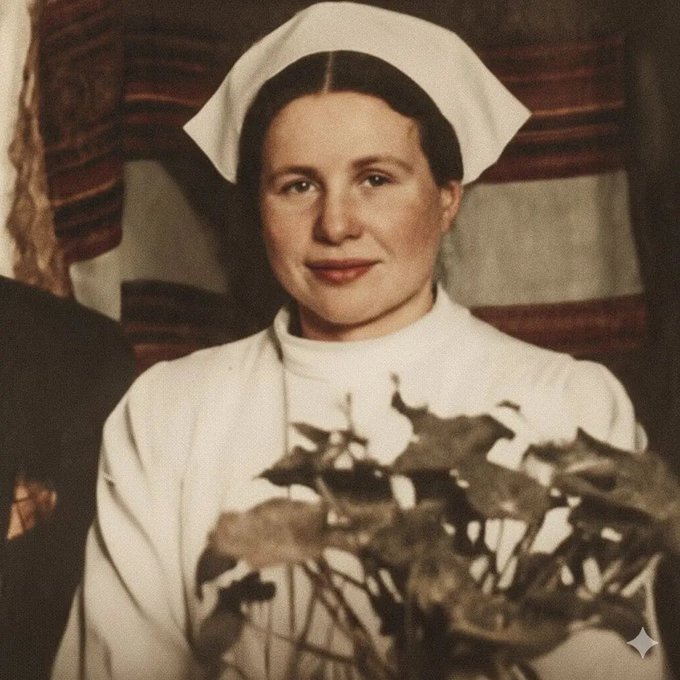
In the autumn of 1942, a slight, 32-year-old Polish social worker named Irena Sendler passed through the gates of the Warsaw Ghetto with a carpenter’s toolbox in her arms. Beneath the hammers and nails lay a drugged six-month-old infant, breathing softly, utterly silent. One cry would have meant instant death for both of them. Irena smiled at the guards; they waved her through. They never suspected that this quiet woman would repeat the journey 2,499 more times.
The ghetto was a slow-motion extermination. Starvation, disease, and random murder stalked every street. Jewish parents faced a choice no human being should ever have to make: keep their child and watch them waste away, or hand them to a stranger who promised a chance—however thin—at life.
Irena came officially to inspect for typhus. In reality, she came to steal children from death.
Babies left in toolboxes or ambulances under false bottoms. Toddlers sedated and tucked into potato sacks. Older children led by the hand through the stinking, lightless sewers while German boots marched overhead. “Not a sound,” she whispered as rats scurried past their feet.
She knew that the rescued children would be given new names, new religions, new families. Their pasts would vanish unless someone remembered. So, on fragile scraps of tissue paper, Irena wrote each child’s real name, their parents’ names, and their new hiding place. She rolled the papers tight, slipped them into glass jars, and buried them beneath an apple tree in a neighbor’s garden. If she were caught and killed, the truth might still survive.
She was caught.
On October 20, 1943, the Gestapo kicked in her door. They took her to Pawiak Prison and demanded the list. When she refused, they smashed both her legs with iron bars. Then her feet. Then her arms. For weeks the beatings continued. She never spoke. They scheduled her execution. On the appointed morning, guards dragged the broken woman from her cell.
Instead of a firing squad, she found herself outside the prison walls—alive. The Polish underground council Żegota had bribed a guard to mark her file “shot while trying to escape.” Officially dead, Irena Sendler limped back into the shadows to keep working.When the war finally ended, the first thing she did was dig up the jars under the apple tree. She spent years trying to return the children—now scattered across convents, farms, and foster homes—to whatever family might remain.
Almost no parents had survived. But the children had. Because of her, 2,500 Jewish boys and girls lived to grow up, to marry, to have children and grandchildren of their own—an entire secret branch of the human family tree that the Nazis never managed to cut down.For decades her story stayed buried deeper than the jars themselves. Then, in 1999, four high-school girls in rural Kansas stumbled across a brief mention of her name. They found the old woman still living quietly in Warsaw and brought her courage back into the light.
Journalists called her the greatest rescuer of the Holocaust. Irena only shook her head.“I could have saved more,” she said. “That regret follows me to the grave.”Irena Sendler—armed with nothing but a ghetto work permit, a toolbox, and a refusal to look away—proved that even in the heart of the worst evil humanity has ever devised, one determined person can still keep the darkness from winning completely.
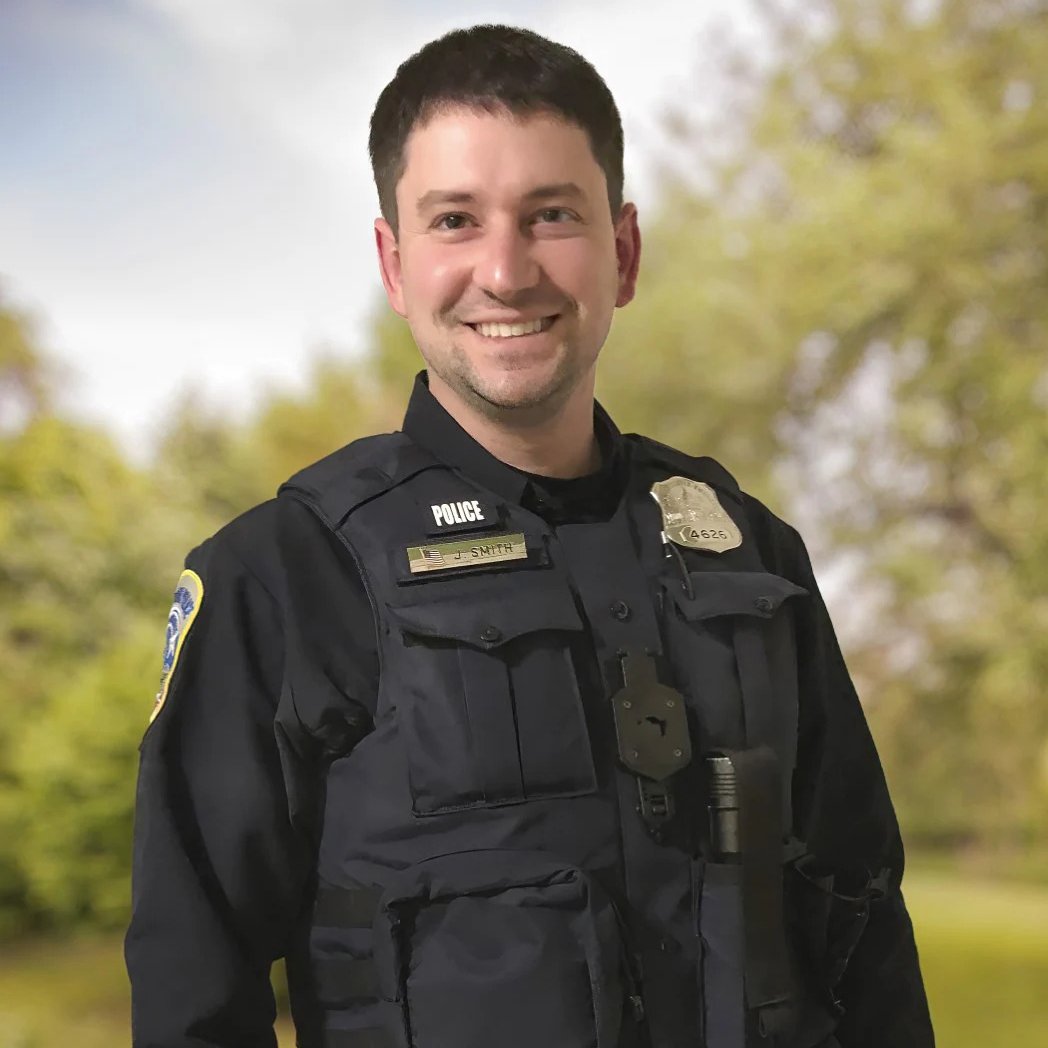
D.C. Police Officer Jeffrey Smith bravely defended our Capitol on January 6th against Trump's insurrectionists. He suffered deep trauma after the day's events and later died by suicide.
RETWEET to honor Officer Smith's life today ❤️
This is Office David Rose, who was killed during a mass shooting at the CDC by an anti-vax extremist. Sec. Robert F. Kennedy Jr, who oversees the CDC, did not attend Rose’s funeral but found the time to speak at Charlie Kirk’s memorial.
RETWEET to honor Officer Rose! ❤️
Un paese vuol dire non essere soli, sapere che nella gente, nelle piante, nella terra c’è qualcosa di tuo, che anche quando non ci sei resta ad aspettarti
Cesare Pavese
Riportatelo a casa
Un paese lo aspetta❤️
Mauro Biani