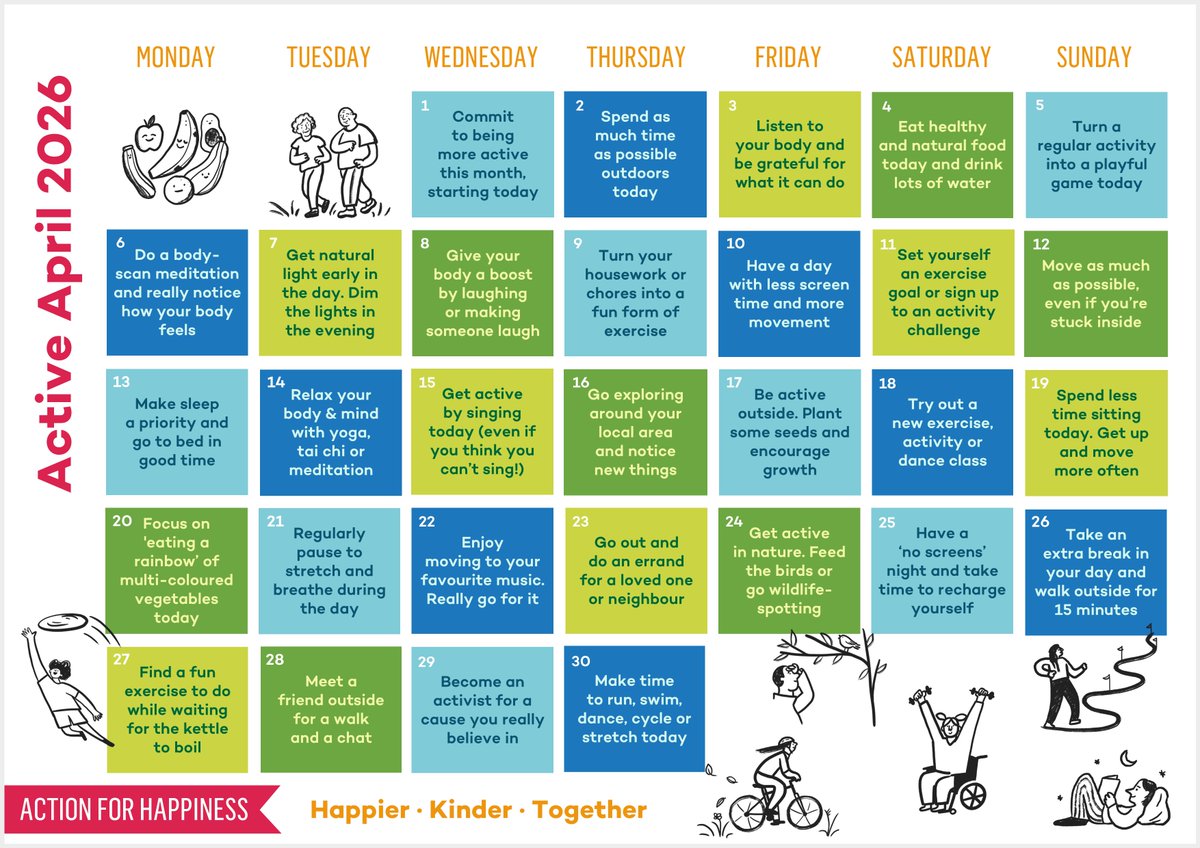
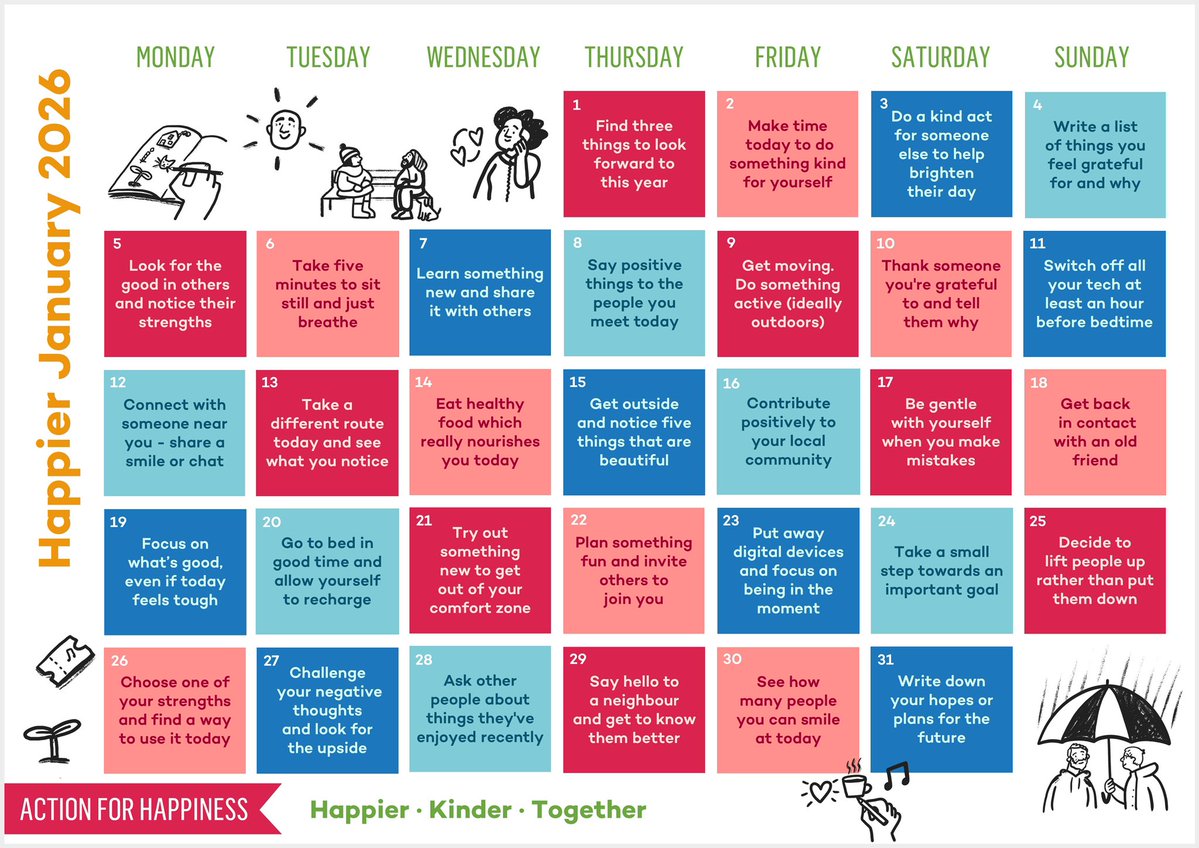
Life is happier when we go outside and get active. Join us for Active April and find ways to keep moving forward 🌤���🚴♂️🏃🌿 https://t.co/7vJLdlFuoI #ActiveApril
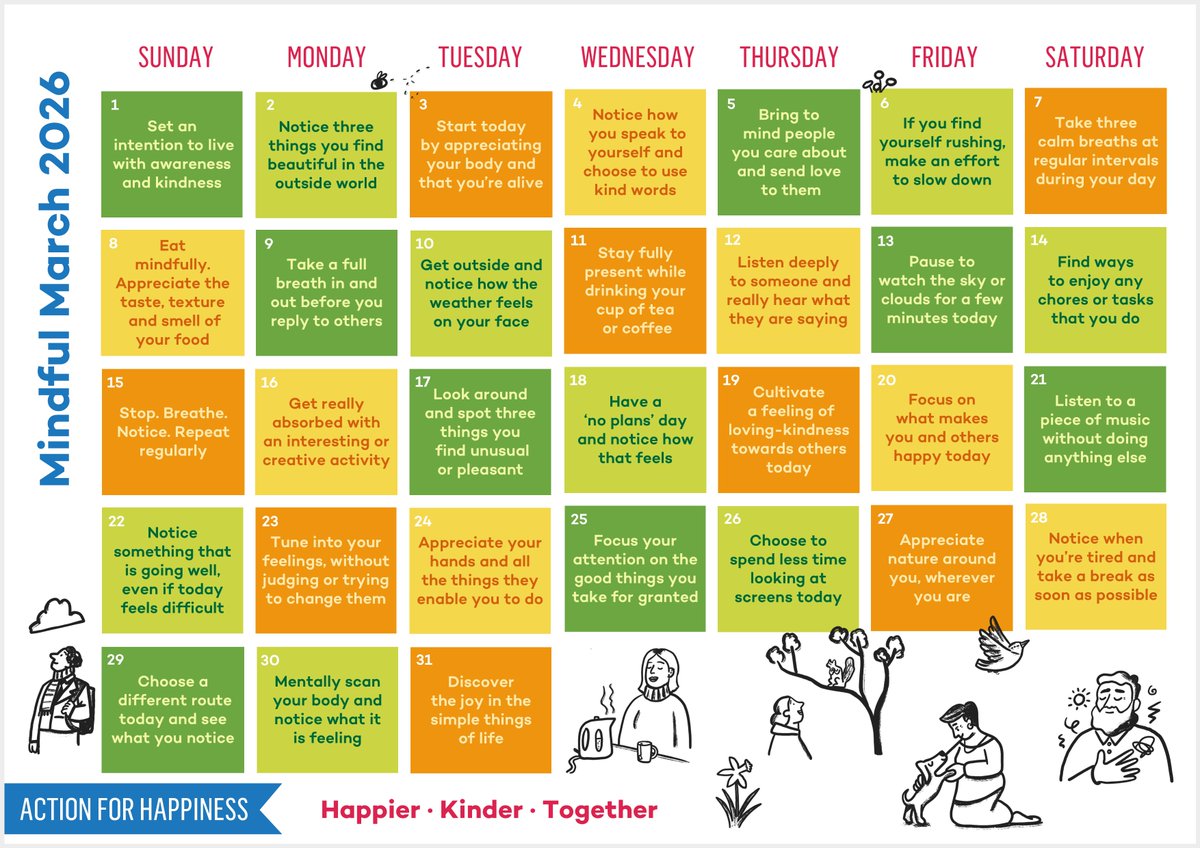
Deep breath in, deep breath out. No matter how busy or overwhelming life feels, we can choose to slow down, notice and make the most of life's precious everyday moments. Join us #MindfulMarch https://t.co/eB3hZFxUxK
This man was the ranch owner, & his daughter brought him among his horses so he could be surrounded by his friends in his final moments. Every being should know a loved one pass away rather than disappear without explanation.
Most change initiatives don’t fail in the plan - they fail in what leaders don’t notice.
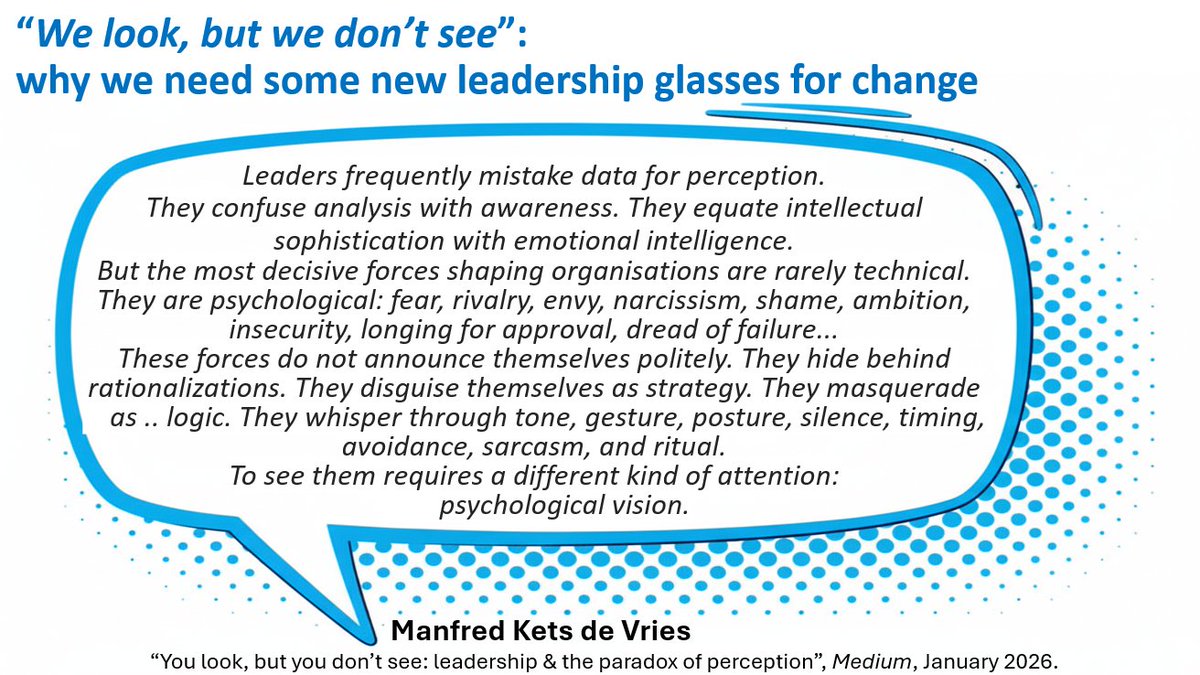
I want to reflect on a new Manfred Kets de Vries article: “You look, but you don’t see: leadership & the paradox of perception,” for leaders of change.
It reinforces that change initiatives are rarely governed by the “visible layer” (methods, metrics, milestones, RAG, governance, etc). These may appear “under control” while the most decisive forces remain under the surface: anxiety, fear, grief, resentment, rivalry, shame. What is labelled “resistance” may be self-protection; “alignment” may be passive compliance; “clarity” may be premature closure. Leading change is not only about implementing the plan but reading the emotional system the plan is landing in.
The article’s core idea is that “seeing” is an active leadership discipline, needing patience & humility. Change is less likely to be derailed by technical error than by psychological blindness: familiarity is mistaken for understanding, data for perception & analysis for awareness.
Curiosity must override certainty. Certainty is seductive, signalling competence, control & momentum. It also shuts down sense-making, especially if people are anxious. Curiosity keeps leaders open to contradiction & surprise. It reframes “what’s going wrong?” into “what’s being protected here?” & slows premature action.
We should use ourselves as instruments of "seeing": noticing what others evoke in us & treating it as data rather than noise. Feeling bored, confused, irritated or anxious in a meeting can be data about what’s happening relationally (avoidance, unspoken conflict, dependency, power etc).
How can leaders of change put on leadership glasses & see more clearly?
1) Build regular reflection time into change efforts (e.g., before key decisions & after difficult meetings) so we can notice patterns rather than just react.
2) Ask, “What emotion is driving this?” & “What might people be protecting?” to look beyond stated positions.
3) Use our own reactions as data: treat our feelings as signals to explore what’s happening in the relationship or group before pushing ahead.
4) Replace certainty with curiosity by framing early conclusions as “working theories,” then test them with questions like “What doesn’t fit?” & “What else could be true?”
5) Practise humility out loud: admit what we don’t know yet, invite challenge & revise our view openly so the system learns that learning is safe during change.
Too often, we look but we don’t see. “Seeing” means practising an enhanced kind of leadership: paying attention to human dynamics beneath surface data; making space for what doesn’t fit; holding tensions, contradictions & uncertainties & staying open to the unexpected. What becomes visible to those who practise “seeing” often determines whether change becomes movement rather than just motion.
The article in @Medium: https://t.co/wCOs0WcoKX.
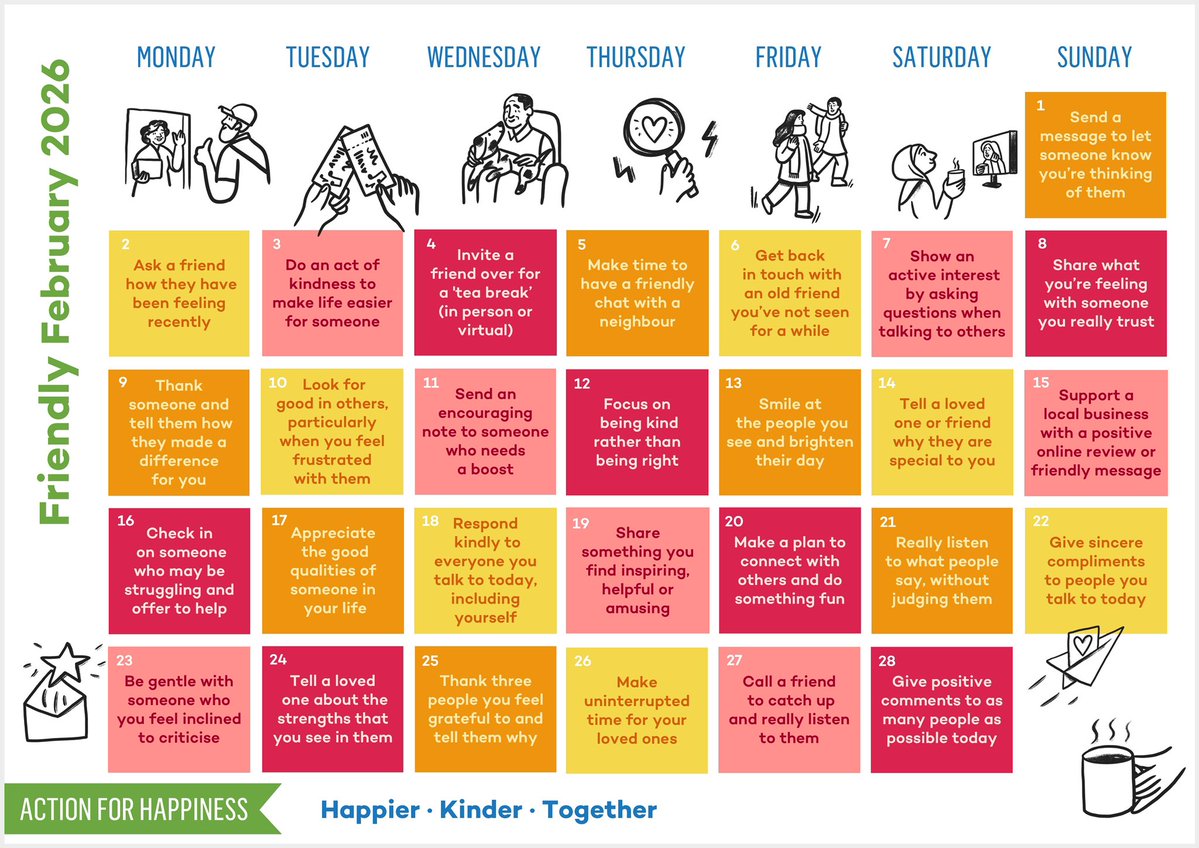
We need each other more than ever 💕🌍 Join us for Friendly February and take action to boost your relationships and be a good friend to others https://t.co/BZj11Sfacg #FriendlyFebruary