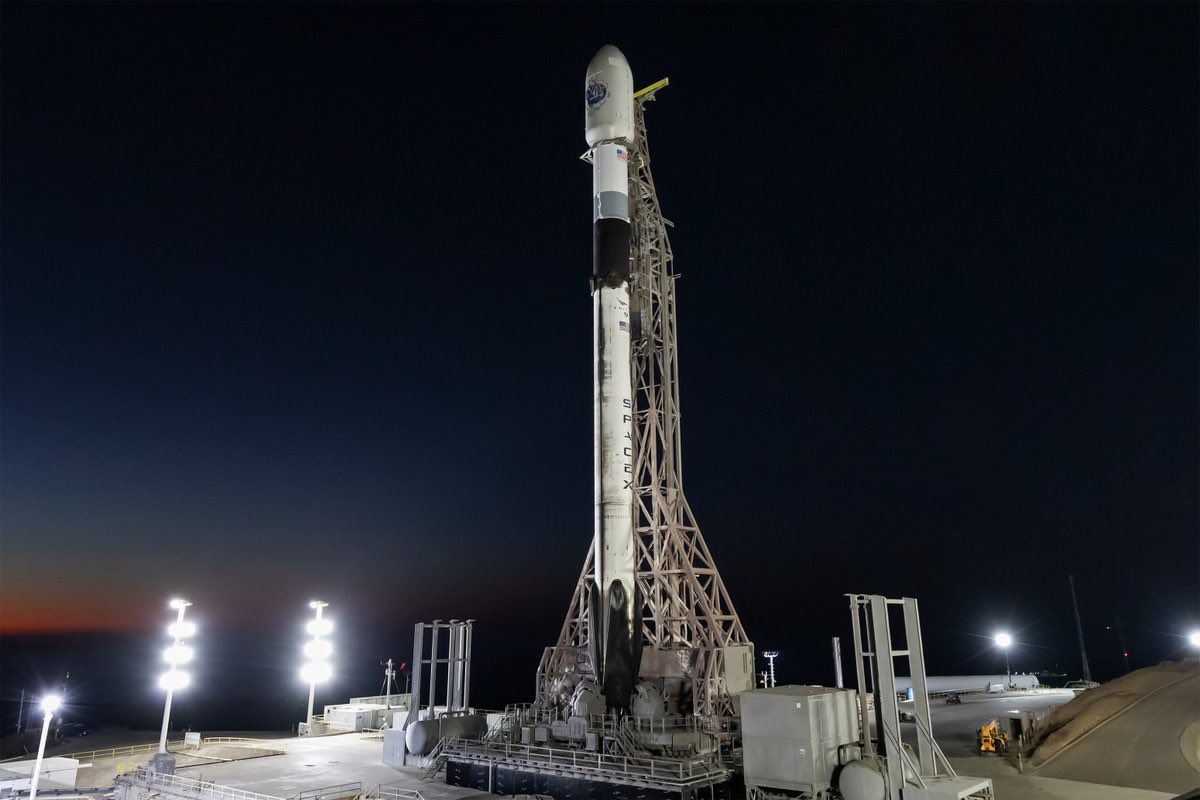
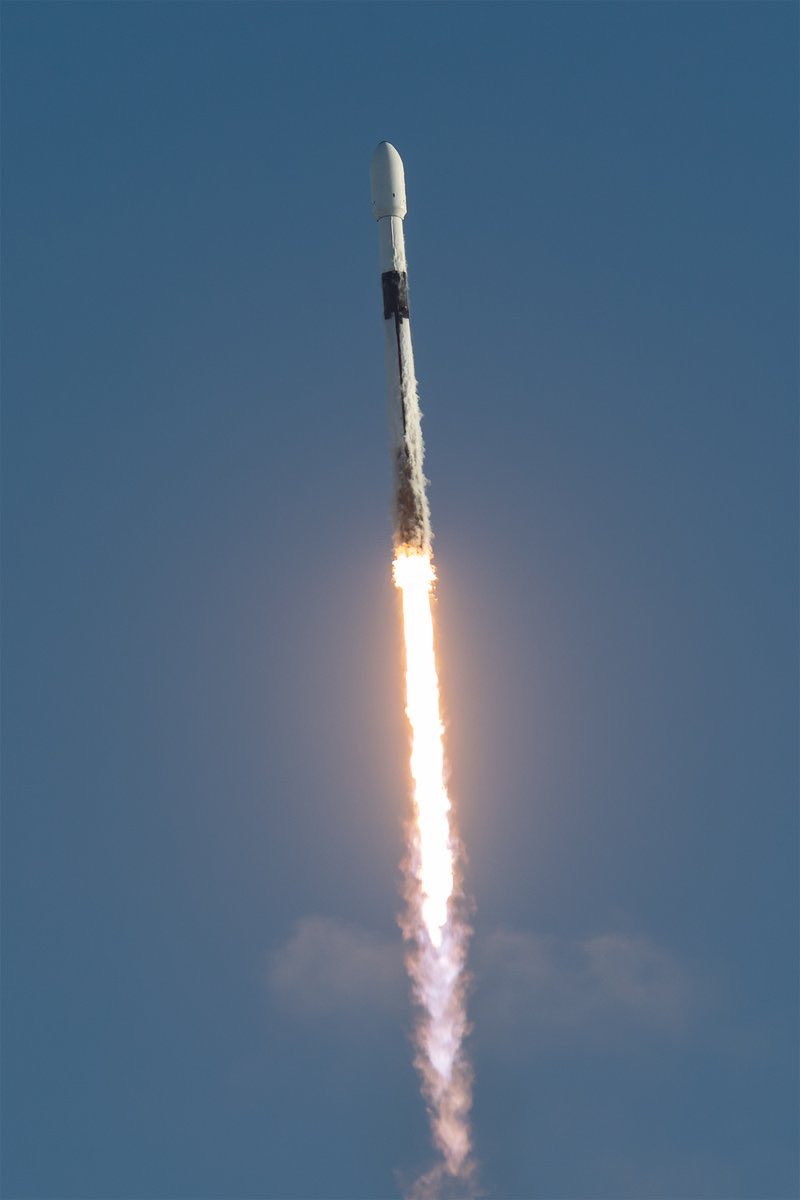
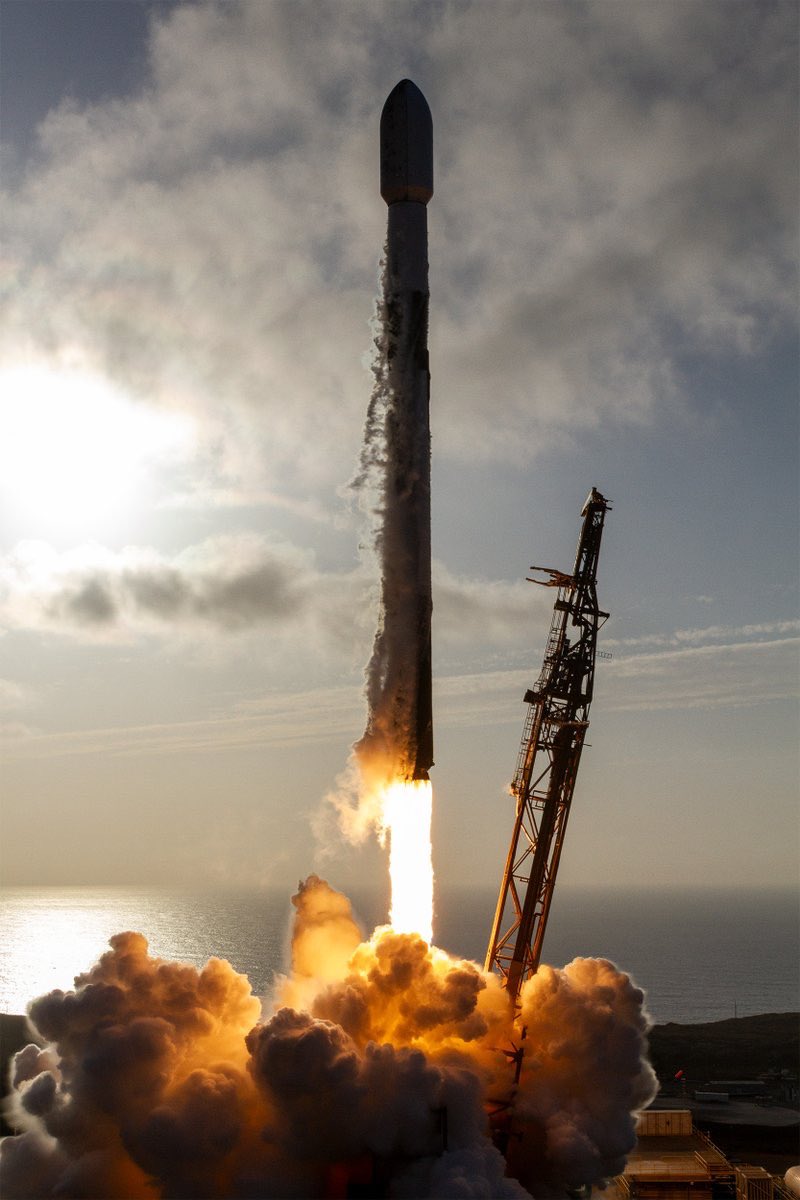
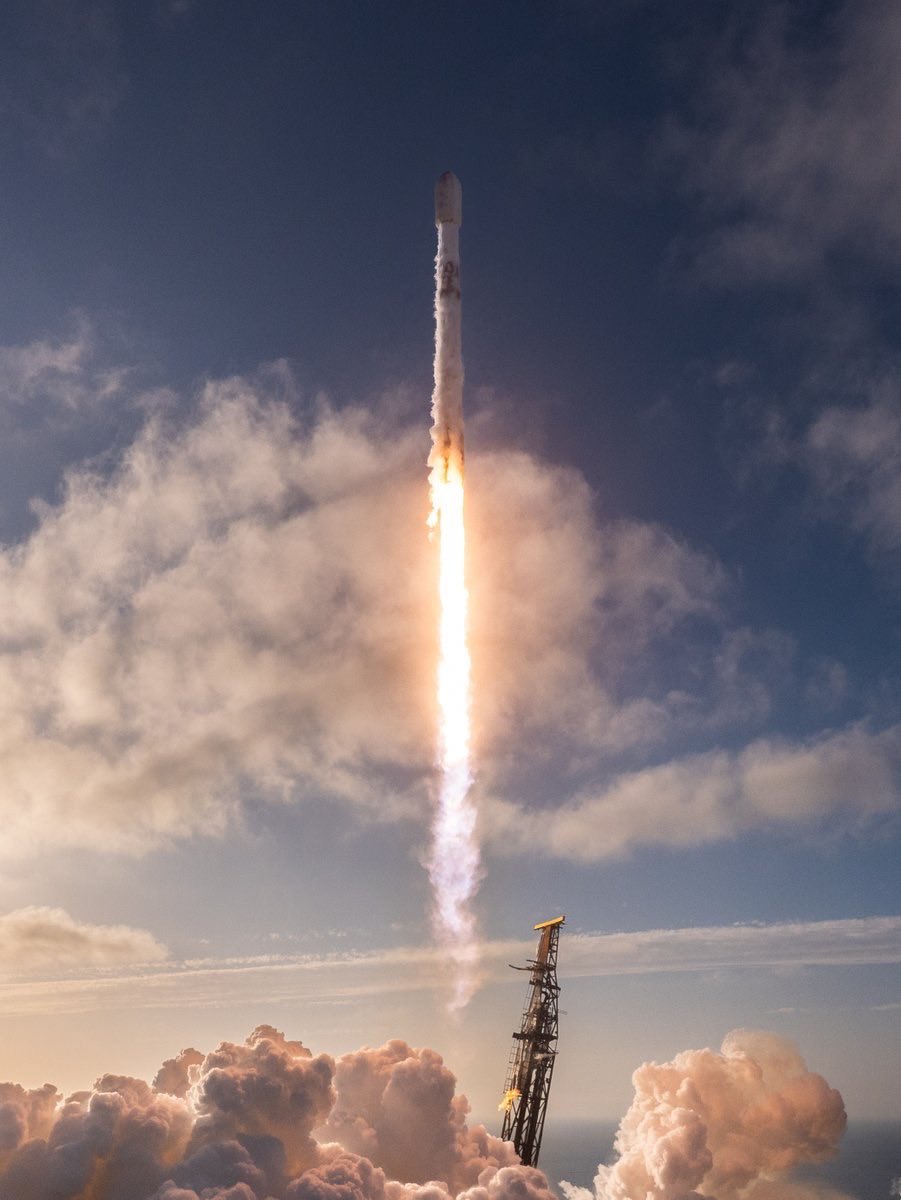
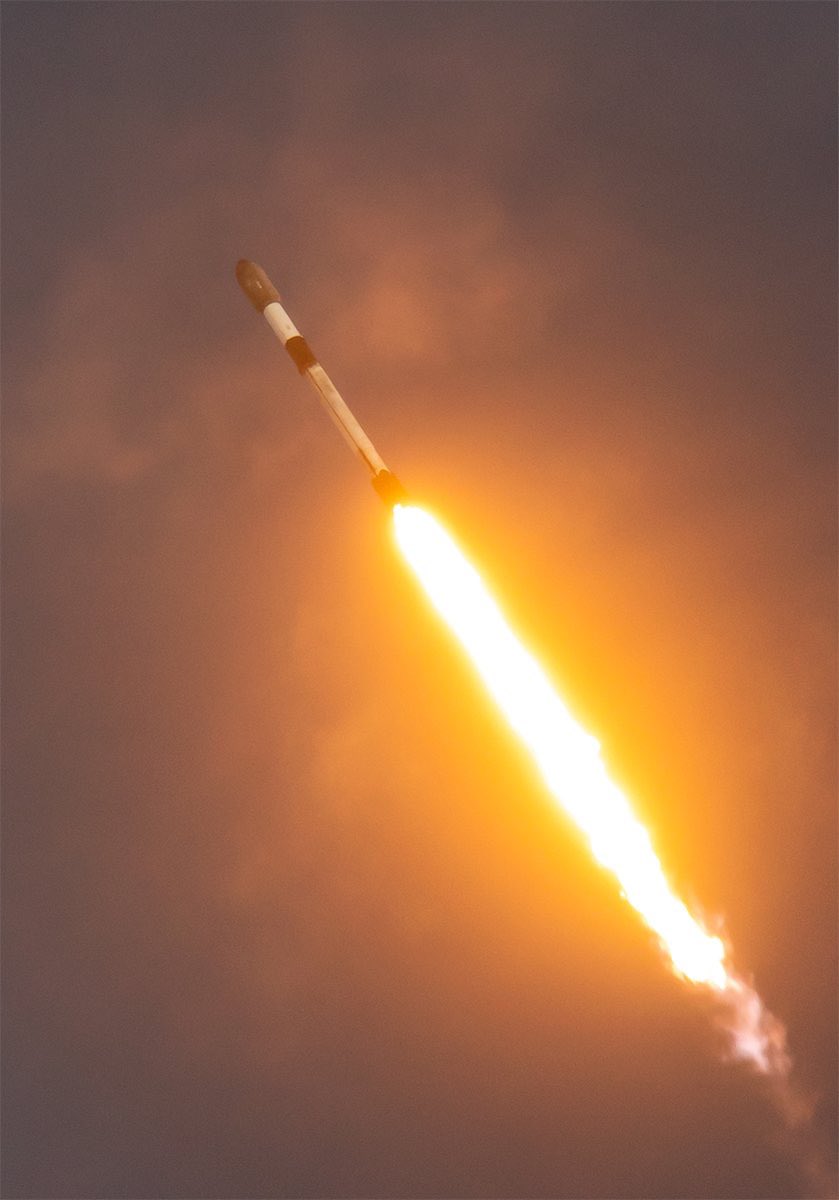
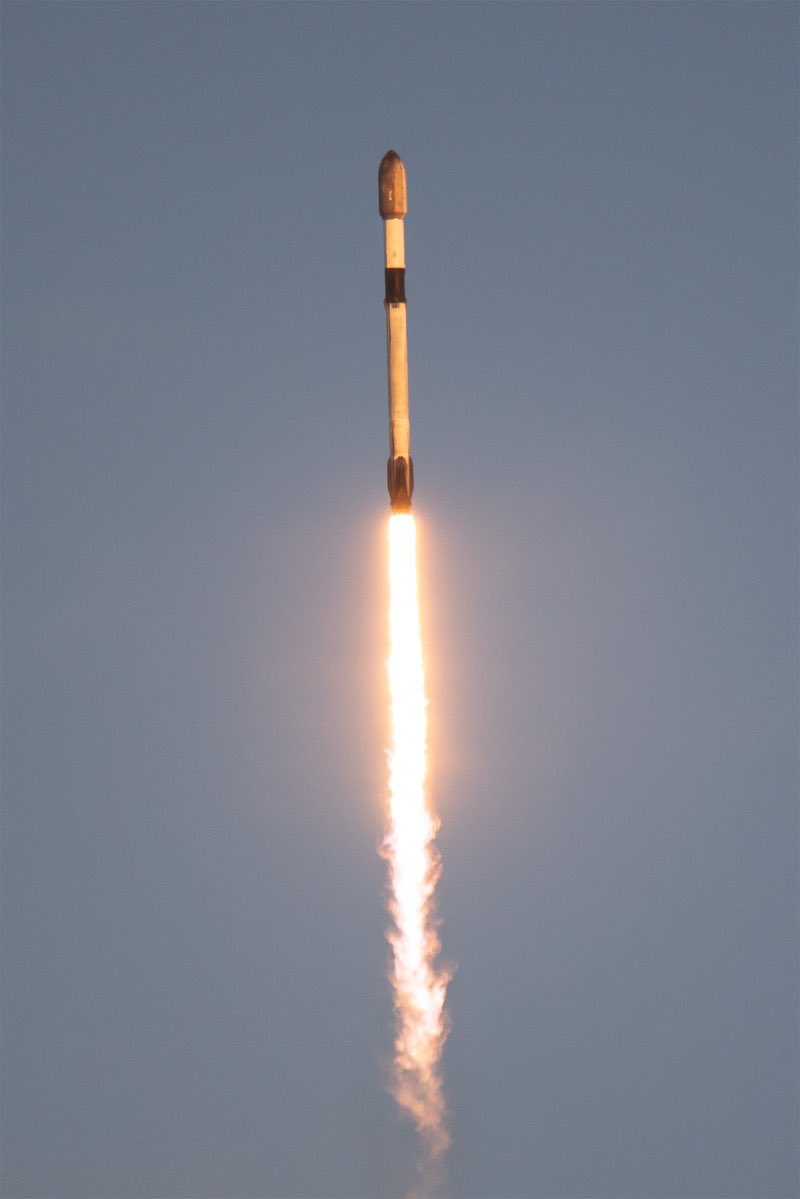
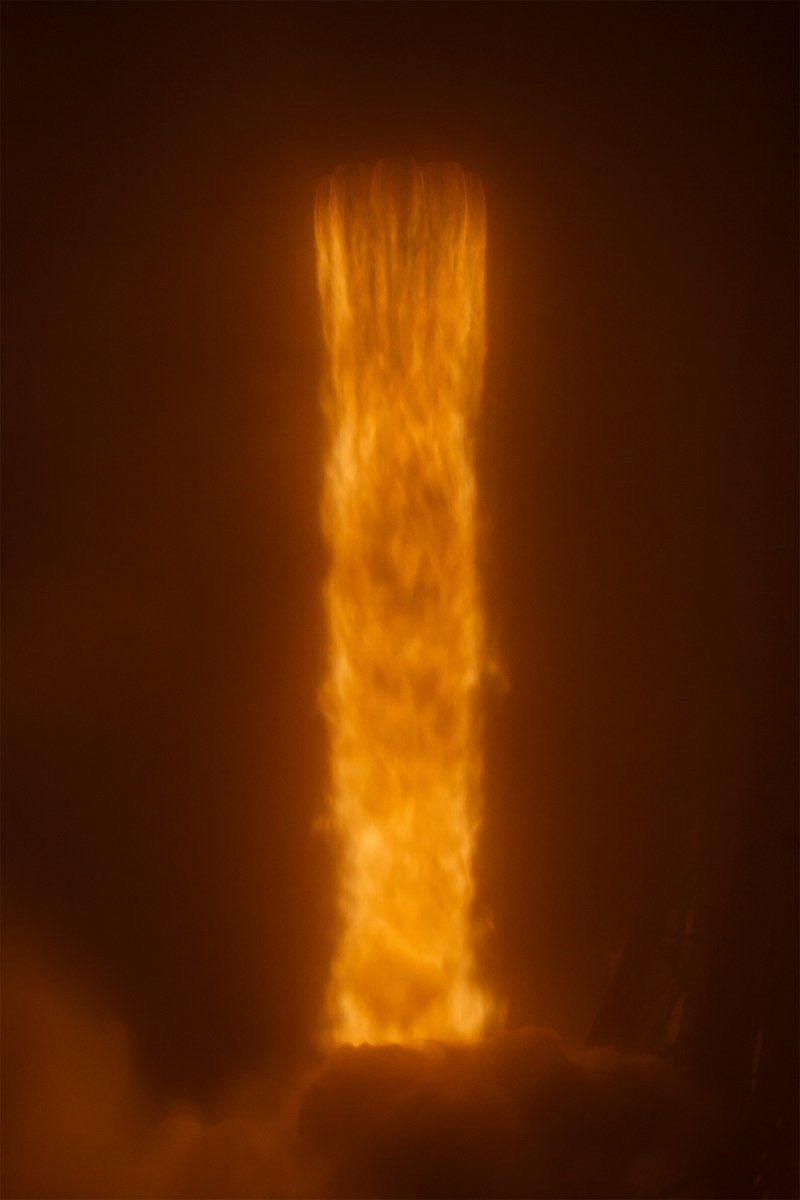
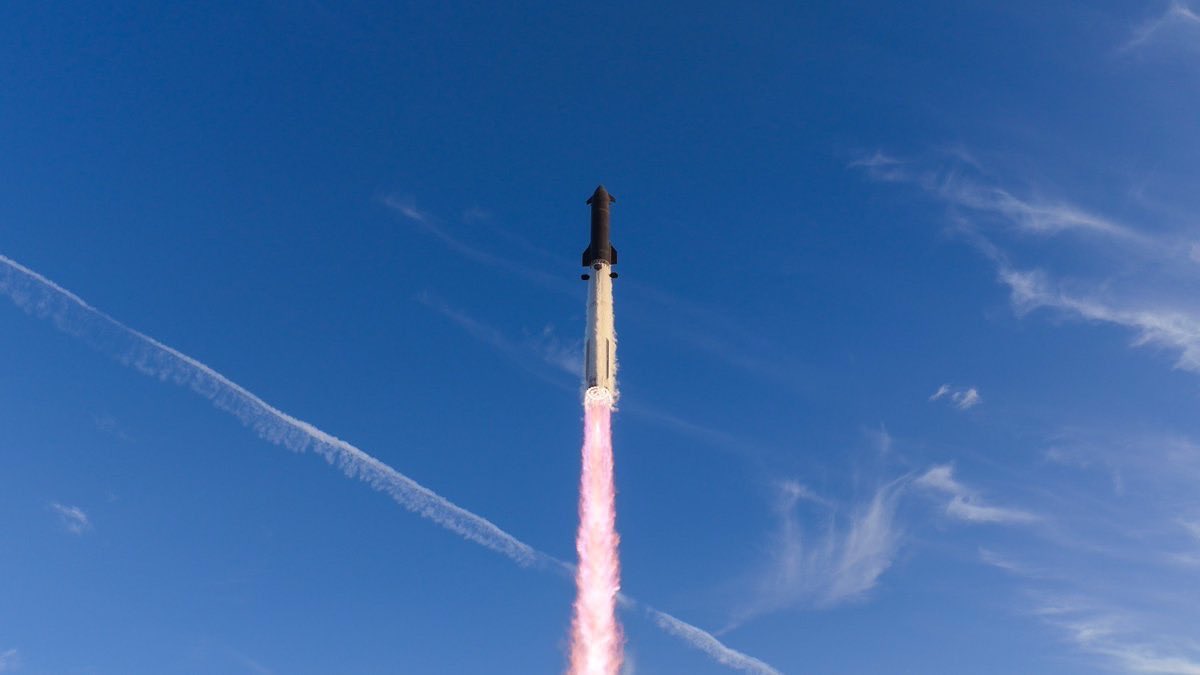
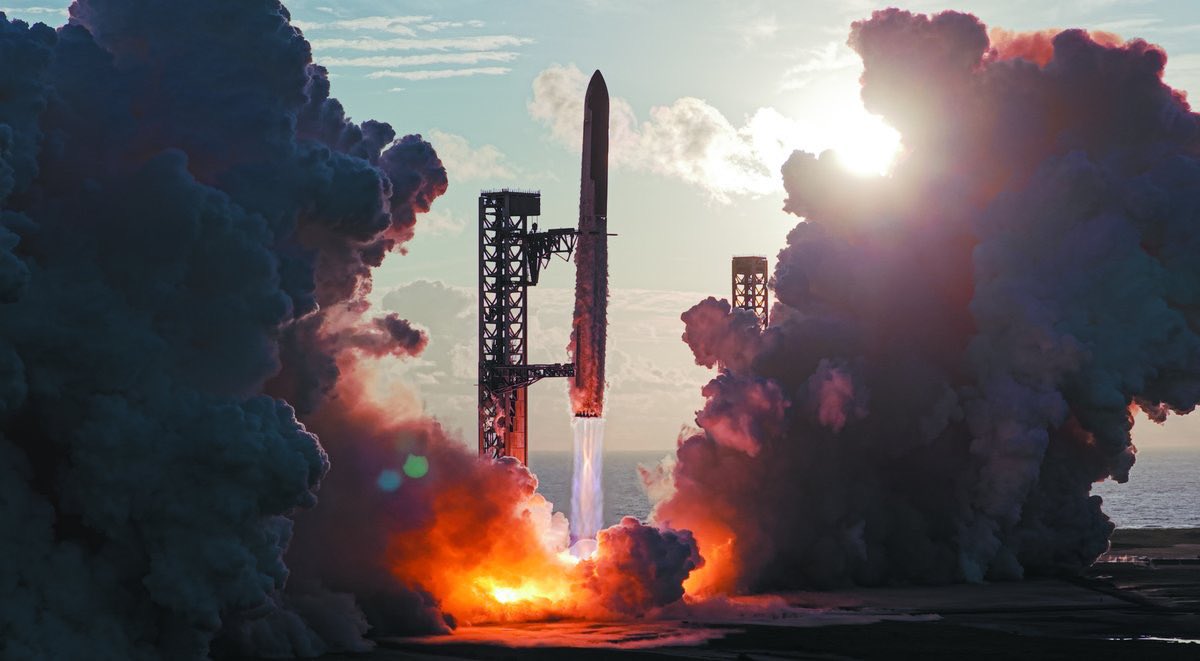
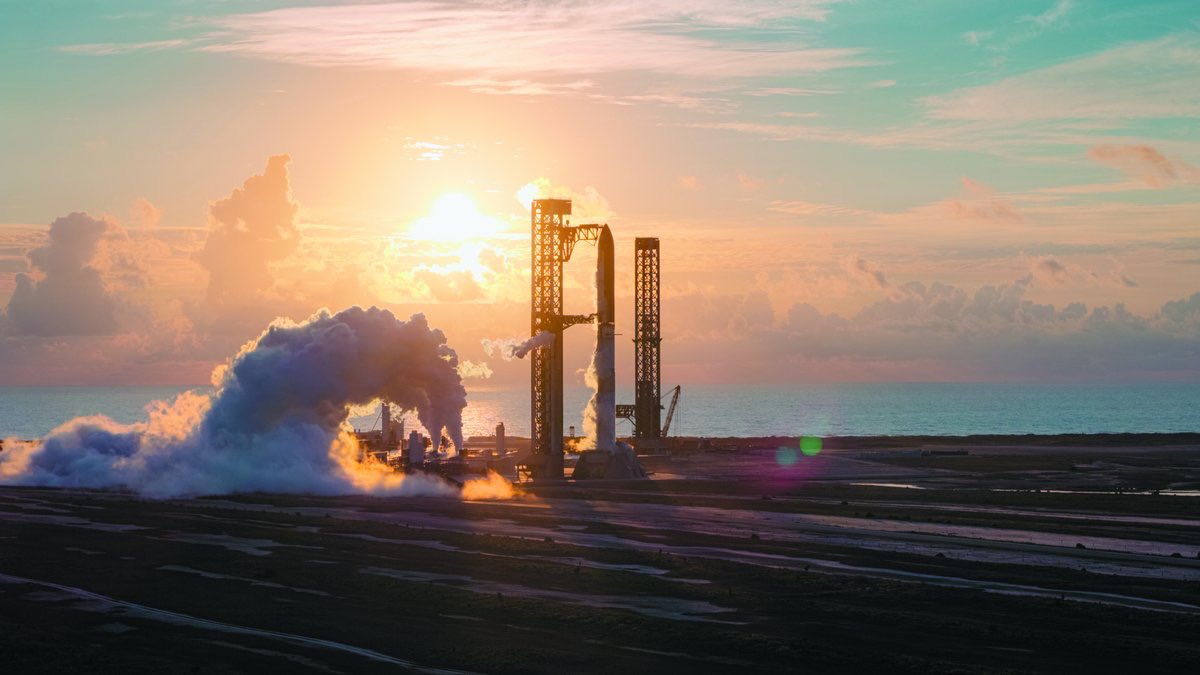
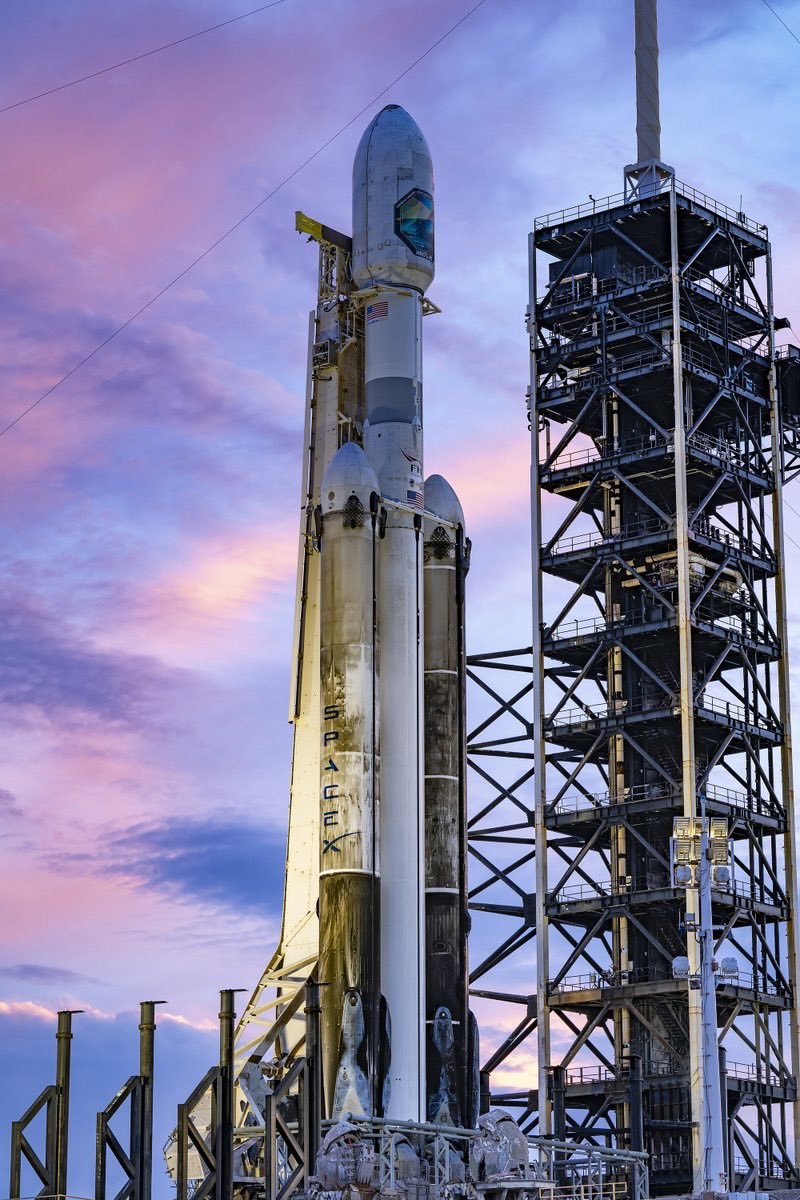
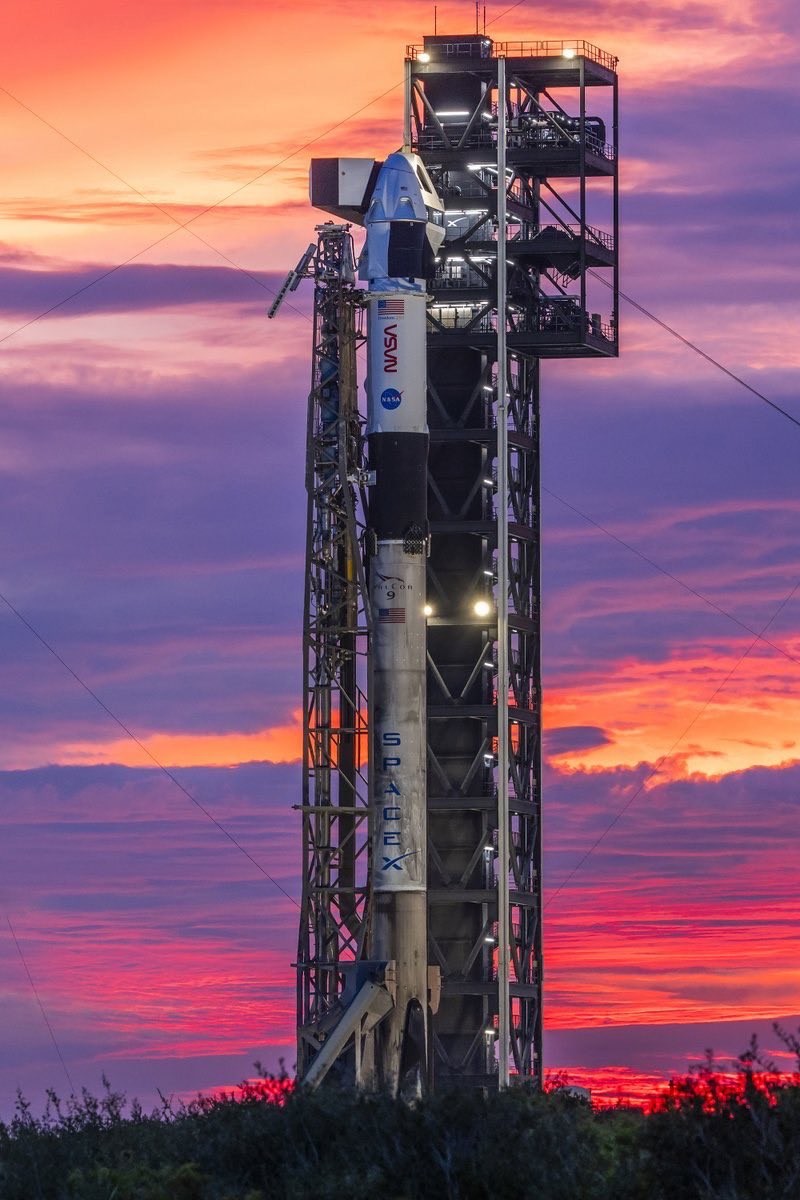
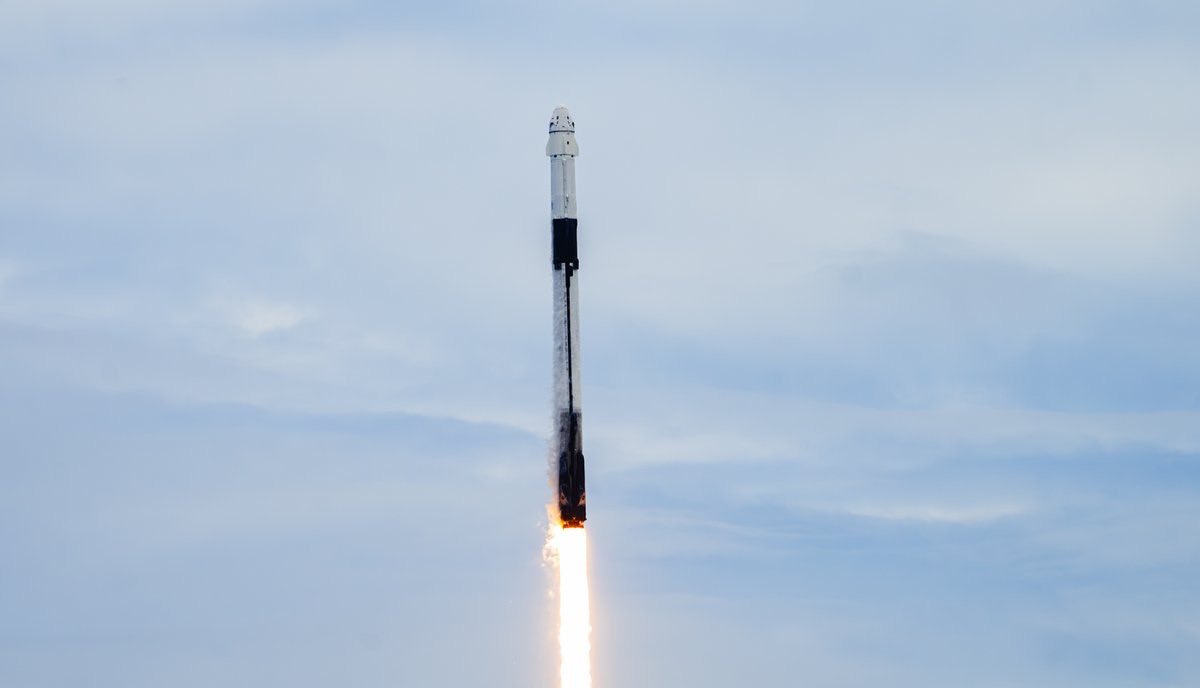
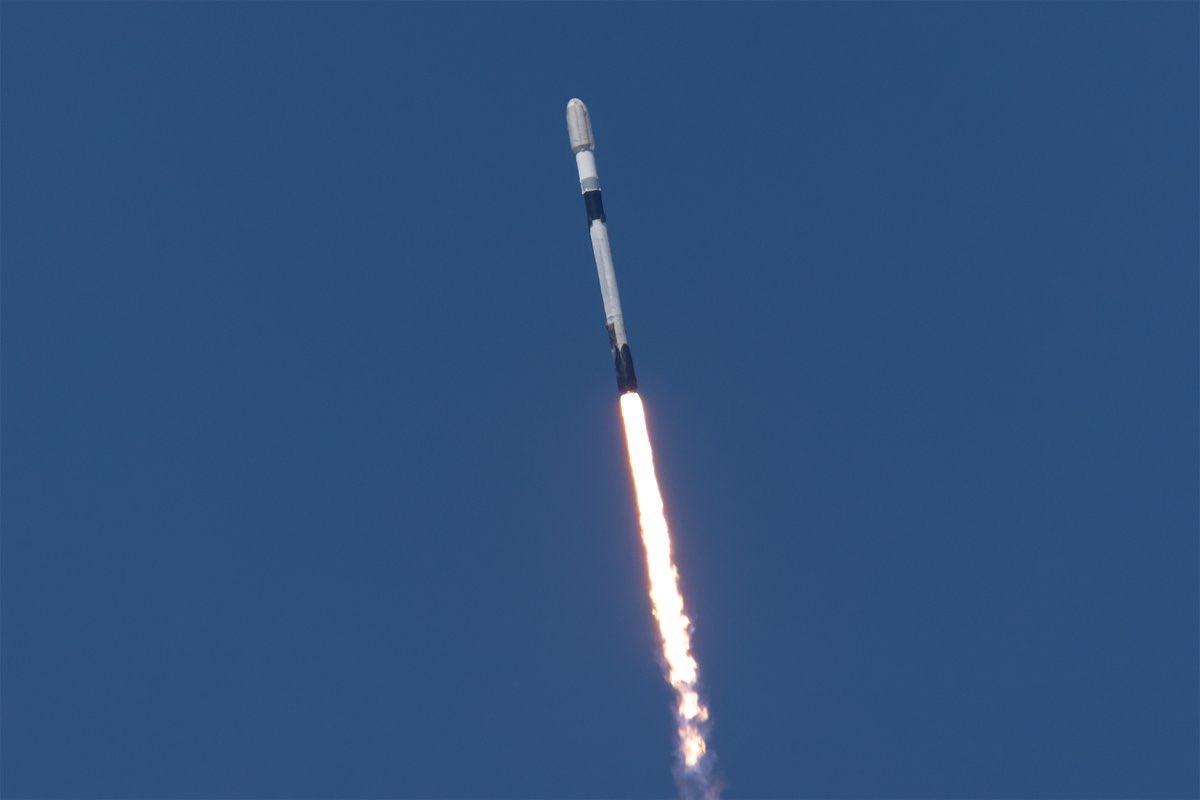
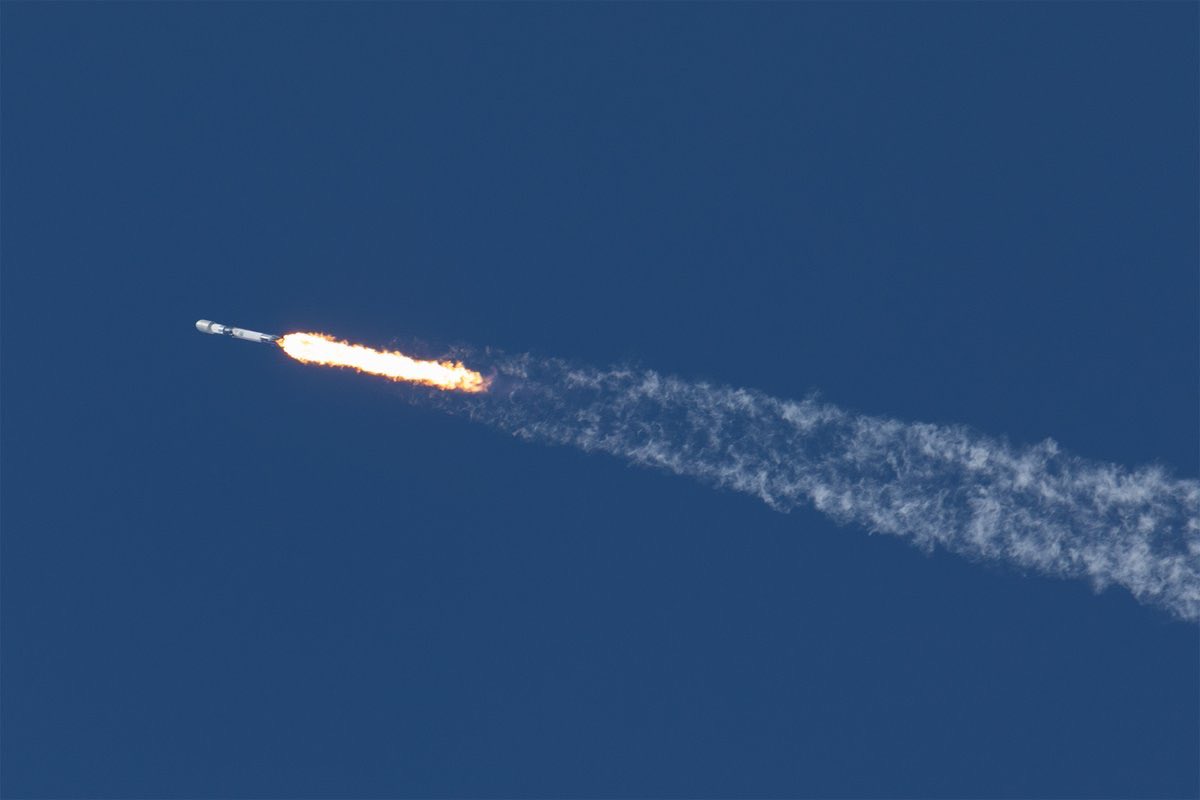
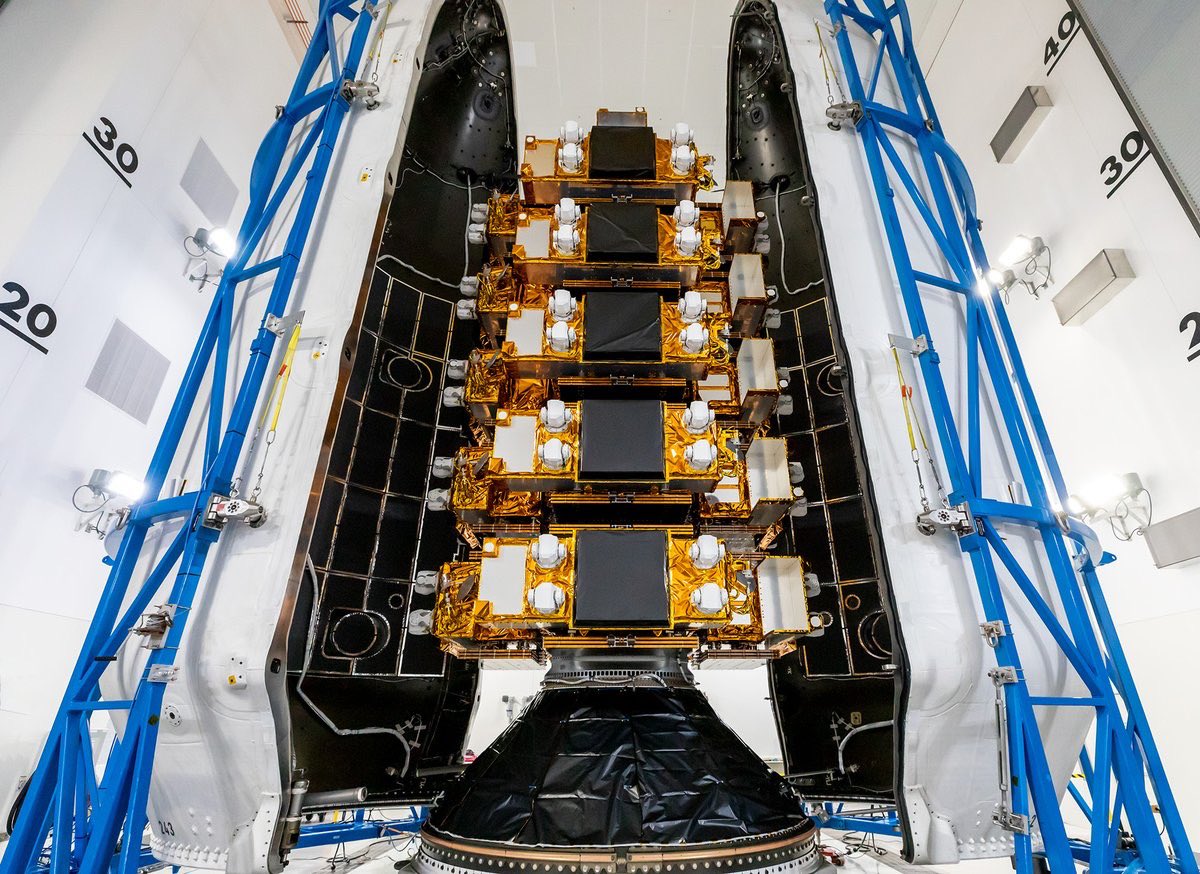
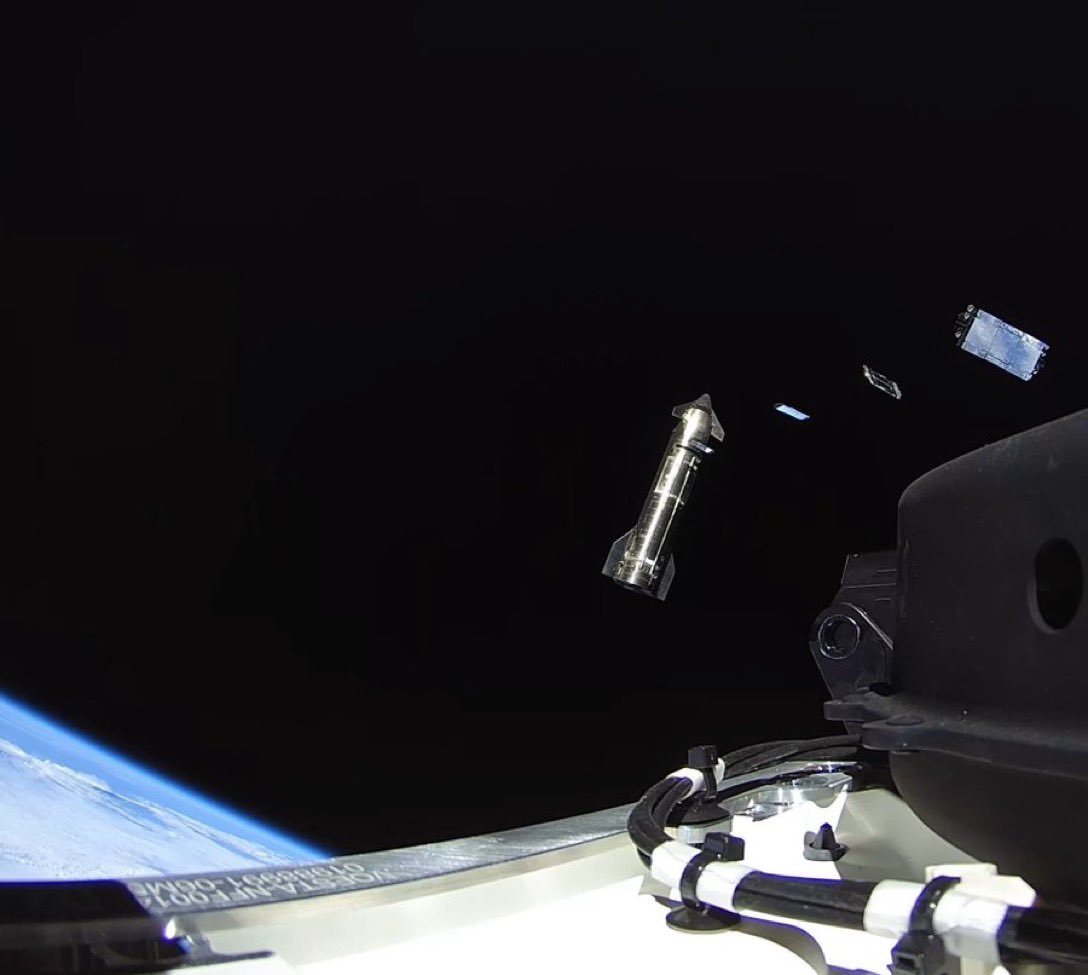
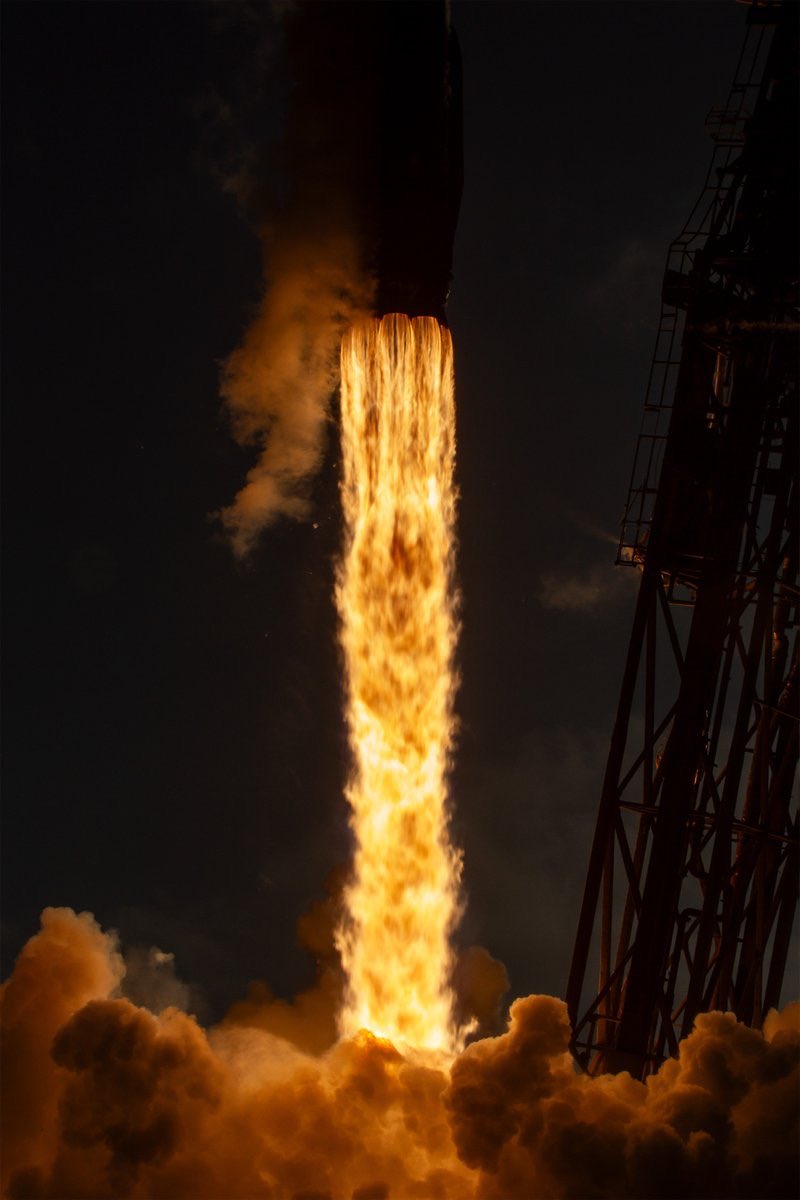
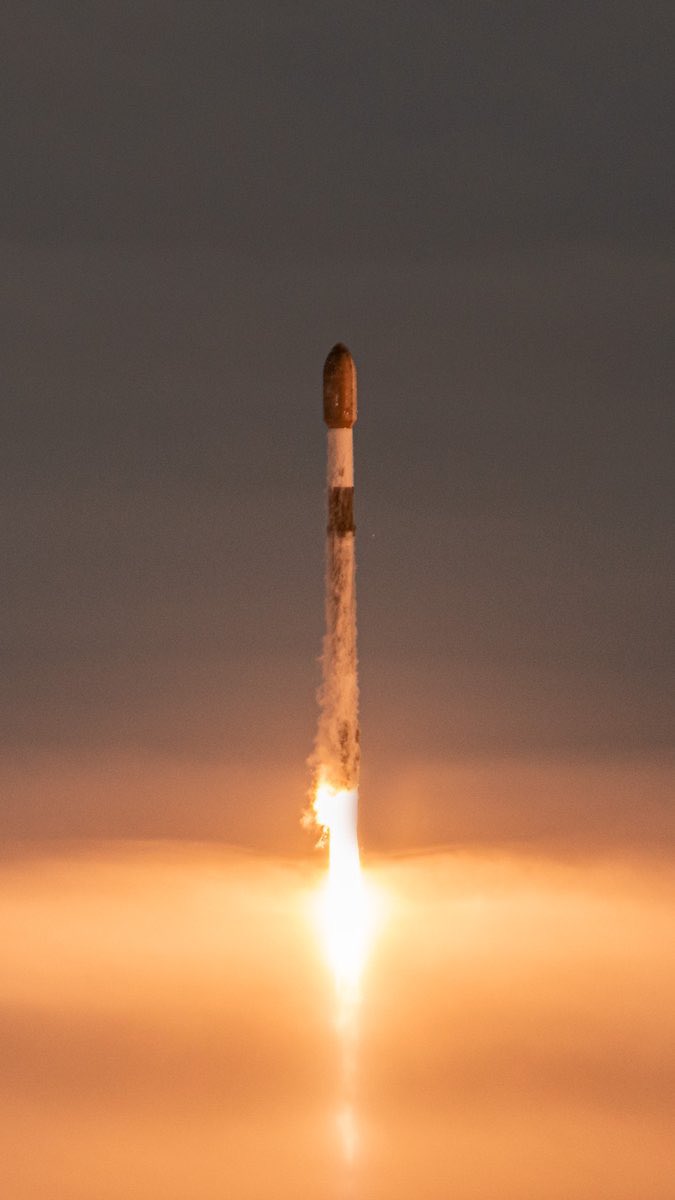
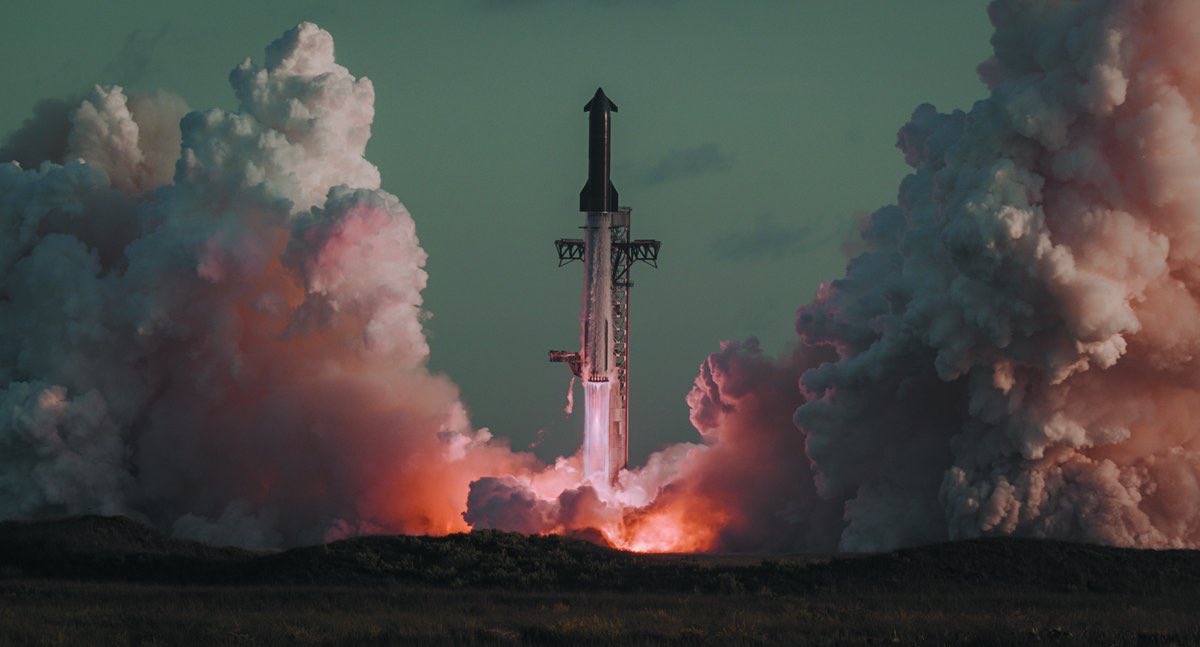
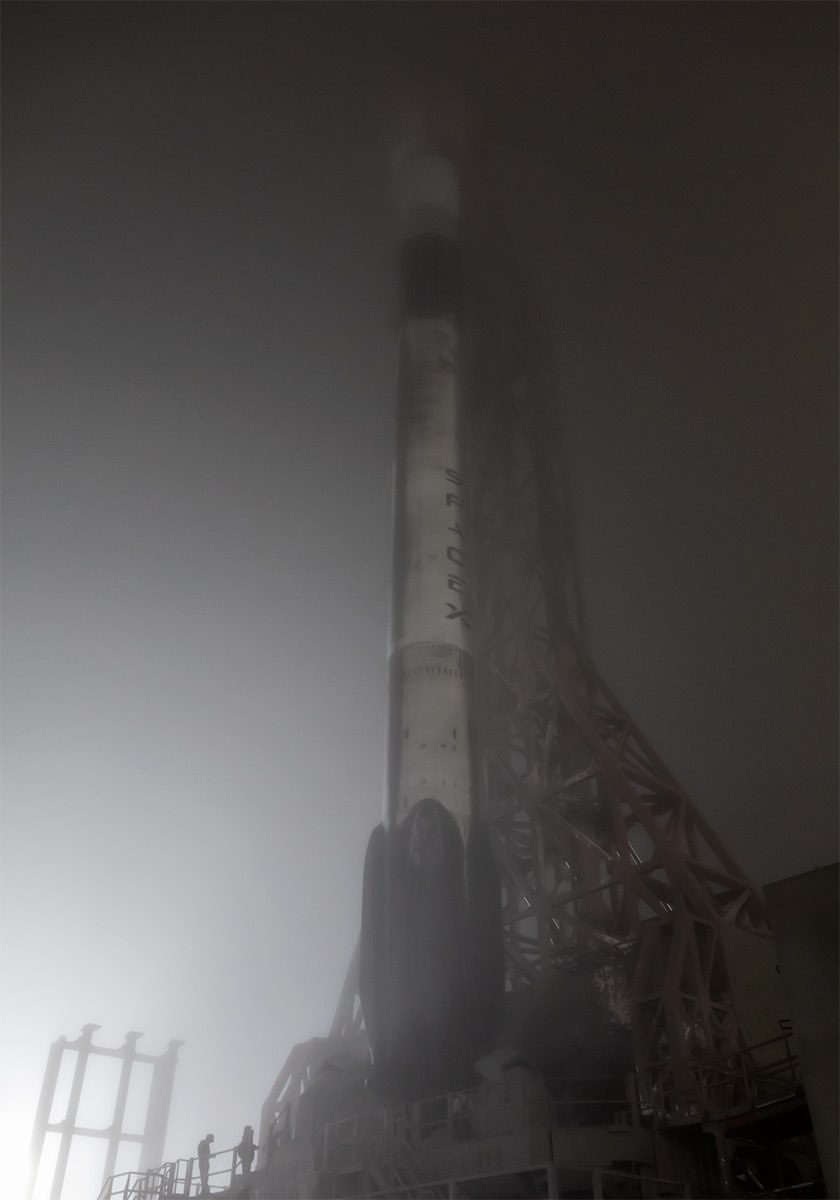
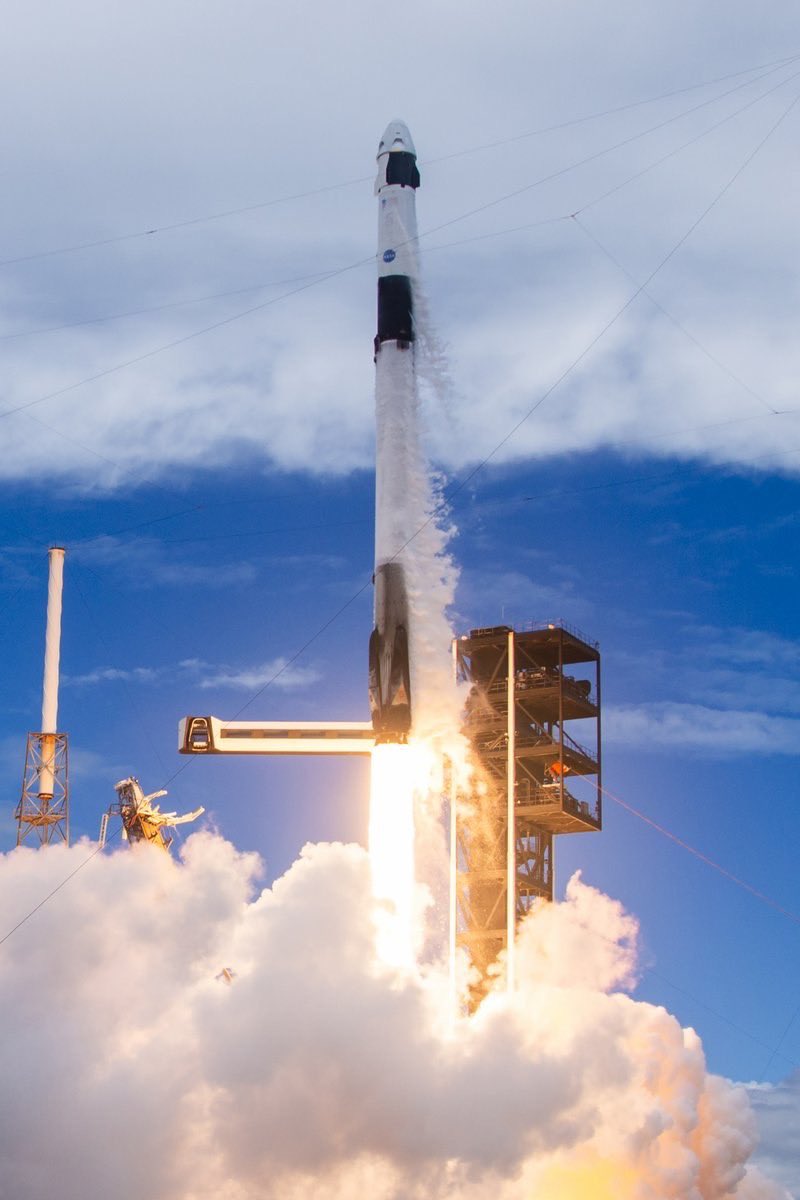
All systems are looking good, and weather is favorable for liftoff. Propellant load is about to begin for Falcon 9’s launch of the SemperCitiusSDA's fourth Tranche 1 data transport mission from California.
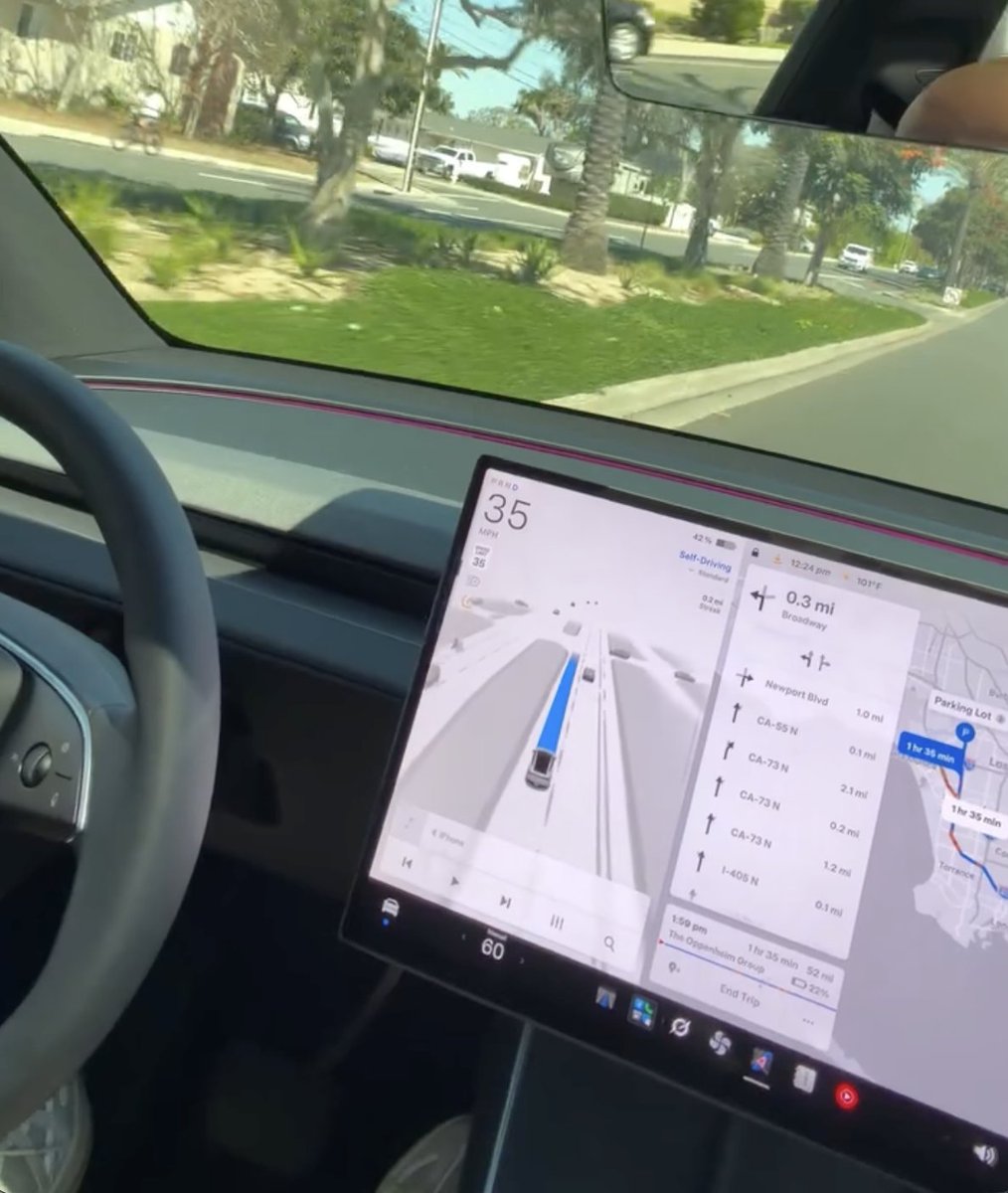
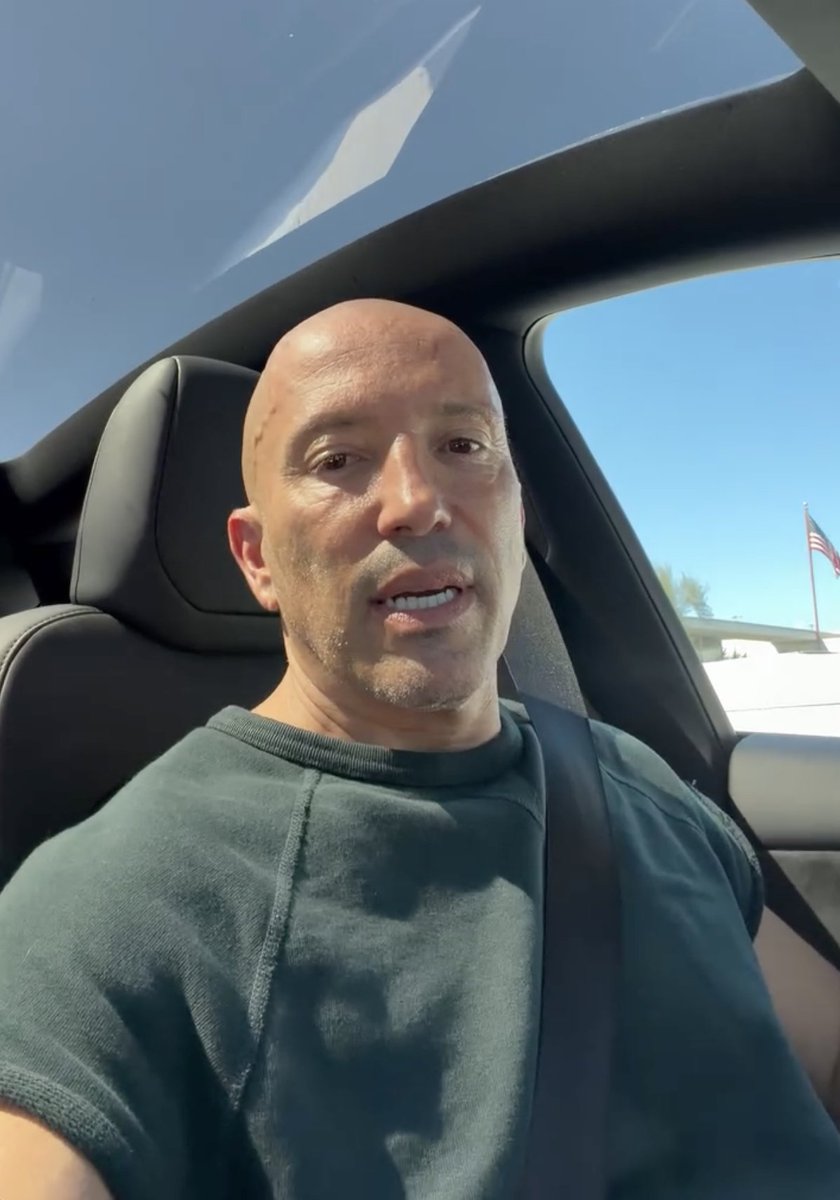
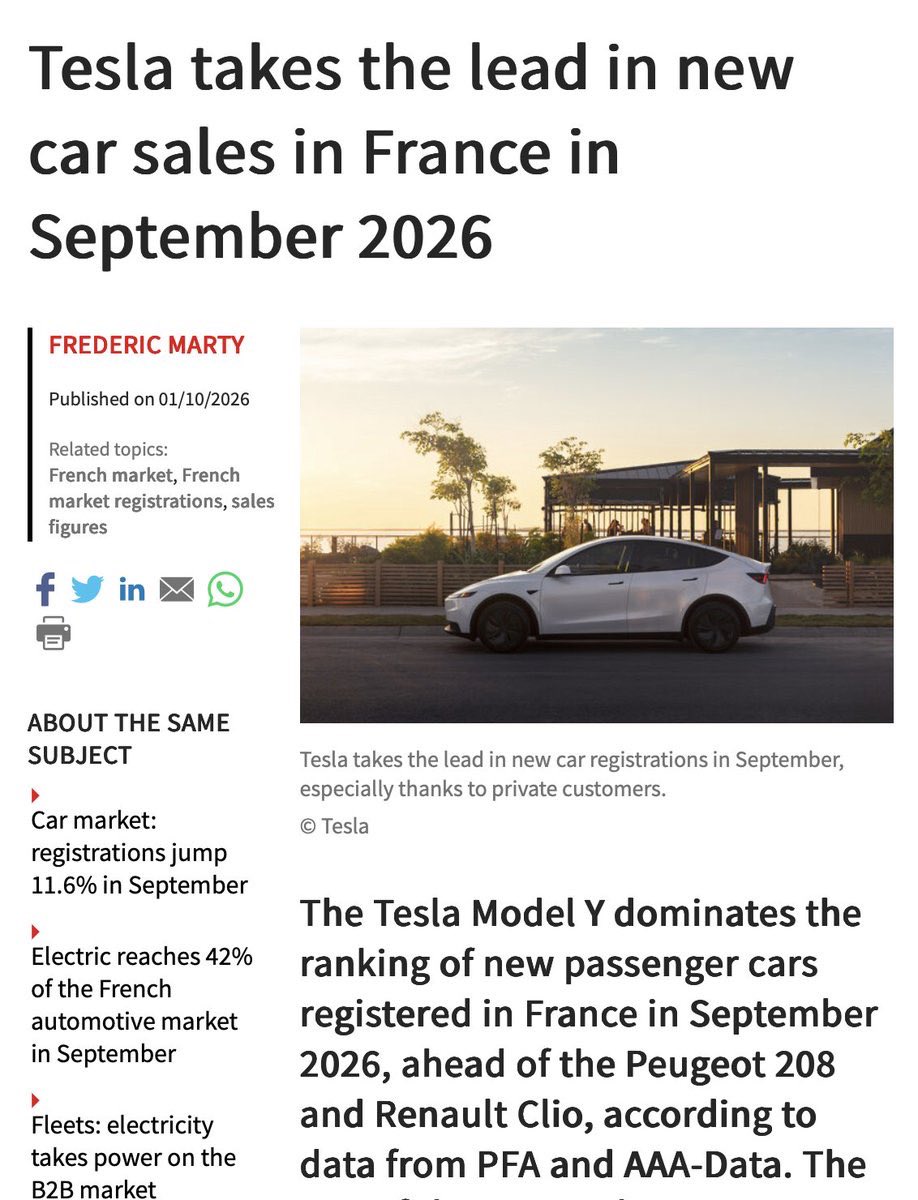
Jason Oppenheim, founder of Oppenheim Group ($5B+ in real estate sales), just sold his Bentley for a @Tesla Model Y and is so blown away by FSD that he’s buying Teslas for 10 employees:
"This is the most important video I've ever posted. Tesla's self-driving is life-changing. It's so safe. I was on the phone with my brother last night, and I made him buy one. He literally bought one while we were talking. I'm buying 10 of my employees a Tesla with FSD. It's 8x safer than the average driver. There's nothing more important than the safety of you and your loved ones. Let's make our communities safer. I hope you'll at least consider going and getting a test drive."
I've been saying for a couple months now that FSD has become a material driver of Tesla sales in North America. Some people said it's just been anecdotal evidence, but more and more videos and stories like this are popping up. It's not anecdotal anymore. Word is spreading fast. FSD is going mainstream.
Jason's full video linked in thread below.
A humanoid is a capital good on a scale that changes the constraint. It lengthens production and raises what labor and land can turn out, which is the abundance Elon is pointing at.
A person supplies about 2,000 hours a year. A robot on a 168 hour week supplies about 8,700. His floor of 1 billion within 10 years, priced in the low 10,000s, equals about 4 billion full time equivalents against a world labor force of 3.5 billion.
The 10 billion at 15 years is an order of magnitude past that.
Robots building robots still require saving, because energy, materials, and machines have to be bid into that line.
Expected abundance holds for ordinary wants which is what matters for people as consumers. Housing, food, care, and routine medicine get repriced toward energy and materials until a household’s budget stops being what limits them.
An owner running 100s or 1,000s of agents earns the return on that capital stock, which is also how universal high income shows up as purchasing power.
Money prices remain the way to allocate whatever is still scarce, that is energy, locations, raw materials. At least in the short term.
Energy is the binding input, and settling more than one planet adds land, minerals, and generation beyond a single world.
TLDR: (1) More energy. (2) Multiplanetary doesn’t hurt.
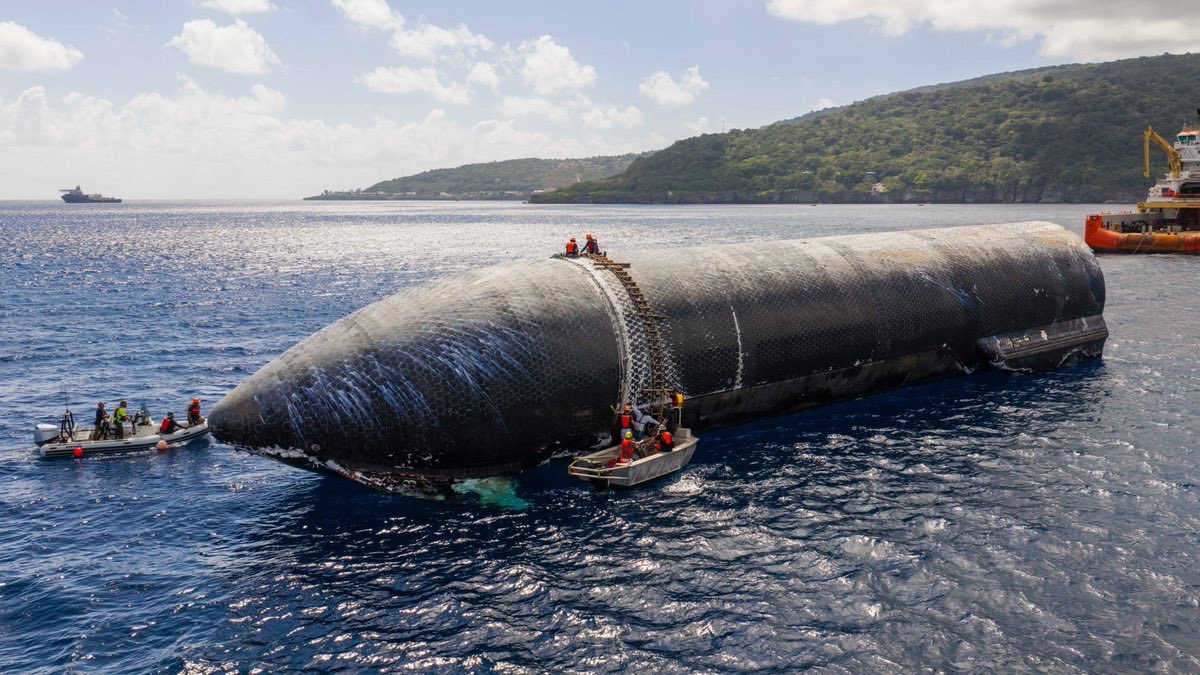
SpaceX engineers spent several days inspecting Ship 40 in the waters off Christmas Island. They collected heatshield samples and gained vital insight into how the vehicle handled reentry with improvements now planned on future vehicles.