I'm so excited to share with you "Viewing the Rock World", an outreach project based on a 3D-printable thin section viewer that anyone can make! Looking for teachers, educators, student groups, anyone interested in participating! Check out https://t.co/PMPvvQsfu7 for more info.
Good to be back visiting a bunch of the junior classes at Siena College. As always we chatted all things volcanoes and diamonds 🌋💎Super impressed at the spicy questions the girls threw at me!
I also tested out 3D printed slide viewers designed by @RocksbyDefault - loved it!
Good to be back visiting a bunch of the junior classes at Siena College. As always we chatted all things volcanoes and diamonds 🌋💎Super impressed at the spicy questions the girls threw at me!
I also tested out 3D printed slide viewers designed by @RocksbyDefault - loved it!
Is #geotwitter still a thing these days? It's been a while. I am looking for help with graphite Raman thermometry. Does it apply to carbon precipitated from a fluid? I didn't think so, but I've seen a few papers applying it in that way. It would be super handy if that's the case!
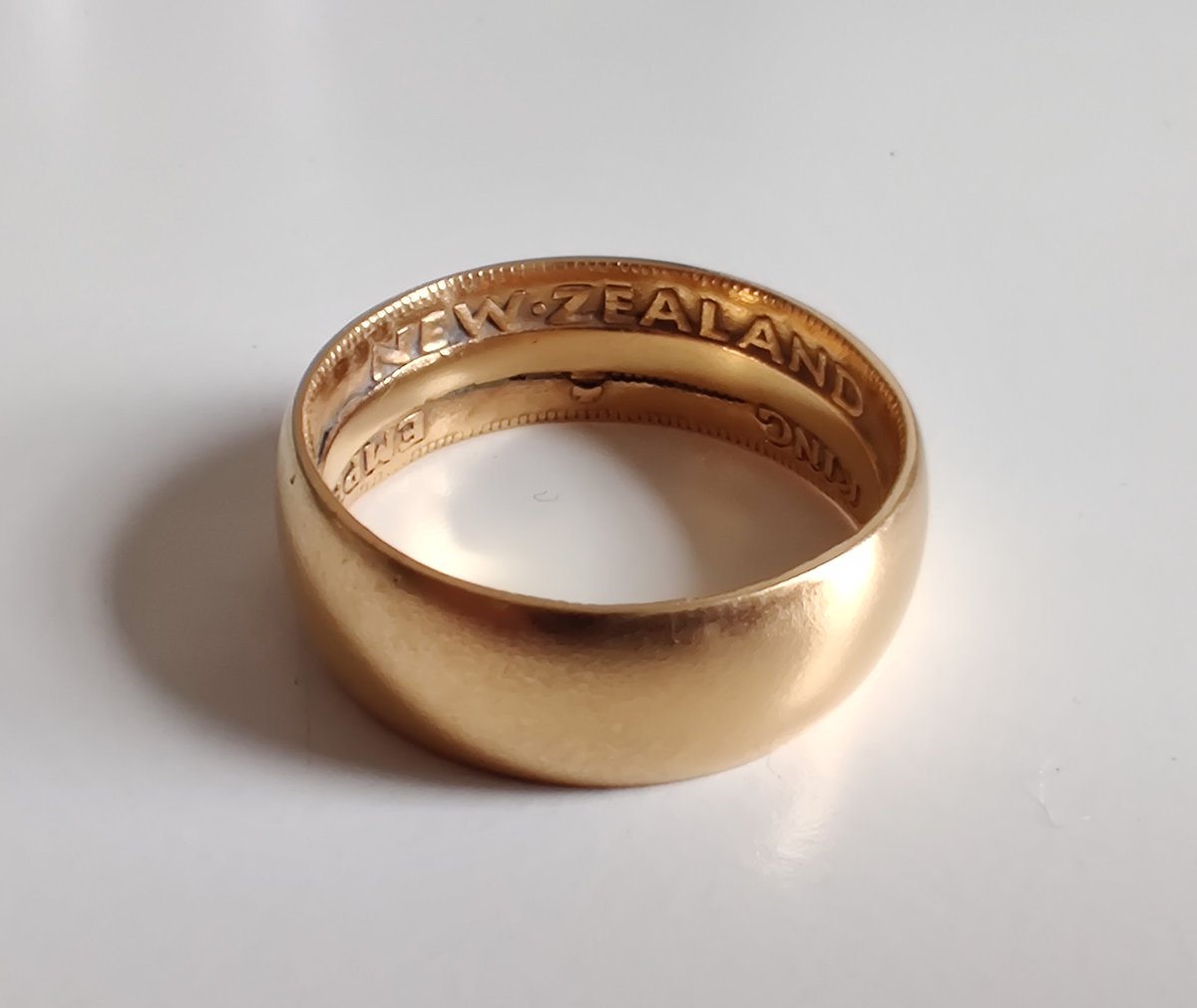
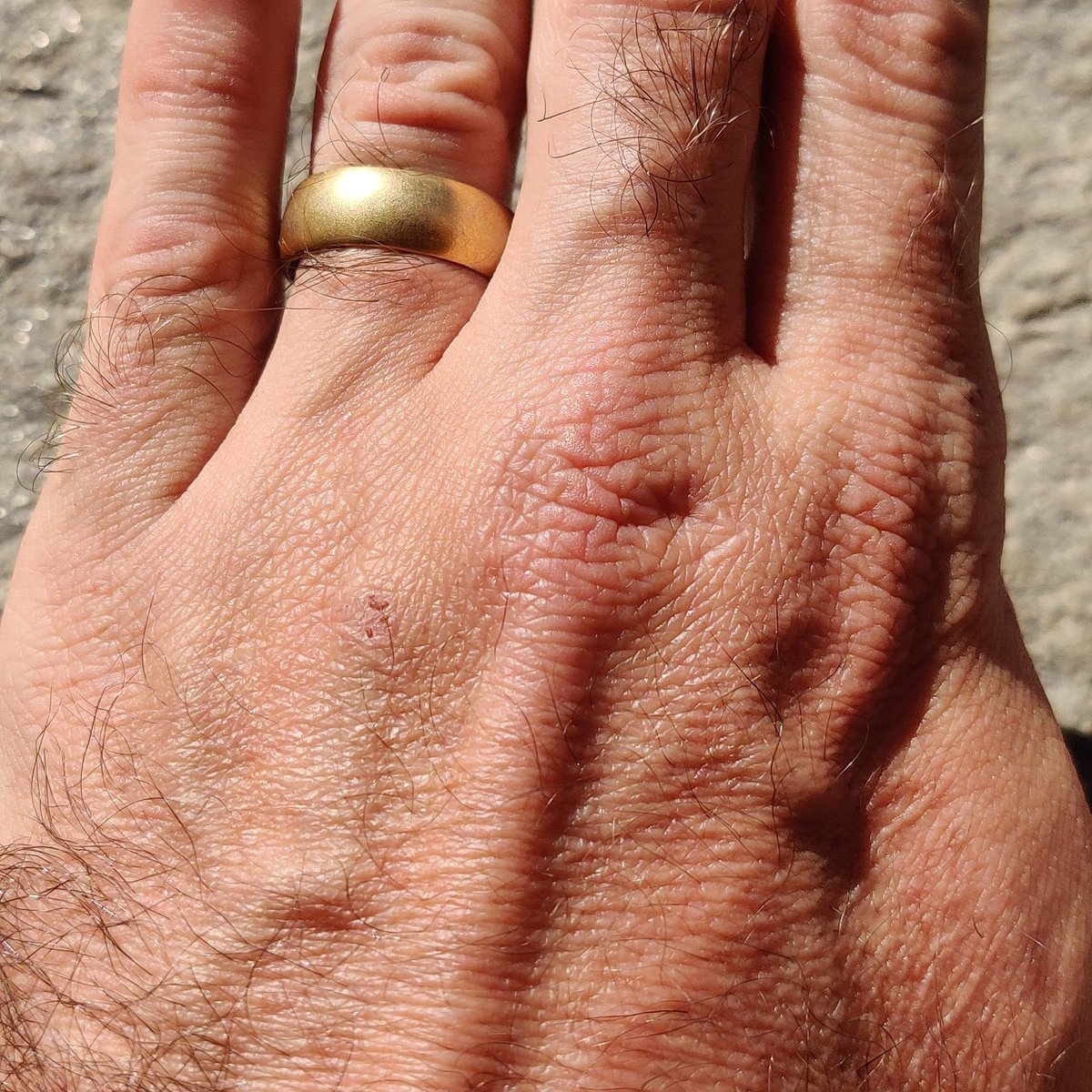
My wedding ring, made with a little geology, chemistry & tedious work. Crafted from a coin found in the hills of Waianakarua, hammered into shape over long hours during my PhD & plated with gold panned from the Maerewhenua River from several years of demonstrating field school.🧵
The ring might be a bit imperfect and there are many things I could have probably done better, however it carries years of memories (and probably fits my roughed up hands better than a perfect, polished gold ring from the jewelers would).
With flakes of gold saved from a few years of teaching students to pan in the Maerewhenua River during field school, I prepared a cyanide solution (with some very questionable chemistry performed on my apartment fire escape), and made a solution to plate the silver ring gold.
Getting the *Viewing the Rock World* Thin Section Viewer ready to go into the field with a custom protective case! I'll post the 3D printing files on my website shortly if anyone making the viewer wants to print one: https://t.co/w4u264615B
#ThinSectionThursday Rocks capture epic earth-shattering tales: the formation of our planet, the motion of tectonic plates, molten rock erupting at the surface of the Earth. *Viewing the Rock World* is one way you can share these stories with the public: https://t.co/PMPvvQsfu7
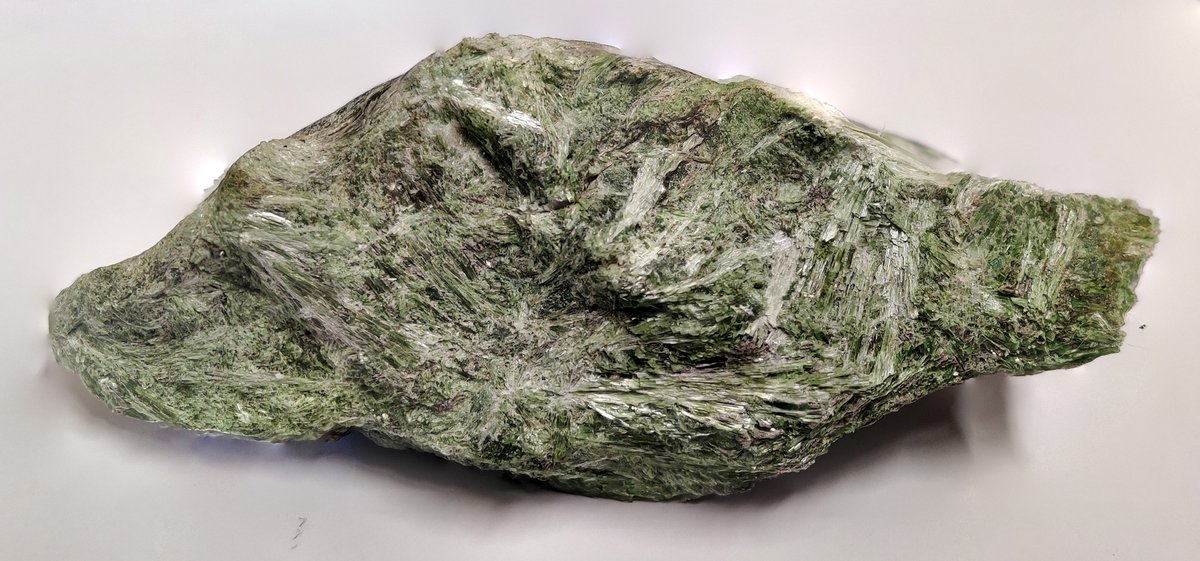
#MineralMonday This tremolite talc rock formed through metasomatism of serpentinite, a process that involves mineral reactions, including the replacement and growth of new minerals, facilitated by fluids. Livingstone Fault, New Zealand. Field of View ~20cm.
A 3D-printable polarised thin section viewer that anyone can make for <5$, part of the *Viewing the Rock World* outreach project. All the information you need to take part or build it right here: https://t.co/PMPvvQsfu7
Putting together another *Viewing the Rock World* thin section viewer for @EPS_McGill outreach work.
All the information you need to build one of these yourself is available here: https://t.co/PMPvvQsfu7
For #ThinSectionThursday Physics meets Geology! You can use the polarised light coming from your laptop screen, in combination with a linear polariser, to view thin sections in polarised light! Using one half of the Viewing the Rock World slide viewer: https://t.co/PMPvvQsfu7
@SteveTypesStuff Very cool. Yours looks to be a very high quality polariser. With the cheap ones so much of the shorter wavelengths gets through even with crossed polars