1/5
In startup land, “working AI” isn’t enough—it needs to be stable, shippable, and cheap to maintain.
Here’s our biggest AI dev pain point and how TTI helped us reduce chaos post-launch.
#AIDevChallenge#AIBuilder@joinableai
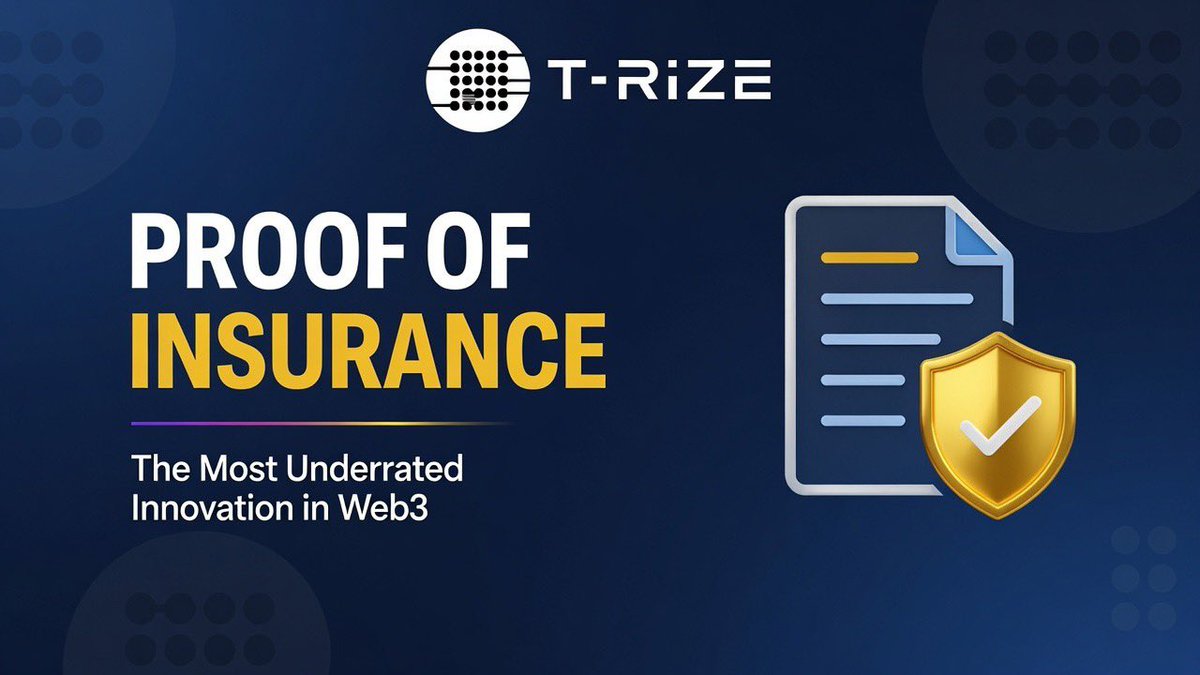
I made this short video because I think one topic doesn’t get enough attention when people talk about RWAs: Proof of Insurance.
We often hear about tokenizing real-world assets, but we rarely ask a simple question: How do we verify that those assets are actually protected?
In this video, I explain how @trize_io Kairos Digital Loan Notes use @chainlink to bring Proof of Insurance onchain in a secure and privacy-preserving way through the Canton Network.
Instead of simply saying insurance exists, authorized participants can independently verify that coverage is in place. To me, that’s a meaningful step toward making tokenized assets more transparent and institution-ready.
The video is short, simple, and easy to follow. I’d love to hear your thoughts after watching.
Do you think Proof of Insurance should become a standard for tokenized real-world assets?
This partnership with @chainlink feels like a very interesting move for me.
Bringing verifiable insurance data on-chain through Chainlink oracles adds a layer of transparency and trust that institutions actually care about.
For something like Kairos Digital Loan Notes, where real private credit is being tokenized, having reliable and auditable insurance information is a big deal it reduces uncertainty and makes the whole structure more credible.
This actually shows that T-RIZE is focused on building the kind of infrastructure that serious players need, not just issuing tokens. This kind of integration is what helps move tokenized RWAs from “interesting idea” to something institutions can properly evaluate and work with.
Good step forward @trize_io team 👏
When I first saw the @trize_io × @chainlink partnership, I almost scrolled past it.
Then I realized this wasn’t just another partnership announcement.
It’s solving one of the biggest challenges in tokenizing real-world assets: how do you trust the information behind the asset once it’s onchain?
Here’s why I think this matters. 🧵👇
Everyone is talking about tokenizing real-world assets, but I think we’re missing an important conversation.
How do you verify that the protection behind those assets is actually in place?
That’s where Proof of Insurance comes in, and honestly, I don’t think it’s getting the attention it deserves. @trize_io
Here’s why. 🧵👇
If you’re new to tokenized real-world assets, you’ve probably heard the name Kairos. But what exactly is it, and why are people paying attention to it?
The simplest way to think about it is this: Kairos by @trize_io helps bring private credit assets onchain in a more organized, transparent, and verifiable way. Instead of relying on scattered paperwork, manual processes, and disconnected systems, it creates a structured digital record that makes managing these assets much more efficient.
What really caught my attention is that Kairos doesn’t stop at tokenization. It introduced Proof of Insurance, making it the first tokenized asset to allow authorized participants to independently verify insurance coverage. That adds another layer of transparency instead of asking people to simply trust that protection exists.
I think that’s why Kairos matters. Institutions need reliable infrastructure, regulators need clear and auditable information, and wider adoption depends on building confidence in tokenized assets. To me, Kairos is a good example of how tokenization should solve real-world challenges, not just move assets onto a blockchain.
Everyone gets excited when a real-world asset is tokenized, but I think we’re overlooking an even bigger piece of the puzzle: how do we verify that the asset is actually protected?
Putting an asset onchain is only part of the journey. People also need confidence that the asset is properly protected. Until now, confirming insurance coverage has often depended on paperwork, manual verification, or simply trusting the information provided.
That’s why Proof of Insurance stands out. It allows authorized participants to independently verify insurance coverage, bringing more transparency and auditability to tokenized assets. Kairos by @trize_io is the first tokenized asset to introduce this approach, showing that tokenization isn’t just about digitizing assets it’s about building better trust infrastructure around them.
I believe this matters far beyond technology. Institutions need stronger risk management, regulators need reliable and auditable information, and everyday users deserve greater confidence in the assets they interact with. If tokenization is going to scale globally, innovations like Proof of Insurance may end up being just as important as tokenization itself.
They called us crazy… until they understood the mission. 😤
Being MAD isn’t about losing your mind it’s about having conviction when everyone else gives up.
The #MAD era has no off switch.
Officers and Prisoners get mad
WE’RE MAD. WE STAY MAD. ❤️
$MAD #StayMAD@madrichclub_
Stress has become part of everyday life, but building better habits doesn't have to be complicated.
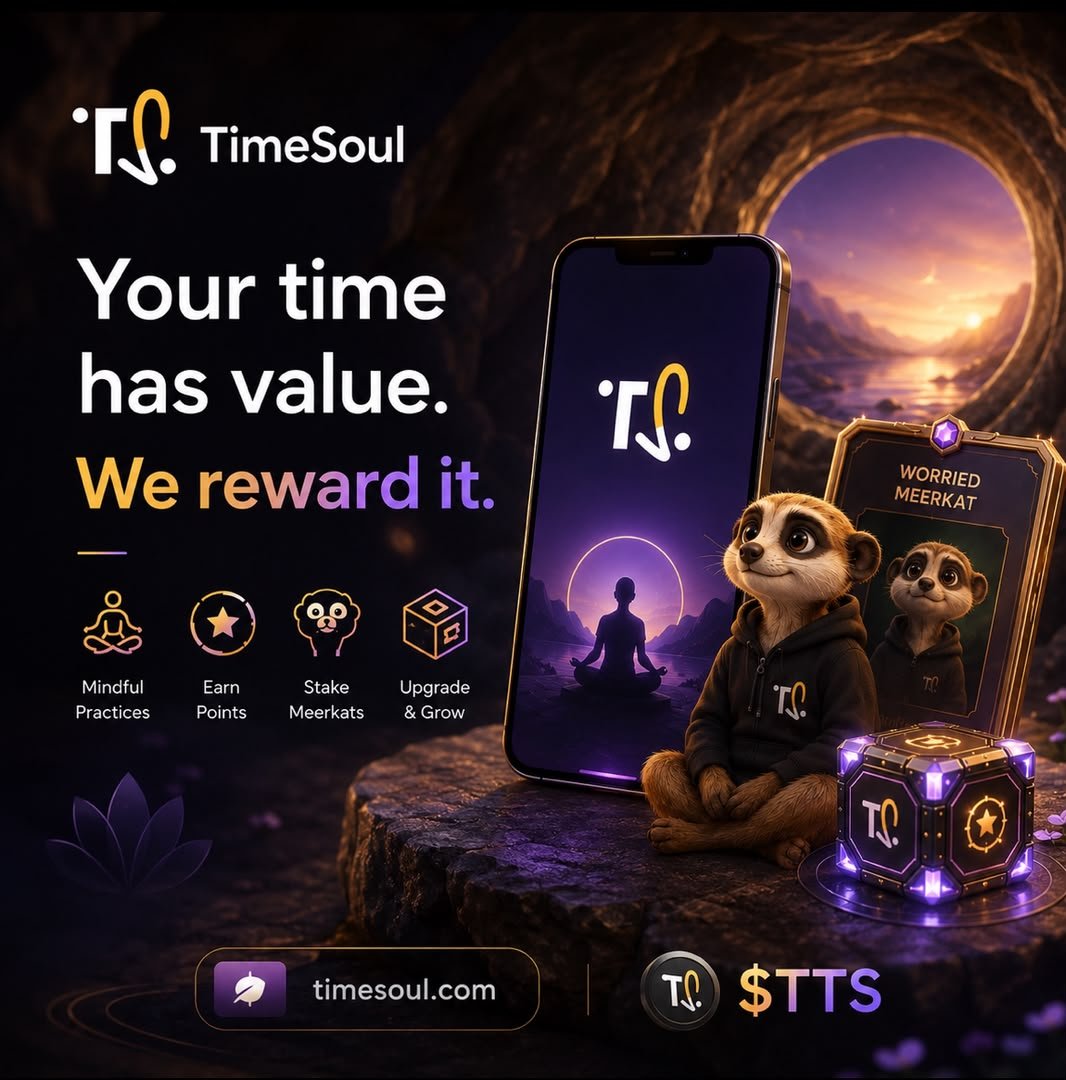
@timesoulcom combines AI guidance, mindfulness exercises, and gamified progress to make personal growth feel simple and enjoyable.
@BingXOfficial#BingXBlast#TimeSoul $TTS
One thing I love about @timesoulcom is its focus on consistency over perfection.
Short mindfulness sessions, AI-powered guidance, XP, streaks, and NFTs that unlock platform experiences make it easier to stay motivated and build healthier habits.
@BingXOfficial#BingXBlast $TTS