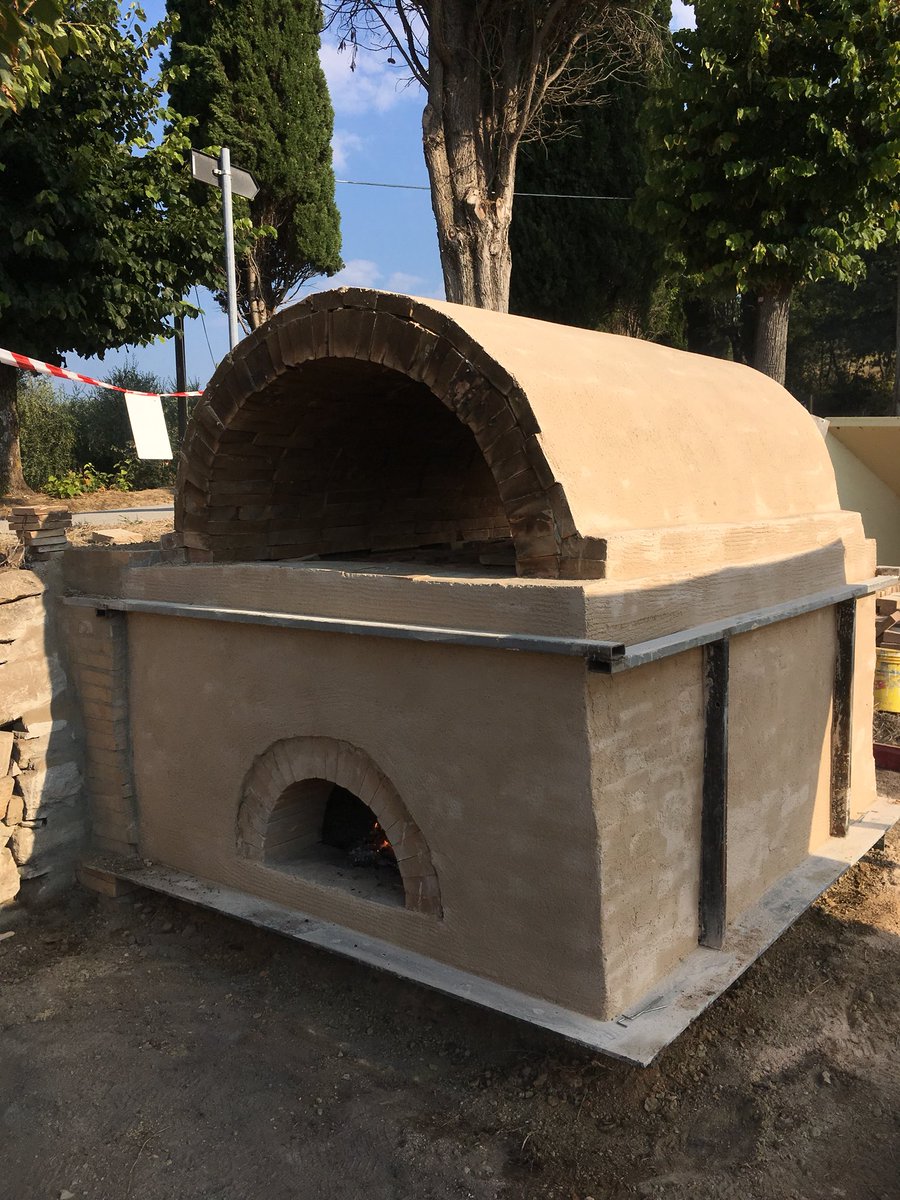
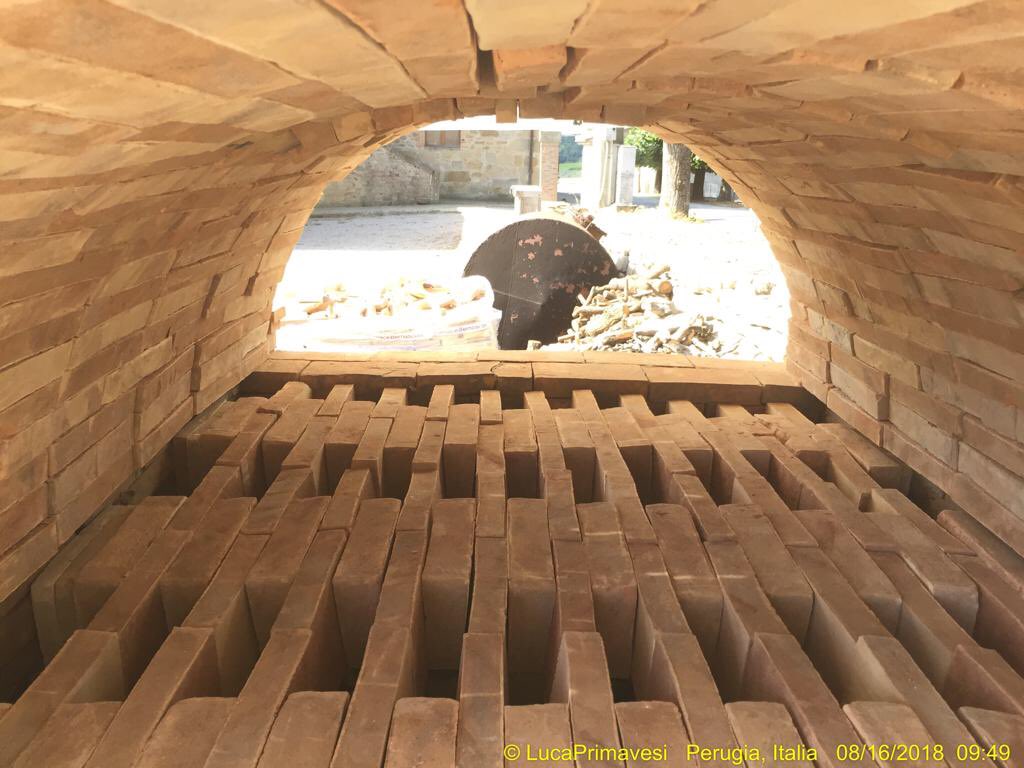
Firing like the Romans: building of a fully functional replica of a Roman kiln in #Umbria (Italy) funded by Arts and Humanities Impact Fund Award, University of Cambridge, and designed by Politecnico di Milano
@UCamArchaeology@polimi
I just published an article on the production of the Roman kilns at Montelabate (PG) on BdA online. The volume is available at https://t.co/4mn0S4IsJo
#Archaeology#kiln#pottery#production#amphorae
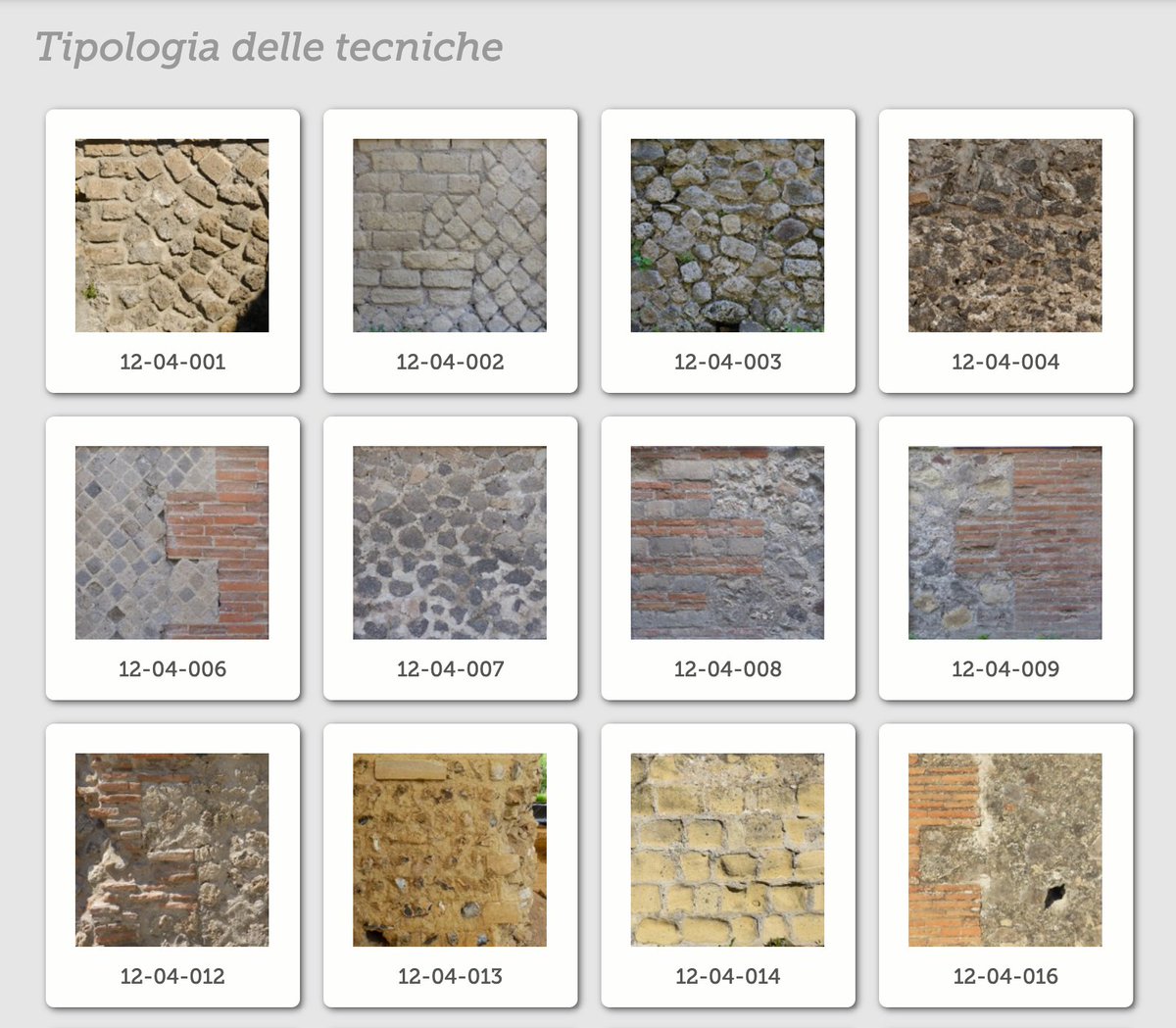
In questo sito si è usato il testo di un mio contributo del 2018 sui mattoni crudi, in modo quasi letterale, rammentando anche le fornaci di Montelabate senza citarne minimamente la fonte https://t.co/dsr8OuNSTT
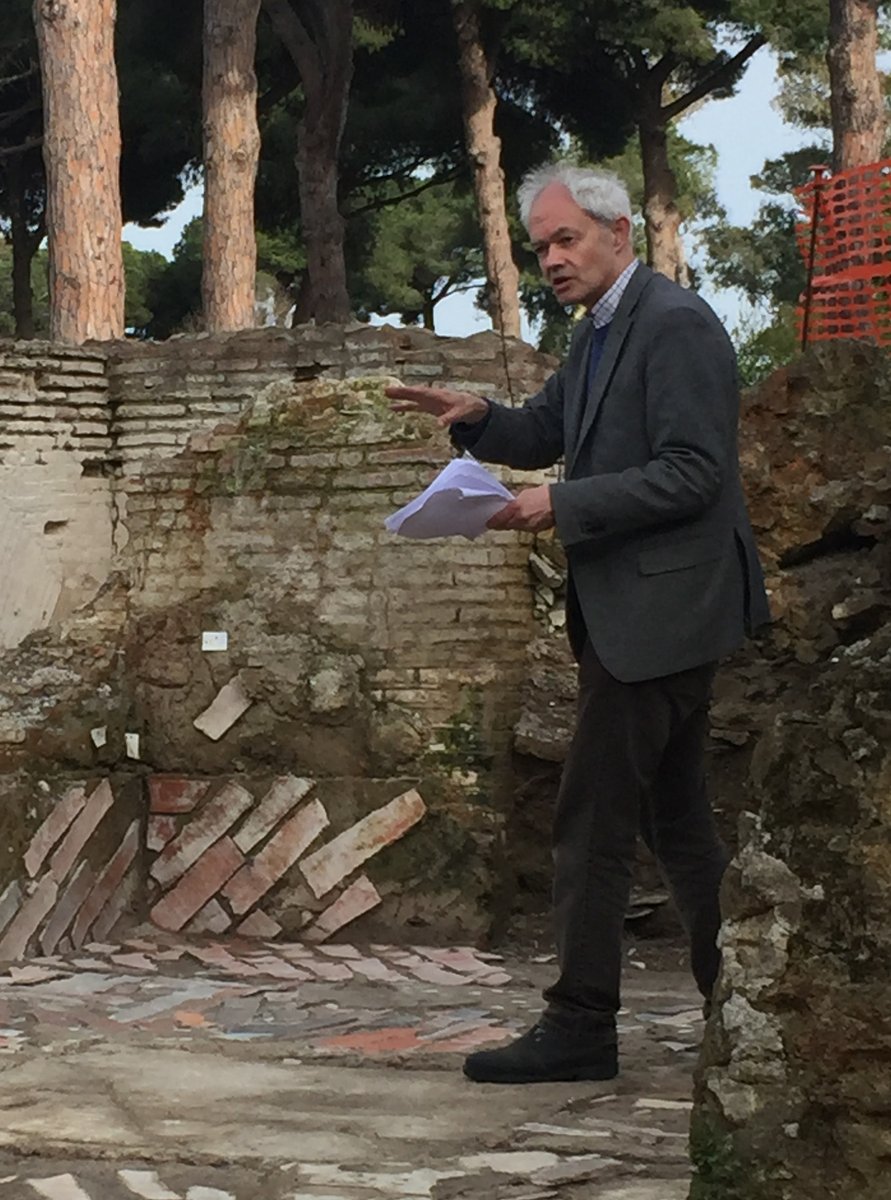
Just devastated to hear of the death of Simon Keay. Talking to mutual friends in our grief this morning made me appreciate how much Simon had been at the heart of so many happy and enduring friendships as a result of his archaeological projects. He brought out the best in us.
Lost for words. Simon Keay has been a huge influence on me. A brilliant scholar, a generous, kind and passionate man. Learnt of his passing this morning as I was at Portus pursuing our research @the_bsr @sotonarch@parcostiantica. Will be greatly missed. Cheers boss x
@Pottedhistory Calcite will decompose at 750C then recombining with aluminium and silica forming temperature phases such as gehlenite, diopside and hercynite.
Really interesting thread on spiked amphorae. Flat bottomed ones produced in the Upper Tiber valley, so-called Spello type, were much smaller, containing about 19/20 litres of wine. Shape functional for river trade by boats.
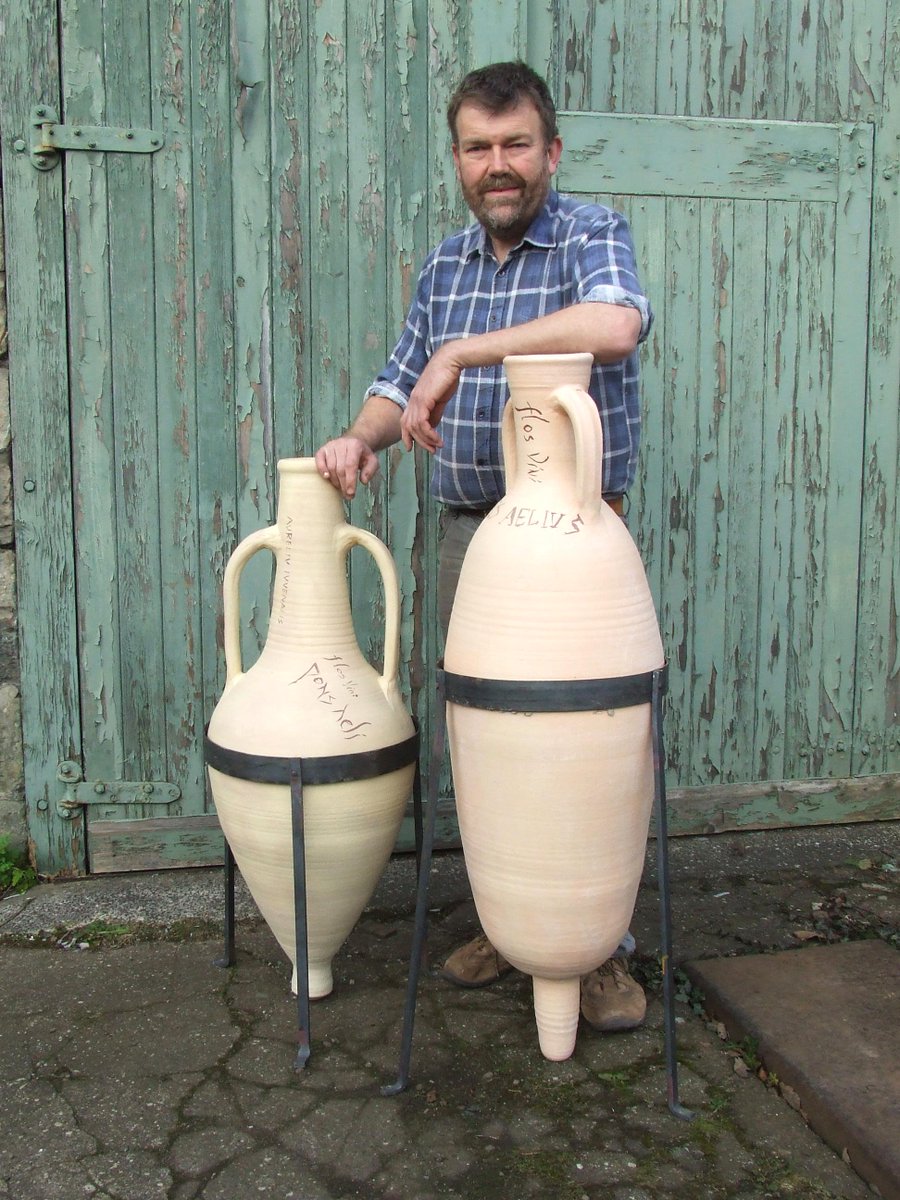
1/8 I'm often asked "Why do amphorae have pointed bases?" and as a potter who has now made hundreds of them, I have to say that it's something that I have thought about a lot. For a start they'd be a lot easier to make if they had a flat base. As it is you start throwing from..
In the territory of Asisium there were the figlinae of Caius Mimisius, producing in the early Imperial Period. Today seven stamped tiles are known #production#RegioVI#Umbria
@The_Sherd_Nerd @sherdnerdE @Pottedhistory@PoultonProject@romanpottery@Tileman_and_son Any specific period or area? If just general interest the Handbook of Mediterranean pottery is the best. Even the Potsherd website, there are bibliographic references.
Finally, after three days of firing the kiln is open. As in antiquity, it is a mystical experience.
Firing like the Romans at Montelabate #experimental#archaeology#kiln#pottery#Umbria https://t.co/xdZMhuc1mZ