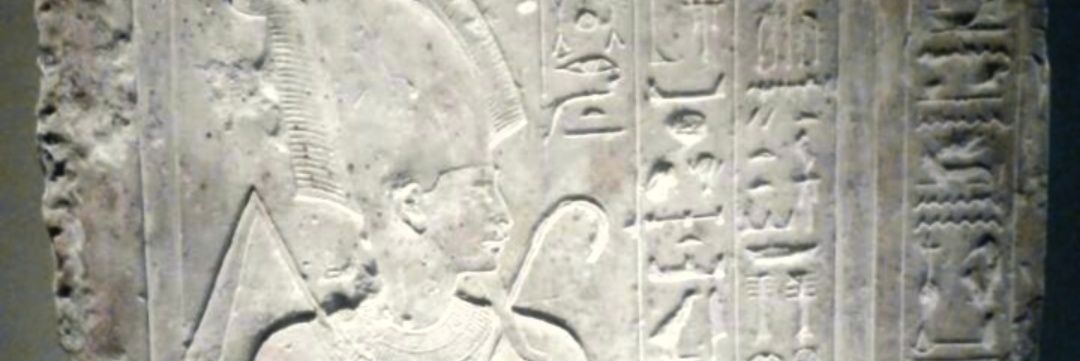
On planet Earth, another year passes without David Graeber (d. Sept. 2, 2020)
Where’s the time going, my friend?
Down here, things much as you predicted (or slightly worse, for now).
Meanwhile, I’m hard at work on Book 2 of #TheDawnOfEverything
It’ll be called #TheThirdFreedom
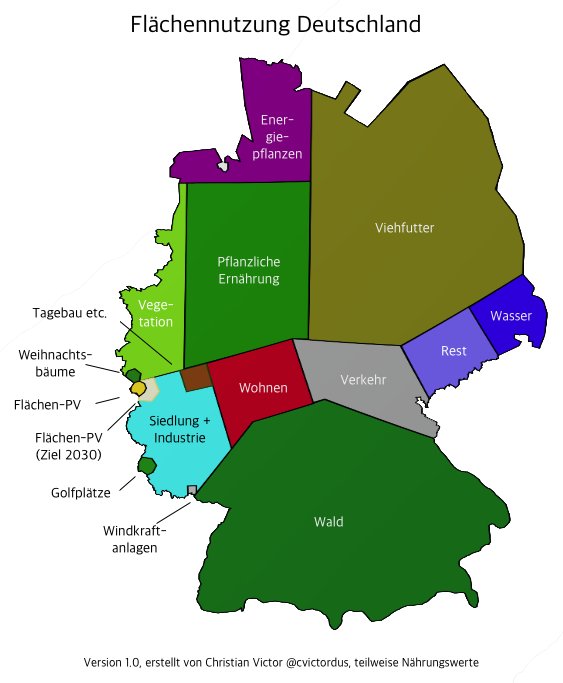
Heute ist sie endlich halbwegs fertig, meine Grafik die visualisiert, dass der gesamte Flächenverbrauch von Solarparks in Deutschland deutlich unter dem von Golfplätzen (ca. 50.000ha) liegt.
Zahlen teilweise aus verschiedenen Jahren aber die Proportionen kommen gut hin.
New research: Beyond technology acceptance—a focused ethnography on the implementation, acceptance and use of new nursing technology in a German hospital https://t.co/MZ72Cg3wO8 #digitalhealth
BREAKING NEWS
The Norwegian Nobel Committee has decided to award the 2023 #NobelPeacePrize to Narges Mohammadi for her fight against the oppression of women in Iran and her fight to promote human rights and freedom for all.
#NobelPrize
New Research: Expectations of new technologies in nursing care among hospital patients in Germany – an interview study #Psychology#Psych https://t.co/SiBwWBcM3V
Göbekli Tepe, located in the southeastern Anatolia region of Turkey near the city of Urfa (also known as Şanlıurfa), is considered the oldest known temple complex in the world. It is an archaeological site that has captivated researchers and historians with its remarkable age and significance.
Discovered in the 1960s by the archaeologist Klaus Schmidt, Göbekli Tepe dates back approximately 11,000 years, making it older than Stonehenge in England and the Great Pyramids of Egypt. The site was built and used by ancient hunter-gatherer societies during the Pre-Pottery Neolithic period, challenging the conventional belief that monumental architecture was a product of settled agricultural communities.
Göbekli Tepe comprises multiple stone pillars arranged in circular structures, which are thought to have served as ritualistic gathering places. These pillars, some of which reach up to 16 feet (5 meters) in height and weigh several tons, are adorned with intricate carvings of various animals, including lions, snakes, foxes, and birds.
What makes Göbekli Tepe particularly fascinating is the complexity and sophistication of its construction. The massive stones used to create the pillars were transported from quarries several miles away, and their shaping and assembly would have required a high level of coordination and organization. This suggests that the hunter-gatherer societies that built Göbekli Tepe possessed a degree of social organization and communal effort not typically associated with their era.
The purpose of Göbekli Tepe remains a subject of speculation and debate among archaeologists. Some believe it was primarily a religious or ceremonial site, where rituals and gatherings took place. The carvings of animals suggest a connection to ancient belief systems and potentially represent the worship of animal spirits or deities. Others theorize that it may have served as a meeting place for different groups or as a center for trading and exchange of goods.
The discovery of Göbekli Tepe has had a significant impact on our understanding of human history and the development of civilization. It challenges the traditional narrative that agriculture was the driving force behind the rise of complex societies and suggests that religious or social factors may have played a more prominent role. The site provides valuable insights into the cultural and technological achievements of early humans, highlighting their capacity for architectural innovation and symbolic expression.
Since its discovery, Göbekli Tepe has been meticulously excavated and studied by archaeologists, shedding new light on our ancient past. It has been recognized as a UNESCO World Heritage site, attracting visitors from around the world who come to marvel at this extraordinary testament to human ingenuity and the dawn of civilization.
The planet is dying, the world is an increasingly authoritarian and dysfunctional place and STILL people with full academic credentials keep asking me what we meant by getting “stuck”…
#TheDawnOfEverything
Nochmal ein Gedanke zur "Lösung all unserer Probleme mit Technologie":
Das Problem ist nicht die Technologie, die nicht funktioniert sondern die, die funktioniert.
Schöne Grüße von der Technologiefolgeabschätzung.
(Schreibt ein Ingenieur und Technologiefreund)
This article on ChatGPT, artificial intelligence, and our current situation with machine learning is one of the best I've read- hitting on really important points and giving lots of great context.
Thanks to @S0cialEcologist for sharing it with us.
https://t.co/XBq8J0X8Ag