⚛️ Fine della deterrenza nucleare?
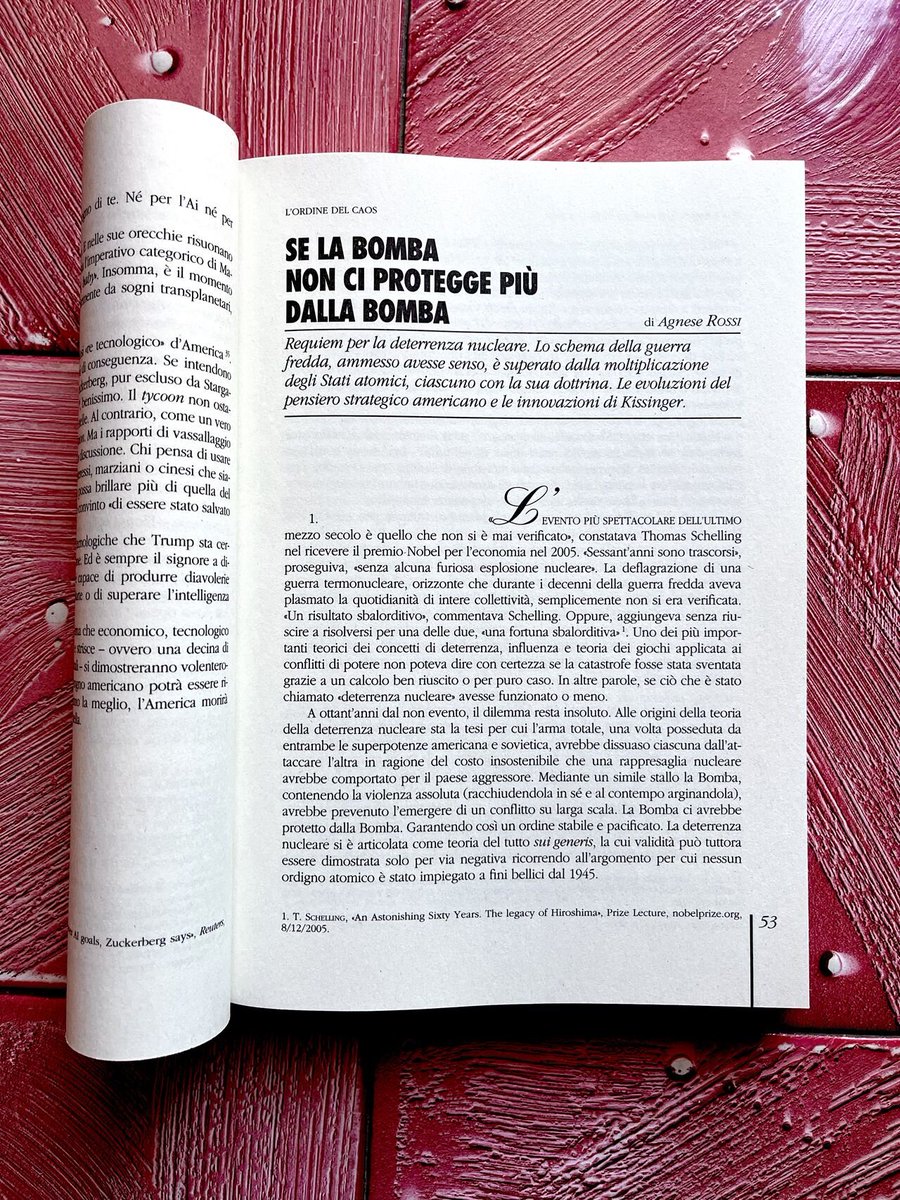
🧵Durante la guerra fredda, la deterrenza nucleare traeva forza da un ordine geopolitico relativamente stabile basato sulla simmetria russo-americana. Oggi che quel sistema si è sgretolato, la credibilità di questa teoria mostra le sue crepe.
Finnish lawmakers have voted by a margin of 125 to 61 to lift the country’s longstanding ban on nuclear weapons, marking a major shift in Helsinki’s security posture as it deepens its integration with NATO.
https://t.co/p4kJHHsX3L
🔍🌍 La rassegna geopolitica della settimana
Lo stallo nel Golfo favorisce la Turchia, incontro Xi-Kim, fine del Fcas, gasdotto Algeria-Niger-Nigeria.
Di Daniele Santoro, Giorgio Cuscito, Agnese Rossi, Luciano Pollichieni
https://t.co/zbjIvtsPII
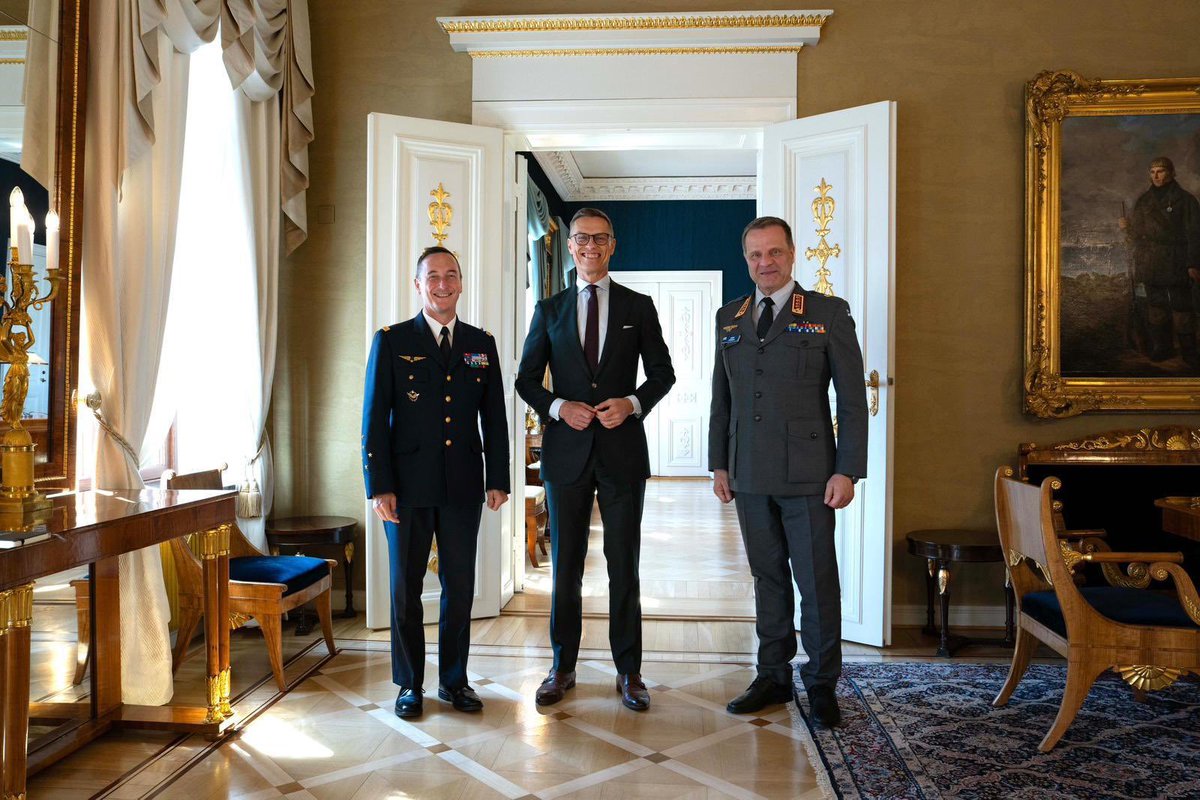
A few days after Norway joined French Forward Deterrence Initiative and Finland expressed its interest for it, French chief of staff was received by Finnish president and defense minister.
Having Finland joining the initiative would open the "door" to nuclear raids along the 1300 km long border with Russia, exposing an important number of strategic assets and forcing Moscow to disperse high-end missile defense systems.
I analyzed this specific issue in a @FRS_org note that should come out soon.
Stay tuned.
📺 Se nessun centro è più in grado di controllare il resto del mondo, proliferano non solo le armi nucleari, ma anche le dottrine nucleari. La puntata speciale di Mappa Mundi al Salone del libro. Con @aldesiderio, @Rossagnese_ e Giuseppe De Ruvo
https://t.co/CRPHT0hBWh
After four weeks of negotiations at UN Headquarters in New York, the 11th Review Conference of the nuclear Non-Proliferation Treaty (NPT) ended on Friday without consensus on a final declaration.
https://t.co/fAu0vJoKoP
🎙️Puntata speciale di Mappa Mundi con OnePodcast e Radio Capital al Salone del libro di Torino!
📌Appuntamento alle 18 sul nostro canale YouTube
Con Alfonso Desiderio, Agnese Rossi e Giuseppe De Ruvo
https://t.co/2IBOUTpIWO
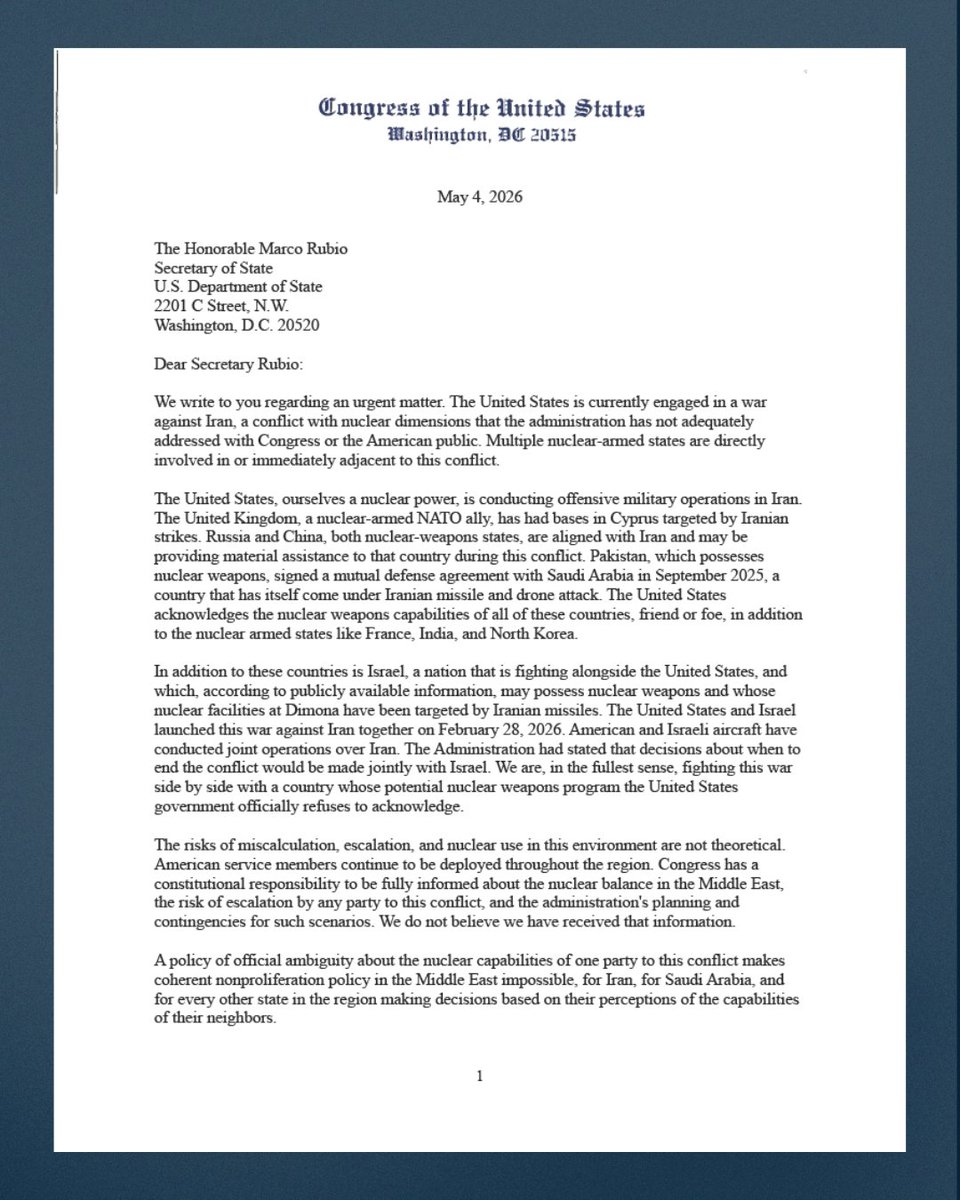
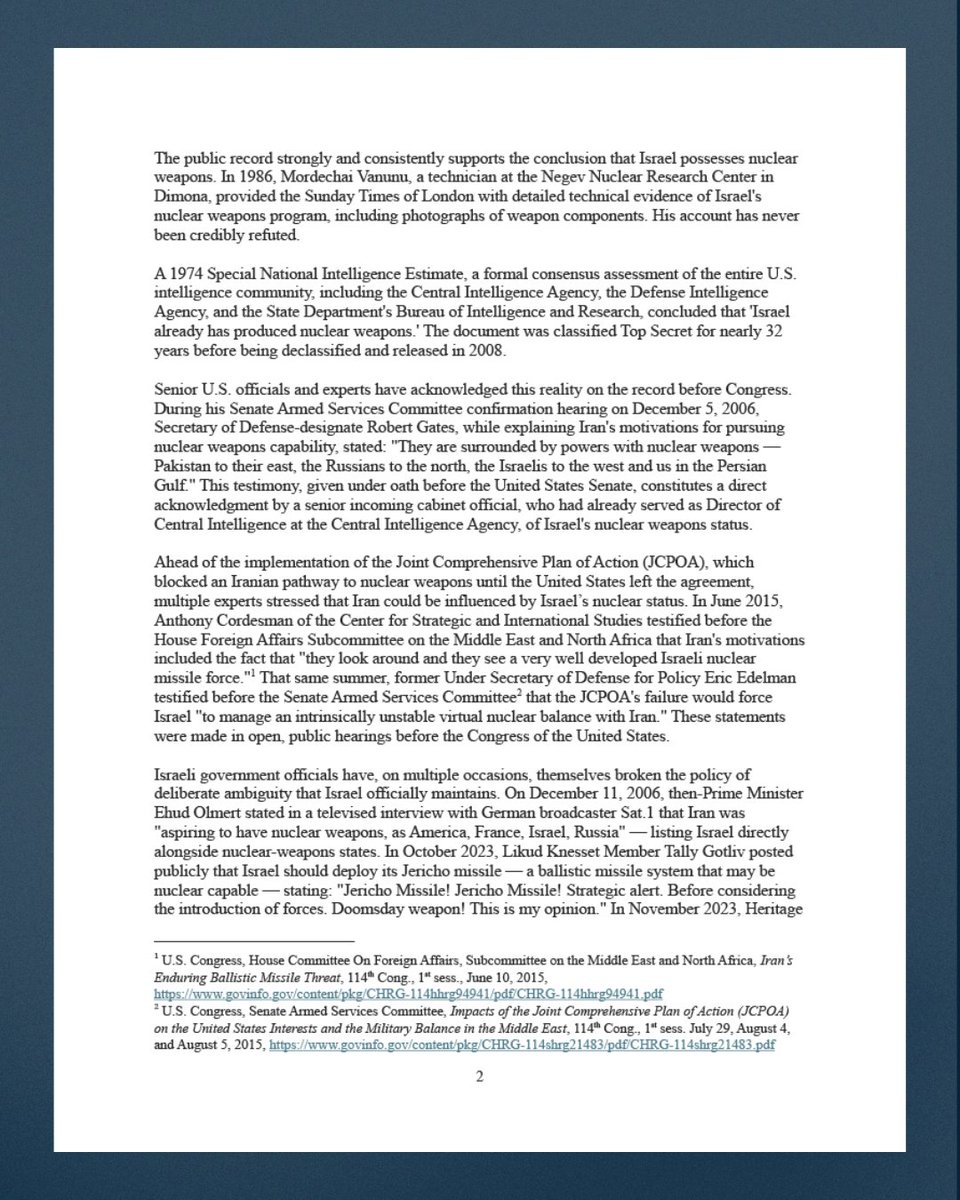
For nearly six decades the U.S. has voluntarily remained in the dark on Israel's nuclear capabilities.
The ambiguity ends now.
There is too much at stake to accept ignorance. We are at war alongside Israel against Iran without knowing what their red lines are for using a nuclear weapon.
I led a group of 30 lawmakers to demand an end to the ambiguity.
“U.S. intelligence assessments indicate that the time Iran would need to build a nuclear weapon has not changed since last summer…The assessments…remain broadly unchanged even after two months of a war that [Trump] launched in part to stop [Iran] from developing a nuclear bomb.”
EXCLUSIVE: Iranian strikes have damaged or destroyed at least 228 structures or pieces of equipment at U.S. military sites, @washingtonpost analysis of satellite imagery reveals...far larger than what has been publicly acknowledged by the U.S. government or previously reported.
Approximate estimates of percentages of U.S. munitions expended in Iran war, per @CNN :
50% THAAD interceptors
50% Patriot interceptors
45% Precision Strike Missiles
30% Tomahawk missiles
20% Joint Air-to-Surface Standoff Missiles
20% Standard Missiles (SM-3 and SM-6)
French and Polish leaders discussed holding joint exercises today as part of a French-led effort to include allies in its nuclear deterrent. https://t.co/px66n4iV7T
🇵🇰 Il Pakistan ha svolto il ruolo di mediatore perché in precario equilibrio su più tavoli, tra Teheran, Washington, Pechino e Stati del Golfo. Il paese non è attore neutrale, ma parte in causa nelle vicende.
L'articolo di @francescam63
https://t.co/IKX0NTzndF
BREAKING: French-owned container ship passes through Strait of Hormuz, in 'what appears to be the first known transit by a vessel linked to Western Europe since the Iran war', according to Bloomberg report.
"For Iran’s leaders, the lessons are clear: deterrence cannot be outsourced to proxies; threats, if not credible, risk inviting retaliation; and a latent nuclear program is hardly a substitute for actually having the bomb"
.@NicoleGrajewski and Ankit Panda explain the failure of Iran’s deterrent—and consider what Tehran’s nuclear future could look like:
https://t.co/xBQox940FK
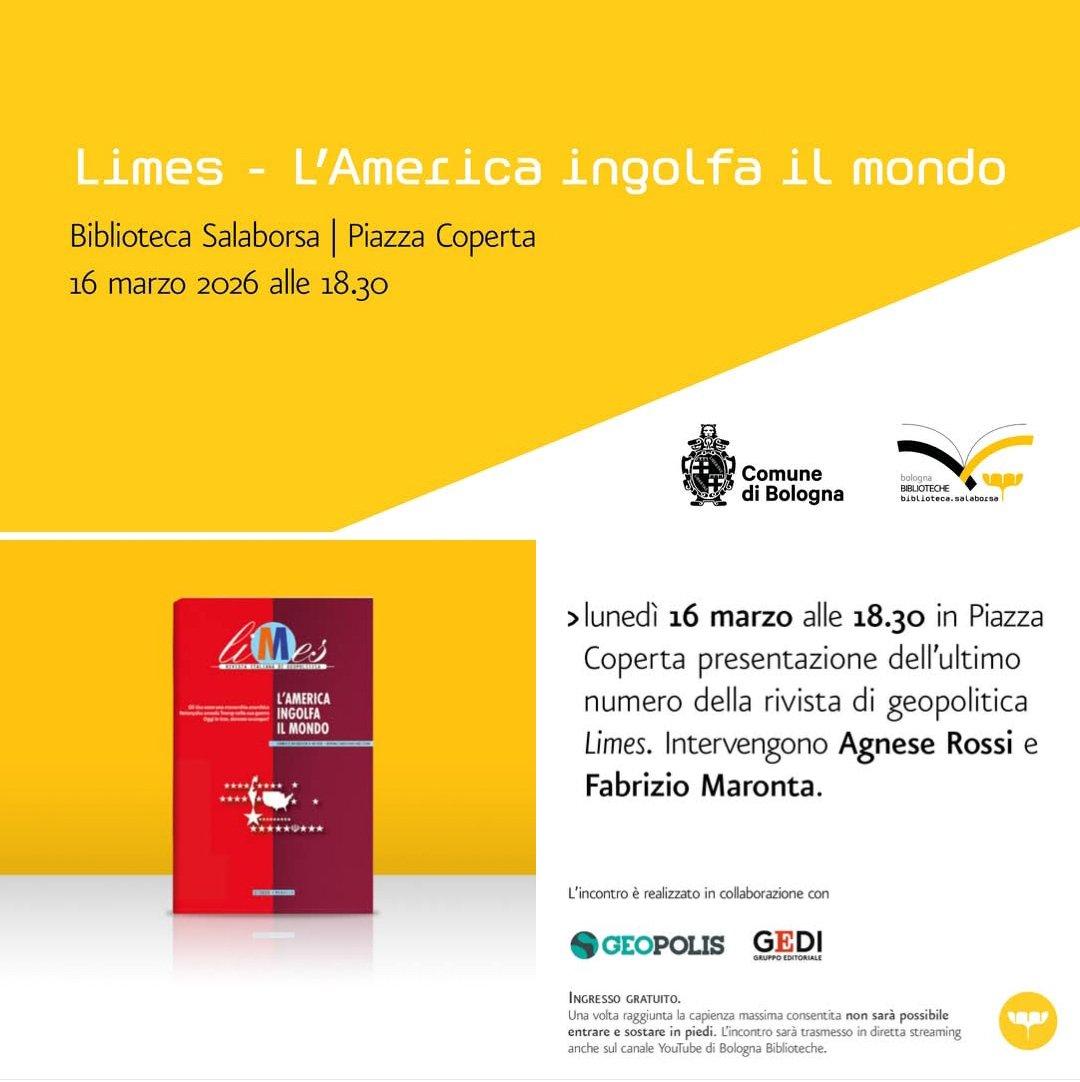
🔊 Vi presentiamo i relatori della presentazione del numero di Limes, rivista italiana di geopolitica "𝗟'𝗔𝗠𝗘𝗥𝗜𝗖𝗔 𝗜𝗡𝗚𝗢𝗟𝗙𝗔 𝗜𝗟 𝗠𝗢𝗡𝗗𝗢"
➡️ 𝗟𝘂𝗻𝗲𝗱𝗶̀ 𝟭𝟲 𝗺𝗮𝗿𝘇𝗼 𝟮𝟬𝟮𝟲
🕒 𝗛 𝟭𝟴.𝟯𝟬
🏛 Piazza coperta di Biblioteca Salaborsa.
���🇹🌎Italia e Francia, cosa possiamo fare insieme: dalle Libie alla Germania e all’Ucraina. Continueremo a litigare, ma chi meglio di Roma e Parigi può intestarsi un Occidente post-americano?
@Rossagnese_ nel numero, "L'Italia nella rivoluzione mondiale".
https://t.co/CCUkmkdFJz
C’est LA grande avancée en parallèle du discours du président sur la dissuasion nucléaire : la création d’un groupe de pilotage nucléaire franco-allemand pour se coordonner sur la doctrine, le mix capacitaire et la participation 🇩🇪 aux exercices nucléaires français.
A short thread on Macron's deterrence speech:
(1/9) The speech delivered today at Île Longue is *the most significant update to French nuclear deterrence policy in thirty years*. In my view, it represents a major step forward, with two important turning points and three omissions.