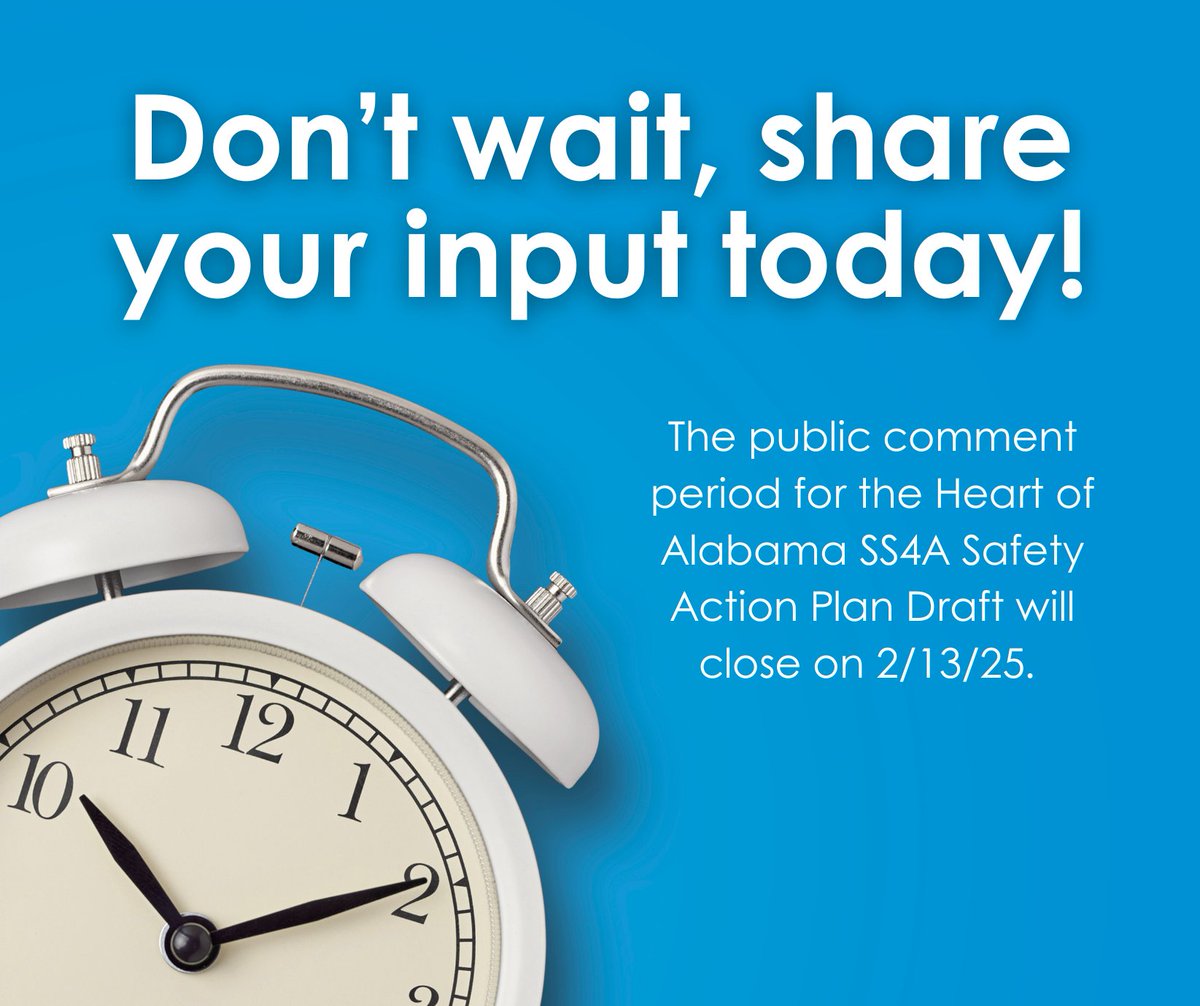
The Heart of Alabama Safety Action Plan Draft is available for public review. Don’t wait, comments close on February 13th!
https://t.co/61K8rCoukr
#HeartofAlabama#SS4A
Halloween is just around the corner, and while you're planning your costumes and trick-or-treat routes, remember to keep traffic safety in mind!
Check out these safety tips: https://t.co/NFk8QrYFaC
#SS4A#HeartofAlabama#HalloweenSafety#VisionZero
This month, we sat down with Michael Kaczorowski, a Principal Planner at the RPCGB, to learn more about his advocacy for transportation safety. #SS4A#HeartofAlabama#SafetyChampion
This month, we sat down with Yaquelin (Jacky) Herrera, a Safety & Quality Control Engineer at ALDOT, to learn more about her advocacy for transportation safety.
#SS4A#HeartofAlabama#SafetyChampion
The Translational Research for Injury Prevention (TRIP) Lab at the University of Alabama features a driving simulator that provides hands-on research for students. The lab partners with organizations like ours to enhance outreach efforts.
Learn more: https://t.co/TxQ4CXrylq
Why is it important to consider human behavior when selecting traffic safety countermeasures? Changing a behavior is not a simple undertaking.
Learn more: https://t.co/STwIVFEt3k
Before you head out on vacation next week, make sure to check out these summer driving tips from the National Highway Traffic Safety Administration:
https://t.co/G9KqKkfOwu
#SS4A
Last year the Advocates for Highway and Auto Safety gave Alabama a yellow rating, indicating that improvement in automobile safety legislation is necessary. What traffic safety law would you like to see implemented in Alabama?
https://t.co/Ya02i8SSfN
This month, we sat down with Forrest Johnson, E.I., a Traffic Systems Engineer at the City of Birmingham Department of Transportation, to learn more about his advocacy for transportation safety. #SS4A#HeartofAlabama#SafetyChampion
Watch the video below to stay informed about the latest updates and schedule for the RPCGB’s SS4A Safety Action Plan within the Heart of Alabama region! We will continue to provide updates and important information throughout the planning process. #HeartOfAlabama#SS4A
Good news in traffic safety – vehicle manufacturers must make automatic emergency braking standard in cars and light trucks by 2029.
It is estimated that this will help save at least 360 lives and prevent 24,000, injuries per year: https://t.co/hdwgLpEmm8 #HeartOfAlabama#SS4A
As we work towards Vision Zero, data is key! One step is identifying the High Injury Network for the region to identify and prioritize road segments with high collision rates.
Do you live within the Heart of Alabama region? Take our survey: https://t.co/03pQm4sVkY
Did you see our recent post about traffic crash data? The data was obtained from the Critical Analysis Reporting Environment (CARE), a data analysis software package developed by UA’s Center for Advanced Public Safety.
Learn more about CARE: https://t.co/eraZzCKMjW
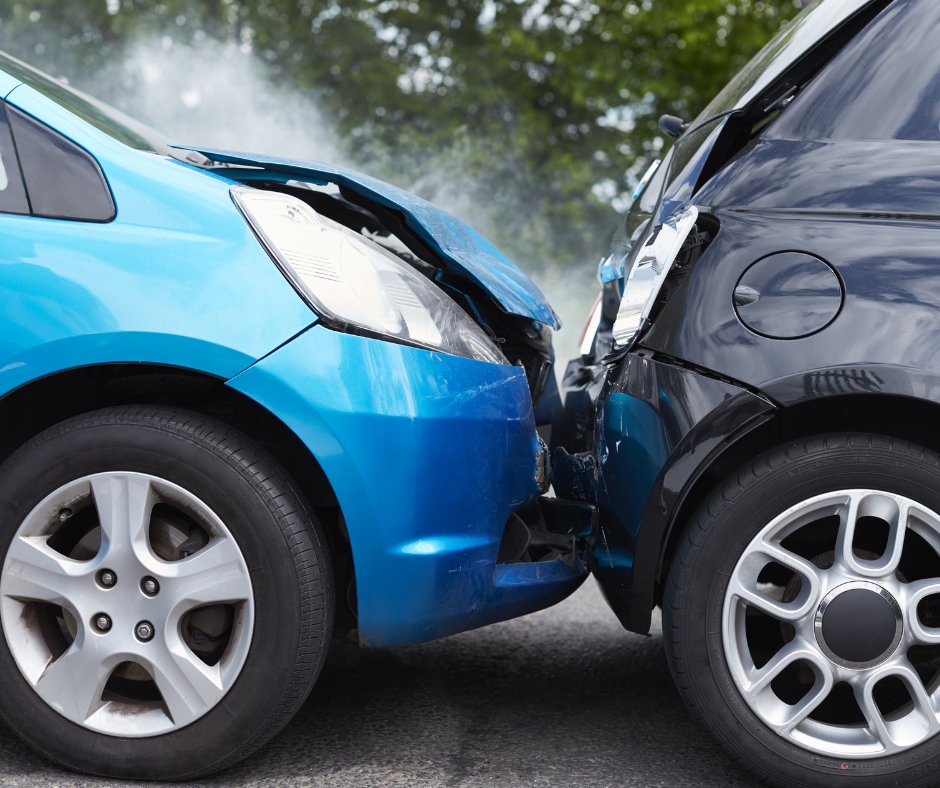
Did you know that the two most common contributing circumstances to a crash in the Heart of Alabama Region are Misjudging Stopping Distance and Failing to Yield?
These account for approximately 21% of all of the Region’s crashes. Don’t drive distracted! #HeartofAlabama#SS4A
Did you know that the City of Hoboken hasn’t experienced a traffic fatality in 7 years? They achieved this feat thanks to a strong commitment to Vision Zero by their local leaders!
Read more here: https://t.co/HaxITRQnFp
#SS4A#HeartofAlabama#VisionZero#RPCBG
How many traffic fatalities are acceptable to you?
Check out the following video to learn more about the Toward Zero Deaths strategy:
https://t.co/rJ8jHn71gS
#SS4A#HeartofAlabama#VisionZero#RPCBG
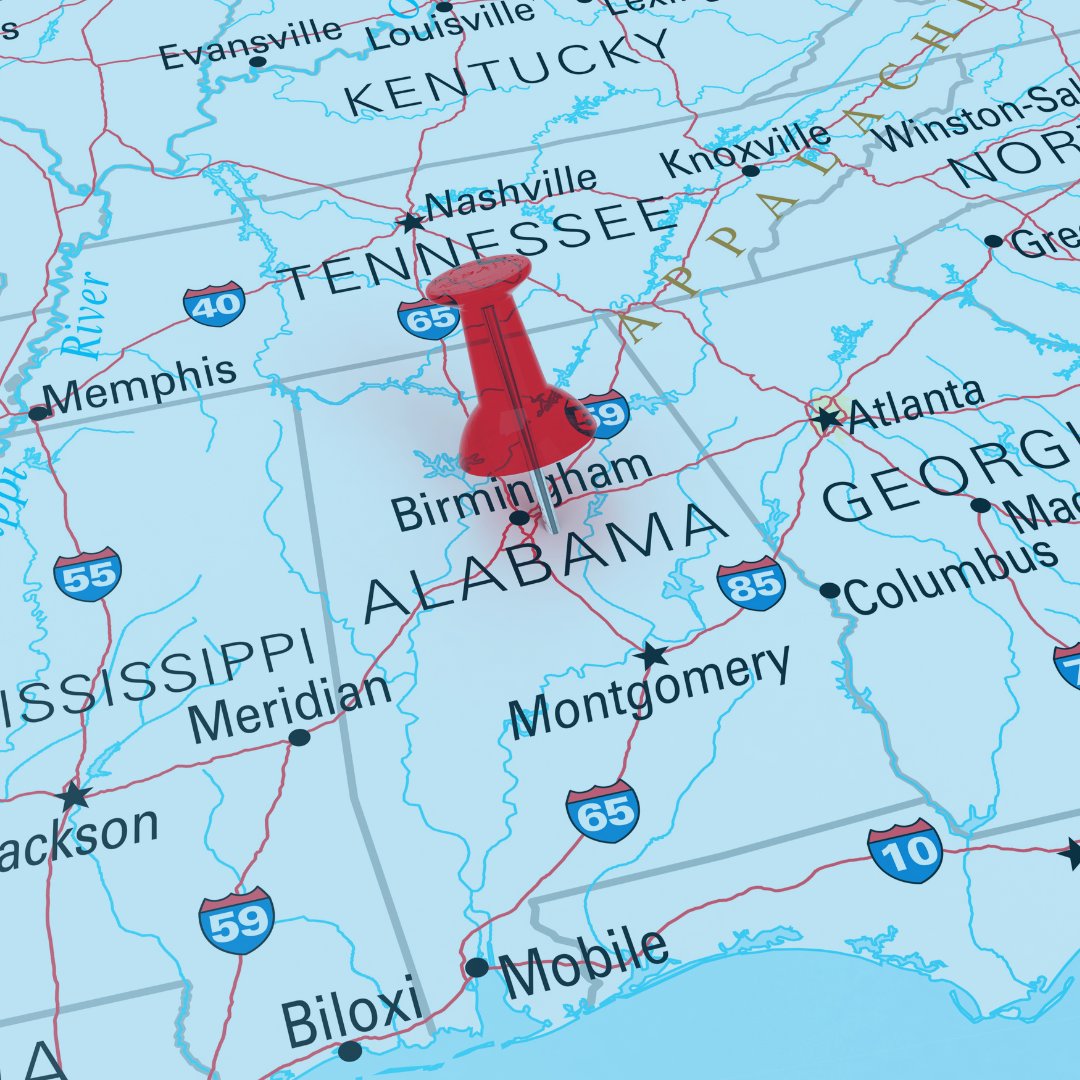
The 6-county Heart of Alabama region, which includes Blount, Chilton, Jefferson, Shelby, St. Clair, and Walker counties, experiences approximately 36,700 crashes per year on average. Of those, approximately 180 result in fatalities and 973 result in serious injuries each year.
These statistics are sobering, and it’s important to remember the people behind these numbers – our mothers and fathers, our sons and daughters, our friends, and our coworkers.
Vision Zero is a strategy to eliminate all transportation-related fatalities and serious injuries, while increasing safety and mobility for all road users.
Collaboration between engineers, planners, health care professionals, and policymakers is a key component to achieve the goal of zero fatalities and serious injuries.