In wave 12 of our Children's Media Lives report for @Ofcom, you can hear how 17 children talk about social media – and who they think it's really for – to a change in how AI features in their daily lives & more.
Read the report: https://t.co/Ka6BV2Qf5D
We've been highlighting the issue of children interacting freely with adults on Roblox since April.
Our investigation of Roblox's new safety features in September revealed the problem persisted.
We're pleased to see Roblox is now implementing age verification to combat this.
As before, we'll test these new measures once they go live.
https://t.co/t2wexQfTAU
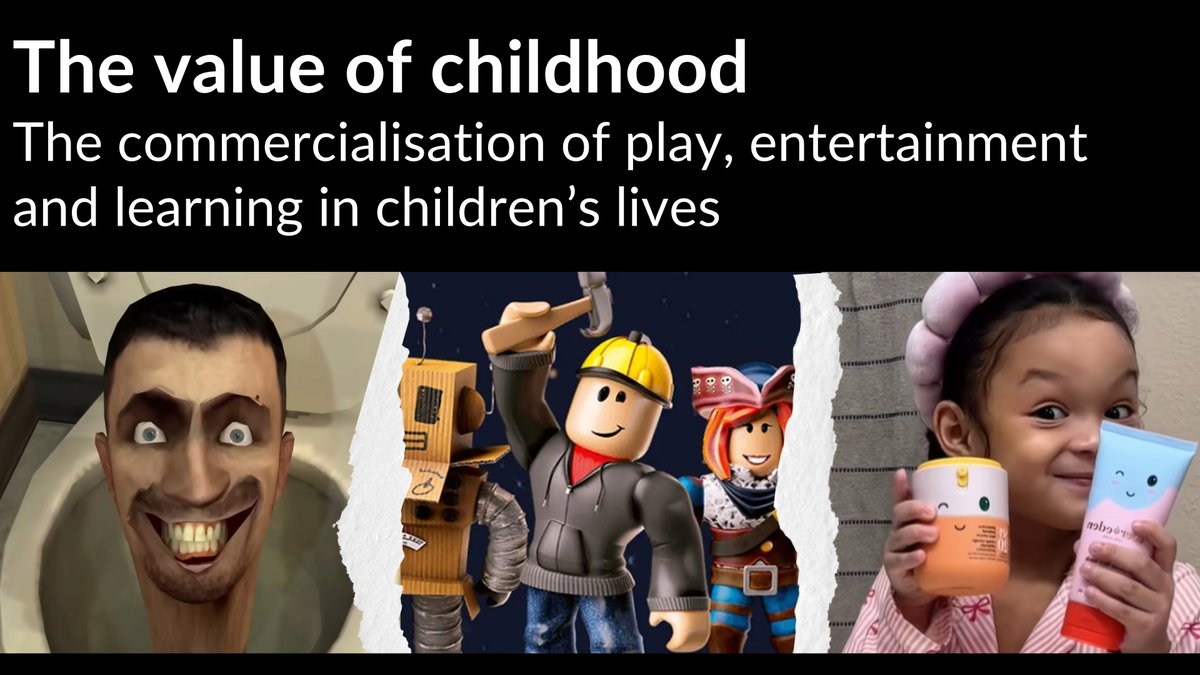
We've conducted in-depth research with countless children across years of commissioned and self-funded work - witnessing dynamics emerge that previous generations have never experienced. If you have any interest in the state of childhood today, read this: https://t.co/szkz1Ok4hR
Are you noticing a disconnect between what the public want, need or believe, and policy?
Our new project meets people where they are, taking us into their homes and communities to understand their lived experiences.
What do people really think about the issues that matter most to them?
Visit our site, where we will be sharing our emerging insights and findings: https://t.co/jzAUkxJs6k
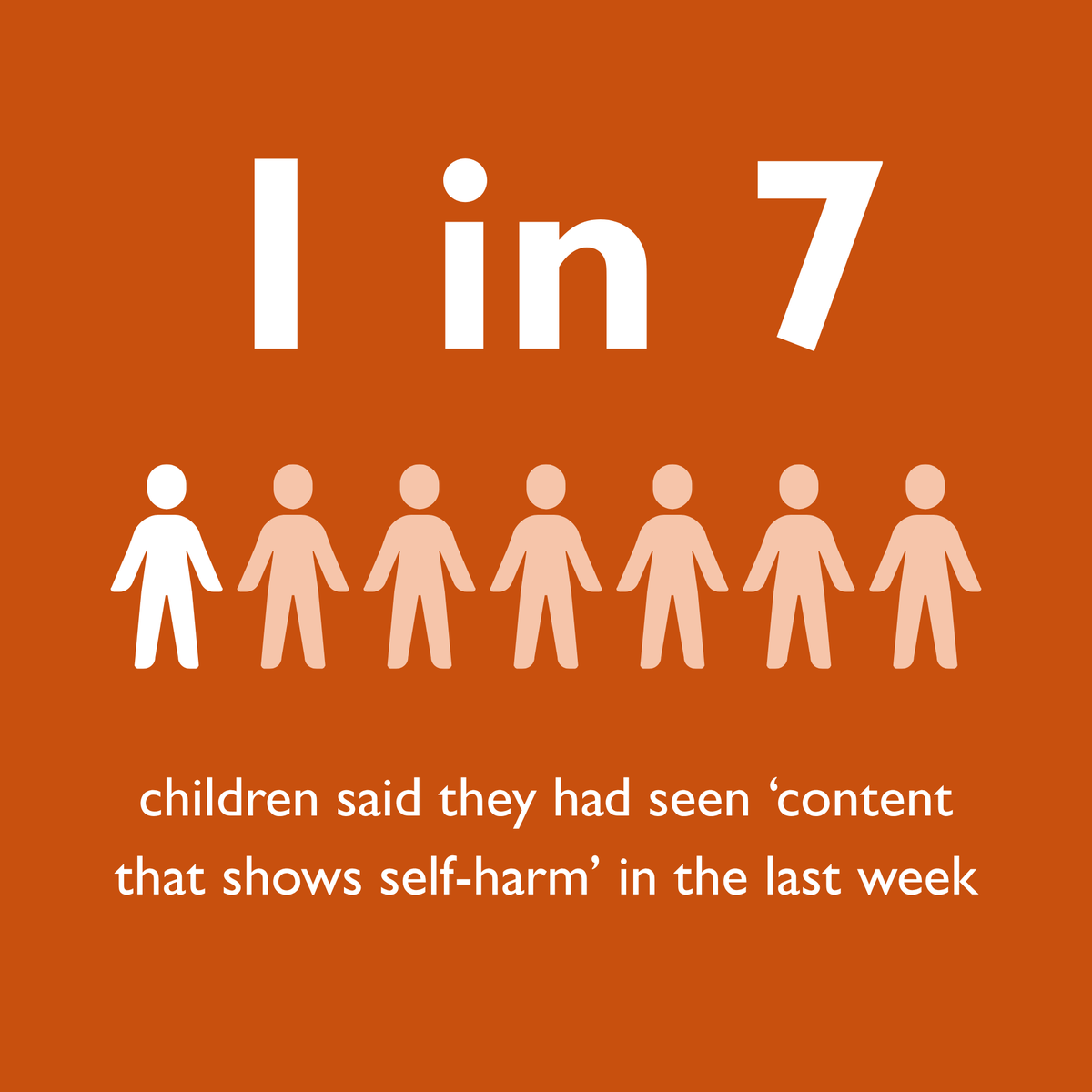
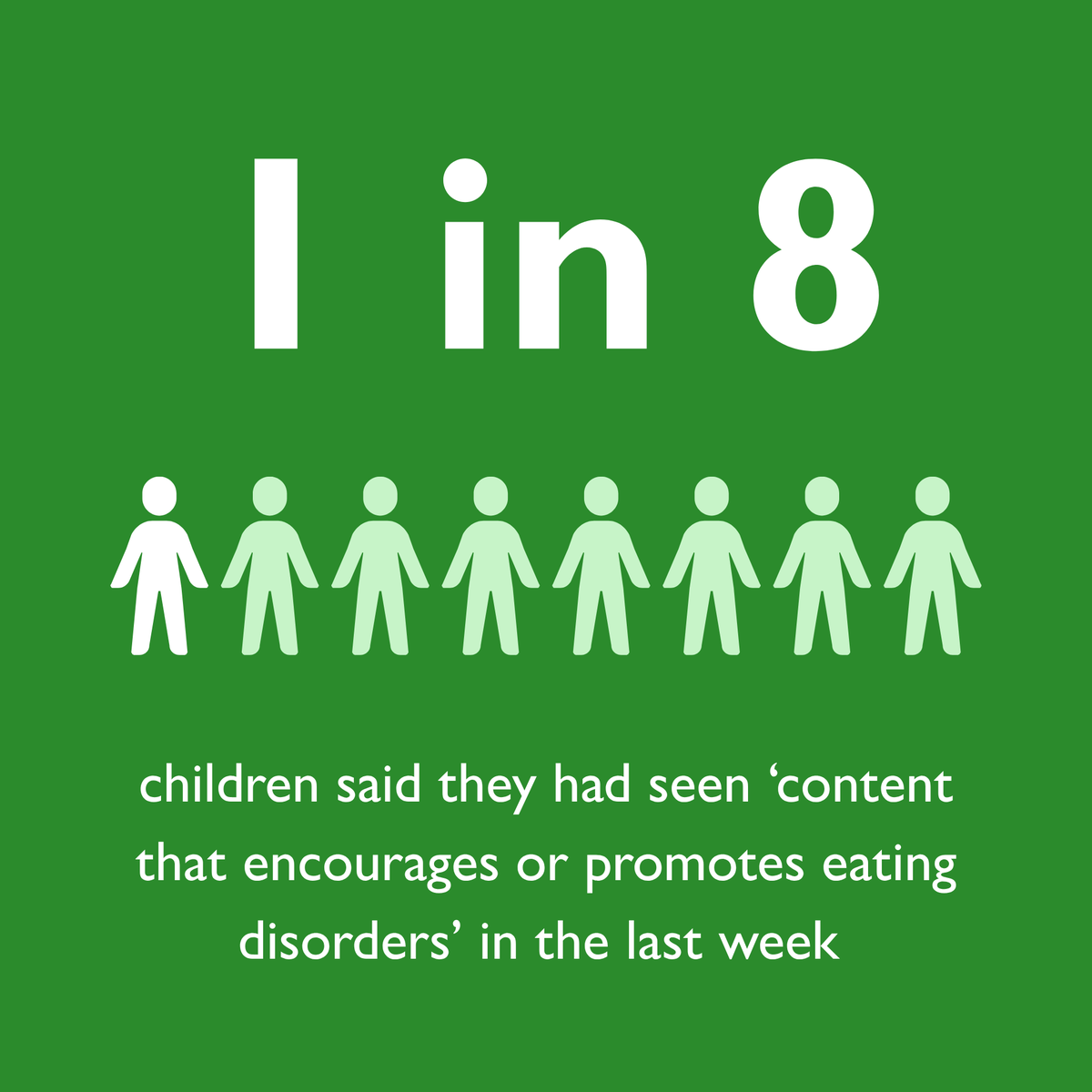
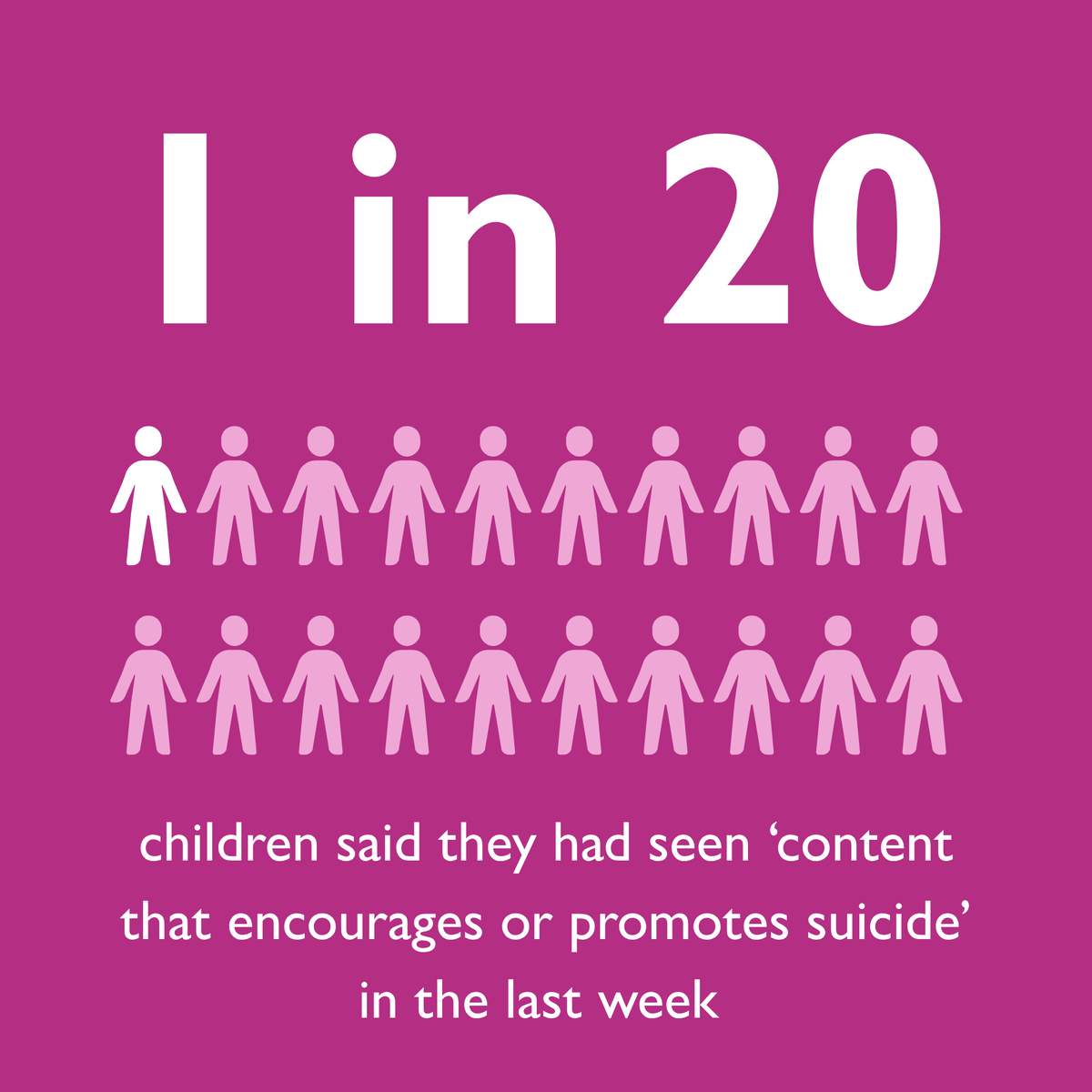
The @mollyroseorg commissioned us to investigate children's online exposure to harmful content. Would you let your child use a social media platform where one in twenty children reported seeing content encouraging suicide within the past week?
https://t.co/tKrc9zY3Bv
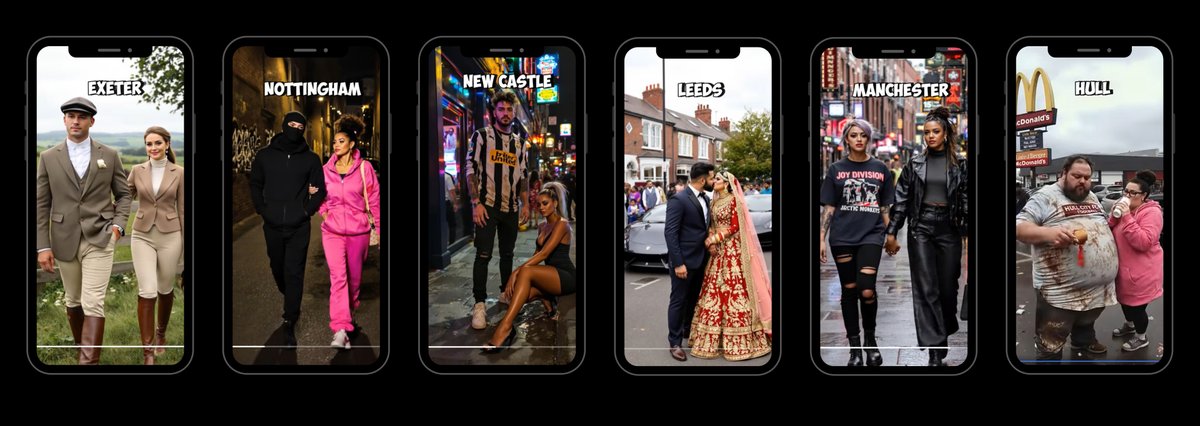
Egg monsters. Multiplying kittens. Too many fingers. AI-generated content was surreal & instantly recognisable as artificial.
It's moved on.
Now it's creating caricatures of Britain: our towns, our politics, our divisions.
This is AI Britain: https://t.co/jEXIXaqnUO
Since we published this piece of work Roblox has announced a series of updates designed to better protect children. But do they work? We returned to the platform to find out: https://t.co/U4ub4tcadP
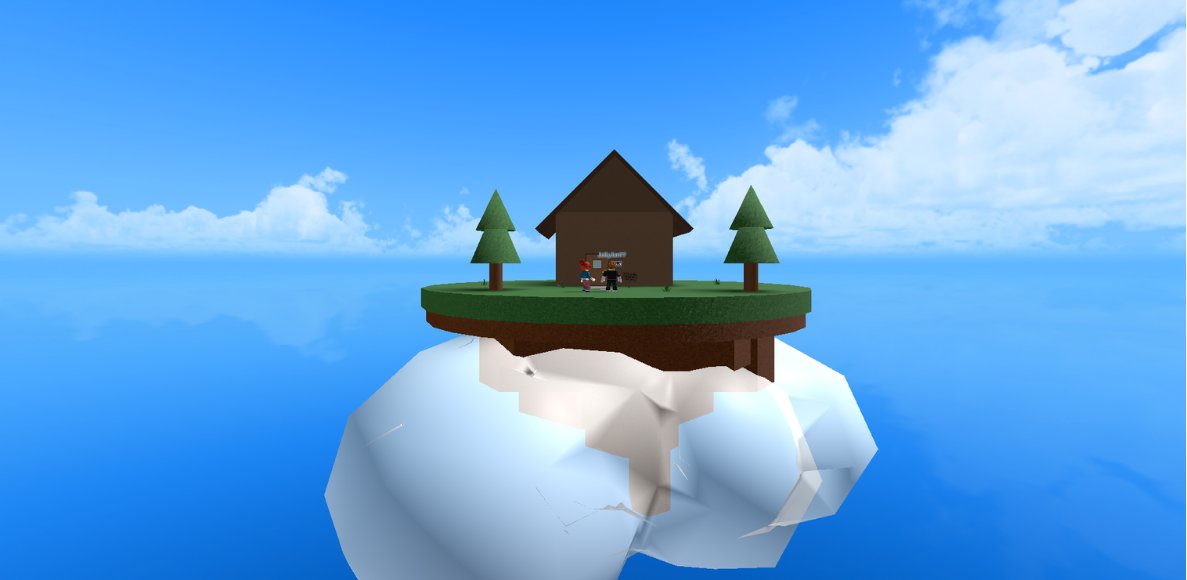
What happens when adults and children share a virtual playground? Our latest research explores the world of Roblox: we set up a 42-year-old male avatar, who observed interactions but didn't speak to any of the users. What we uncovered was troubling: https://t.co/NpQdhCkTbf
But our advice to parents is this: don’t rely on platform promises or research reports to decide if Roblox is right for your child. Create your own account; it only takes a few minutes. Spend time on there. Listen to the conversations. Then make your own informed decision.
4 months ago, our investigation into Roblox revealed adults & children mixing freely, with sexually explicit content easily accessible to young users. Roblox has since rolled out a number of updates. We’ve returned to the platform to explore the changes: https://t.co/U4ub4tcI3n
We welcome the progress – Roblox appears to have made genuine improvements in blocking the most inappropriate content from young users. However, the core issue remains: adults and children can still interact without meaningful separation.
In our study for @MHRAgovuk on the perceptions of the associated risks of breast implant surgery, participants often saw surgery as transformative or an essential part of a recovery. But how does this impact their ability to appreciate the risks? https://t.co/jf0qCg6mmG
How do Family Visa financial requirements impact families wanting to live together in the UK?
Our research for the Migration Advisory Committee (MAC) explores this question in-depth, mapping the experiences and attitudes of both successful and unsuccessful Family Visa applicants.
https://t.co/08PZ3Ty9I6
Children’s Data Lives, commissioned by @ICOnews, is now in its second year. It tracks a cohort of children to uncover how their experiences are shaped by data-driven digital design and what this means for their evolving relationship with data: https://t.co/6WF9GPaimF
"I could be going out with my friends but I'm stuck in my room watching TikTok"
But what happens when children give up their smartphone? That's what 32 children did at Ecclesfield School. Follow the link below to watch our short film and find out more.
https://t.co/xAb8tx37IW
When Ecclesfield School approached us about their trial of 32 pupils giving up their smartphones entirely for 3-weeks, we jumped at the chance to visit and find out more - documenting the experiences of the children, parents and teachers involved on film: https://t.co/XpxZt3Nkgy
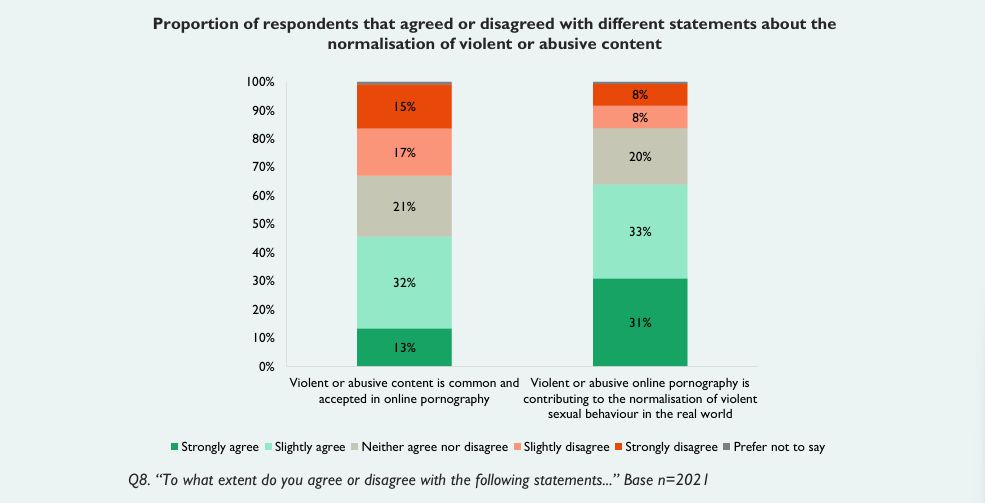
Do you think violent or abusive online pornography contributes to the normalisation of violent sexual behaviour in the real world?
64% of the 2000 pornography users we surveyed thought so.
Read more in our report for @BBFC: https://t.co/YybmTJYSKm