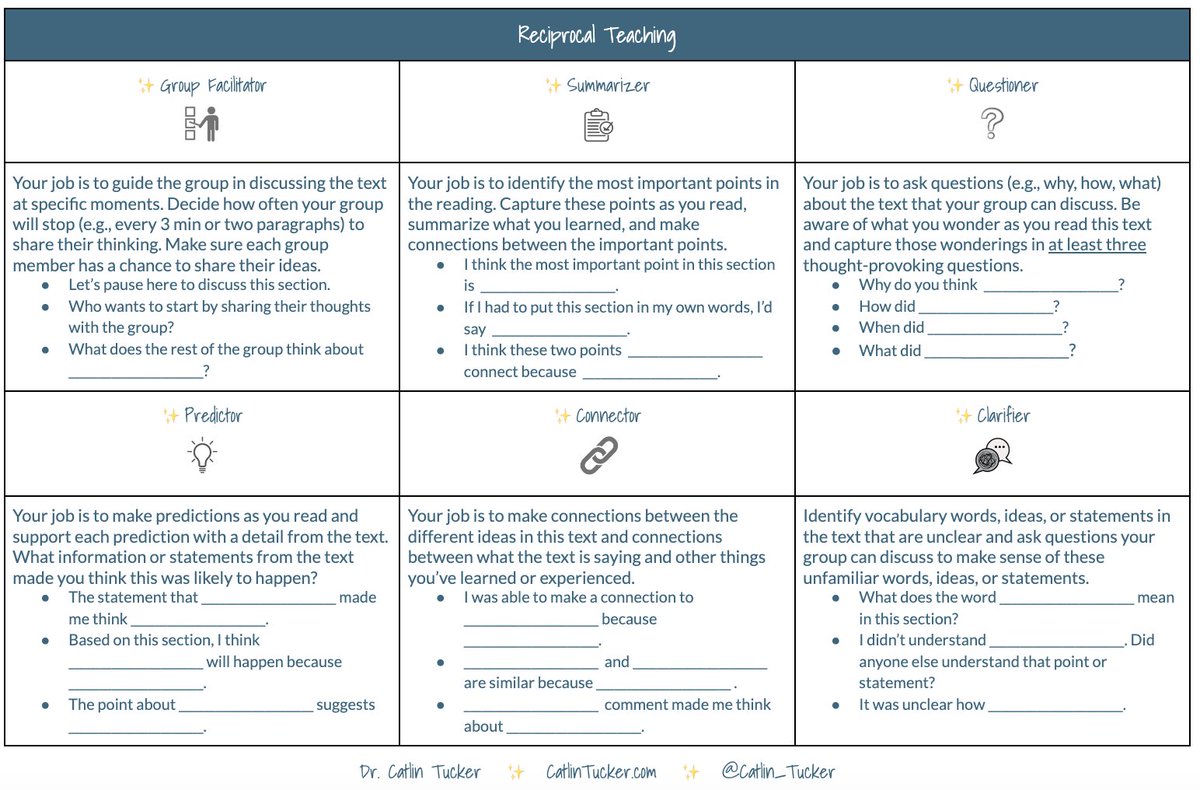
✨Want to create meaningful collaboration in the classroom?
Copy and use my FREE TEMPLATE, 𝗥𝗲𝗰𝗶𝗽𝗿𝗼𝗰𝗮𝗹 𝗧𝗲𝗮𝗰𝗵𝗶𝗻𝗴 𝘄𝗶𝘁𝗵 𝟲 𝗥𝗼𝗹𝗲𝘀 ➡️ https://t.co/dEF4jaY46p
#EDChat#UKEDChat#EDChatEU#AussieED
Get a head start this school year! 📚
The Back to School Toolkit is full of teacher tips, planning templates, activity cards, and engaging student learning resources to help you practice your Canva skills and inspire your classroom.
Start exploring 👉 https://t.co/6ZH6HB0hlm
Mikey was a student who exhibited some of the most extreme behaviors for a young student. He had already received three superintendent level suspensions before he completed third grade. Mikey had more days out of school than in school. The behaviors included many physical altercations with students and staff, destruction of school property, consistent and significant disruption of the classroom (and school), and eloping from campus.
As principal, I really should have been listed as the teacher of record for Mikey, since he was in my office every day for several hours. Mikey was off-task pretty close to 100% of the time. Nothing in my toolbox worked well to reduce the negative behaviors.
A colleague suggested that we give him a “special job” in the building with more responsibility than his behaviors had warranted. At first I thought this was a very bad idea. But what choice did I have? Nothing else had worked. Worst case scenario, this too wouldn’t work and I would be in no worse place than where I had started. I asked for his recommendation. He suggested that we put him in charge of announcing the buses at arrival and dismissal. I told him that this sounded like a really bad idea. The thought of giving Mikey a walkie-talkie seemed to be a recipe for disaster. Mikey used words that even made me blush. Each classroom had a walkie in it too. I could just picture the damage control that I would have to do after Mikey used a four-letter word for the whole world to hear. My colleague reminded me about what I had to lose and the fact that nothing else had worked.
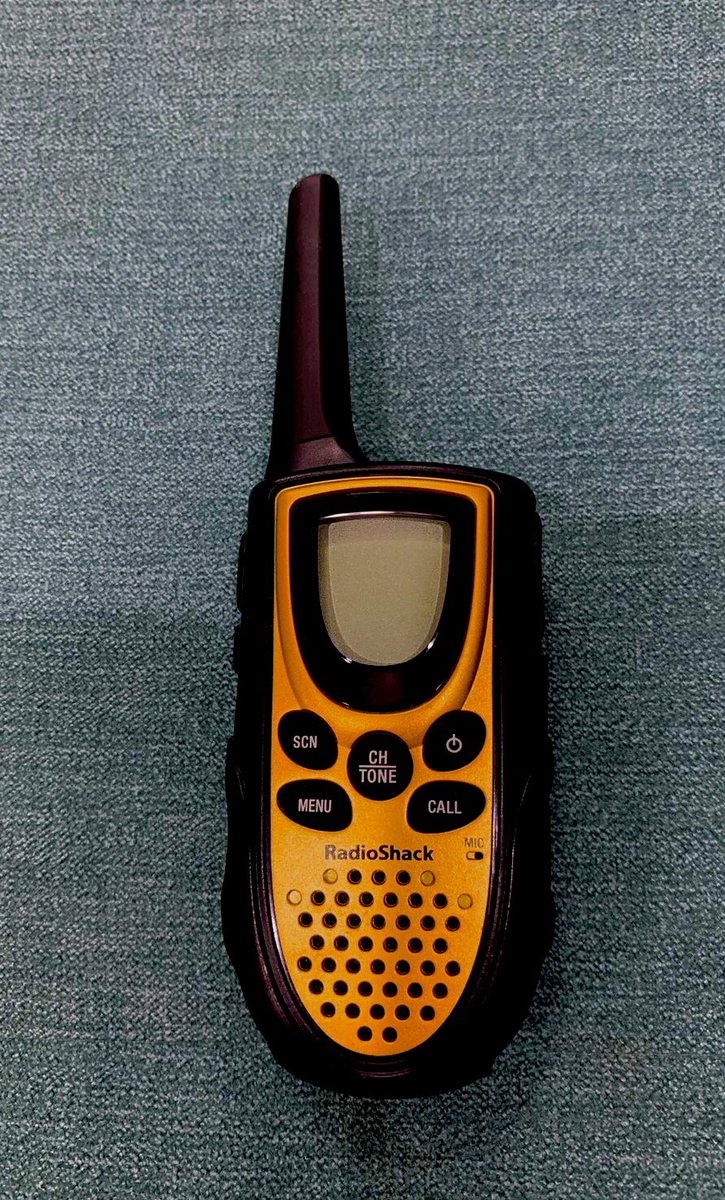
I went digging in our school’s basement and found an old bright orange crossing guard vest (circa 1985), a really beat up “Lil Captain” badge, and a Radio Shack walkie-talkie. On Friday afternoon, I called Mikey down to my office. I asked if he would be interested in a job at school. He asked for some information about the job. I told him that we really needed help with buses arriving and leaving each day since Dr. P was really bad at it. Mikey agreed that Dr. P was really bad at it and he said that he would like that job. I gave him his uniform and asked that he report on Monday morning.
Very early on Monday morning, I heard a mini-van door slam closed. I looked out the window and recognized the mini-van and the student walking up our sidewalk. Mikey walked straight into my office with a dry cleaning bag over his shoulder. He sat the bag down and pulled out a perfectly cleaned and ironed crossing guard vest with a very shiny badge on it. Mikey put these items on and saluted me. He said, “Captain Mikey reporting for duty sir”. He then took out the walkie-talkie. It had a “Captain Mikey” label on it (his mom must have used a home labeling machine to make this for him). I looked carefully at him and realized that he was completely serious, completely excited about his new job, and had a big smile across his face (I had never seen him smile before).
Mikey was very successful with calling buses as they arrived. In addition, our dismissal process ran like clockwork with Captain Mikey on the job. I have to admit that he was much better at this job than I was. Captain Mikey expanded his job description to help younger kids as they crossed in front of the buses. He even became the king of giving fellow students high fives and morning greetings. Mikey’s behaviors reduced by at least 95% almost immediately.
Even students with the most challenging behaviors have the potential for turning it around. Mikey rose to the occasion, felt needed, experienced success for perhaps the first time, and his behaviors improved significantly.
Thank you for doing whatever it takes to help students to succeed in school and life!
Join the “Maslow Before Bloom” Facebook group: https://t.co/015cLKjJ1m
📚 Teachers: this is a friendly reminder that you 𝗱𝗼𝗻'𝘁 𝗻𝗲𝗲𝗱 𝘁𝗼 𝗯𝗲 𝗮𝗻 𝗲𝘅𝗽𝗲𝗿𝘁 on everything!
Let’s let tech do what it does best so you can do what you do best: being a human. 💛
#StudentLed#BlendedLearning#UDL#EDTech
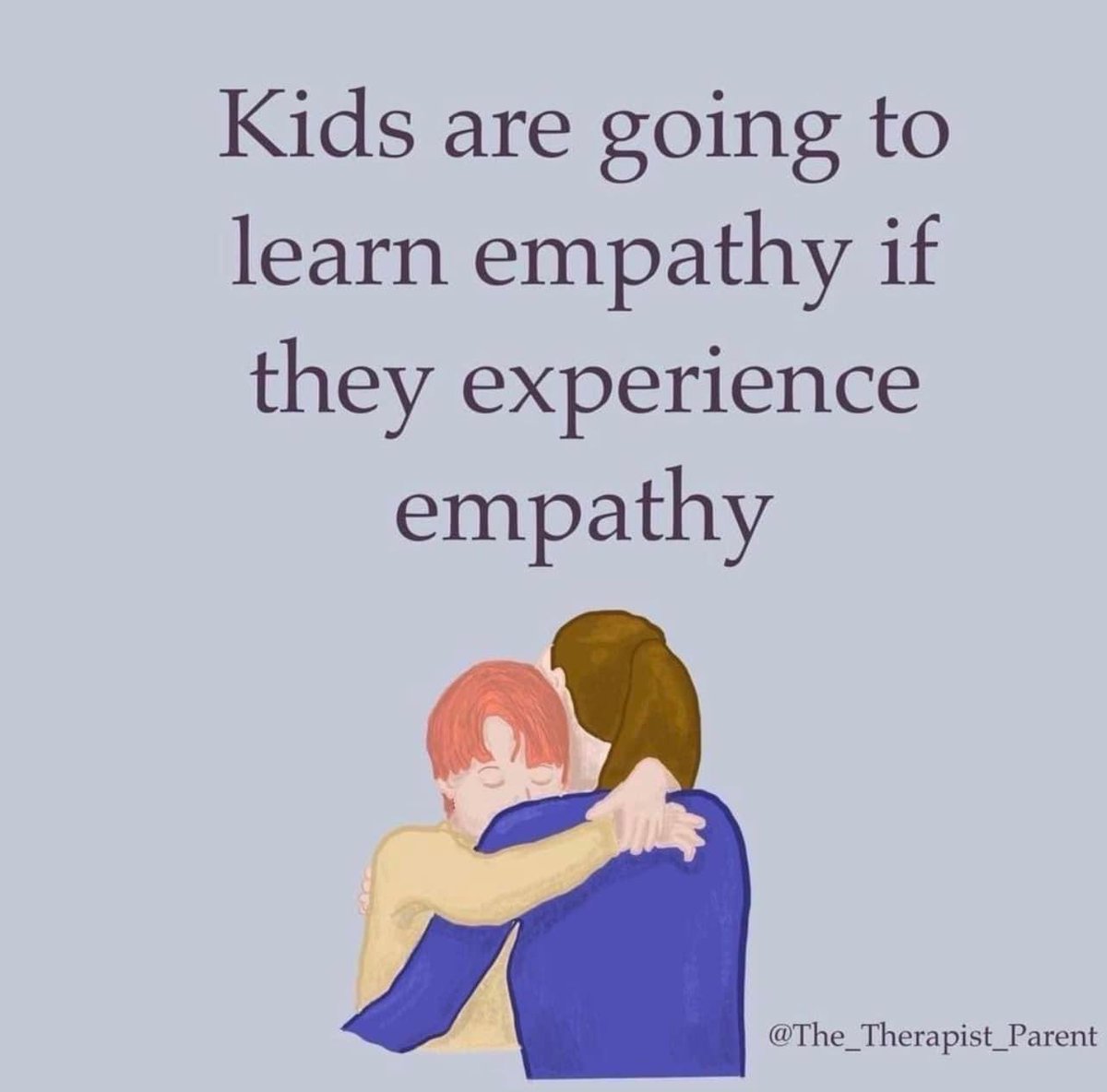
"MASLOW BEFORE BLOOM" simply means that basic human needs need to be addressed before learning can occur. If a student is hungry, tired, or scared—give them food, a nap, or a hug. It seems so simple. It is simple. It is also very effective.
#MaslowBeforeBloom
Help! I need photos of famous foursomes. I’m developing a grouping strategy to randomize groups of 4 during training and presentations. I'll share one to get us started. Thanks in advance! 🙏🏾💛
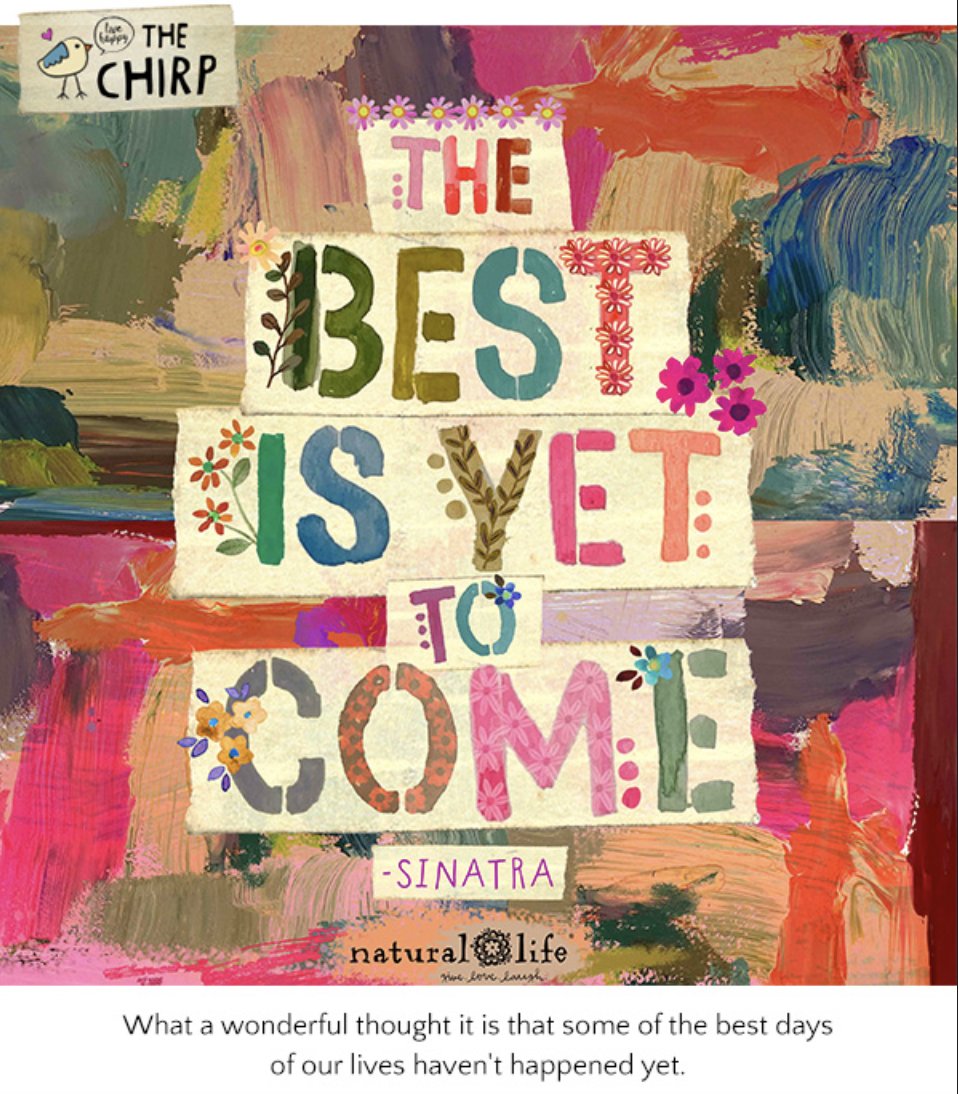
Imagine if each of us who reads this today makes this kind of effort!
The ripple effect could be hugely positive!
Let’s do it! 🥰
#FridayFeeling#KindnessMatters
💡Spotlight - Try DI: Planning & Preparing a Differentiated Instruction Program. This online course is designed to teach you about an instructional framework, Differentiated Instruction (DI). Learn more @ https://t.co/bpzhPIRhJK
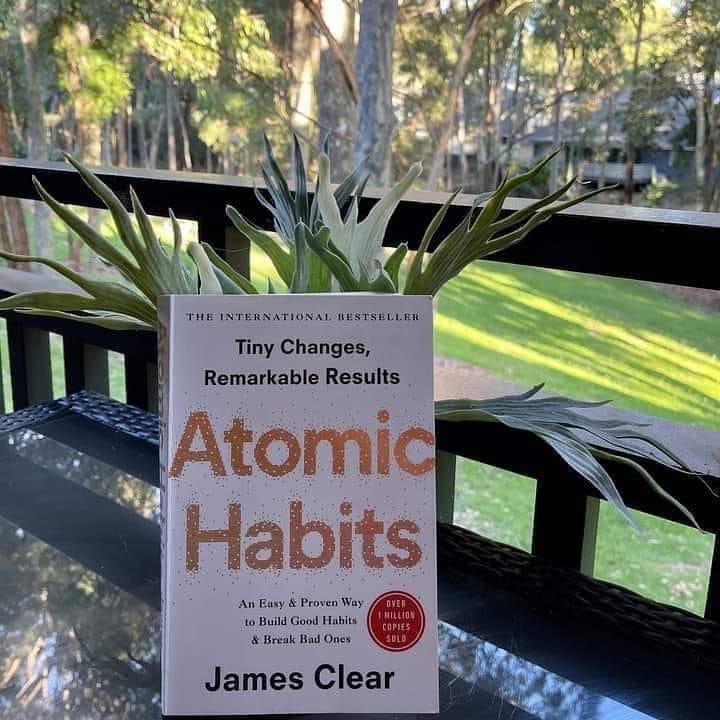
Top 10 Lessons from "Atomic Habits" by James Clear
1. What is a habit
A habit is a routine that is performed on a regular basis, generally unconsciously. Changes that appear minor and insignificant at first might accumulate over time and make a substantial difference.
2. How to create a good habit
When the habit levers are in the right place, creating healthy habits becomes effortless.
1. Cue – make it obvious
2. Craving – make it attractive
3. Response – make it easy
4. Reward – make it satisfying
3. Don´t focus on the result
Focus on trajectory over results. You get what you repeat – your life is an accumulation of your lagging habits. True behavior change requires a change of identity.
4. Sticking to your new habits
When starting a new habit, saying what you're going to do and when you're going to do it increases the likelihood that you'll do it. Another effective technique is habit stacking, by using existing habits to cue the formation of new habits.
5. Proximity
Motivation is overrated. The environment is far more important. Create a productive environment with visual cues to encourage healthy habits. Make every effort to design it in such a way that it avoids any negative temptations.
6. Importance of starting
If you want to master something, simply start. Repetition is better than a perfect plan. Quantity leads to quality. The right question is not “how long will it take to form a new habit?” but “how many will it take to form a new habit?”
7. Importance of starting
If you want to master something, simply start. Repetition is better than a perfect plan. Quantity leads to quality. The right question is not “how long will it take to form a new habit?” but “how many will it take to form a new habit?”
8. Accountability
Habit tracking, habit contracts, and accountability partners are wonderful ways to start positive habits or stop unhealthy ones. There a lot of apps that can help you with that as well but ideally, you write a journal using pen and paper.
9. Deal with boredom
One of the characteristics that distinguishes the greats is that they enjoy boredom. They are willing to persevere even when they are not in the mood or want to do something else. The greatest threat to success is boredom, not failure.
10. Personal strengths and interests
Make sure to take your interests and proclivities into account. What comes easy to you that is hard for others? Becoming successful is a lot easier when you´re doing something you like and enjoy.
@JamesClear #AtomicHabits