In 2013, one rtCamper contributed to WordPress 3.6.
In 2026, 63 rtCampers contributed to WordPress 7.1, making it our 36th consecutive release contributing to core.
Onwards and upwards 💪
https://t.co/JNgvgHXVpi
WordPress 7.2 Beta 1 is ready for testing. It will bring responsive design controls, Notes improvements, faster media uploads, and a new Secrets API. Use a test site, not a production site, and report any issues. https://t.co/0a1hYDoVTi
EasyEngine v4.13.3 is out. It moves sites on PHP 8.2–8.5 to patched images (8.2.35, 8.3.36, 8.4.27, 8.5.12) that fix two critical PHP vulnerabilities.
On CLI-managed servers, run: ee cli update
Disabled sites and PHP 8.1 or older need extra steps:
https://t.co/6J4fQafFR9
@imranhsayed from rtCamp is speaking at @WCGalicia 2026 🇪🇸
When: Oct 17, 5:30 PM CEST
Where: Salón de grados
Topic: The future of AI in WordPress: Orchestrating Interactivity API, Block Bindings and LLMs
See you there!
Some of our proudest work has been with Google.
Alberto Medina led that work on Google’s side. Here’s what years of building together across performance, privacy, and security actually looked like.
WordPress 7.2 is coming soon!
A few things on the roadmap worth watching:
▪️ Secrets API for storing credentials
▪️ Suggestion mode in Notes
▪️ Expanded styling tools and new blocks
Full roadmap below ⬇️
https://t.co/duZVOUz9ue
Seven brand websites. One shared foundation.
Justin Collins of @CoxAutomotive reflects on the work behind bringing a complex multi-brand digital ecosystem together with rtCamp.
Clients may never see about the infrastructure behind their websites. They will remember the moment something breaks.
That's the conversation our Accounts Director, Nick LaRose, will be part of at CloudFest Americas, alongside @carriesmaha, @vitopeleg, and @svilenapeneva, with David Snead moderating.
They'll discuss the infrastructure decisions agencies need to get right to protect client trust and the agency's own reputation.
What does the wrong CMS actually cost a high-volume publisher?
Nick LaRose shares why small edits shouldn't need a dev ticket and what it adds up to when they do.
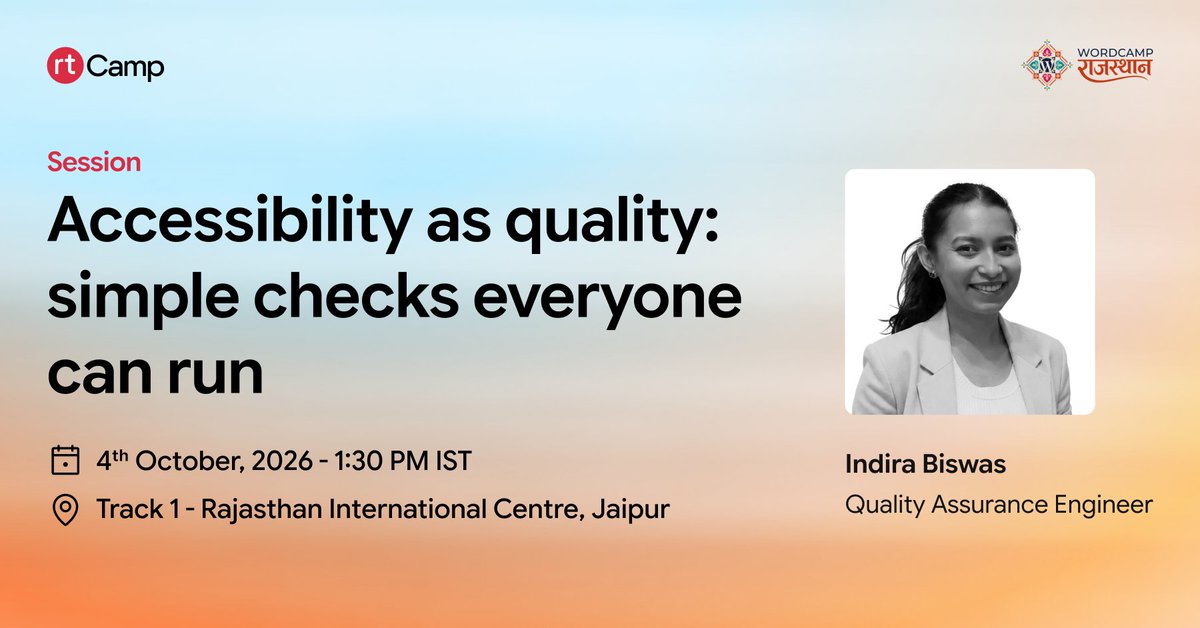
Most teams treat accessibility as something to fix after launch. It should be part of QA before the site ever goes live.
At @WPRajasthan 2026, our colleague, @indiranotfound, will be sharing a practical framework for catching common accessibility failures early and reporting them in a way developers actually fix.
If you’re attending, don’t miss it.
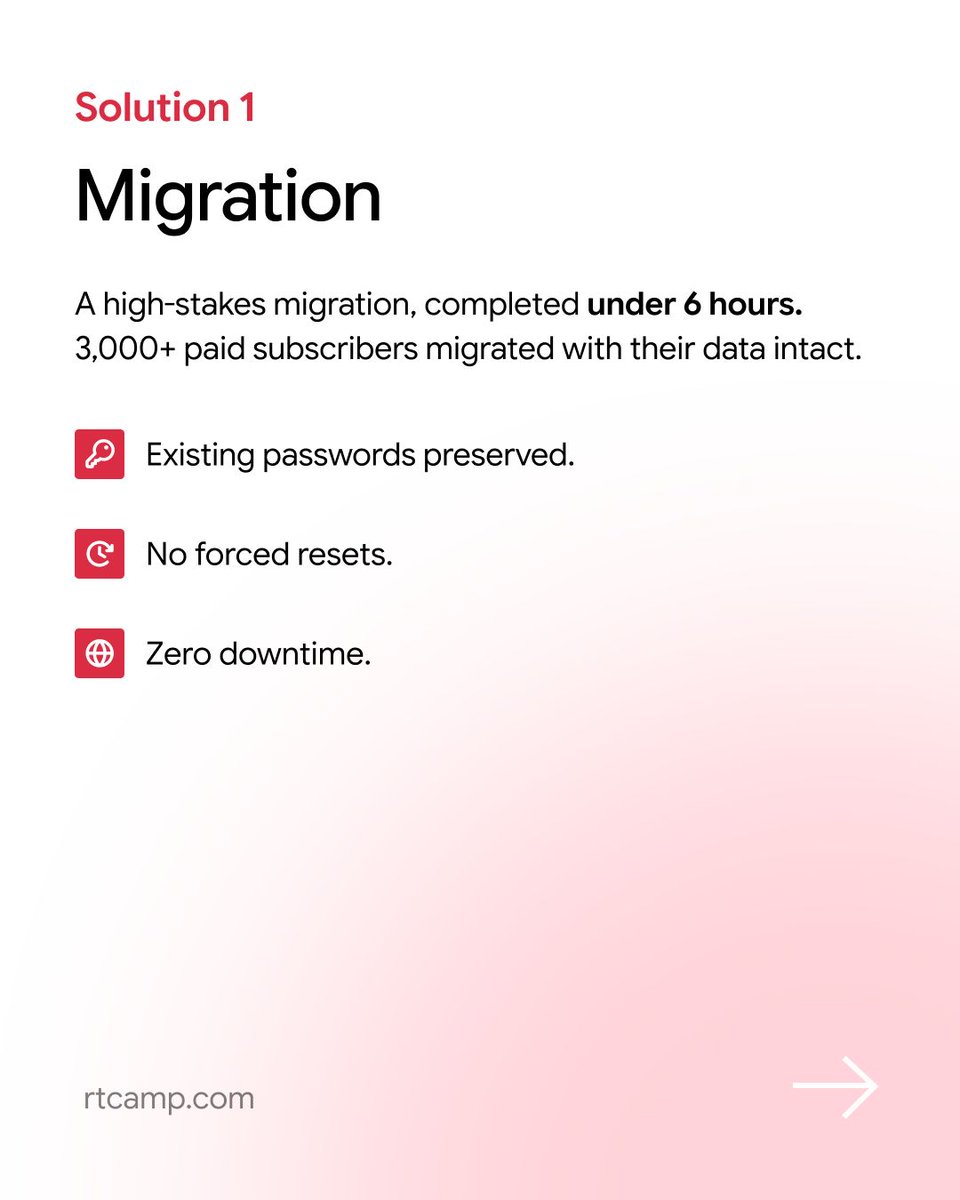
A high-stakes migration, completed under 6 hours 💪
- Existing passwords preserved
- No forced reset
- Zero downtime
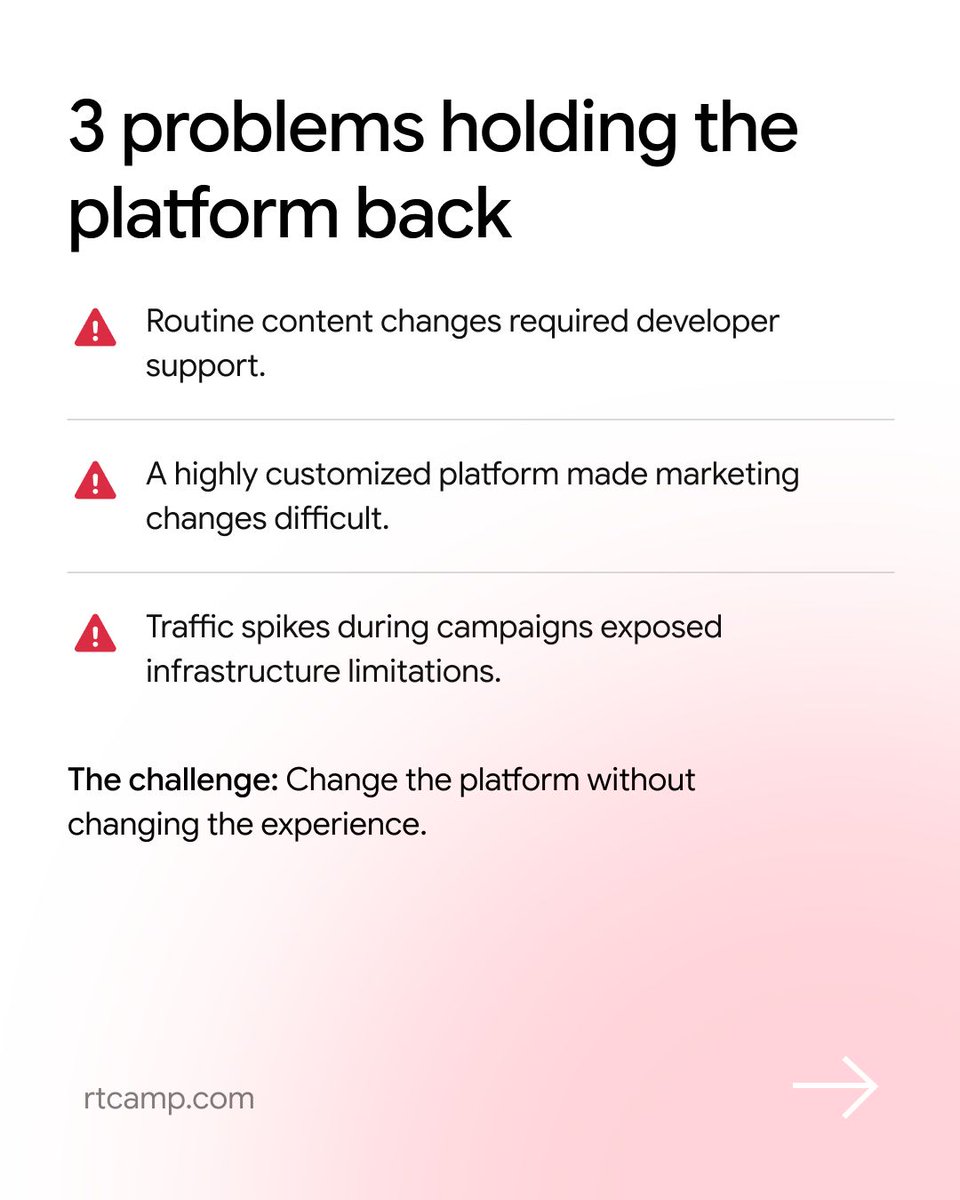
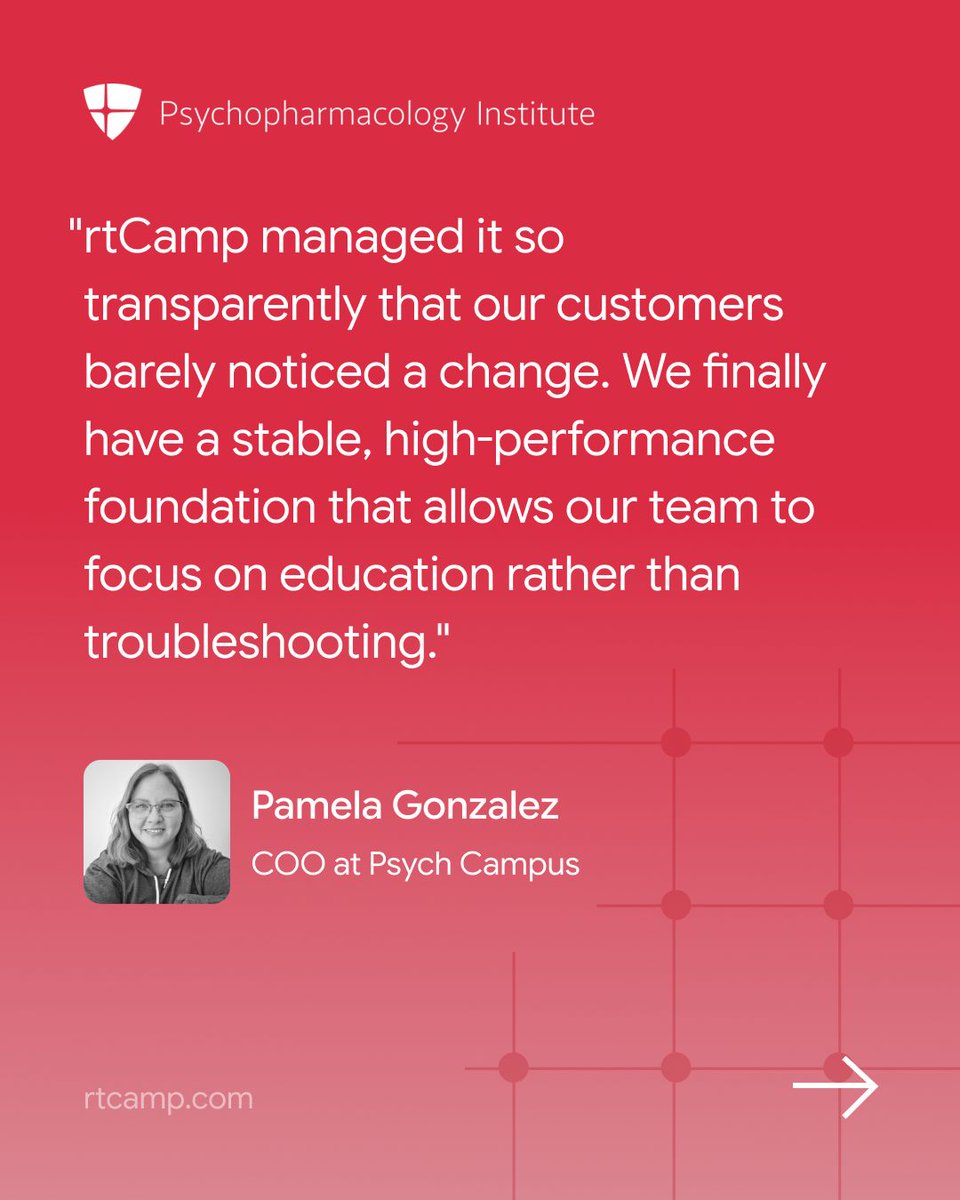
How @PsychopharmInst migrated from Django/React to @WordPress without a single subscriber noticing 🧵
@PsychopharmInst@WordPress 👉 3,000+ paid subscribers migrated with their data intact
👉 Unified into one WordPress-based ecosystem
👉 Reworked infrastructure to support high-volume newsletter traffic
📢 Our August roundup is live. Here’s what we covered:
🌍 We were at WordCamp US 2026 and Frappeverse Mumbai 2026
🏢 How Penske Media runs 25+ iconic brands on one frontend platform
🚀 WordPress 7.1 "Mary Lou" released with 63 rtCampers contributing
🎬 GoDAM 2.1 and 2.2 bring retention curves and doc previews
More from the world of WordPress, web, and enterprise platforms.
https://t.co/63Tf4OzOE5