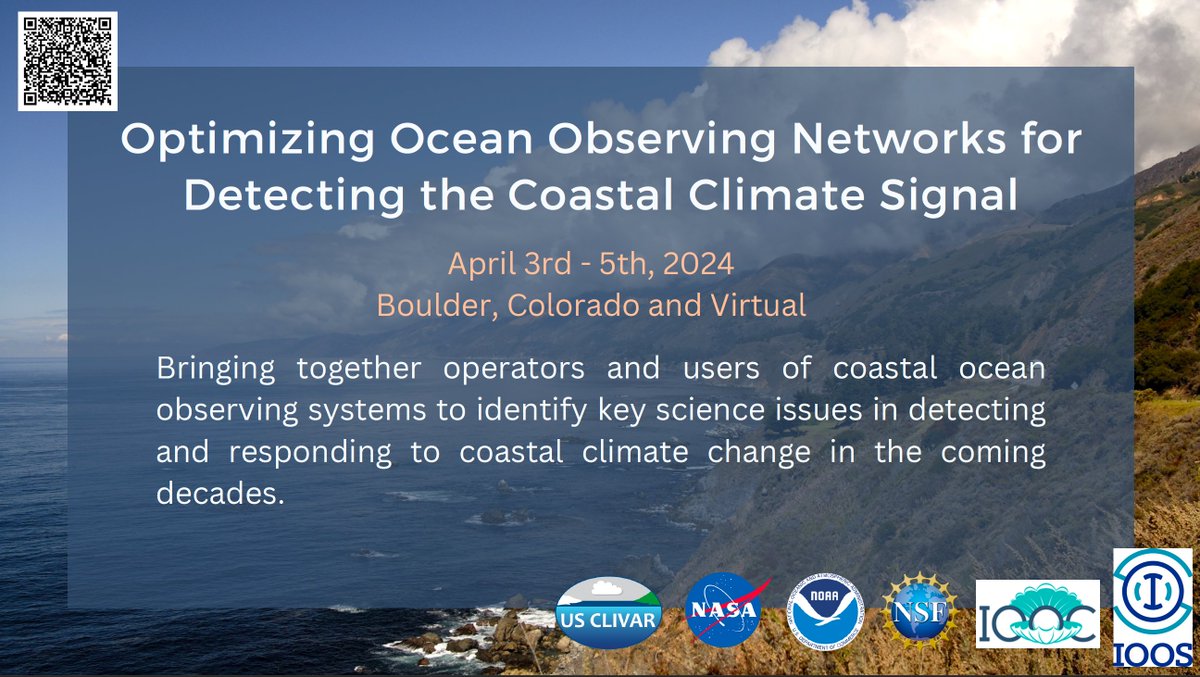
Last call for abstracts and travel assistance requests! Get them in by 31 May. Looking forward to an interesting workshop in September.
@USCLIVAR@usioosgov@NOAAResearch
Please join us in Boulder, CO this fall to plan the evolution of coastal ocean observing systems. Observers, modelers, users, and any other interested parties are encouraged to attend. Abstracts and requests for travel support due 31 May.
@USCLIVAR@NOAAClimate@usioosgov
@united: The experience for incoming international arrivals to Newark that must transfer from Terminal C to Terminal A is terrible. Why is there no direct transfer available? Please do better.
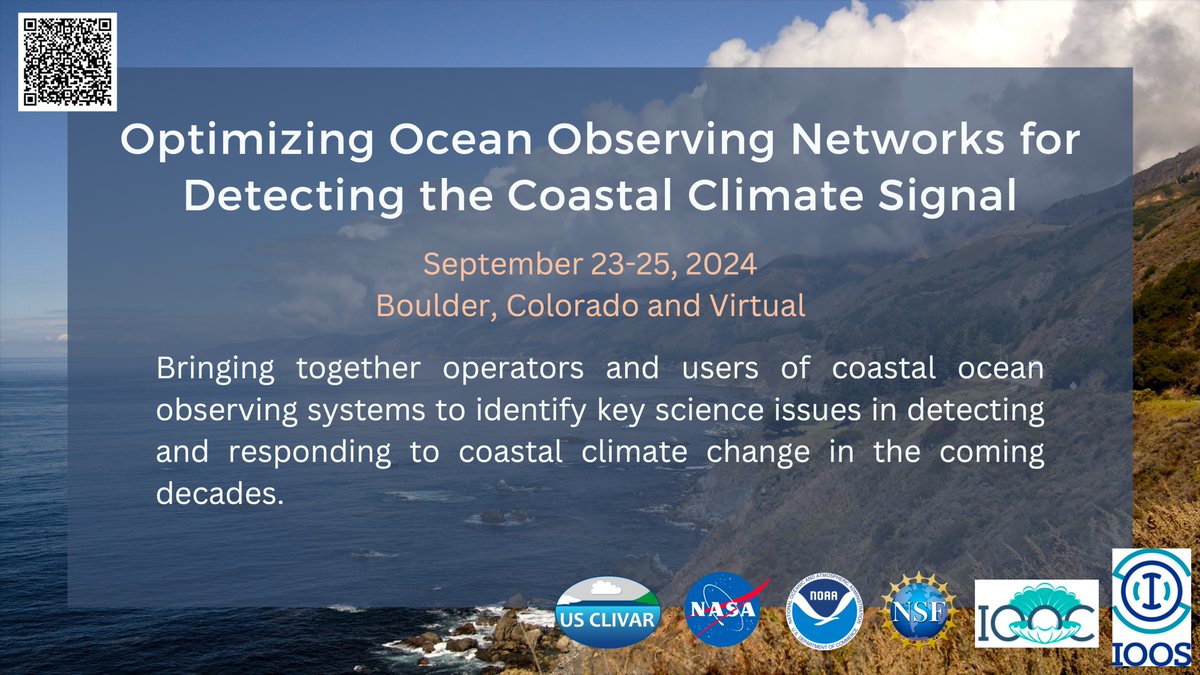
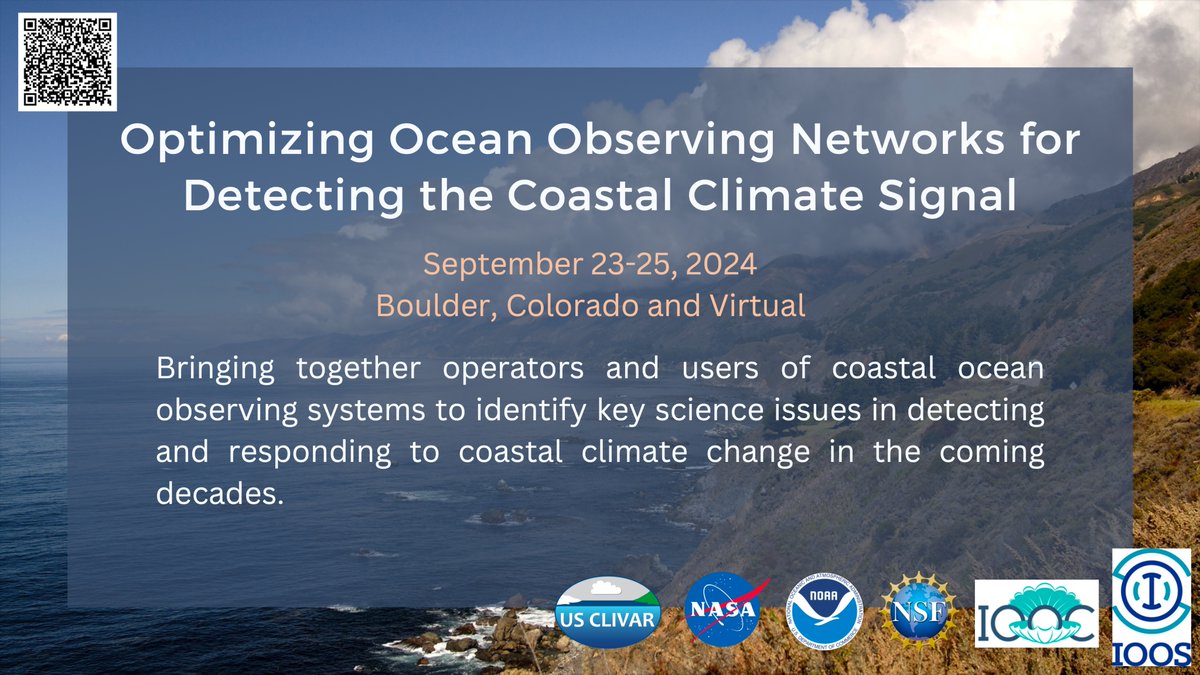
New dates! The @USCLIVAR workshop on 'Optimizing Ocean Observing Networks for Detecting the Coastal Climate Signal' will now take place 23-25 September 2024 in Boulder. Abstract submissions are open until 31 May at https://t.co/mJ7JliNM1m. Please share!
@NOAAClimate@usioosgov
‼️ Important update (post 1/2) -- The US CLIVAR Workshop on Optimizing Ocean Observing Networks for Detecting the Coastal Climate Signal is being rescheduled for Sep. 23-25, 2024 in Boulder, CO, and virtually.
https://t.co/x6c9IBpiAA
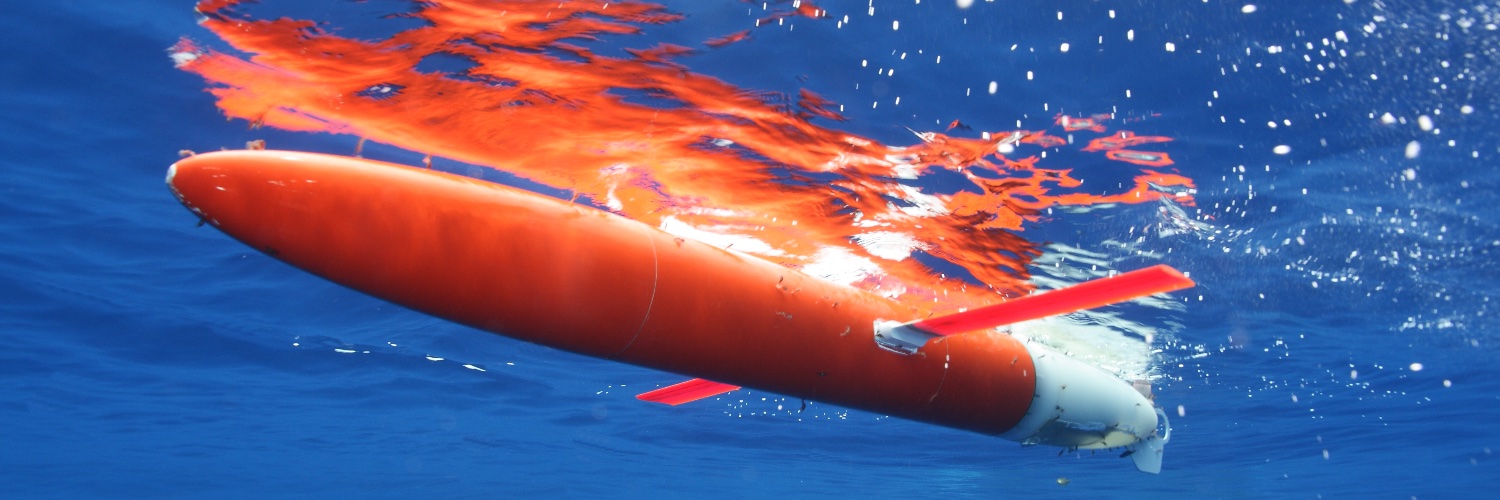
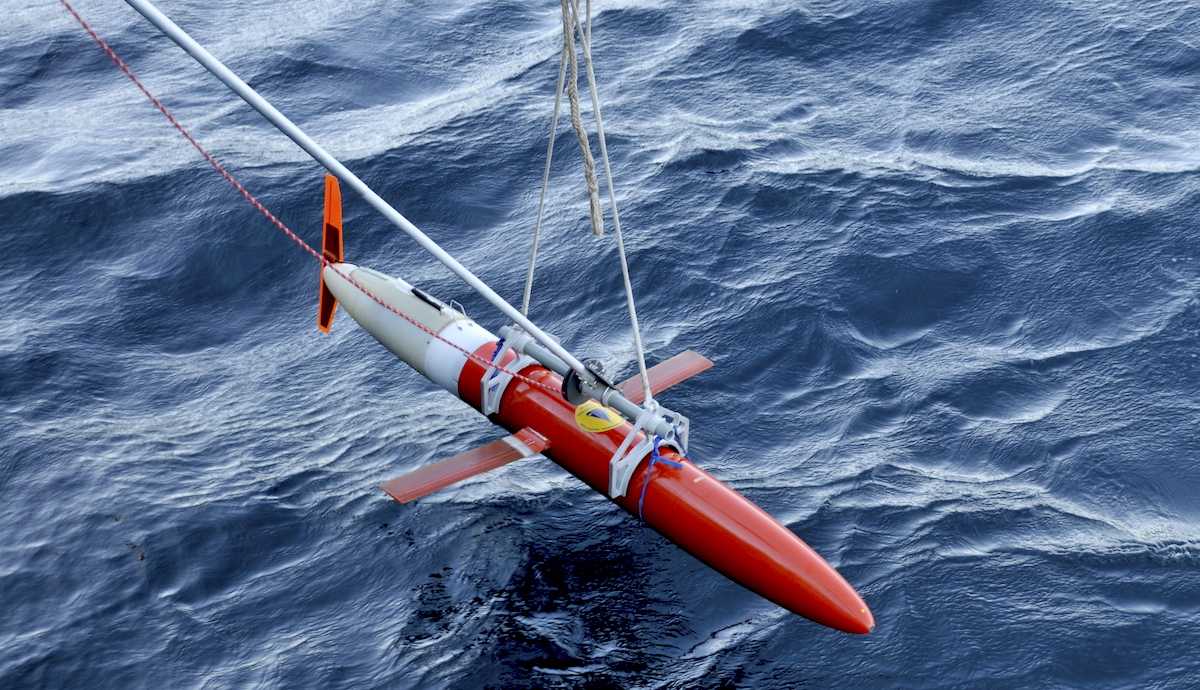
How do scientists 'predict' the complex natural climate phenomenon that is #ElNiño? ⛈️ Dan Rudnick—the director of the Instrument Development Group and a Scripps oceanographer—shares more about the Spray2 glider and how these gliders support ocean observations. ⬇️
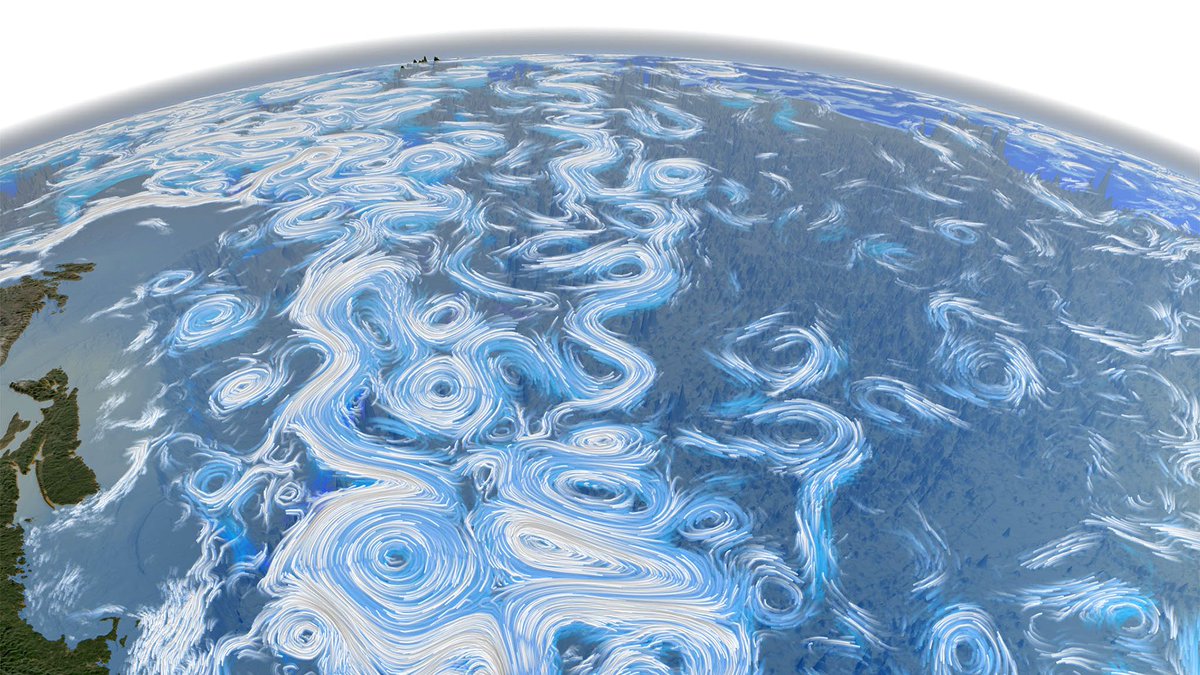
Recent studies about the potential collapse of the Atlantic Meridional Ocean Conveyer��� or #AMOC–have led to misleading news stories about the #GulfStream shutting down.
#WHOI's @RTodd_Ocean sets the record straight in this Ocean Fact-Checker: https://t.co/cNGdBswIPI
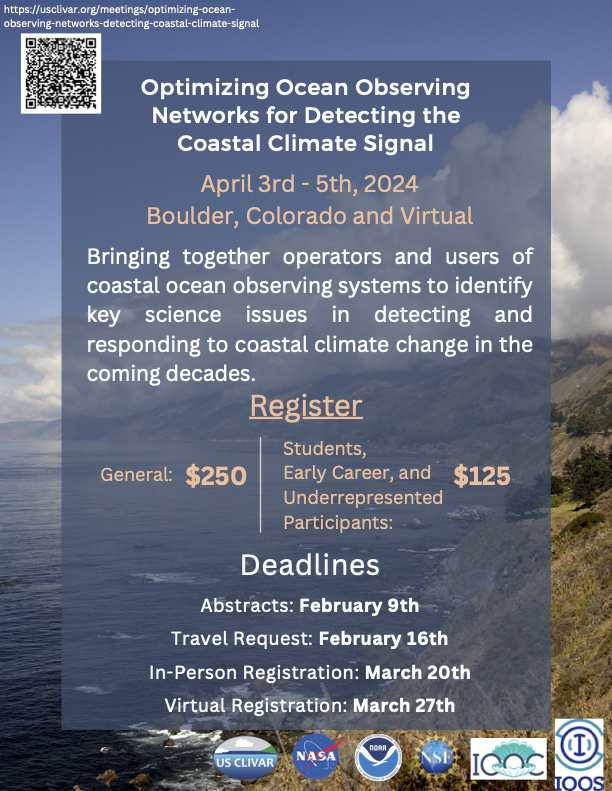
More details on our upcoming US CLIVAR workshop! Registration and abstract submissions are now open. https://t.co/mJ7JliNM1m
Please spread the word.
@USCLIVAR@NOAAResearch
🌊🛰️⛴️Abstract submission now open through Feb 9, 2024 for US CLIVAR Workshop for Optimizing Ocean Observing Networks for Detecting the Coastal Climate Signal https://t.co/ekWY7fit0T
@POGO_Ocean@RTodd_Ocean@USCLIVAR
Abstract submissions are open until 9 February for the US CLIVAR workshop on 'Optimizing Ocean Observing Networks for Detecting the Coastal Climate Signal'.
More info about the meeting here:
https://t.co/mJ7JliNM1m
Please share!
@USCLIVAR
Plane is overweight for takeoff, so we’re parked on the taxiway with throttles forward to burn off excess fuel. Really @united? Not exactly doing any favors for the planet.
Over the past two decades, the #GulfStream has warmed by 2℉ and shifted significantly toward the coast. So what does that mean for New Englanders? #WHOI's @RTodd_Ocean shares his insights with @PNS_News : https://t.co/jEZksQtmLY
How can we improve Coastal Observing Systems to better prepare for climate change at the coasts?
Come join the @USCLIVAR community, @RTodd_Ocean, and me next April, 2024 and help us design climate solutions 🌊💡
Had a chance to comment on the oceanography involved in this fun story of a message in a bottle:
'A treasure.' Message in a bottle from a Cape Cod boy gets a response ... 26 years later. https://t.co/SBNfhagxCd via @capecodtimes
Shutdown or slowdown? No, not the federal government - the #GulfStream!
News headlines suggest this crucial ocean current could shut down in a few years—but #WHOI oceanographer @RTodd_Ocean says it's more complicated than the headlines.
Get the facts: https://t.co/cNGdBswb0a
The #GulfStream will not ‘shut down’. Period.
It can and is changing as the climate warms, but it will always be a warm, fast, poleward flowing current along the East Coast of the US.
https://t.co/jnjihOVKG1
Thrilled to report that, as of today, our household has won the two-player edition of 'Academia--The Game'!
Two **tenured** positions in the **same department**!
Thanks to the many letter writers and ad hoc committee members for signing off on us over the last 10+ years!