Everything that you wanted to know about glycomics in clinical science: @PLinkLenczowski presents his first-hand experience about the evaluation of glycans in cancer, autoimmune disorders, inflammation, CDGs, and neurodegenerative diseases. Must-read!
https://t.co/8f7vjaNBO2
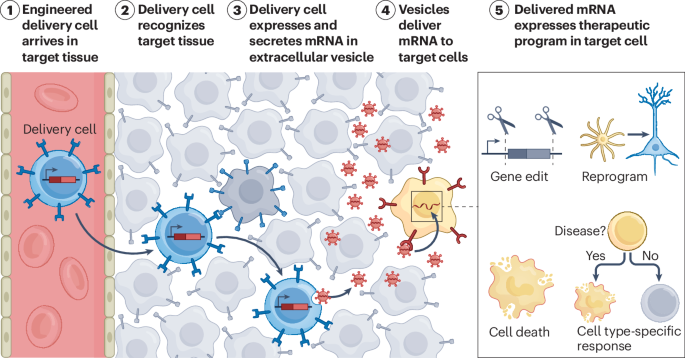
Engineered bacterial extracellular vesicles show promising anti-inflammatory and tissue-repairing effects in IBD. BEVs from L. plantarum may offer a new therapeutic path. - @UofMaryland https://t.co/3y7RtNwpLA
Final published version of my student's paper on glycan remodelling and glycan arrays in @jbiolchem
Generating and probing NeuAc, NeuGc, GlcA, SO4 and Fuc epitopes, partly in combination, on N-glycan, lacto-tetraose or ganglioside scaffolds.
#glycotime
https://t.co/4PHjkhGltu
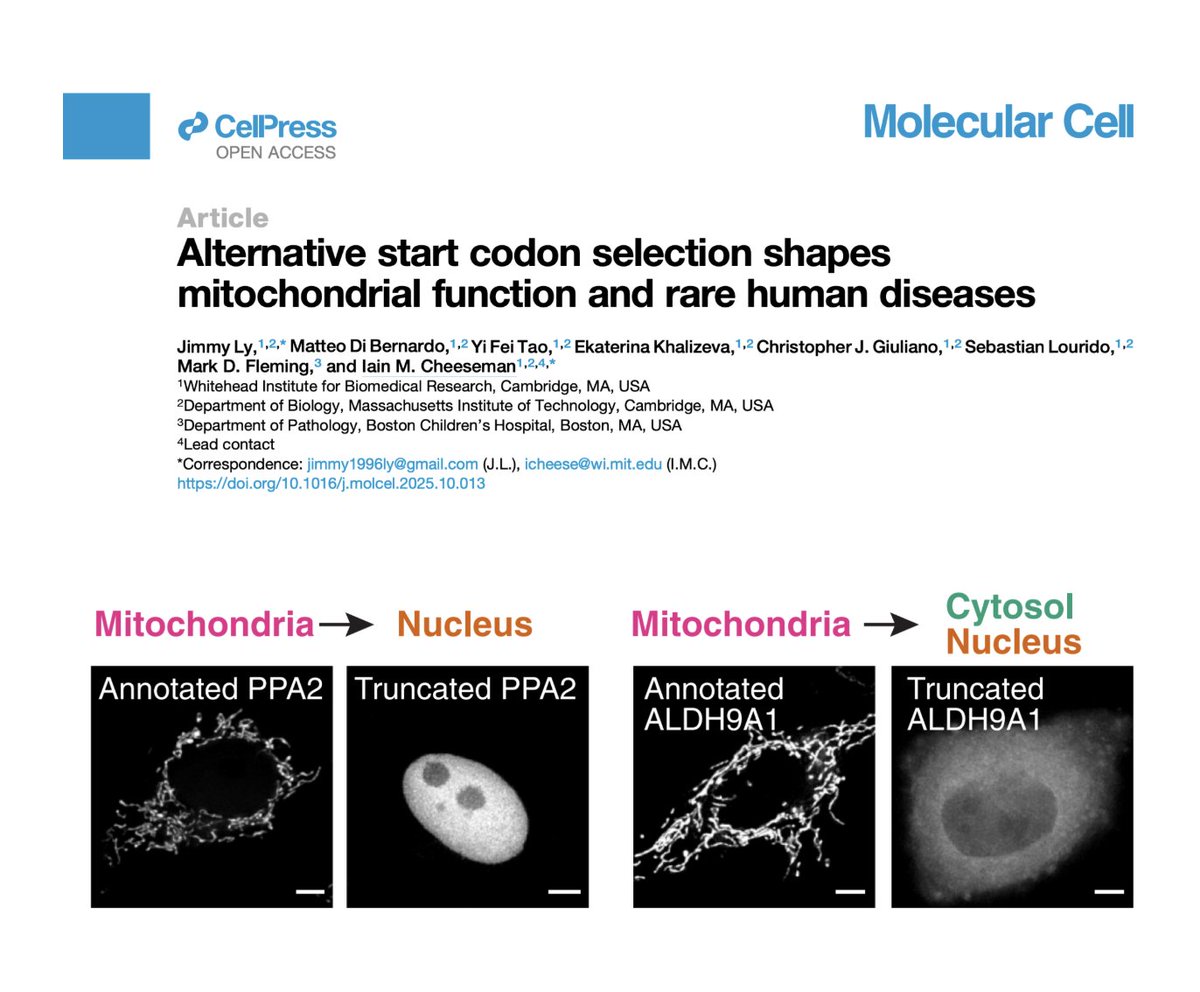
A beautiful demonstration of individual genes producing multiple proteoforms with different subcellular localizations.
Alternative translation initiation sites generate N-terminally truncated proteoforms that localize to different cellular compartments.
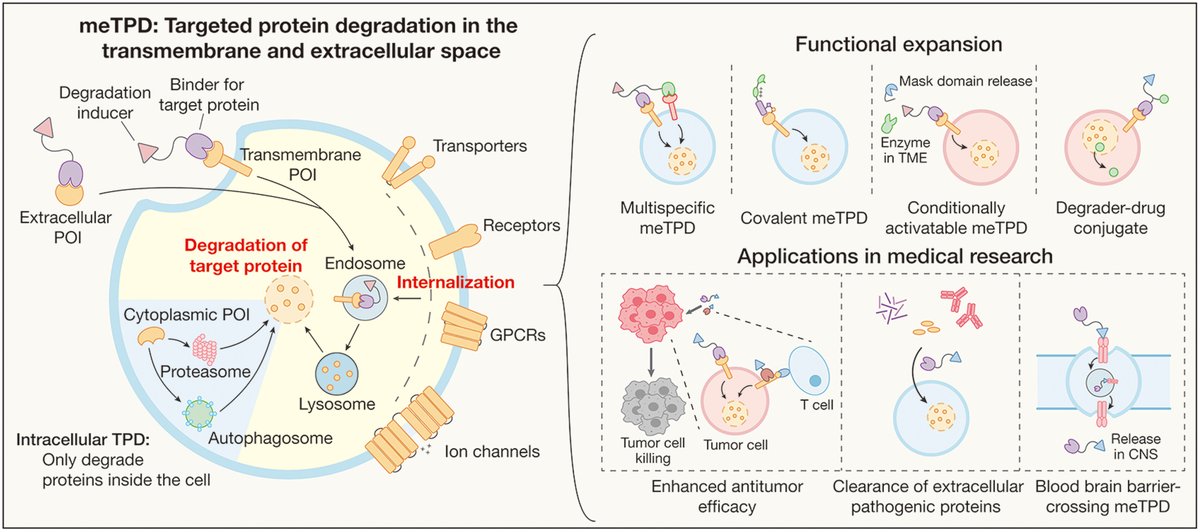
Targeted protein degradation is a therapeutic strategy that entails hijacking a cell’s natural pathways for marking proteins for elimination.
In a new #ScienceReview, researchers look at recent advances that expand the range or targets, drug modalities, and control mechanisms, enabling promising therapeutic applications. https://t.co/UGAxRvSW35
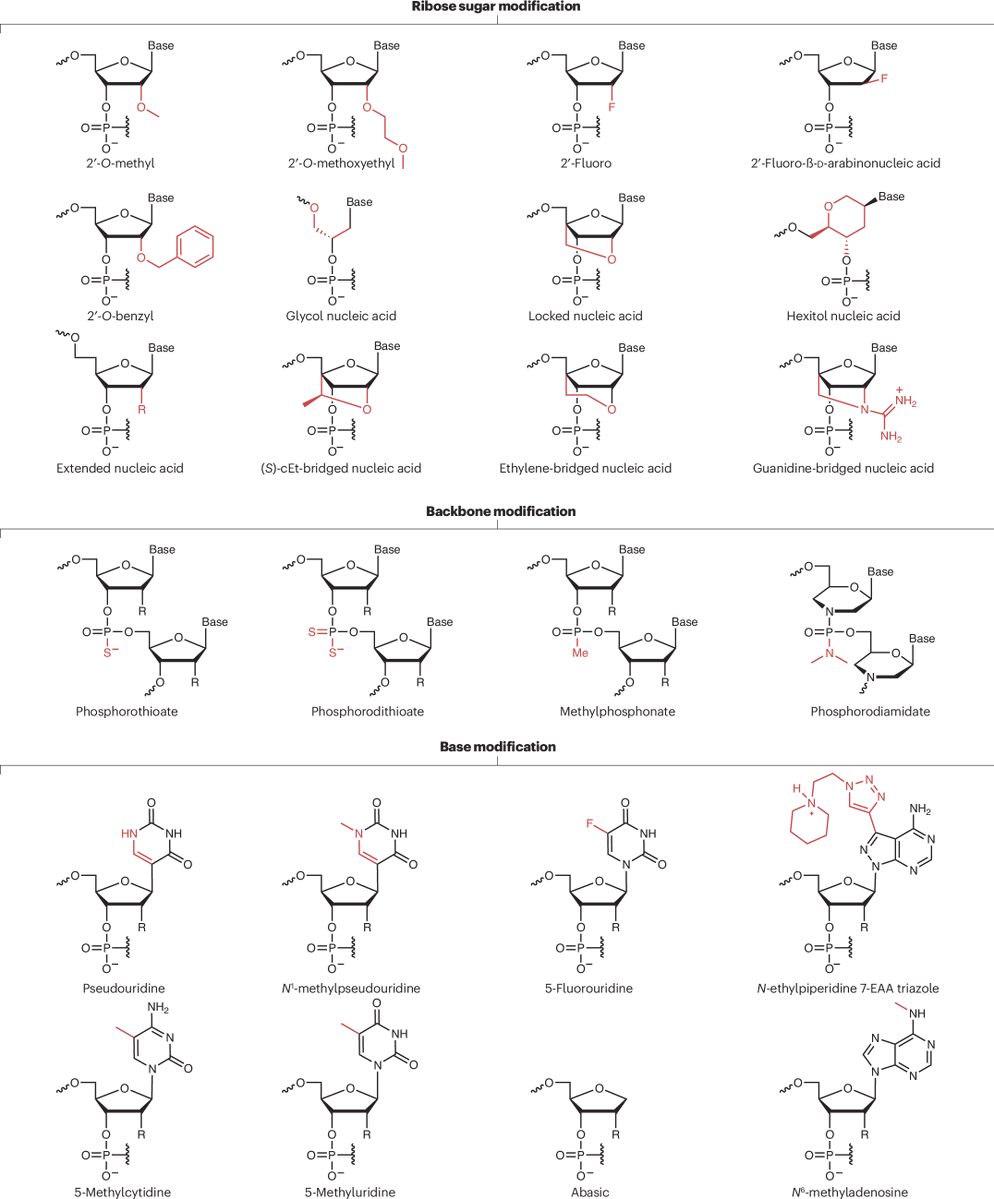
Chemical modifications can improve the stability, efficiency and specificity of RNA therapeutics, while reducing their immunogenicity - find out more in this review
https://t.co/sEugYpvX26
https://t.co/F8UxINqUMS
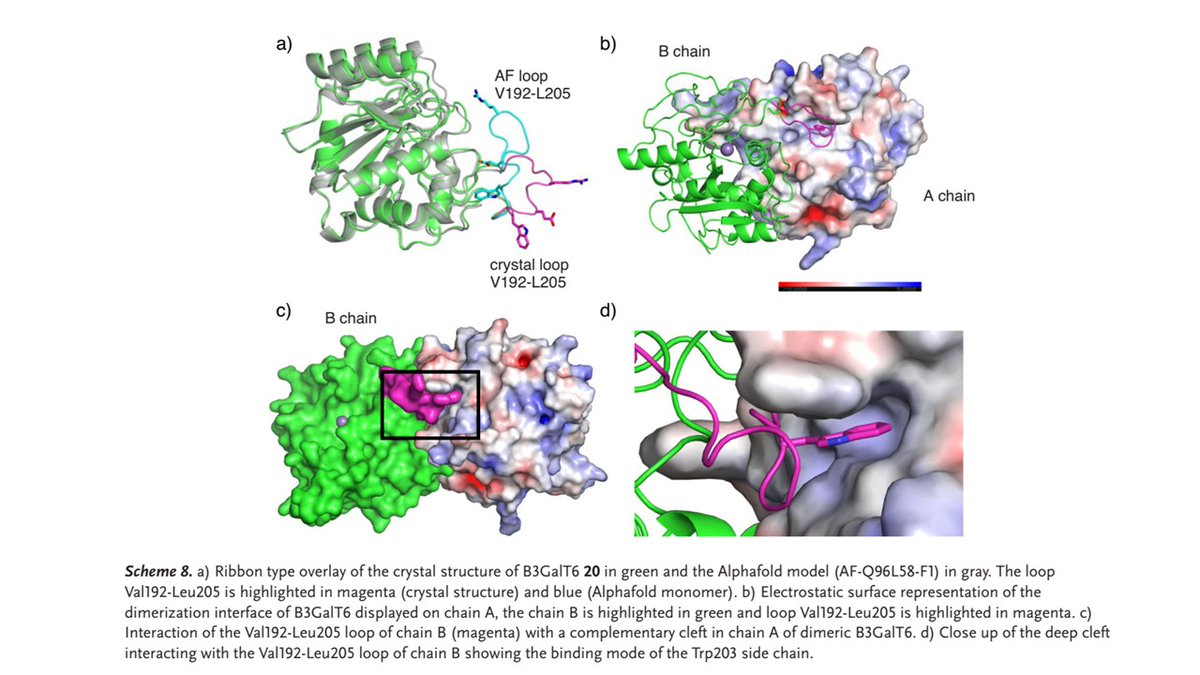
Proteoglycan linkage region glycosyltransferases B4GalT7, B3GalT6, B3GlcAT-1 are dimeric and show promiscuity towards complex type N-glycans. B3GalT6 is a covalent dimer linked by a disulfide in the center of the large dimerization domain. https://t.co/EHHOSW4L06
#glycotime
For readers interested in approaches to improve the preclinical assessment of immunogenicity risk of engineered antibodies and other protein therapeutics, here's a recent review https://t.co/dB3dgDLPx4
https://t.co/wQKwgAelmh
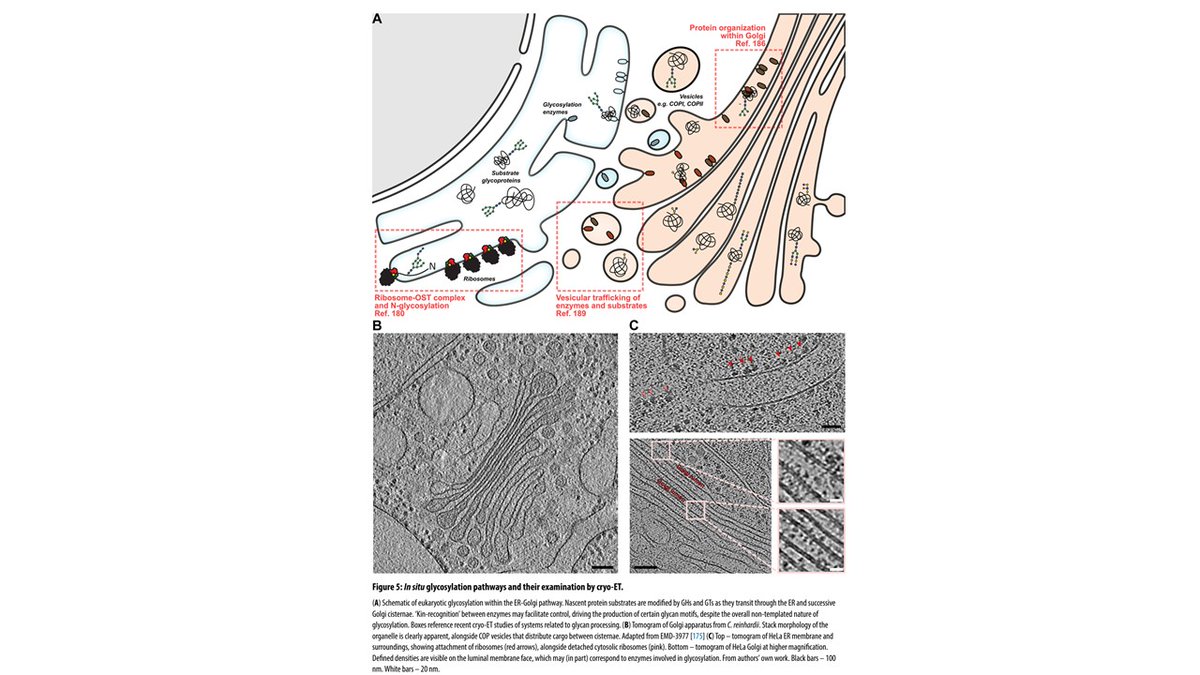
New review on structural glycobiology in glycosciences: "From enzymes to organelles". Carbohydrate processing enzymes, glycosylation networks in vitro, cryo-ET in direct visualisation of native biology.
https://t.co/IKnwazqj7K
#glycotime
Interesting piece about glycosylated RNAs (glycoRNAs): sialylated glycoRNAs are present in human cell lines, and sialylation of glycoRNAs depends on the catalytic isoforms of the oligosaccharyltransferase (OST) complex.
https://t.co/DKw2nNEUCW
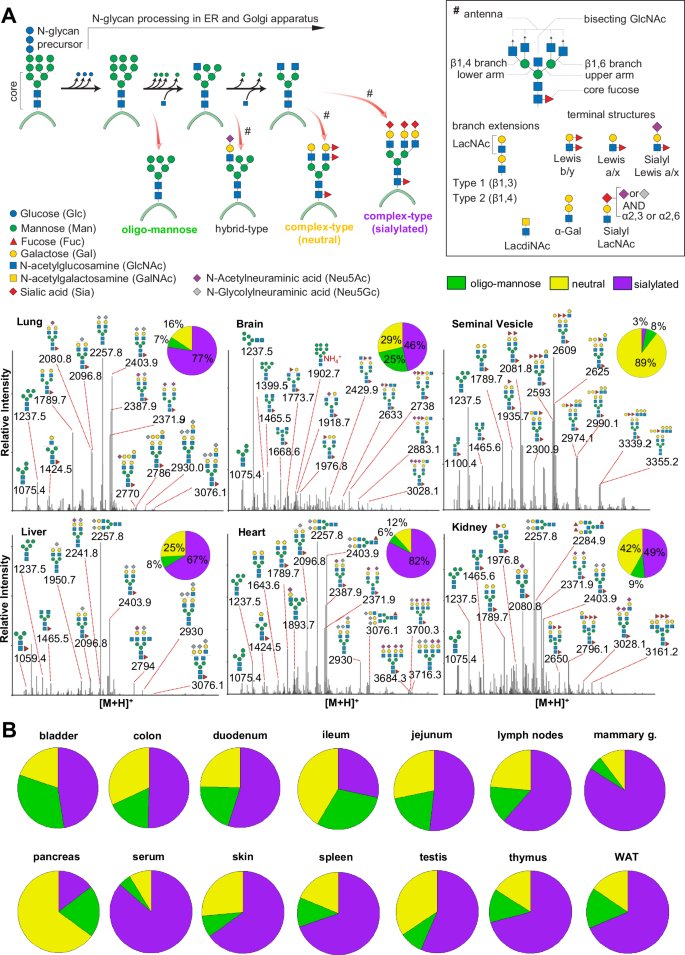
@SMereiter@penningerlab and colleagues introduce a scalable method to profile N-glycans across 20 mouse tissues, revealing tissue-specific glycosylation patterns and novel N-glycan structures #glycotime
https://t.co/Lgsl6I6TBc
Protein sequencing is key to understanding cellular signalling pathways and metabolic processes. In their Review, @cees_dekker et al discuss how nanopores enable single-molecule protein sequencing and the identification of post-translational modifications
https://t.co/4K22T2ktga
Now this is big! S. aureus vaccine exerts production of high levels of IL-10, resulting in the hyper-α2,3 sialylation of antibodies, which interfere with opsonophagocytic killing of S. aureus. Reviewed in https://t.co/YY1jAnXbsI, details in https://t.co/AaNJkuMwYC
#glycotime