This video of a #DDay Veteran honoring all the boys who never left the beaches of Normandy today, moved me to tears. This is what respect and courage looks like. 🇺🇸 We are all grateful sir.
In 2017, we visited the American Cemetery in Normandy, France. Never forget the sacrifice.
I learned that the French take the sand from Omaha Beach & scrub the letters of all 9,386 graves of soldiers who died then. This maintains the names on the crosses.
https://t.co/0zULlXeDuy
How can 90-year-old Dianne Feinstein continue to serve as a Senator when she relinquished power of attorney to her daughter?
That means she can still make decisions on how you and your family live... while admitting she can't make decisions for herself.
Now that the government has acknowledged aliens, I should probably have another sit down with Mum & Dad! #osbourneswanttobelieve streaming on @discoveryplus now! 👽
Each time this gets retweeted Country Music Television @CMT will know who’s side you’re on & it’s not there’s… woke commies🤬
#TryThatInASmallTown is every town #USA
I stand with @Jason_Aldean ❤️
Do you? Hit the retweet button 🥊
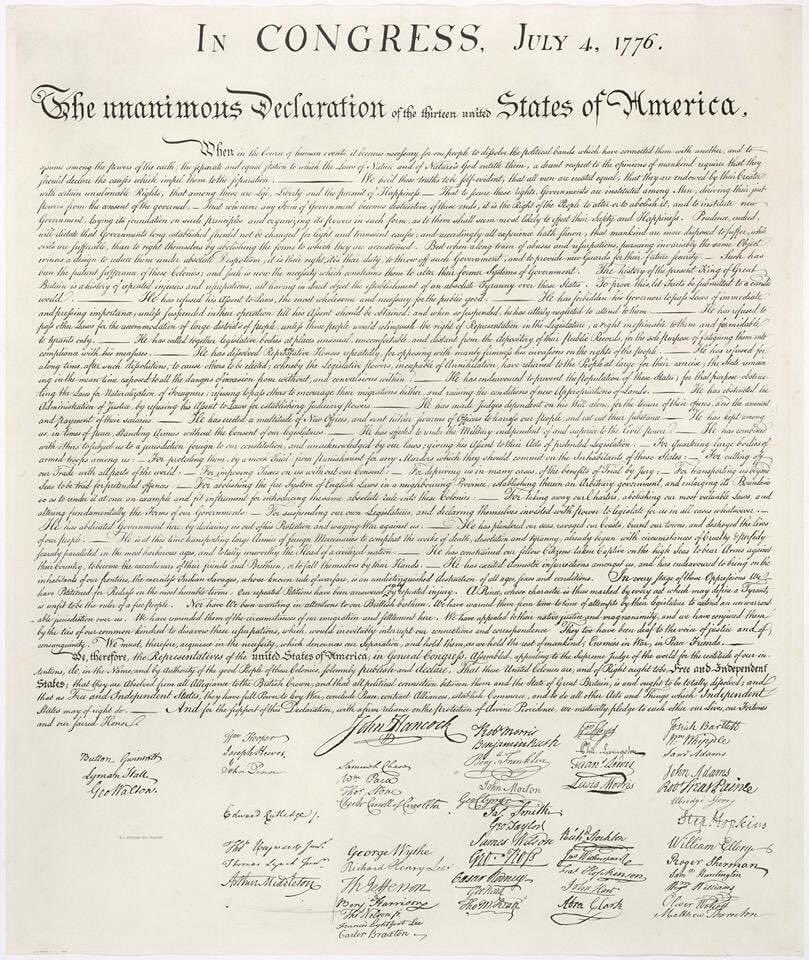
“Have you ever wondered what happened to the 56 men who signed the Declaration of Independence?
Five signers were captured by the British as traitors, and tortured before they died. Twelve had their homes ransacked and burned. Two lost their sons in the revolutionary army, another had two sons captured. Nine of the 56 fought and died from wounds or hardships of the revolutionary war.
They signed and they pledged their lives, their fortunes, and their sacred honor.
What kind of men were they? Twenty-four were lawyers and jurists. Eleven were merchants, nine were farmers and large plantation owners, men of means, well educated. But they signed the Declaration of Independence knowing full well that the penalty would be death if they were captured.
Carter Braxton of Virginia, a wealthy planter and trader, saw his ships swept from the seas by the British Navy. He sold his home and properties to pay his debts, and died in rags.
Thomas McKeam was so hounded by the British that he was forced to move his family almost constantly. He served in the Congress without pay, and his family was kept in hiding. His possessions were taken from him, and poverty was his reward.
Vandals or soldiers or both, looted the properties of Ellery, Clymer, Hall, Walton, Gwinnett, Heyward, Ruttledge, and Middleton.
At the battle of Yorktown, Thomas Nelson Jr., noted that the British General Cornwallis had taken over the Nelson home for his headquarters. The owner quietly urged General George Washington to open fire. The home was destroyed, and Nelson died bankrupt.
Francis Lewis had his home and properties destroyed. The enemy jailed his wife, and she died within a few months.
John Hart was driven from his wife’s bedside as she was dying. Their 13 children fled for their lives. His fields and his gristmill were laid to waste. For more than a year he lived in forests and caves, returning home to find his wife dead and his children vanished. A few weeks later he died from exhaustion and a broken heart. Norris and Livingston suffered similar fates.
Such were the stories and sacrifices of the American Revolution. These were not wild eyed, rabble-rousing ruffians. They were soft-spoken men of means and education. They had security, but they valued liberty more. Standing tall, straight, and unwavering, they pledged: ‘For the support of this declaration, with firm reliance on the protection of the divine providence, we mutually pledge to each other, our lives, our fortunes, and our sacred honor.’”
Michael W Smith