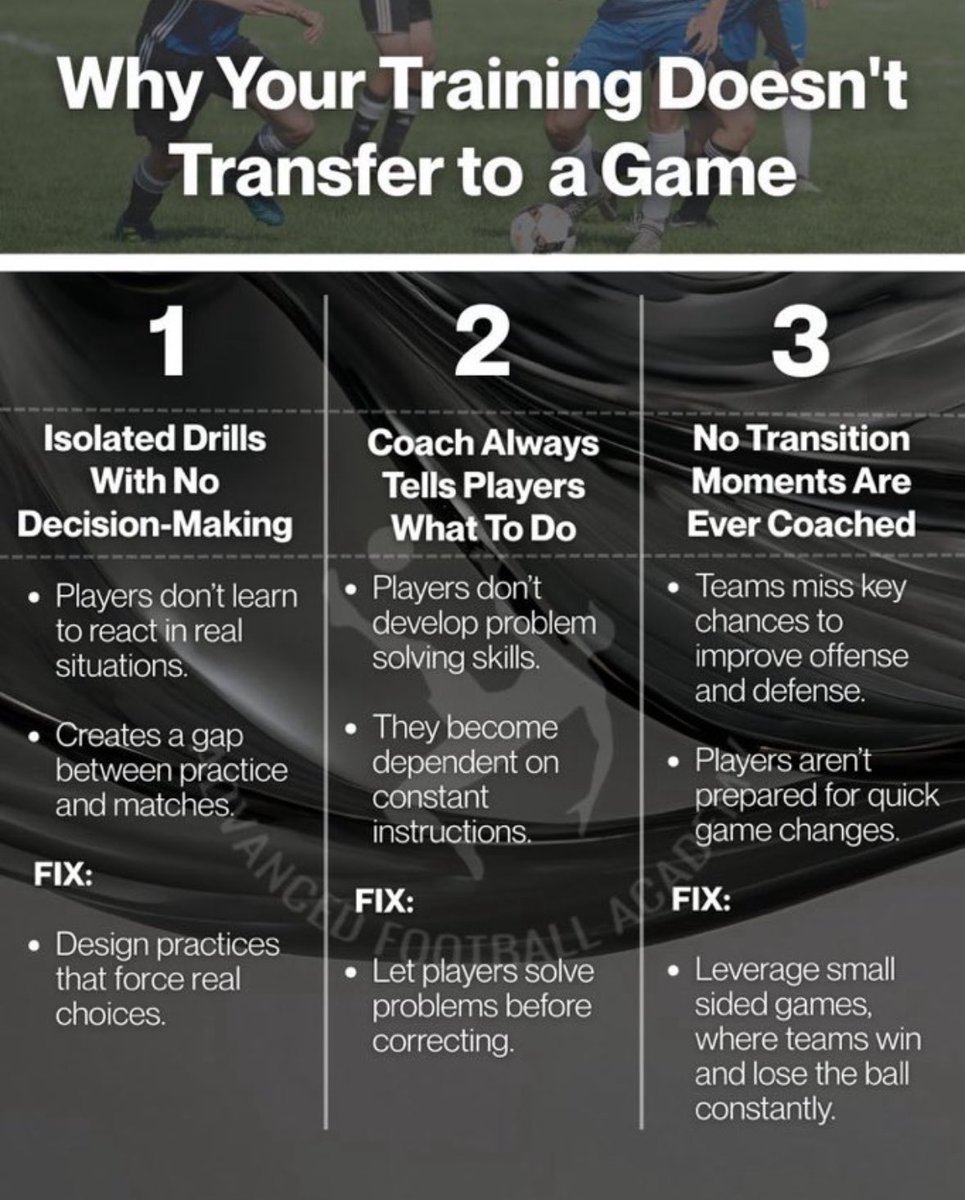
General thought…. Travel sports are so focused on games / tournaments… I know tons of people who are playing baseball every weekend. It’s crazy.
I wish coaches / programs would focus more on developmental training. I do think games are important but at what cost. Is my kid getting better practicing a few times a week and playing 6 games or is he getting better grinding with Great coaches who focus more on fundamentals and care less about tournaments.
It’s so competitive now so feel like there’s a rush to join teams , etc. I’m a just a big believer hard work wins and the cream eventually always rises to the top.
Soccer the same here ?
“The best way to teach kids passing and spatial awareness is through a ton of different small area games that are lopsided.”
Unreal conversation with former NHLer, now youth hockey coach, @davemoss25 on developing hockey sense!!
I LOVE this. We should be spreading stories of athlete empowerment, saving money, and strategizing for future success as opposed to focusing on conflicted and salty Nick Saban arguing for a salary cap without athletes having a seat at the table.
The most powerful meeting in college sports is happening today.
Tiger Woods. Nick Saban. Adam Silver. Condoleezza Rice. Billionaire investors. Power conference commissioners.
They will likely discuss an antitrust exemption to let the NCAA set its own rules without fear of lawsuits.
You know isn't invited? A single college athlete.
https://t.co/J1CWSWzxv5
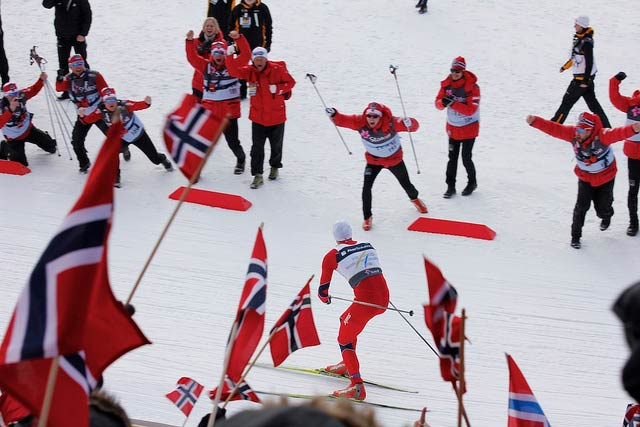
Norway consistently wins the most medals at the Winter Olympic Games, with a population of just 5.6 million people.
A big part of their success is how they treat youth sports—and it’s the opposite of what we do in the US. Here’s what we can learn from Norway:
1. Scorekeeping:
In the US: Youth sports tend to be hyper competitive even at early ages. Leagues almost always keep score.
In Norway: Scorekeeping isn’t even allowed until age 13.
Removing winners and losers keeps the focus on the process not outcomes. It keeps kids engaged longer because it minimizes pressure (and tears) and maximizes fun, learning, and growth. The goal isn’t to win a third grade championship. It’s to love sport and keep playing.
2. Trophies:
In the US: If you give everyone a trophy, you’re creating snowflakes who will never gain a competitive edge.
In Norway: Whenever trophies are awarded, they are handed out to everyone.
If getting a trophy makes young kids feel good, we should give them trophies. Maybe they’ll come back and play again next year!!
As for the creation of snowflakes with no competitive edge—Norway’s athletes are tough as nails and all they do is win.
3. Prioritizing Fun:
In the US: Far too often, the goal is to win.
In Norway: The national philosophy is “joy of sport.”
Youth sports in the US are driven by adults, ego, and money. Youth sports in Norway are driven by fun.
Only half of kids in the US participate in sports. The number one reason they drop out: because they aren’t having fun anymore. In Norway, 93% of kids participate in youth sports. Fun is the foremost goal.
4. Playing Multiple Sports:
In the US: There’s pressure to specialize early and play your best sport year round.
In Norway: Try as many sports as you can before specializing as late as college.
Norway encourages kids to try all types of sport. This reduces injury and burnout and increases all-around athleticism. It also helps promotes match quality, or finding the sport you are best suited for as your body develops, which is impossible if you commit to a single sport too early.
5. Affordability
In the US: There is increasingly a pay-to-play model with high fees for leagues, equipment, and travel. This excludes many kids from playing.
In Norway: It’s a national priority to keep youth sports affordable and therefore accessible for all.
Kids aren’t priced out, which creates opportunities for everyone to participate (and develop into athletes), regardless of their parents’ income level.
We could learn a lot from Norway:
In the US, 70% of kids drop out of youth sports by age 13. This not only diminishes an elite-athlete pipeline, but it also destroys an opportunity for healthy habits and all the character lessons kids can learn from sport.
In Norway, lifelong participation in sport is the norm. The goal isn’t to have the best 9U team. It’s to develop the best athletes. Those are two very different things. And Norway has the gold medals to prove it.
Remember that NHL franchise values have exploded while player salaries have remained flat for a generation. There shouldn’t be any sticker shock about Kaprizov’s new contract.
Every youth coach has to watch this. Passing and puck support need to be emphasized more in development and I will continue screaming this from the rooftops until my voice is gone 😂
The #NIL clearinghouse is the next battleground for college sports. It’s a war players/boosters/collectives should win. Perhaps the biggest reason for new efforts to cause Congress to pass a bill granting an antitrust exemption. Politicians shouldn’t be pawns for the powerful.
4) However, national level players players differed in:
• More unstructured game play in childhood
• More engagement in other sports in adolescence
• Later specialization
• Less organized practice
• Less fitness and conditioning