Vinícius Júnior 🇧🇷 — 4 goals
Messi is currently leading the Golden Boot race! 🐐🔥
Do you think he'll finish as the tournament's top scorer, or will Mbappé, Haaland, or someone else overtake him?
👇 Drop your prediction in the comments.
Which brand of toothpaste are you using among these five brands: Colgate, Pepsodent, Oral-B, Close Up and Oracare+?
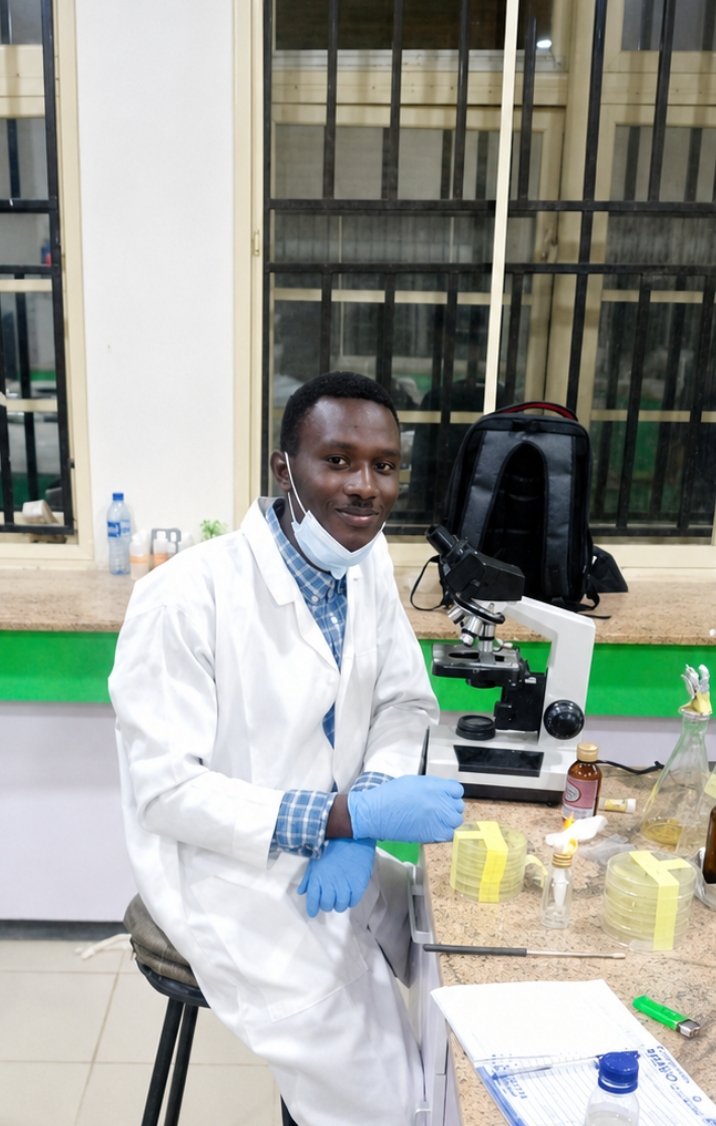
During my undergraduate research project, I studied and worked on the Antibacterial effects of those selected toothpastes and the results I go is fascinating. 👇🏽
Like, why not just put the ball into the net if you are truly trying to score? 🤷🏽♂
All of this just seems staged.
Maybe I’m missing something, but I honestly don’t understand what you people enjoy about football 😓
I have finally come to realize that watching football is entirely a waste of time. 🤫
It seems like the organizers have already planned which team is going to win the game. They are just prolonging it to entertain the viewers.
I have been watching this World Cup game these days
and one of the many things I noticed is that;
You will see a player carrying the ball and running from the center of the pitch up to the goalpost, only for him to pass the ball backward or sideways to another player instead of just hitting the ball into the net.
The most powerful antibiotic you’ve never heard of was sitting under scientists’ noses for decades.
A team from the University of Warwick and Monash University has discovered a hidden molecule that’s over 100 times stronger than existing antibiotics against drug-resistant bacteria like MRSA and VRE. It’s called pre-methylenomycin C lactone – and it was quietly lurking inside a well-known bacterium studied since the 1950s.
Streptomyces coelicolor is a familiar name in microbiology, known for producing the antibiotic methylenomycin A. But no one had tested the intermediate compounds created during its production – until now.
By deleting specific genes in the bacterium’s biosynthetic pathway, researchers uncovered two previously unknown intermediates. One of them, pre-methylenomycin C lactone, turned out to be a game-changer: 100x more active against Gram-positive bacteria than methylenomycin A.
The compound worked exceptionally well against methicillin-resistant Staphylococcus aureus (MRSA) and vancomycin-resistant Enterococcus (VRE), two of the deadliest superbugs on the World Health Organization’s priority list. Even more promising: in lab tests, the bacteria didn’t develop resistance to the compound – a rare outcome in antimicrobial research.
["Discovery of Late Intermediates in Methylenomycin Biosynthesis Active against Drug-Resistant Gram-Positive Bacterial Pathogens." Journal of the American Chemical Society, 2025]







![Rainmaker1973's tweet photo. The most powerful antibiotic you’ve never heard of was sitting under scientists’ noses for decades.
A team from the University of Warwick and Monash University has discovered a hidden molecule that’s over 100 times stronger than existing antibiotics against drug-resistant bacteria like MRSA and VRE. It’s called pre-methylenomycin C lactone – and it was quietly lurking inside a well-known bacterium studied since the 1950s.
Streptomyces coelicolor is a familiar name in microbiology, known for producing the antibiotic methylenomycin A. But no one had tested the intermediate compounds created during its production – until now.
By deleting specific genes in the bacterium’s biosynthetic pathway, researchers uncovered two previously unknown intermediates. One of them, pre-methylenomycin C lactone, turned out to be a game-changer: 100x more active against Gram-positive bacteria than methylenomycin A.
The compound worked exceptionally well against methicillin-resistant Staphylococcus aureus (MRSA) and vancomycin-resistant Enterococcus (VRE), two of the deadliest superbugs on the World Health Organization’s priority list. Even more promising: in lab tests, the bacteria didn’t develop resistance to the compound – a rare outcome in antimicrobial research.
["Discovery of Late Intermediates in Methylenomycin Biosynthesis Active against Drug-Resistant Gram-Positive Bacterial Pathogens." Journal of the American Chemical Society, 2025]](https://pbs.twimg.com/media/HKrYObVXwAAtqsr.png)


